
As pet parents, we strive to give our furry companions the best life possible. But what if caring for our dogs could also mean caring for the planet? With growing environmental consciousness, many dog owners are seeking sustainable dog ownership tips to reduce their pets’ ecological footprint. This commitment is reflected in recent trends; a 2025 survey revealed that about 73% of global pet owners consider environmental impact “important” or “very important” in their purchasing decisions, a notable increase from 54% in 2020. This guide will help you embark on your eco-friendly dog journey, offering foundational insights and practical swaps for a healthier pet and planet.
Understanding Your Dog’s Environmental Impact
Conventional pet products often contribute significantly to environmental challenges. From resource-intensive manufacturing to non-biodegradable waste, the choices we make for our pets have consequences. For instance, many plastic toys and accessories end up in landfills, taking hundreds of years to decompose. Traditional dog foods can have a large carbon footprint depending on their ingredients and sourcing. However, the sustainable pet supplies industry is booming, projected to reach $34.6 billion to $38.6 billion by 2034, driven by innovation and consumer demand for responsible choices.
Understanding your dog’s ecological footprint is crucial. This involves considering everything from their diet and toys to their waste. Furthermore, manufacturing processes for conventional items frequently deplete natural resources and generate pollution. To illustrate, the production of certain pet foods requires substantial land and water. Fortunately, there are many alternatives available today. You can learn more about this by exploring our article on The Environmental Impact of Pet Ownership: Understanding Your Dog’s Paw Print. Ultimately, making informed decisions helps protect both your pet and the environment.
Starting Small: Easy Eco-Friendly Swaps
You don’t need to overhaul your entire pet care routine overnight. Small, consistent changes can make a big difference. Here are some simple yet effective ways to begin your journey towards more sustainable pet care:
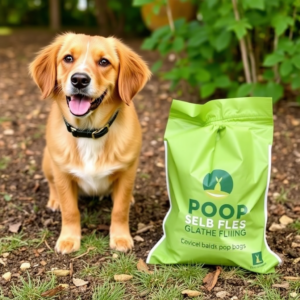
- Biodegradable Poop Bags: This is perhaps the easiest and most impactful first step. Traditional plastic poop bags contribute to landfill waste. Therefore, switch to compostable or biodegradable options made from plant-based materials. Brands like Lil’ Archie’s and Planet Underdog offer excellent choices.
- Natural Grooming Products: Many conventional dog shampoos and conditioners contain harsh chemicals that can harm your pet and pollute waterways. Opt for products with natural, biodegradable ingredients. Earthbath and Burt’s Bees for Pets are leading the way in eco-friendly grooming.
- Durable & Recycled Toys: Instead of frequently replacing flimsy plastic toys, invest in durable options made from sustainable materials. Look for toys made from natural rubber, hemp, organic cotton, or recycled materials like recycled bike tubes (e.g., Cycle Dog) or ocean plastics. Not only do these reduce waste, but they are often safer for your dog, free from harmful toxins. For more ideas, consider exploring DIY Eco-Friendly Dog Toys: Simple, Safe, and Sustainable Fun.
The Benefits Beyond the Planet
Choosing eco-friendly pet products isn’t just good for the earth; it’s often better for your dog too. Products made from natural and organic materials typically contain fewer synthetic chemicals, dyes, and artificial fragrances, reducing the risk of allergies, skin irritations, and other health issues for your canine companion. Consequently, your dog enjoys a healthier lifestyle. Moreover, many sustainable options are designed for durability, meaning fewer replacements and less waste over time. This also often translates to better value for your money. For example, a well-made natural rubber toy will last much longer than a cheap plastic alternative. In addition, supporting brands committed to sustainability often means supporting ethical labor practices and transparent supply chains.
Embracing Sustainable Dog Ownership Tips for Diet and Nutrition
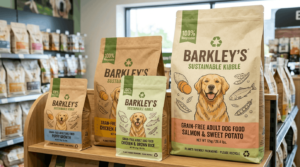
A significant part of your dog’s environmental footprint comes from their diet. Traditional pet foods, particularly those heavy in meat, can have a substantial carbon pawprint. However, there are increasingly more sustainable options available. Consider foods that use ethically sourced ingredients, novel protein sources, or plant-based formulations. For instance, some brands now offer insect-based proteins, which require significantly less land and water than traditional livestock. Additionally, look for foods with transparent ingredient lists and those produced by companies committed to sustainable farming practices. By making thoughtful choices about your dog’s food, you directly contribute to a healthier planet. Furthermore, reducing food waste by properly storing food and serving appropriate portions is another simple yet effective step.
Sustainable Dog Beds and Accessories
When it comes to comfort, your dog deserves the best, but it doesn’t have to come at the planet’s expense. Sustainable dog beds are often made from organic cotton, hemp, or recycled materials. These materials are not only eco-friendly but also typically free from harmful chemicals found in conventional synthetic beds. Similarly, consider accessories like collars, leashes, and bowls. Look for options made from natural fibers, recycled plastics, or bamboo. These choices minimize plastic waste and support a circular economy. For specific recommendations, our guide on Top 5 Sustainable Dog Bed Options: Comfort & Eco-Consciousness provides excellent insights. Ultimately, every accessory choice presents an opportunity for a greener pawprint.
Beyond Products: Holistic Sustainable Dog Care Practices
Sustainable pet care extends beyond just the products you buy. It encompasses a holistic approach to your dog’s well-being and your daily routines. For example, consider reducing your water usage when bathing your dog or opting for waterless shampoos. Furthermore, responsible waste management, beyond just biodegradable poop bags, includes composting pet hair from grooming sessions or exploring local pet waste composting programs if available. Additionally, choosing to spay or neuter your pet helps control pet overpopulation, which in turn reduces the demand on resources. These broader practices contribute significantly to a greener lifestyle. You can delve deeper into this topic with our comprehensive article, Beyond Products: A Holistic Guide to Sustainable Dog Care.
The Importance of Ethical Sourcing and Transparency
As you seek sustainable dog ownership tips, it’s vital to look beyond surface-level claims. Ethical sourcing and transparency are paramount. This means understanding where ingredients come from, how products are manufactured, and the overall environmental and social impact of a company. Some brands engage in