
In a world increasingly conscious of its environmental footprint, extending the lifespan of products is a cornerstone of sustainable living. For dog owners who prioritize environmental sustainability, understanding how to effectively repair and maintain pet products is crucial. This pet product repair guide delves into practical ways to mend common dog items, helping you reduce waste and embrace circular economy principles within your home. With the global eco-friendly pet products market projected to reach up to $38.6 billion by 2034, driven by a strong consumer desire for sustainable choices, the power of repair is more relevant than ever. Indeed, by choosing repair, you contribute to a healthier future for both pets and the planet.
Why Repair Matters: Beyond Just Saving Money
Repairing your dog’s gear isn’t just about saving a few dollars; it’s a powerful act of environmental stewardship. Every item you fix means one less piece sent to a landfill and reduces the demand for new production, which consumes resources and energy. This aligns perfectly with the growing trend towards circularity in the pet industry, where brands are increasingly adopting practices like utilizing food waste and offering repair programs. By choosing to repair, you’re actively participating in a system that values longevity and resource efficiency. Consequently, this approach significantly minimizes your dog’s environmental paw print.
Common Pet Products and Easy Fixes
Many everyday pet items can be given a second life with a little effort and the right tools. Here’s how you can tackle some common repairs and extend the utility of your dog’s belongings:
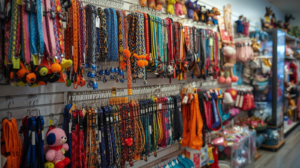
- Leashes and Collars: Frayed edges, loose stitching, or broken buckles are common issues. For minor fraying, a quick trim and a dab of non-toxic fabric glue can prevent further damage. For loose stitching, a sturdy needle and strong thread (or even dental floss for extreme durability) can re-secure straps. Broken plastic buckles can often be replaced with new ones purchased from craft or hardware stores; consider upgrading to metal buckles for increased longevity.
- Dog Beds: A torn cover doesn’t mean the end for a comfortable dog bed. Small tears can be patched with fabric patches or by hand-stitching. If the stuffing has flattened or shifted, consider opening a seam, re-fluffing, or adding eco-friendly filling like old towels or natural fiber scraps. For beds with removable covers, having a spare cover extends the life of the entire bed. You can explore sustainable dog bed options that often feature replaceable components.
- Toys: Plush toys often suffer from ripped seams or detached squeakers. Simple needle-and-thread repairs can close seams, and replacement squeakers are readily available online. For rubber or rope toys, assess the damage carefully. If a rubber toy is merely cracked, it might still be safe, but deep gashes could pose a choking hazard. Rope toys can often be re-braided or tied if they unravel, but discard if strands become loose and chewable to prevent ingestion. Furthermore, consider making DIY eco-friendly dog toys from repurposed materials.
Seeking Professional Help and Brand Programs
Some repairs might be beyond a DIY approach. Don’t hesitate to seek out local tailors or cobblers who often have the skills to mend durable fabrics and straps found in pet gear. Many will offer affordable services that breathe new life into items you thought were beyond saving. Additionally, a growing number of sustainable pet brands are now offering their own repair services or take-back programs, reflecting a commitment to the circular economy. Always check with the manufacturer; their commitment to product longevity can save you from premature replacement.
Essential Tools for Your Pet Product Repair Kit
To effectively extend the life of your dog’s items, a well-stocked repair kit is invaluable. Here are some essentials:
- Sturdy Needle and Thread: Opt for strong, durable thread, such as upholstery thread or dental floss, for mending seams and reattaching straps.
- Fabric Patches: Keep a variety of fabric scraps or iron-on patches handy for covering tears in beds, apparel, or carriers.
- Non-Toxic Fabric Glue: Ideal for sealing frayed edges or securing small patches without stitching. Ensure it’s safe for pets.
- Scissors: A good pair of fabric scissors is essential for clean cuts and trimming loose threads.
- Replacement Buckles/Hardware: Keep a few spare buckles (plastic or metal) and D-rings in common sizes.
- Pliers: Useful for manipulating metal hardware or tightening components.
- Stuffing Material: Old towels, natural fiber scraps, or even shredded clothing can be repurposed as eco-friendly stuffing for dog beds.
Having these items on hand means you’re prepared for most minor issues, thus making your pet product repair endeavors much easier and more immediate.
Preventative Maintenance: The Best Repair Strategy
While this pet product repair guide focuses on fixing items, prevention is always the best strategy for longevity. Regular cleaning, proper storage, and mindful use can significantly extend the life of your dog’s gear. For example, washing dog beds according to instructions prevents material breakdown, and storing leashes neatly avoids tangles and stress on the stitching. Furthermore, rotating toys can reduce wear and tear on individual items. A little foresight goes a long way in maintaining your sustainable pet supplies.
When to Repair and When to Replace
Deciding whether to repair or replace can sometimes be challenging. Generally, if the structural integrity of an item is compromised in a way that poses a safety risk to your dog (e.g., a leash that could snap during a walk, a toy with sharp edges), replacement is the safer option. However, for aesthetic damage, minor tears, or worn-out components that don’t affect safety, repair is almost always the more eco-conscious choice. This thoughtful approach supports a holistic sustainable dog care guide philosophy.
The Environmental Impact of Longevity
Every time we choose to repair, we actively participate in reducing waste. The pet industry, like many others, contributes to landfill waste with discarded products. By extending the life of a dog bed by another year or a leash by several months, you’re directly lessening your contribution to this waste stream. This aligns with the principles of a circular economy, where products are designed for durability, repairability, and recyclability. Ultimately, this pet product repair guide helps you make informed decisions that benefit both your pet and the planet. It’s a small yet significant step towards a more sustainable lifestyle.
Tips for Sourcing Repair Materials Sustainably
When you need new materials for repairs, consider their environmental impact. Look for:
- Recycled Fabrics: For patches or new bed covers, seek out fabrics made from recycled content.
- Natural Fibers: Choose natural, biodegradable threads and stuffing when possible.
- Secondhand Hardware: Sometimes, buckles or D-rings can be salvaged from old bags or clothing, giving them a second life.
- Local Suppliers: Support local businesses for repair materials to reduce transportation emissions.
By making conscious choices about your repair materials, you further enhance the sustainability of your efforts. This comprehensive pet product repair guide encourages thoughtful consumption at every stage.
Embracing the Mindset of Repair
Beyond the practical steps, adopting a ‘repair mindset’ is crucial. This means viewing items not as disposable, but as valuable resources that can be maintained and extended. It’s a shift from a linear ‘take-make-dispose’ model to a circular one that values every resource. This approach not only saves money but also fosters a deeper connection to the items we own and the planet we share. For instance, sharing your repair knowledge with other pet owners can amplify its impact, promoting a community of sustainable practices. Consider joining local repair cafes or online forums dedicated to DIY fixes for inspiration and shared wisdom. This fosters a collective effort towards a greener future.
Moreover, supporting brands that offer repair services or durable products is another way to promote this mindset. When purchasing new items, look for those designed for longevity and easy repair. This proactive approach ensures that even if a product eventually needs replacement, it will have served its purpose for as long as possible. The goal is to minimize the frequency of new purchases, thereby reducing overall consumption and waste. This actionable guide to greener paw print emphasizes smart choices.
The Future of Sustainable Pet Ownership
As consumers increasingly demand transparency and sustainability, the pet industry is evolving. More brands are focusing on product durability, modular design (where components can be easily replaced), and repair services. By embracing this pet product repair guide, you are not just fixing items; you are actively participating in shaping a more sustainable future for pet ownership. Your choices send a clear message to manufacturers about the importance of eco-friendly practices and product longevity. Furthermore, this collective action helps to drive innovation in the design of pet products, leading to items that are inherently more repairable and sustainable from the outset. This movement towards a circular economy for pets is gaining momentum, and your participation is vital. For example, some companies are now using materials like upcycled ocean plastic or plant-based alternatives, which are not only eco-friendly but often designed with repairability in mind. Consequently, this leads to less waste and a healthier planet for our beloved companions.
Final Thoughts on Your Pet Product Repair Journey
Embarking on a journey of repairing your dog’s products is a rewarding endeavor. It’s a tangible way to demonstrate your commitment to environmental sustainability, reduce waste, and save resources. From a simple stitch on a torn toy to replacing a buckle on a favorite leash, every repair contributes to a larger movement. This comprehensive pet product repair guide empowers you with the knowledge and motivation to give your dog’s gear a longer, more purposeful life. By choosing repair, you’re not just being resourceful; you’re being a responsible steward of the environment, ensuring a healthier world for generations of paws to come. It’s a practical, impactful step towards truly sustainable living with your furry friend. For additional resources on ethical consumption, consider exploring sites like the EPA’s recycling information, which provides broader context on waste reduction. Additionally, checking resources like iFixit can offer general repair principles applicable to various items, inspiring a broader repair culture.
FAQ: Extending the Life of Your Dog’s Gear
Can I really fix most pet items myself?
Many common pet items, especially those made of fabric, plastic, or rubber, can be easily mended with basic tools and a little effort. Minor tears, loose stitching, or broken buckles are often simple DIY fixes. However, for structural damage or complex electronics, professional help might be necessary.
What are some eco-friendly materials to use for pet item mending?
When mending, opt for natural fiber threads like cotton or hemp, recycled fabric scraps for patches, and non-toxic, pet-safe glues. Repurposed materials like old towels or natural fiber remnants make excellent stuffing for dog beds, further reducing waste.
How does mending pet products contribute to sustainability?
Mending pet products significantly reduces waste by diverting items from landfills. It also lessens the demand for new production, thereby conserving raw materials, energy, and water. This aligns with circular economy principles, promoting a more responsible and eco-friendly approach to pet ownership.
Are there any pet brands that offer repair services for their products?
Yes, an increasing number of sustainable pet brands are offering repair services or take-back programs to encourage product longevity. It’s always a good idea to check with the manufacturer of your pet’s gear to see if they provide such options, supporting their commitment to sustainability.
When should I choose to replace a pet item instead of mending it?
If an item’s damage compromises your pet’s safety, such as a severely damaged leash that could break or a toy with sharp, ingestible pieces, it’s best to replace it. For other issues like aesthetic wear, minor tears, or flattened stuffing, repair is usually the more sustainable and practical choice.
What is the most important step in prolonging the life of dog products?
Beyond active repair, preventative maintenance is key. Regular cleaning, proper storage, and rotating items to distribute wear and tear can significantly extend the lifespan of your dog’s gear. This proactive approach minimizes the need for extensive repairs or premature replacements.