

Here’s what sustainable dog care actually means: not one purchase, but a handful of checkable habits across food, gear, grooming and waste. This site participates in the Amazon Associates program; we may earn a small commission from qualifying purchases at no extra cost to you, and it never changes what we recommend. Where this guide touches diet, grooming or skin health, treat it as general information, not veterinary advice — ask your vet about anything specific to your dog.
What Sustainable Dog Care Actually Looks Like
Caring for a dog sustainably means looking at the whole picture: what they eat, what they play with, what they’re groomed with, and what happens to their waste. The goal isn’t perfection — it’s making a few swaps worth making, and knowing what an “eco” claim on a label does and doesn’t prove before you buy.
Pillars of Sustainable Dog Ownership
Here’s the check across the areas that matter most: what your dog eats, what they play with, and how you manage their waste.
Mindful Product Choices: From Bowls to Beds
Check the label for a named material, not an adjective. Organic cotton, hemp, untreated wood, natural rubber, or recycled content backed by a real certification are all things you can verify. “Eco-friendly” by itself is not — it’s marketing language, not a standard.
- Toys: Skip it if a toy crumbles, sheds or flakes in the first week, whatever the packaging claims. A named material — natural rubber, or recycled content backed by a real Global Recycled Standard (GRS) claim — is the check that matters.
- Beds: Look for a removable, washable cover and a filling you can name. Check that the cover actually unzips before you buy, not after.
- Accessories: Bamboo, stainless steel, or ceramic bowls are a reasonable swap from plastic. For collars and leashes, hemp, recycled materials, or named vegan-leather alternatives are worth a look — if the material is actually named on the listing.
A brand that shares its supply chain details openly is giving you something you can check. A brand that only uses adjectives on the front of the pack is not.
Nourishing with Sustainable Pet Food
Your dog’s diet affects both their health and the environment. Here’s what to check on a bag of food:
- Ingredient Sourcing: Look for foods that name specific sourcing practices rather than just claiming to be “natural” or “responsible.” Those words alone prove nothing.
- Novel Proteins: Some owners also look at novel proteins, including insect-based options, as a possible lower-footprint alternative. This is still an emerging, less-studied area, so treat specific footprint comparisons as approximate rather than settled — it’s worth asking about only if it’s a swap your dog will accept.
- Plant-Based Options: A well-balanced plant-based diet can work for some dogs — but ask your vet before making a significant dietary change, since nutritional needs vary by dog and this isn’t a decision to make from a blog post.
- Packaging: Favor recyclable, compostable, or minimal packaging, and consider buying in bulk to cut packaging waste per serving.
Reducing food waste matters too: store food properly to maintain freshness, and check with your local composting program before composting any leftovers — not all municipal programs accept pet food or waste.
Sustainable Waste Management: Minimizing Your Paw Print
Dog waste is a genuine daily question for most dog owners. Here’s the check for handling it better:
- Compostable Waste Bags: Look for bags certified to ASTM D6400, the actual compostability standard — not just bags labeled “biodegradable,” which isn’t a regulated term and proves very little on its own.
- Pet Waste Composting: A dedicated pet waste composter keeps waste out of the regular trash stream. The EPA’s home composting guidance specifically lists pet waste among materials to keep out of a backyard compost pile, since it’s not suitable for edible gardens and can carry pathogens.
- Flushing (where permitted): Some municipalities allow it, since it then goes through wastewater treatment — others explicitly prohibit it. Check your local regulations rather than assuming either way.
Eco-Friendly Grooming and Cleaning
What you use on your dog and in your home matters too. Here’s the check:
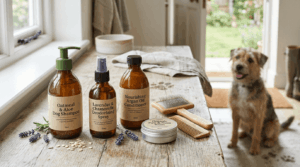
- Shampoos and Conditioners: Look for a short, readable ingredient list, free from added fragrance for sensitive-skin dogs. Patch test anything new on a small area first, and ask your vet if a reaction persists or worsens.
- Biodegradable Wipes: Wipes made from compostable fibers are a lower-waste alternative to synthetic ones.
- DIY Cleaning Solutions: Diluted vinegar and baking soda handle many pet messes, used carefully around surfaces that react poorly to acid.
- Brushes: Bamboo-handled brushes with natural bristles are a reasonable, long-lasting swap.
Beyond Products: Everyday Habits
Product choices matter, but everyday habits round things out.
Mindful Consumption and Durability
The most sustainable product is usually the one you already own, or the one built to actually last. A durable toy that survives your dog’s energy for a year beats several flimsy ones — and durability, not the label, is the real credential worth paying for.
Supporting Local and Transparent Businesses
Local sellers generally have a shorter supply chain, and brands transparent about sourcing and manufacturing give you something to actually check, instead of a claim to take on faith. The Pet Food Institute publishes resources on pet food production practices if you want to go deeper.
Adoption
Adopting from a shelter or rescue is one of the more directly checkable choices a new dog owner can make — it doesn’t add to commercial breeding demand. If you do go through a breeder, look for one transparent about health testing and welfare practices, not just one that calls itself “ethical.”
Volunteering
Volunteering at a shelter or joining a local clean-up extends your impact beyond your own household. Shelters and parks both rely heavily on volunteer time.
Why This Is Worth the Effort
A shorter, simpler ingredient list generally means fewer added fragrances or dyes — common triggers for a sensitive-skin dog, though every dog reacts differently, and a vet is the right person to advise on a specific, persistent skin concern. Fragrance-free, simpler products also make for a calmer home for everyone in the house, pets included. None of this is a guarantee — it’s a set of checkable swaps, not a promise of a particular outcome.
Making the Transition
Switching to a more sustainable routine doesn’t have to happen all at once. Start with the swap that will matter most for your household — certified-compostable waste bags, or a durable natural-rubber toy to replace a worn-out one — then expand from there. The Environmental Protection Agency (EPA) has practical, government-sourced guidance on reducing pet waste if you want to check further.
Conclusion
This is about progress, not a perfect scorecard. Every checkable swap is a step in a reasonable direction for your dog and your household. At EcoFriendlyDogProducts.com, our job is to make those checks easier to run — not to tell you a product is “safe” or “non-toxic” without a standard behind it. Pick the one swap above that fits your household this month, run the check, and build from there.
FAQ
What are the main benefits of eco-conscious dog care?
Fewer unnecessary additives in what touches your dog’s skin, a calmer home environment, and a smaller cumulative footprint from your household’s pet-related purchases and waste.
How can I make my dog’s diet more sustainable?
Look for pet food with specifically named, transparently sourced ingredients, ask your vet about novel protein sources like insects or a well-balanced plant-based option, and choose brands with minimal or recyclable packaging.
What types of sustainable products should I look for?
Prioritize named materials — organic cotton, hemp, untreated wood, natural rubber, or certified recycled content — across toys, beds, bowls, collars, and leashes. Skip it if the label only has adjectives.
Is responsible dog waste management really important for the environment?
Yes. Improper disposal can introduce bacteria into local waterways via storm drains and adds to landfill volume, which is why the EPA’s nonpoint source pollution program tracks pet waste as a contributor. Certified-compostable bags, a dedicated pet waste composter, or flushing where locally permitted all help.
Where can I find reliable information on sustainable pet care?
Look for brands transparent about sourcing and manufacturing, check claims against real certifications rather than marketing language, and ask your vet about anything health- or diet-related.
Explore more: More from Eco Friendly Dog Products