
In an era where collective action is more vital than ever, the individual choices we make as pet parents resonate far beyond our own homes. While opting for a biodegradable poop bag or a recycled dog toy is a significant step, the true power to create lasting change lies in our collective efforts. The concept of pet sustainability community impact recognizes that when dog owners unite, sharing knowledge and supporting responsible practices, we can amplify our positive influence exponentially. After all, a 2025 survey found that 84% of pet parents believe companies should actively address climate change, reflecting a widespread desire for more sustainable solutions.
The Ripple Effect: How Individual Choices Fuel Collective Change
Every decision you make for your dog, no matter how small, contributes to a larger narrative. Choosing natural wood fiber litter (like ökocat, a 2026 Pet Innovation Awards winner) or a harness made from recycled polyester (e.g., Wild One, Lil’ Archie’s) not only reduces your own paw print but also signals to the market that demand for sustainable options is strong. When these individual choices are shared and celebrated within a community, they become powerful catalysts:
- Inspiration: Your eco-friendly choices can inspire friends, family, and fellow dog park regulars to reconsider their own habits.
- Education: Sharing why you chose a particular product or practice helps others learn about genuinely sustainable alternatives.
- Demand Generation: Collective consumer demand pushes brands to innovate further in areas like plant-based proteins, circular economy principles, and transparent sourcing.
Building a Pet Sustainability Community Impact: Beyond the Purchase
Creating a robust pet sustainability community impact involves more than just buying green products. It’s about engagement, advocacy, and shared learning:
Join and Create Online Communities
Participate in online forums, social media groups, or dedicated platforms where conscious pet parents share tips, product reviews, and sustainable living hacks. These spaces are invaluable for exchanging ideas, from DIY eco-friendly dog treats to finding local recycling options for pet food packaging. For example, many groups offer advice on DIY Eco-Friendly Dog Toys, providing simple, safe, and sustainable fun for your pup.
Organize Local Initiatives
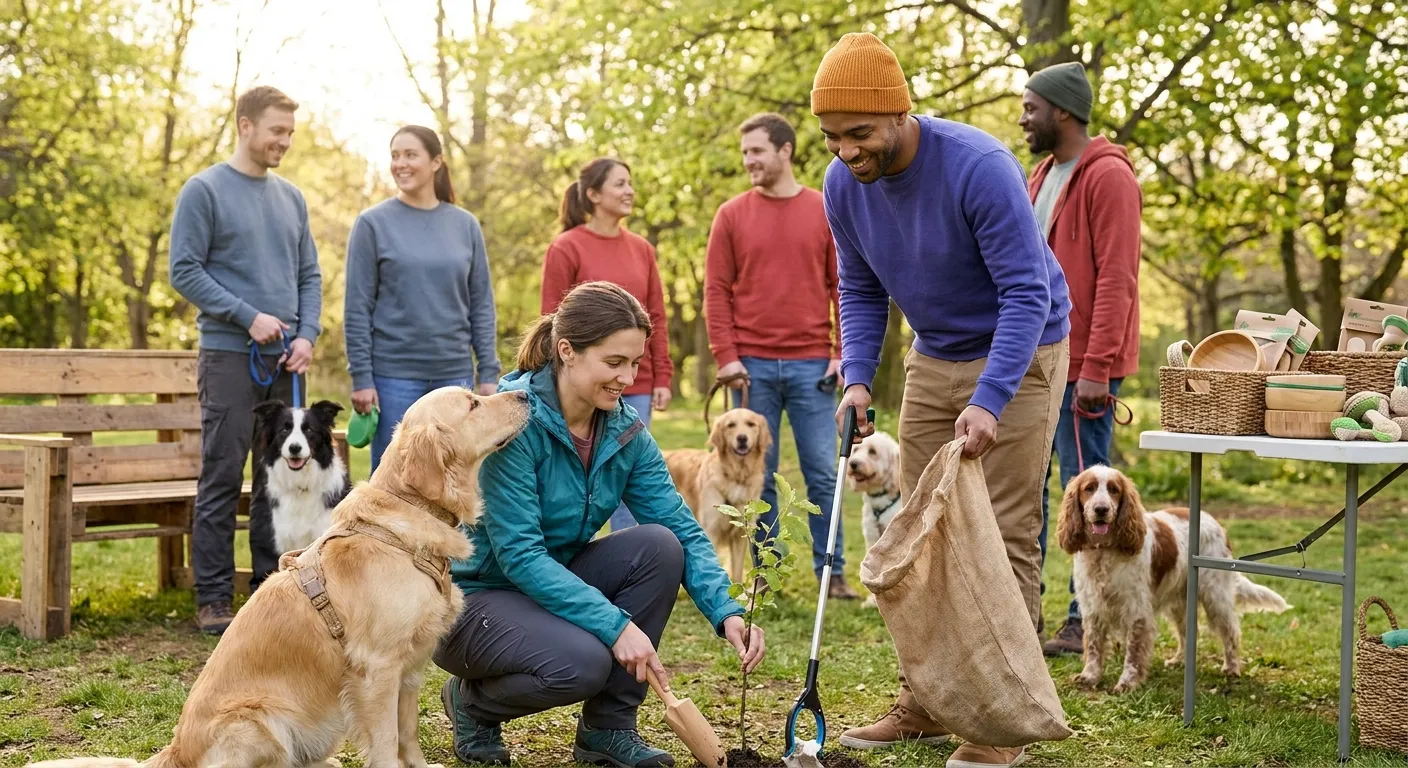
Consider organizing or joining local clean-up drives at dog parks, beaches, or walking trails. These events not only improve your local environment but also foster a sense of shared responsibility and community among pet owners. Advocating for better pet waste composting programs or recycling facilities in your town can also make a significant difference. Furthermore, these initiatives help address the broader Environmental Impact of Pet Ownership, reducing your dog’s overall paw print.
Share Your Journey and Knowledge
Don’t underestimate the power of your personal story. Share your experiences with sustainable pet care on social media, in conversations with friends, or by writing reviews for eco-friendly products. Highlighting specific products, like dog bowls made from recycled ocean plastics (e.g., Ochien), can provide concrete examples and encourage others to make similar choices. In fact, many people are looking for ways to deepen their dog’s eco-friendly lifestyle, and your personal journey can be a powerful guide.
The Power of Collective Advocacy for Sustainable Pet Practices
Beyond individual actions and community building, collective advocacy plays a crucial role in fostering a greater pet sustainability community impact. When pet parents speak with a united voice, they can influence policymakers, retailers, and manufacturers. Therefore, it is important to understand how to effectively advocate for the changes you wish to see.
Influencing Policy and Regulations
Support organizations that lobby for stricter environmental regulations in the pet industry. This could involve advocating for clear labeling standards for biodegradable products, promoting extended producer responsibility for pet food packaging, or pushing for bans on harmful chemicals in pet toys and grooming products. For instance, advocating for responsible disposal of microplastics is vital, as discussed in our article on Microplastics and Pet Health. Participating in local government meetings or writing to elected officials can help shape policies that support sustainable practices for all pet owners.
Encouraging Retailer Responsibility
Engage with your local pet stores and online retailers. Ask them about their sustainable product offerings, their recycling programs for pet product packaging, and their commitments to ethical sourcing. When consumers consistently demand more sustainable options, retailers are motivated to stock them. Moreover, this consumer pressure can lead to a wider availability of eco-friendly dog beds, toys, and food, making it easier for everyone to make greener choices. You can also highlight the importance of Ethical Sourcing in Pet Products.
Holding Brands Accountable
Support brands that are genuinely committed to sustainability and transparency, and challenge those that engage in greenwashing. Research companies’ environmental practices, read product labels carefully, and share your findings with your community. Furthermore, by collectively supporting innovators in sustainable pet accessories, we can drive significant progress. This collective scrutiny encourages companies to invest in truly sustainable solutions, from manufacturing processes to end-of-life product management. The true pet sustainability community impact comes from this shared commitment to accountability.
Expanding Our Reach: Collaborating for a Healthier Planet
To truly maximize our collective influence, the pet sustainability movement must look beyond traditional pet owner circles. Collaborating with other environmental groups, local businesses, and even non-pet-owning individuals can significantly amplify our message and efforts. This expanded reach is essential for achieving a broad pet sustainability community impact.
Partnering with Environmental Organizations
Seek out and support local or national environmental organizations that align with your values. Many of these groups have existing frameworks for community clean-ups, advocacy campaigns, and educational initiatives that can be adapted to include pet-specific issues. For example, a local river clean-up can specifically target areas where pet waste might accumulate, integrating pet owners into a broader environmental effort.
Engaging Local Businesses
Work with local pet stores, groomers, and veterinarians to promote sustainable practices. They can serve as valuable hubs for information, offering eco-friendly products or promoting local recycling programs. Perhaps a local pet store could host a workshop on Sustainable Dog Care Practices, further educating the community. Moreover, by supporting businesses that prioritize sustainability, we reinforce a local economy that values environmental responsibility.
Educating the Wider Public
Not everyone understands the environmental implications of pet ownership. Therefore, it is important to engage in broader public education campaigns. Share facts about the carbon footprint of pet food, the impact of plastic pet products, or the benefits of responsible pet waste management. Simple infographics or social media campaigns can effectively communicate these messages to a wider audience, extending the reach of our collective efforts. This education is crucial for enhancing the overall pet sustainability community impact.
The Future of Sustainable Pet Living: A Shared Vision
As we look to the future, the vision for sustainable pet living is one of widespread adoption and innovation, driven by a strong pet sustainability community impact. Imagine a world where eco-friendly options are the norm, not the exception, and where every pet parent feels empowered to contribute to a healthier planet. This future is within reach, but it requires continued dedication and collaboration.
Innovation and Accessibility
The demand generated by a conscious pet community will continue to drive innovation in sustainable pet products and services. We can expect to see more advancements in plant-based nutrition, biodegradable materials, and circular economy models for pet accessories. Furthermore, as these innovations become more mainstream, they will also become more accessible and affordable for all pet owners, making sustainable choices easier for everyone. This cycle of demand and innovation strengthens the collective impact for green pet care.
Global Collaboration
While local efforts are vital, global collaboration among pet sustainability communities can accelerate progress on a larger scale. Sharing best practices, research, and advocacy strategies across borders can help address common environmental challenges more effectively. Indeed, organizations like the Pet Industry Federation are increasingly focusing on sustainability, highlighting the growing recognition of this issue worldwide. This international cooperation fosters a truly global pet sustainability movement.
A Legacy of Responsibility
Ultimately, by working together to create a significant pet sustainability community impact, we are building a legacy of responsibility for future generations of pets and people. Our collective actions today ensure that our beloved companions can thrive in a healthier, more vibrant world tomorrow. Consequently, every step we take, every conversation we have, and every sustainable choice we make contributes to this invaluable legacy. We are not just pet owners; we are stewards of the planet, and our united efforts truly make a difference.
The journey towards a fully sustainable pet industry is ongoing, but the collective power of conscious pet parents is undeniable. By embracing education, advocacy, and community engagement, we can continue to expand the pet sustainability community impact, ensuring a brighter, greener future for all. Let’s continue to unite, share, and inspire, making every paw print a step towards a healthier planet.
FAQ
What does ‘sustainable pet living’ mean?
Sustainable pet living refers to making choices that minimize your pet’s environmental footprint while ensuring their well-being. This includes using eco-friendly products, reducing waste, and supporting ethical practices in the pet industry.
How can I find other environmentally conscious pet parents?
You can connect with environmentally conscious pet parents through online forums, social media groups dedicated to green pet care, or by participating in local pet-related environmental initiatives like park clean-ups. Many communities also have local sustainability groups that welcome pet owners.
Are eco-friendly pet products truly effective?
Yes, many eco-friendly pet products are highly effective and often offer additional benefits like being free from harmful chemicals. Brands are increasingly innovating to provide high-quality, sustainable alternatives for everything from food to toys. For example, many sustainable dog bed options provide excellent comfort while being environmentally responsible.
What is greenwashing, and how can I avoid it?
Greenwashing is when companies misleadingly market products as environmentally friendly. To avoid it, look for third-party certifications, research a brand’s actual sustainability practices, and be wary of vague or unsubstantiated claims. Transparency in sourcing and manufacturing is a key indicator of genuine commitment.
How do individual actions contribute to larger environmental change in the pet industry?
Individual actions, when multiplied across a community, create collective consumer demand. This demand signals to manufacturers and retailers that there is a market for sustainable products, driving innovation and encouraging more widespread adoption of eco-friendly practices throughout the pet industry. It is a powerful way to make a difference.