
Pet owners often replace collars, leashes, beds, blankets, and toys long before those items completely wear out. As a result, many old pet accessories end up in landfills each year. Fortunately, recycling pet fabrics offers a smarter and more sustainable alternative. Instead of throwing away worn materials, you can repurpose them into practical household items, pet essentials, or creative DIY projects that continue serving a purpose.
Many pet accessories contain durable fabrics, soft padding, strong stitching, and reusable materials that still hold value even after their original use ends. Moreover, recycling old pet items reduces waste, lowers household expenses, and supports a more environmentally responsible lifestyle. With a little creativity and effort, almost every fabric-based pet accessory can become something useful again.
Because sustainability continues gaining attention among pet owners, more people are exploring eco-friendly ways to manage pet supplies. Recycling pet fabrics not only benefits the environment, but it also encourages mindful consumption. Instead of constantly buying new products, you can maximize the lifespan of materials already inside your home.
Why Old Pet Accessories Should Not Go to Waste
Many pet products are made from synthetic materials that take years to decompose. Pet beds often contain foam, polyester stuffing, and durable fabric covers, while collars and harnesses may include nylon, canvas, or reinforced stitching. When these items are discarded, they contribute to growing landfill problems.
However, many accessories remain partially usable even after visible wear appears. A torn dog bed may still contain clean stuffing, while a damaged leash may have reusable clips and straps. By identifying salvageable materials, pet owners can reduce unnecessary waste significantly.
Additionally, reusing pet accessories helps reduce manufacturing demand. Producing new fabrics requires water, energy, and raw materials. Therefore, extending the life of existing materials lowers environmental impact. Small household habits may seem minor individually, yet they collectively create meaningful environmental benefits over time.
Another advantage involves cost savings. Pet ownership can become expensive quickly, especially when replacing accessories frequently. Recycling older items into functional products allows owners to save money while maintaining comfort and enrichment for their pets.
Simple Household Uses for Old Pet Fabrics
One of the easiest ways to begin recycling pet fabrics involves turning old accessories into practical household items. Fabric from pet beds, blankets, and soft toys can often be reused without complicated sewing skills.
Old fleece blankets, for example, work well as cleaning cloths. Because fleece absorbs moisture effectively, these materials are excellent for wiping muddy paws, drying wet fur, or cleaning floors after feeding time. Similarly, worn towels previously used for pets can become reusable rags for household cleaning tasks.
Pet bed stuffing also has several practical uses. Clean foam filling can be added to floor cushions, gardening kneelers, or homemade draft blockers for doors and windows. Instead of buying additional filling materials, reusing existing stuffing keeps useful materials out of the trash.
Meanwhile, strong fabric sections from damaged pet carriers or beds can become storage pouches, grocery bag reinforcements, or reusable shopping totes. Even smaller scraps can help patch worn clothing or create protective padding for fragile household items during storage.
These simple projects require minimal effort, yet they make a noticeable difference in reducing waste.
Turning Old Pet Accessories Into New Pet Items
Sometimes the best solution involves transforming outdated accessories into fresh pet products. This approach allows pets to continue enjoying familiar scents and textures, which often provides comfort and reassurance.
For example, older blankets can become crate liners or travel mats. Since pets already recognize the scent, recycled fabrics may help reduce anxiety during transportation or vet visits. Likewise, worn T-shirts or sweatshirts can easily transform into small pet pillows or calming comfort toys.
Many pet owners also reuse old collars creatively. Decorative sections from collars can become personalized keychains, bag tags, or memory keepsakes. Meanwhile, sturdy hardware like buckles and clips can support future DIY pet projects.
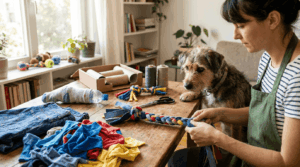
Leashes with damaged handles may still contain usable rope or nylon sections. These materials work well for homemade tug toys or interactive enrichment tools. Additionally, leftover fabric scraps from toys can be braided together into chew-safe play ropes for supervised activities.
By focusing on functionality rather than appearance alone, pet owners often discover many opportunities for reuse before disposal becomes necessary.
Creative DIY Projects Using Recycled Materials
Craft projects provide another excellent opportunity for recycling pet fabrics while adding personality to your home. Many old pet items contain colorful patterns, durable stitching, and textured materials that work perfectly for handmade projects.
Patchwork blankets remain one popular option. By combining fabric sections from old pet bedding, blankets, and clothing, you can create a unique quilt or floor mat. These projects not only reduce waste, but they also preserve sentimental memories connected to beloved pets.
Another creative idea involves making pet-themed storage baskets. Fabric from carriers, beds, or blankets can wrap around cardboard boxes or containers, creating attractive storage for toys, grooming supplies, or treats. Because these projects reuse existing materials, they reduce the need for new decorative storage products.
Additionally, old pet clothing can become reusable gift wrap, fabric bookmarks, or reusable produce bags. Even small leftover scraps may support sewing practice projects or decorative embroidery work.
Many people also enjoy creating memory keepsakes after pets outgrow certain items. A favorite bandana or sweater can become framed wall art, pillow covers, or scrapbook decorations that preserve meaningful moments.
These projects encourage sustainability while adding emotional value to otherwise forgotten materials.
How to Safely Clean and Prepare Old Pet Fabrics
Before reusing pet accessories, proper cleaning remains essential. Old fabrics may contain dirt, bacteria, allergens, or lingering odors that require attention before recycling projects begin.
Start by separating washable materials from non-washable components. Fabric covers, blankets, and soft toys usually benefit from a thorough machine wash using pet-safe detergent. Adding baking soda or vinegar during washing can help eliminate stubborn odors naturally.
For heavily soiled items, pre-soaking may improve results. Meanwhile, foam inserts and stuffing should dry completely before reuse to prevent mold growth. Sunlight drying works especially well because natural UV exposure helps reduce bacteria and odors.
Inspect fabrics carefully for loose threads, sharp edges, broken zippers, or damaged materials that could pose safety risks. If accessories previously contained mold, chemical contamination, or severe damage, disposal may still be the safest choice.
Additionally, avoid reusing materials that pets aggressively chewed or swallowed previously. While recycling promotes sustainability, pet safety should always remain the highest priority.
With proper preparation, most reusable fabrics become safe, clean, and ready for creative projects.
Donating Reusable Pet Materials
Not every pet owner wants to handle DIY projects personally. Fortunately, donation programs offer another valuable solution for recycling pet fabrics responsibly.
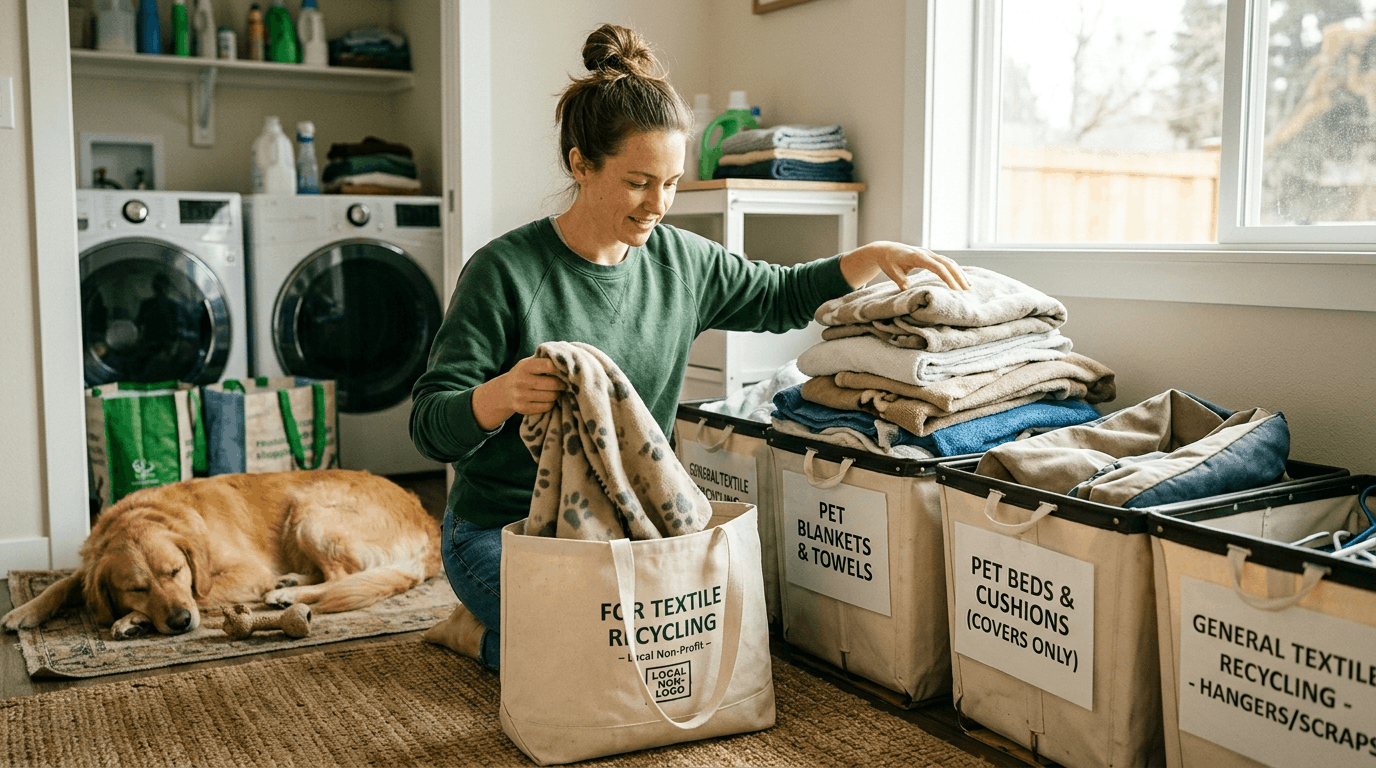
Animal shelters often welcome gently used blankets, towels, bedding, and soft materials. Rescue organizations frequently need extra supplies for temporary housing, medical recovery areas, and transport crates. Therefore, donating usable materials directly supports animals in need.
Some textile recycling centers also accept pet-related fabrics. Although not every facility processes heavily worn materials, many organizations recycle cotton, fleece, and polyester textiles into industrial insulation, carpet padding, or cleaning materials.
Additionally, local crafting groups, schools, and community centers sometimes accept fabric donations for art projects or sewing programs. Before donating, however, always confirm specific material guidelines and cleanliness requirements.
Donation provides an excellent alternative when accessories remain functional but no longer fit your household needs.
Choosing Sustainable Pet Products in the Future
While recycling existing items matters, purchasing sustainable products moving forward also plays an important role. Many modern pet brands now focus on environmentally friendly manufacturing, recycled materials, and longer-lasting product designs.
When shopping for new accessories, prioritize durable fabrics that resist tearing and wear. Higher-quality products often last significantly longer, reducing replacement frequency over time. Additionally, products made from recycled plastics, hemp, organic cotton, or natural fibers typically create a lower environmental impact.
Avoid excessively trendy accessories that quickly become disposable. Instead, choose versatile, timeless products designed for long-term use. Washable covers, replaceable inserts, and repair-friendly construction also improve sustainability.
Supporting eco-conscious brands further encourages responsible industry practices. Many companies now offer recycling programs, refill systems, or environmentally responsible packaging that aligns with greener lifestyles.
Although individual choices may appear small, consistent sustainable habits gradually create meaningful environmental improvements.
The Emotional Value of Reusing Pet Fabrics
Beyond environmental benefits, repurposing old pet accessories often carries emotional significance. Pets become cherished family members, and many owners develop strong attachments to items connected to shared experiences and memories.
Transforming an old blanket into a decorative pillow or memory quilt preserves sentimental value while preventing waste. Likewise, reusing collars, bandanas, or favorite toys in creative ways helps maintain emotional connections long after pets outgrow certain items.
For families with senior pets, recycled accessories may also provide comfort and familiarity. Familiar scents and textures often help anxious or aging pets feel more secure during transitions, travel, or recovery periods.
Therefore, recycling pet fabrics combines practicality with emotional meaning. It allows pet owners to honor memories while supporting sustainable living at the same time.
Conclusion
Recycling pet fabrics offers a practical, affordable, and environmentally responsible way to manage old pet accessories. Instead of sending worn blankets, beds, collars, and toys directly to landfills, pet owners can transform them into useful household items, creative crafts, or new pet essentials.
Because many pet accessories contain durable materials, they often retain value long after their original purpose ends. Through thoughtful reuse, donation, and creative repurposing, households can reduce waste while saving money and supporting sustainability.
Additionally, recycled pet fabrics frequently carry emotional significance that makes them worth preserving in meaningful ways. Whether you create DIY projects, donate reusable materials, or repurpose accessories for continued pet use, every small effort contributes to a more sustainable lifestyle.
As more pet owners embrace environmentally conscious habits, recycling pet fabrics continues becoming an easy and rewarding step toward reducing waste while caring for both pets and the planet.
FAQ
1. What types of pet accessories can be recycled or reused?
Many fabric-based items can be reused, including pet beds, blankets, collars, harnesses, soft toys, carrier liners, and pet clothing.
2. How do I clean old pet fabrics before reusing them?
Wash fabrics thoroughly using pet-safe detergent, remove odors with baking soda or vinegar, and ensure all materials dry completely before reuse.
3. Can animal shelters accept used pet bedding and blankets?
Yes, many shelters accept clean blankets, towels, and bedding materials to support rescued animals and temporary housing needs.
4. Are recycled pet materials safe for DIY projects?
They can be safe when properly cleaned and inspected for sharp edges, mold, loose threads, or damaged components that may harm pets.
5. How can I reduce waste when buying future pet products?
Choose durable, washable, repair-friendly accessories made from sustainable or recycled materials to minimize long-term environmental impact.