
In our modern world, microplastics have become a pervasive environmental concern, infiltrating oceans, soil, and even our food chain. What many pet owners don’t realize is that these tiny plastic particles also pose a hidden danger in many conventional dog products, potentially impacting pet health and the environment. Understanding the risks of microplastics pet products is crucial for making informed, protective choices for our furry friends.
The Silent Threat of Microplastics in Pet Products
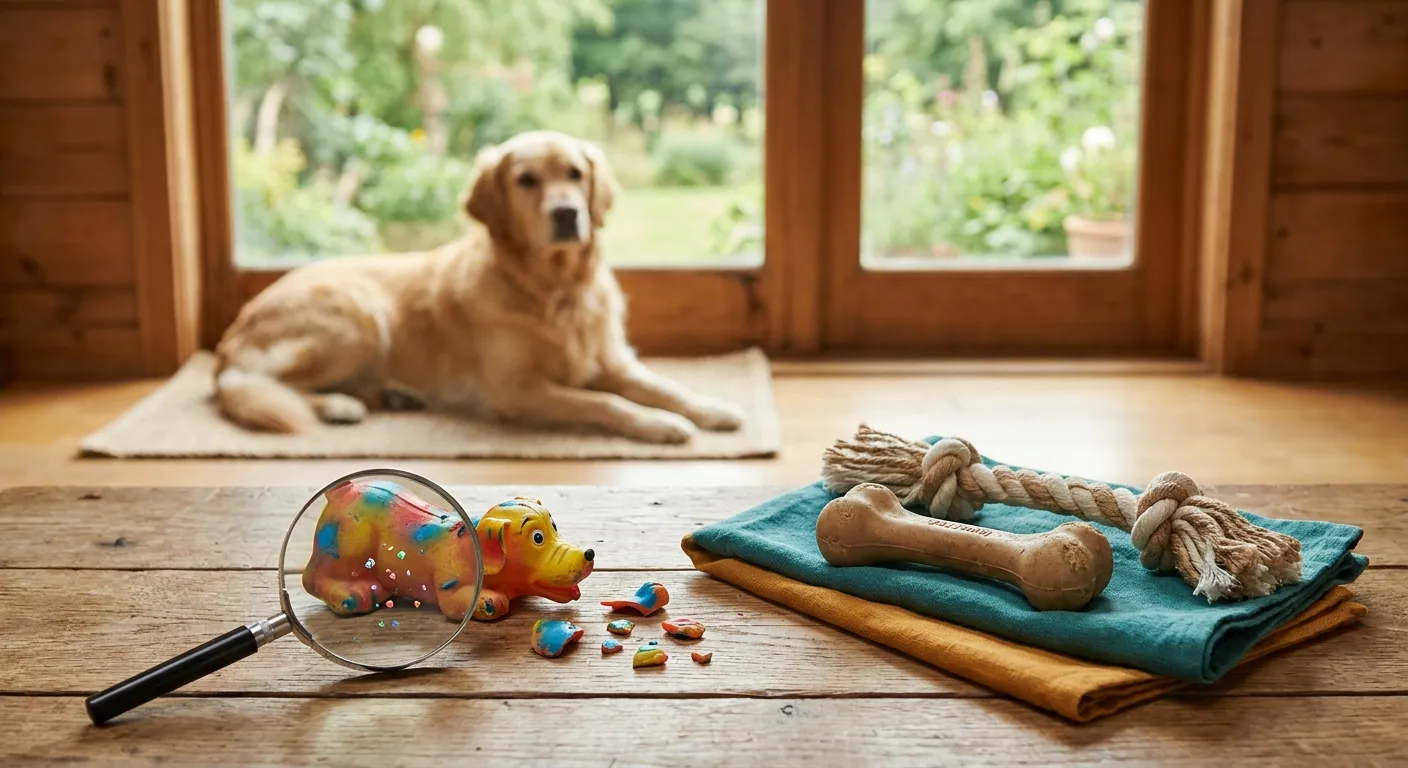
Microplastics are plastic pieces smaller than 5 millimeters. They originate from the breakdown of larger plastic items or are directly manufactured as microbeads. Interestingly, they are found in a surprising number of conventional pet products. For example, consider synthetic dog beds and blankets made from polyester. Plastic toys, some grooming products, and even certain types of pet food packaging also contain them. When these items wear down, shed fibers, or are chewed, they release microplastics into your home environment. Consequently, these particles can then be ingested by your dog or washed into waterways. The concern with microplastics pet products is not just environmental contamination, but also potential health implications for pets, as these particles can accumulate in tissues and potentially carry harmful chemicals.
Understanding Microplastic Sources in Your Home
It’s important to identify the common sources of these tiny invaders within your pet’s immediate surroundings. Many pet items, unfortunately, contribute to the problem. For instance, synthetic fabrics like polyester, fleece, and nylon, often used in dog beds, blankets, and even pet apparel, are significant shedders of microfibers. Each wash cycle can release thousands of these tiny plastic threads into wastewater. Furthermore, plastic toys, especially those that are frequently chewed or scratched, can degrade over time, releasing small plastic fragments. Even seemingly benign items such as plastic food scoops or certain types of food storage containers can contribute to the accumulation of plastic particles. Being aware of these sources is the first step toward reducing your dog’s exposure to microplastics pet products.
Potential Health Impacts on Our Canine Companions
Research into the specific health impacts of microplastics on pets is ongoing. However, studies in other species indicate potential for inflammation, digestive issues, and even disruption of endocrine systems. Data shows that pets are exposed through ingestion of contaminated food and water, as well as inhalation of airborne microplastic fibers from textiles. These microscopic particles can physically irritate digestive tracts, and the chemicals adsorbed onto their surfaces, such as phthalates and bisphenol A (BPA), are known endocrine disruptors. Such chemicals can interfere with hormone systems, potentially leading to developmental, reproductive, neurological, and immune problems. Therefore, minimizing exposure to microplastics pet products is a proactive measure for pet wellness.
Making Sustainable Choices for a Healthier Pet
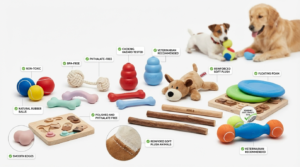
To minimize your dog’s exposure, start by replacing synthetic dog beds, blankets, and clothing with alternatives made from natural fibers like organic cotton, hemp, or wool. These materials are biodegradable and do not shed plastic microfibers. Additionally, choose toys made from natural rubber, untreated wood, or upcycled fabrics instead of conventional plastic. These options are not only safer for your pet but also gentler on the planet. Opt for stainless steel or ceramic food and water bowls over plastic ones, as plastic bowls can leach chemicals and degrade over time, releasing microplastic particles into your dog’s food and water. For more ideas on sustainable choices, explore our Green Dog Shop.
Beyond Products: Minimizing Microplastic Exposure in Your Home
While choosing eco-friendly pet products is paramount, household practices also play a significant role in reducing microplastic exposure. Regularly vacuuming and dusting your home can significantly reduce airborne microplastic fibers originating from carpets, upholstery, and even your own clothing. Moreover, consider using a high-quality air purifier with a HEPA filter to capture airborne particles. When washing pet bedding or your own clothes, use a laundry bag designed to capture microfibers or consider installing a filter on your washing machine. These small changes, combined with a mindful selection of microplastics pet products, create a much safer environment for your beloved companion.
The Role of Pet Food and Packaging
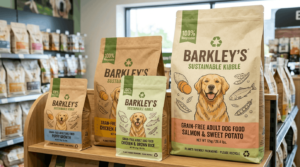
The issue of microplastics extends to what’s inside your dog’s bowl. Some studies have found microplastic contamination in pet food itself, likely from environmental sources or during processing. Furthermore, pet food packaging is a major contributor to plastic waste. Many conventional pet food bags are made from multi-layered plastics that are difficult to recycle. Therefore, selecting brands that use recyclable, compostable, or minimal packaging is a vital step. Look for brands that offer kibble in paper bags, wet food in recyclable cans, or even consider making your own dog treats at home to control ingredients and packaging. This mindful approach to pet food helps reduce the overall burden of microplastics pet products.
Supporting Brands Committed to Sustainability
As consumers, our choices have power. By actively seeking out and supporting brands that prioritize sustainability and transparency, we encourage a shift towards a greener pet industry. Look for certifications that indicate environmentally responsible manufacturing processes and materials. Many forward-thinking companies are innovating with plant-based plastics, recycled materials, or entirely plastic-free alternatives for their products and packaging. Engaging with brands that align with your values not only benefits your pet but also contributes to a larger movement for environmental responsibility. For inspiration, visit our main Eco Dog Shop to discover a range of thoughtfully curated products.
Educating Yourself and Others
Knowledge is empowerment. The more pet owners understand about the pervasive nature of microplastics and their potential effects, the more collective action can be taken. Share information with friends, family, and other pet parents. Discuss your concerns with your veterinarian. Read up on the latest research and stay informed about new sustainable solutions. Resources like our Blog Hub provide ongoing insights into eco-friendly pet care. Every conversation and every informed choice helps to raise awareness and drive demand for safer, more sustainable options. This collective effort is crucial in addressing the challenge of microplastics pet products.
The Broader Environmental Impact
Beyond direct pet health, the reduction of microplastics from pet products has a significant positive impact on the environment. When microplastics are washed down drains or discarded, they enter waterways and ultimately oceans, harming marine life and ecosystems. By choosing natural and biodegradable alternatives, you are directly reducing your household’s contribution to plastic pollution. This aligns perfectly with the mission of Eco Friendly Dog Products: fostering a healthier future for both pets and the planet. Our commitment extends to promoting a Zero Waste Pet Lifestyle, which naturally minimizes microplastic generation. This holistic approach ensures that our beloved companions thrive in a cleaner world.
A Call to Action for Pet Parents
Protecting your dog from the hidden dangers of microplastics pet products is a vital step in comprehensive pet care. It represents a commitment to their long-term health and well-being. By choosing natural, durable, and responsibly made alternatives, you contribute to both your dog’s health and a cleaner, safer planet. It’s about making conscious decisions that reflect our love for our pets and our respect for the environment. Let’s work together to create a world where our dogs can play, eat, and sleep without the silent threat of plastic pollution. For further reading on the broader impact of plastics, consider resources like the National Geographic’s articles on plastic pollution or research from reputable scientific journals such as those found on ScienceDirect regarding microplastics. These resources offer deeper insights into the global challenge we face.
FAQ Section
What are microplastics and why are they a concern for pets?
Microplastics are tiny plastic particles, less than 5 millimeters in size. They are a concern because pets can ingest them through food, water, or by chewing on plastic items. These particles can accumulate in tissues and potentially carry harmful chemicals, posing risks to pet health.
Which common pet items are sources of plastic particles?
Many everyday pet items can release plastic particles. This includes synthetic dog beds, blankets, and clothing made from materials like polyester. Plastic toys, certain grooming products, and even some pet food packaging are also significant contributors.
How can I reduce my dog’s exposure to plastic contaminants?
You can significantly reduce your dog’s exposure by choosing natural alternatives. Opt for organic cotton, hemp, or wool bedding. Select toys made from natural rubber or untreated wood. Use stainless steel or ceramic food bowls, and look for pet food with minimal or recyclable packaging.
Are there health studies on the effects of plastic particles on animals?
While specific long-term studies on dogs are ongoing, research in other animal species indicates potential health issues. These include inflammation, digestive problems, and endocrine system disruption. The chemicals associated with plastics can also interfere with hormone function.
What are some sustainable alternatives to conventional pet supplies?
Sustainable alternatives include beds and blankets made from natural fibers, toys from natural rubber or wood, and stainless steel or ceramic bowls. Additionally, choose pet food brands that prioritize recyclable or compostable packaging to further reduce your pet’s exposure to plastic products.