
Many pet owners today want healthier products for their dogs, yet local stores often carry limited selections. Smaller towns and rural communities may only stock mass-produced treats filled with preservatives, artificial flavoring, and low-quality fillers. Because of this, many owners now search online and through specialty suppliers to find better products for their pets. The growing popularity of organic dog treats reflects a broader interest in healthier ingredients, cleaner manufacturing, and more sustainable pet care choices.
As awareness around pet nutrition grows, consumers increasingly question what goes into commercial snacks and whether those products truly support long-term canine health. Organic alternatives appeal to owners who want simpler ingredient lists and fewer synthetic additives.
However, finding trustworthy products requires more than simply typing a quick search online. Many stores market products as natural or healthy without offering genuine organic certification or responsible sourcing practices. Understanding where to shop and what to look for helps owners avoid misleading claims while choosing better products for their dogs.
Why Organic Options Continue Growing in Popularity
Pet nutrition has changed dramatically over the last decade. Many owners now treat dogs like family members and pay closer attention to ingredient quality than ever before.
Organic dog treats attract attention because they often contain recognizable ingredients without artificial coloring, chemical preservatives, or excessive fillers.
Additionally, some dogs with food sensitivities respond better to cleaner ingredient formulas.
Consumers also appreciate that many organic products focus on responsible farming practices and environmentally conscious production methods.
Although not every organic product guarantees superior quality, certified organic standards often encourage better transparency throughout manufacturing and sourcing processes.
Local Stores Often Have Limited Selection
Traditional grocery stores usually prioritize high-volume pet products rather than specialized organic items.
Even large chain retailers may carry only a few organic dog treats compared to heavily processed alternatives dominating shelf space.
Smaller communities face even greater limitations because specialty pet demand remains lower in those areas.
As a result, many owners feel frustrated when trying to locate healthier products consistently nearby.
Fortunately, modern shopping options make it much easier to access broader selections regardless of geographic location.
Online Pet Retailers Offer More Variety
One of the easiest ways to find organic dog treats involves shopping through dedicated online pet retailers.
Online marketplaces often carry hundreds of brands featuring different proteins, ingredient formulas, certifications, and dietary options.
Consumers can compare ingredients, read reviews, and evaluate company transparency more easily than in physical stores.
Additionally, subscription services sometimes reduce costs while ensuring consistent product availability.
Shopping online also allows owners to explore smaller independent brands unavailable through major retail chains.
Brand Websites Often Provide Direct Purchasing
Many premium pet companies now sell directly through their official websites.
Purchasing organic dog treats directly from manufacturers sometimes offers fresher inventory, exclusive products, and clearer ingredient information.
Direct purchasing may also provide loyalty programs, educational resources, and subscription discounts unavailable through third-party sellers.
Additionally, reputable brands often explain sourcing practices, ingredient origins, and certification standards more transparently on their own platforms.
Farmers Markets and Local Producers Can Help
In some regions, local farmers markets feature homemade or locally produced pet snacks using organic ingredients.
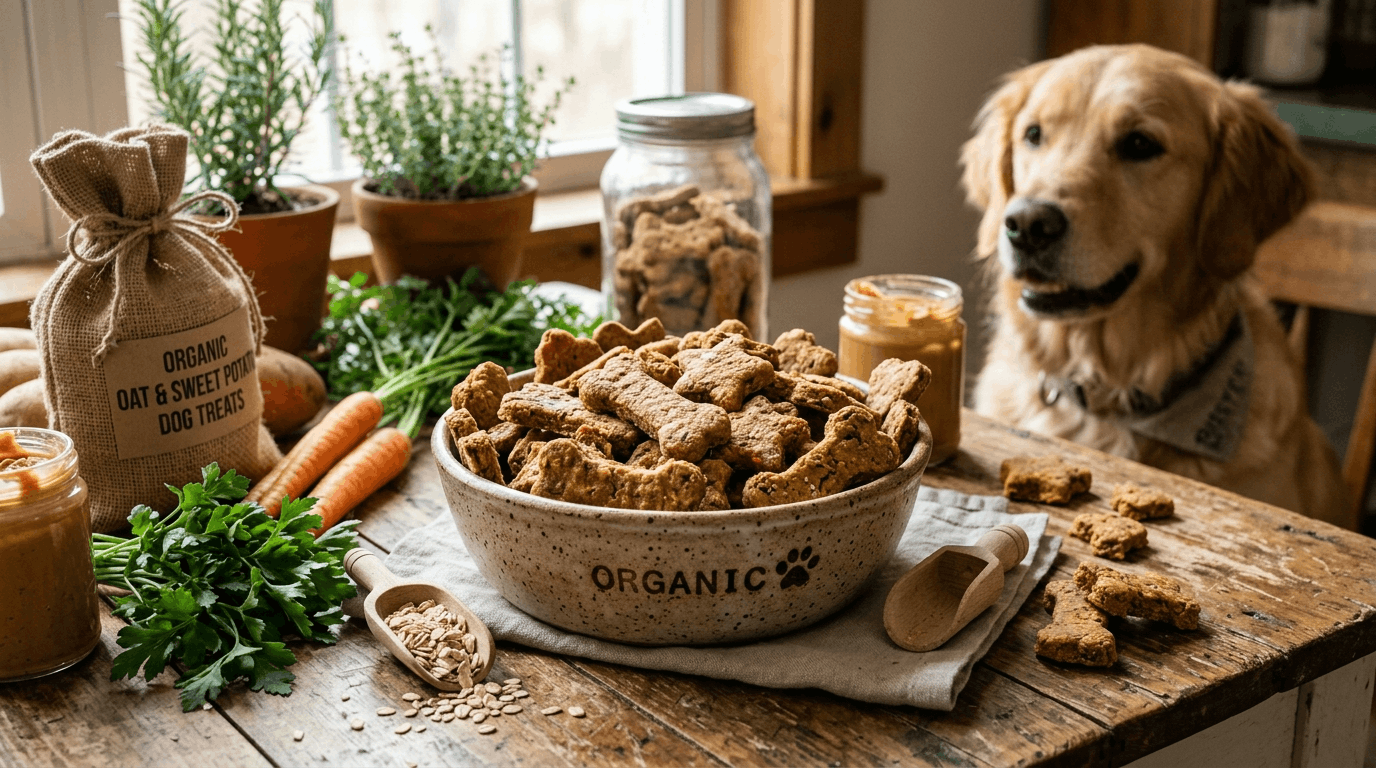
These smaller vendors may offer fresh organic dog treats made with limited ingredients and minimal processing.
Buying locally can also reduce transportation emissions while supporting regional agriculture and small businesses.
However, owners should still verify ingredient safety and production standards carefully before purchasing homemade products.
Independent Pet Boutiques Carry Unique Products
Smaller independent pet stores often prioritize specialty nutrition and wellness products more than large chain retailers.
These shops frequently stock organic dog treats from niche companies focused on ingredient quality and sustainability.
Employees at specialty pet boutiques may also provide more detailed guidance regarding dietary sensitivities, ingredient sourcing, and feeding recommendations.
Although prices sometimes run higher, product quality and selection often improve significantly.
Subscription Boxes Introduce New Options
Pet subscription services have become increasingly popular over the past several years.
Some companies specialize specifically in organic dog treats and rotating healthy snack selections.
These services help owners discover new brands without constantly searching multiple stores individually.
Additionally, subscription programs may include seasonal items, limited-edition products, or smaller independent brands not widely distributed elsewhere.
Reading Labels Remains Extremely Important
Not every product marketed as healthy or natural truly qualifies as organic.
Consumers should examine certification labels, ingredient sourcing, and manufacturing information carefully before buying organic dog treats.
Products carrying USDA Organic certification or equivalent regional standards generally follow stricter ingredient requirements.
Owners should also avoid treats containing excessive fillers, artificial dyes, synthetic preservatives, or vague ingredient terminology.
Shipping Costs Can Affect Buying Decisions
Online shopping offers convenience, but shipping expenses sometimes increase overall costs substantially.
Heavy bulk purchases or frozen organic dog treats may involve higher transportation fees.
However, many retailers provide free shipping thresholds, subscription discounts, or bundled savings options.
Planning purchases strategically may help owners reduce long-term expenses while maintaining consistent access to healthier products.
Bulk Purchasing Helps Frequent Buyers
Owners using treats regularly for training or enrichment activities often benefit from larger package sizes.
Buying organic dog treats in bulk may reduce packaging waste while lowering cost per serving.
However, freshness still matters greatly. Products lacking artificial preservatives sometimes spoil faster than heavily processed alternatives.
Proper storage containers help maintain freshness and reduce unnecessary food waste.
Ingredient Transparency Builds Consumer Trust
Responsible brands increasingly recognize that modern consumers want detailed product information.
Companies selling organic dog treats often publish sourcing details, manufacturing practices, and ingredient explanations directly online.
Transparent brands usually explain where proteins come from, how ingredients are processed, and what sustainability standards guide production.
This openness allows consumers to make more informed purchasing decisions confidently.
Social Media Helps Discover Smaller Brands
Social platforms now influence pet product discovery significantly.
Many smaller businesses promoting organic dog treats rely heavily on Instagram, TikTok, Facebook, and pet influencer partnerships to reach customers.
Following veterinarians, pet nutrition experts, or trusted pet communities online may help owners discover reputable companies unavailable through mainstream retailers.
However, social media popularity should never replace proper ingredient research and product evaluation.
International Shopping Expands Product Access
Some consumers now purchase specialty treats internationally when local markets offer limited organic options.
International suppliers sometimes carry unique organic dog treats unavailable domestically.
However, buyers should still verify import regulations, ingredient safety standards, and shipping reliability before ordering products from overseas companies.
Long shipping times may also affect freshness and overall cost.
Veterinary Clinics Sometimes Carry Premium Treats
Certain veterinary offices now stock healthier treat alternatives alongside prescription diets and wellness products.
Although selection remains smaller than online marketplaces, veterinary clinics occasionally recommend organic dog treats for pets with dietary sensitivities or special nutritional needs.
Veterinary guidance can help owners choose products matching specific health concerns more safely.
Food Allergies Increase Demand for Cleaner Ingredients
Many dogs experience food sensitivities linked to artificial additives or common protein sources.
Organic dog treats featuring limited ingredients may help owners identify dietary triggers more effectively.
Simpler recipes often eliminate unnecessary fillers and heavily processed components contributing to digestive discomfort in sensitive dogs.
Because of this, allergy-conscious consumers frequently prioritize organic or minimally processed options.
Sustainable Packaging Is Becoming More Important
Modern consumers increasingly care about environmental impact alongside nutrition quality.
Some companies producing organic dog treats now use recyclable packaging, compostable materials, or reduced plastic designs to support sustainability goals.
Environmentally conscious shoppers may prefer brands balancing nutritional quality with responsible packaging decisions.
However, packaging innovations still vary widely throughout the pet industry.
Customer Reviews Provide Helpful Insights
Reading verified customer feedback often helps identify trustworthy products and reliable retailers.
Owners frequently share information about ingredient quality, freshness, packaging durability, shipping speed, and canine reactions to specific organic dog treats.
Although individual experiences vary, consistent positive feedback often signals better product reliability overall.
Price Differences Reflect Several Factors
Organic products generally cost more than mass-produced alternatives for several reasons.
Higher ingredient standards, smaller production batches, certification requirements, and sustainable sourcing practices all increase manufacturing costs.
However, many owners believe organic dog treats justify higher prices because they align better with long-term health goals and ethical purchasing preferences.
Consumers should focus on ingredient quality rather than simply choosing the cheapest available option.
Building a Reliable Shopping Routine Helps
Owners frustrated by inconsistent local inventory often benefit from establishing dependable purchasing routines online.
Saving favorite retailers, comparing subscription options, and monitoring seasonal discounts can simplify regular purchasing considerably.
Reliable access to organic dog treats becomes much easier when owners plan ahead instead of relying entirely on unpredictable local store inventory.
Choosing Quality Over Marketing Claims
Ultimately, finding better pet products requires thoughtful research rather than trusting advertising alone.
Some companies market products aggressively without offering meaningful nutritional advantages or authentic organic certification.
Responsible consumers should prioritize ingredient transparency, sourcing practices, manufacturing quality, and independent certifications when evaluating organic dog treats.
The best products combine nutritional value, responsible sourcing, clear labeling, and reliable quality standards consistently.
As consumer demand continues growing, more companies will likely expand healthier product lines and improve accessibility nationwide. Even owners living far from specialty pet stores can now access excellent options through online retailers, subscription programs, local producers, and transparent independent brands. With careful research and informed shopping habits, finding better treats for dogs has become easier than ever before.
FAQ
1. Are online pet stores reliable for healthy treats?
Many reputable online retailers offer certified products, ingredient transparency, and customer reviews that support informed buying decisions.
2. How can I verify if treats are truly organic?
Look for recognized organic certifications and detailed ingredient sourcing information on packaging or company websites.
3. Do specialty pet boutiques offer better quality products?
Independent pet stores often carry smaller premium brands focused on ingredient quality and cleaner formulations.
4. Can organic snacks help sensitive dogs?
Some dogs respond better to simpler ingredient recipes with fewer artificial additives and preservatives.
5. Are subscription treat services worth trying?
Subscription programs can provide convenience, product variety, and regular access to healthier pet snack options.