
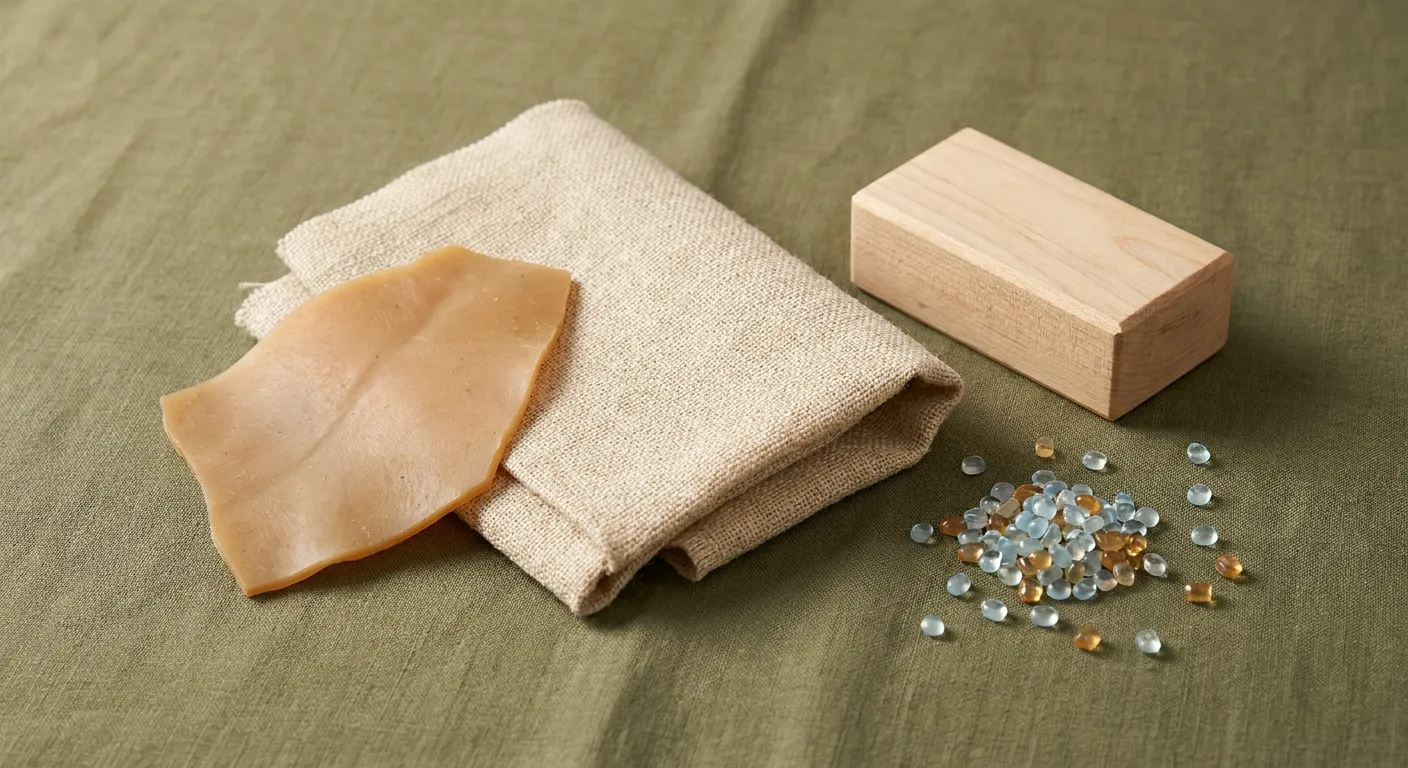

The pet industry is undergoing a profound transformation, driven by an increasing consumer desire for sustainability. As the broader sustainable pet products market, valued at USD 35.1 billion in 2024, continues its projected growth at a CAGR of 7.6% between 2025 and 2034, understanding the materials that define truly eco-conscious choices becomes paramount. For dog owners who prioritize environmental well-being alongside their pets’, knowing what goes into their products is key. This article delves into the innovative and responsible sustainable pet product materials shaping the future of pet care.
The Material Shift: Why it Matters for Sustainable Pet Product Materials
With pet spending climbing to $158 billion in the U.S. in 2025, and projected to hit $165 billion in 2026, owners are clearly willing to invest in their companions. This investment increasingly includes products that align with personal values, especially environmental responsibility. Millennials and Gen Z, in particular, are fueling this demand, with approximately 67% actively seeking eco-certified or sustainably packaged items. This generational influence is pushing manufacturers to move ‘beyond plastic’ and embrace materials that minimize ecological impact. Therefore, choosing products made from green pet product components is a significant step.
The environmental footprint of conventional pet products is substantial. Many items, from toys to food packaging, rely heavily on virgin plastics, which contribute to landfill waste and ocean pollution. Furthermore, the production of these plastics often involves significant energy consumption and greenhouse gas emissions. Consequently, a shift towards more earth-kind dog materials is not just a trend; it’s a necessity for fostering a healthier planet. Pet owners now have the power to influence this change through their purchasing decisions, opting for items crafted from planet-friendly pet product materials.
Key Sustainable Pet Product Materials to Look For
Let’s explore the materials that are making a difference in the sustainable pet products landscape:
- Natural Fibers (Hemp, Organic Cotton, Jute): For items like beds, collars, leashes, and apparel, natural fibers offer breathability, durability, and biodegradability. Hemp is particularly notable for its minimal water and pesticide requirements during cultivation. The sustainable pet beds market, valued at $2.5 billion in 2025, increasingly utilizes these fibers, offering comfortable and eco-conscious resting solutions. Organic cotton, similarly, avoids harmful chemicals and supports healthier ecosystems. Jute, a strong and versatile fiber, also provides an excellent sustainable alternative for various pet accessories.
- Recycled Content (rPET, Ocean-Bound Plastic): The innovation in using recycled materials is a cornerstone of sustainable pet products. Recycled PET (rPET), derived from plastic bottles and other post-consumer waste, is being transformed into durable fabrics for beds, toys, and accessories. The global rPET market reached US$ 11.92 billion in 2025, signifying its widespread adoption. Companies like West Paw are even using 100% certified ocean-bound plastic, directly addressing plastic pollution. This approach diverts waste from landfills and oceans, giving it a new life.
- Untreated, Sustainably Sourced Wood: For durable chew toys or bowls, untreated wood from sustainably managed forests is an excellent choice. It’s biodegradable and avoids the chemicals often found in plastic alternatives. Always check for certifications like FSC (Forest Stewardship Council). This ensures the wood comes from responsibly managed forests, promoting biodiversity and preventing deforestation.
- Natural Rubber: A versatile material for toys, bowls, and even grooming tools, natural rubber is biodegradable and derived from rubber trees. Ensure it’s pure, food-grade natural rubber, free from synthetic fillers or harmful chemicals. This natural elasticity makes it perfect for durable, yet safe, chew toys.
- Bioplastics (with caution): Bioplastics, derived from renewable biomass sources like corn starch or sugarcane, offer an alternative to traditional fossil-fuel plastics. However, their sustainability varies greatly. Some require industrial composting facilities, which are not widely available, while others may not biodegrade as readily as consumers might assume. Therefore, it’s crucial to look for clear labeling and certifications when considering bioplastic pet products.
Understanding Certifications and Labels for Sustainable Pet Product Materials
Navigating the world of eco-friendly pet products can be complex. Fortunately, various certifications and labels help consumers make informed choices. For instance, the Global Organic Textile Standard (GOTS) ensures that organic cotton and other natural fibers meet strict environmental and social criteria throughout their processing. Similarly, the Forest Stewardship Council (FSC) certification guarantees that wood and paper products come from responsibly managed forests. Understanding these labels is vital for identifying truly sustainable pet product materials.
Furthermore, some brands develop their own internal sustainability standards, which, while not third-party certified, can still indicate a strong commitment to environmental responsibility. It’s always beneficial to research a brand’s specific practices and material sourcing. Transparency in manufacturing processes is a hallmark of brands genuinely committed to offering green pet product components. This proactive approach helps consumers distinguish between genuine efforts and ‘greenwashing.’
The Importance of Durability and Longevity in Sustainable Pet Product Materials
While material composition is crucial, the longevity of a product also plays a significant role in its overall sustainability. A product made from recycled materials but designed to break quickly will still contribute to waste. Conversely, a durable item, even if not made from the ‘greenest’ materials, can be more sustainable in the long run if it reduces the need for frequent replacements. Therefore, when evaluating eco-friendly pet supplies, consider both the materials used and the product’s expected lifespan. Investing in high-quality, long-lasting items minimizes waste and saves resources.
For example, a high-quality stainless steel bowl, while energy-intensive to produce, can last a lifetime, replacing countless plastic alternatives. Similarly, a well-made collar from organic hemp, designed for durability, will outperform several cheaper, less robust options. Durability is a key aspect of true environmental sound pet materials. It encourages a ‘buy once, buy well’ philosophy, which aligns perfectly with sustainable living principles. This mindset extends beyond initial purchase, promoting repair over replacement.
Innovative Approaches to Sustainable Pet Product Materials
The innovation in sustainable pet product materials extends beyond traditional options. Researchers and manufacturers are constantly exploring new ways to create eco-friendly products. For instance, some companies are experimenting with materials derived from agricultural waste, turning what would otherwise be discarded into valuable resources. Others are developing advanced composites that combine natural fibers with recycled plastics to create strong, lightweight, and sustainable alternatives. These cutting-edge advancements are truly pushing the boundaries of what is possible in the pet industry.
Another exciting area is the use of mushroom mycelium, the root structure of fungi, to create packaging and even some pet accessories. This material is entirely biodegradable and can be grown with minimal resources. Similarly, cork, a renewable resource harvested from cork oak trees without harming the tree, is finding its way into sustainable pet product designs, offering a lightweight and water-resistant option. These innovative green pet product components demonstrate a forward-thinking approach to environmental stewardship.
Recycling and End-of-Life Solutions for Sustainable Pet Products
Even the most sustainably sourced materials eventually reach the end of their useful life. Therefore, considering the recyclability or biodegradability of pet products is essential. Many companies are now designing products with their end-of-life in mind, making them easier to recycle or compost. For example, some pet food packaging is now designed to be fully recyclable through standard curbside programs. Others offer take-back programs for their products, ensuring proper disposal or recycling. This commitment to circularity is a vital component of true sustainability.
When purchasing pet products, look for clear instructions on how to dispose of them responsibly. If a product is compostable, ensure you have access to appropriate composting facilities. If it’s recyclable, verify that your local recycling program accepts that specific material. By actively participating in the end-of-life process, pet owners can further minimize their environmental impact. This holistic approach, from sourcing to disposal, defines the future of eco-friendly pet supplies. Consequently, choosing products with clear end-of-life solutions supports a more circular economy.
The Role of Packaging in Sustainable Pet Product Materials
Beyond the product itself, packaging plays a significant role in the overall environmental impact of pet supplies. Traditionally, pet product packaging has relied heavily on single-use plastics. However, a growing number of brands are adopting more sustainable packaging solutions. These include recycled cardboard, compostable pouches, and even innovative designs that minimize material usage. For example, some pet food brands are using bags made from plant-based materials that can be composted at home. Therefore, examining the packaging is just as important as scrutinizing the product’s green pet product components.
Moreover, some companies are exploring refillable packaging systems, allowing consumers to purchase products in bulk and reuse containers. This approach significantly reduces packaging waste over time. When you receive a package from an online retailer, consider if the void fill is recyclable or compostable, such as paper or cornstarch peanuts, rather than traditional styrofoam. This attention to detail across the entire supply chain underscores a brand’s commitment to planet-friendly pet product materials. The shift towards minimal and reusable packaging is a clear indicator of a brand’s dedication to sustainability.
Making Informed Choices for a Healthier Planet and Pet
Choosing sustainable pet product materials is a powerful way for dog owners to align their values with their purchasing decisions. By opting for products made from natural fibers, recycled content, sustainably sourced wood, and pure natural rubber, you contribute to a healthier planet. Furthermore, supporting brands that prioritize durability, responsible manufacturing, and innovative end-of-life solutions reinforces a positive cycle of environmental stewardship. Your choices truly make a difference, fostering a healthier future for both your beloved companion and the world we share.
Remember to look for certifications, research brand practices, and consider the entire lifecycle of a product. Every conscious decision, from a new collar to a bag of treats, adds up to a greater collective impact. Eco Friendly Dog Products is dedicated to providing you with a curated selection of sustainable, safe, and green pet supplies. We believe that caring for your pet should never come at the expense of the environment. Consequently, we carefully vet all our offerings to ensure they meet the highest standards of eco-friendliness. Learn more about FSC certification here.
Ultimately, the journey towards a more sustainable pet industry is a collaborative effort. Pet owners, manufacturers, and retailers all play a vital role. By demanding better, more environmentally sound pet materials, consumers drive innovation and encourage wider adoption of sustainable practices. This collective action ensures that future generations of pets and people can thrive in a cleaner, greener world. Explore the Global Organic Textile Standard (GOTS) for textile insights.
FAQ
What are some common eco-friendly pet product components?
Common eco-friendly pet product components include natural fibers like hemp, organic cotton, and jute. Additionally, recycled materials such as rPET and ocean-bound plastic are popular. Sustainably sourced wood and pure natural rubber are also excellent choices for various pet items, offering both safety and environmental benefits.
Why is it important to choose planet-friendly pet product materials?
Choosing planet-friendly pet product materials helps reduce environmental impact by minimizing landfill waste, plastic pollution, and the consumption of virgin resources. It also supports healthier ecosystems by avoiding harmful chemicals often found in conventional products, ensuring a safer environment for pets and people.
How can I identify genuinely green pet product components?
To identify genuinely green pet product components, look for third-party certifications like FSC for wood, GOTS for textiles, and specific labels for recycled content. Research the brand’s transparency regarding sourcing and manufacturing processes. Also, consider the product’s durability and end-of-life options, like recyclability or biodegradability.
Are bioplastics always a better alternative for pet products?
Bioplastics can be a better alternative, but it depends on their specific type and disposal requirements. Some bioplastics require industrial composting facilities, which are not widely available. Always check for clear labeling and certifications to understand how a specific bioplastic product should be disposed of to ensure its environmental benefits are realized.
What role does product durability play in sustainable pet supplies?
Product durability is crucial for sustainable pet supplies because long-lasting items reduce the need for frequent replacements, thereby minimizing waste and resource consumption. Even if a product isn’t made from the ‘greenest’ materials, its extended lifespan can make it more sustainable than a rapidly disposable item made from seemingly eco-friendly components.
Explore more: More from Eco Friendly Dog Products