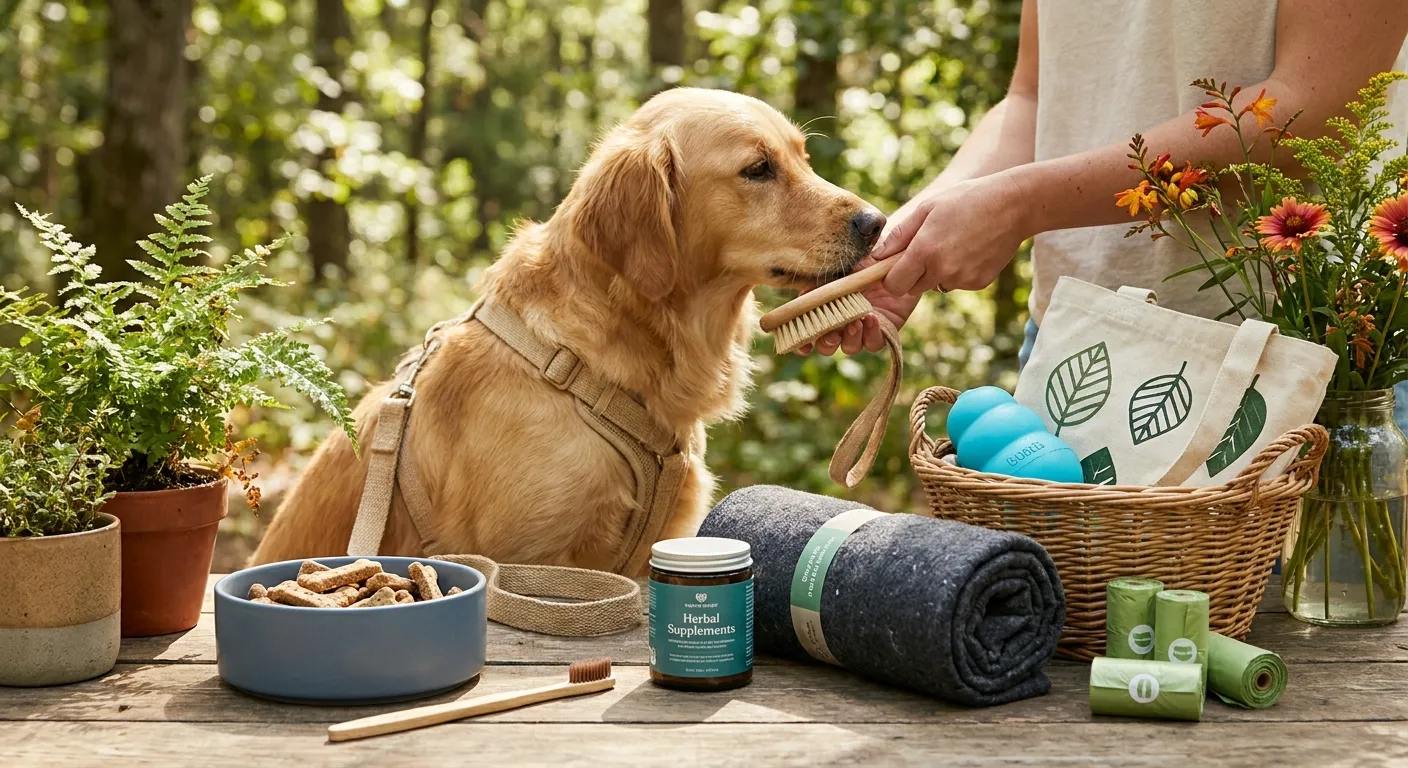

Caring for our dogs extends far beyond providing food and shelter; it’s about nurturing their entire well-being – physical, mental, and emotional. When we layer this with a deep commitment to environmental responsibility, we arrive at holistic planet-friendly pet care. This approach considers every aspect of your dog’s life, from what they eat to where their waste goes, ensuring choices benefit both your beloved companion and the health of our shared planet. This guide will walk you through integrating this comprehensive philosophy into your daily routine.
1. Sustainable Nutrition: Fueling Health, Minimizing Footprint
Your dog’s diet is foundational to their health and a significant area for sustainable impact. Holistic planet-friendly pet care emphasizes:
- Ethically Sourced Ingredients: Look for foods with humanely raised, free-range, or wild-caught proteins. Prioritize brands that are transparent about their supply chain and animal welfare practices.
- Plant-Based or Insect-Based Options: Explore nutritionally complete vegan or insect-protein diets. These often have a significantly lower environmental footprint than traditional meat-based foods.
- Minimally Processed and Whole Foods: Opt for foods with recognizable ingredients, free from artificial additives, fillers, and excessive processing. Consider adding fresh, dog-safe fruits and vegetables.
- Eco-Friendly Packaging: Choose brands that use recyclable, compostable, or biodegradable packaging, or buy in bulk to reduce waste.
2. Mindful Play and Enrichment: Toys That Last and Don’t Harm
Play is vital for a dog’s mental and physical stimulation. Make sustainable choices for their toys and enrichment activities:
- Durable, Non-Toxic Materials: Invest in toys made from natural rubber, organic cotton, hemp, or recycled materials. Avoid plastics that easily break into small, ingestible pieces or contain harmful chemicals.
- Longevity Over Quantity: Choose high-quality, long-lasting toys that can withstand rigorous play, reducing the need for frequent replacements.
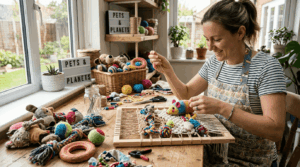
- DIY and Upcycled Toys: Get creative! Old t-shirts can become braided tug toys, and cardboard boxes can be puzzle feeders. Ensure any homemade toys are safe and free from choking hazards.
- Natural Enrichment: Prioritize walks in nature, scent work in the garden, or visits to dog-friendly parks over excessive reliance on manufactured toys.
3. Green Grooming: Clean Dog, Clean Water
What goes down the drain matters. Sustainable grooming practices protect aquatic ecosystems:
- Natural, Biodegradable Shampoos and Conditioners: Select products made with plant-derived ingredients that are free from parabens, sulfates, artificial fragrances, and dyes. Ensure they are biodegradable.
- Water Conservation: Use lukewarm water, turn off the tap during lathering, and consider a water-saving showerhead. Additionally, brush your dog regularly to reduce the need for frequent baths.
4. Waste Management: Responsible Disposal
Dog waste is a significant environmental concern if not managed correctly. Therefore, responsible disposal is a cornerstone of holistic planet-friendly pet care.
- Compostable Waste Bags: Opt for bags made from plant-based materials that break down naturally. Many cities also offer pet waste composting programs.
- Flushable Waste: In some areas, flushing dog waste (without the bag) is an option, as it enters the wastewater treatment system. Always check local regulations first.
- Designated Pet Waste Stations: Utilize public pet waste stations that often use specialized disposal methods. Consequently, this helps keep parks and public spaces clean.
5. Health & Wellness: Preventative and Natural Approaches
A proactive approach to health minimizes interventions and their associated environmental impact. This is a key aspect of holistic planet-friendly pet care.
- Holistic Veterinary Care: Explore veterinarians who integrate conventional medicine with complementary therapies like acupuncture, chiropractic care, or herbal remedies. This comprehensive view often leads to fewer medications and more natural healing.
- Preventative Care: Maintain regular vet check-ups, ensure a balanced diet, and provide plenty of exercise. These actions can prevent serious health issues, reducing the need for intensive treatments.
- Natural Pest Control: Consider natural flea and tick repellents such as essential oil blends (used safely and diluted) or diatomaceous earth, rather than chemical-heavy alternatives. Consult your vet before using any new product.
6. Mindful Home Environment: A Sanctuary for Pet and Planet
Your home environment significantly impacts your dog’s health and the planet. Therefore, making conscious choices here is crucial for holistic pet care that is also kind to the earth.
- Non-Toxic Cleaning Products: Use cleaners free from harsh chemicals that can harm your pet and pollute indoor air. Look for eco-certified products or make your own with vinegar and baking soda.
- Sustainable Bedding: Choose dog beds made from organic cotton, hemp, or recycled materials. Furthermore, consider washable covers to extend their lifespan and reduce waste.
- Air Quality: Ensure good ventilation and consider pet-safe air purifiers. Plants can also help improve air quality, but research which ones are safe for dogs.
7. Conscious Consumption: Reducing, Reusing, Recycling
Every purchase decision has an impact. Consequently, adopting a
Explore more: More from Eco Friendly Dog Products