
Sustainable pet protein is quickly becoming a major focus in the evolution of modern pet nutrition. As more pet owners become aware of environmental challenges, the demand for better sourcing and cleaner ingredients continues to rise. Therefore, sustainable pet protein is not just a niche idea anymore, but a global movement aimed at improving how pet food is produced, distributed, and consumed.
Across the world, industries are shifting away from resource-heavy systems and exploring more efficient alternatives. This shift supports both environmental protection and better health outcomes for pets. As a result, sustainable pet protein is helping reshape the future of pet care in a way that balances quality nutrition with responsible practices.
Why The World Is Rethinking Pet Food Systems
The rapid growth of pet ownership has placed increased pressure on food production systems. Traditional protein sources often require large amounts of water, land, and energy. Because of this, global attention has turned toward more efficient methods of production.
Sustainable pet protein offers a solution by focusing on reducing waste and improving resource use. Many organizations now recognize that change is necessary to meet future demand. At the same time, consumers are becoming more conscious of their choices, which further drives innovation.
In many regions, discussions about sustainability now include pet food as part of the bigger picture. This awareness continues to push industries toward more responsible systems that benefit both pets and the planet.
Innovations Driving Better Protein Alternatives
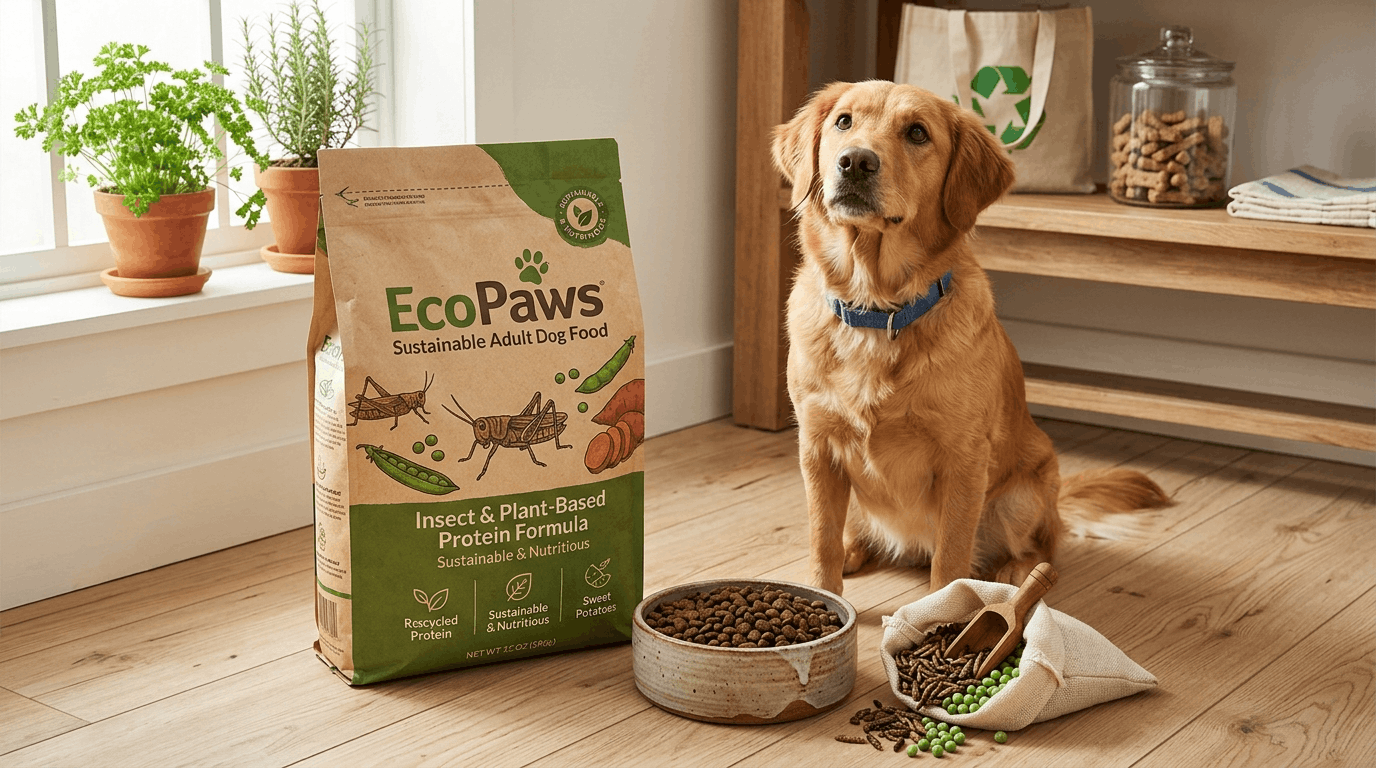
One of the most exciting aspects of this movement is innovation. New protein sources are being developed to reduce environmental impact while maintaining strong nutritional value. For example, insect-based protein has gained attention for its efficiency and high digestibility.
Plant-based blends are also improving. When carefully formulated, they provide balanced nutrition without relying heavily on traditional meat production. Additionally, lab-grown proteins are being explored as a future option, although they are still developing.
These innovations support sustainable pet protein by offering alternatives that use fewer resources. As technology improves, these options will likely become more accessible and widely accepted.
How Policy And Regulation Support Progress
Governments around the world are beginning to support sustainable pet protein through regulations and incentives. Some countries encourage responsible sourcing by offering benefits to companies that adopt better practices. Others set guidelines for reducing waste and emissions.
These policies create a framework that supports long-term change. By establishing standards, governments help ensure that products meet both environmental and nutritional requirements. This also increases consumer trust.
Public awareness campaigns further support these efforts. As more people understand the benefits of sustainable pet protein, demand continues to grow. This cycle of awareness and action drives progress across the industry.
Industry Leaders Embracing Responsible Practices
Pet food companies are playing a key role in advancing sustainable pet protein. Many brands are investing in research and development to improve sourcing and production methods. Transparency has also become a priority, allowing consumers to make informed choices.
Some companies are focusing on reducing waste by using by-products effectively. Others are redesigning packaging to minimize environmental impact. These combined efforts show a strong commitment to sustainability.
As competition increases, more brands are adopting similar practices. This shift helps establish new industry standards that prioritize both quality and responsibility.
Reducing Waste Through Smarter Production Methods
One of the main goals of sustainable pet protein is to reduce waste throughout the production process. Traditional systems often produce excess materials that are discarded. However, modern approaches aim to use resources more efficiently.
For example, by-products from human food production can be safely processed into pet food. This reduces waste while providing valuable nutrients. Improved logistics also help minimize spoilage during transportation.
These strategies ensure that fewer resources are wasted. Over time, this leads to a more efficient system that benefits both the environment and the pet food industry.
The Role Of Consumer Awareness And Demand
Consumer behavior has a powerful impact on industry trends. As more pet owners choose sustainable options, companies are encouraged to adapt. This demand plays a critical role in the growth of sustainable pet protein.
Education is key. When consumers understand the environmental impact of their choices, they are more likely to seek better alternatives. This awareness helps drive innovation and improve product availability.
Additionally, social influence spreads these ideas further. As people share their experiences, others are inspired to make similar changes. This collective effort strengthens the movement toward sustainability.
Challenges Slowing Global Adoption
Despite progress, several challenges still affect the expansion of sustainable pet protein. Cost remains a major factor, as newer technologies and ingredients can be more expensive to produce. This can limit accessibility for some consumers.
Infrastructure is another issue. Not all regions have the resources needed to support advanced production methods. As a result, availability may vary depending on location.
However, ongoing research and investment continue to address these challenges. As production scales and technology improves, costs are expected to decrease. This will make sustainable pet protein more widely available.
Collaboration Between Science And Industry
Progress in sustainable pet protein relies heavily on collaboration. Researchers, companies, and policymakers work together to develop and implement new solutions. This partnership ensures that innovations are both effective and practical.
Scientific research helps identify new protein sources and improve existing ones. Meanwhile, companies bring these discoveries to market. This collaboration accelerates progress and ensures high standards.
By sharing knowledge and resources, stakeholders can overcome challenges more efficiently. This teamwork is essential for long-term success in sustainable pet nutrition.
Environmental Benefits Of Better Protein Choices
The environmental benefits of sustainable pet protein are significant. Reduced resource use helps conserve water and land. Lower emissions contribute to climate change mitigation.
Additionally, improved waste management reduces pollution. By using resources more efficiently, the industry can minimize its impact on ecosystems. This creates a more balanced relationship between production and the environment.
Over time, these benefits accumulate. As adoption increases, the positive impact becomes more noticeable on a global scale.
Looking Ahead At The Future Of Pet Nutrition
The future of pet nutrition is closely tied to sustainability. As awareness grows, sustainable pet protein will likely become a standard rather than an alternative. Continued innovation will expand options and improve accessibility.
New technologies will play a key role in this transformation. From advanced protein production to improved packaging, the industry is evolving rapidly. These developments offer promising solutions for long-term challenges.
Ultimately, the goal is to create a system that supports both pet health and environmental responsibility. Sustainable pet protein is at the center of this effort, guiding the future of pet care.
Conclusion
Sustainable pet protein represents a major shift in how the world approaches pet nutrition. Through global efforts, innovation, and consumer awareness, the industry is moving toward more responsible practices.
While challenges remain, progress continues at a steady pace. By supporting sustainable options, pet owners contribute to a larger movement that benefits both pets and the environment.
In the end, small changes can lead to significant results. Choosing sustainable pet protein is one step toward a healthier future for pets and the planet.
FAQ
1. What is sustainable protein in pet food?
It refers to protein sources that use fewer resources and have a lower environmental impact.
2. Are alternative proteins safe for pets?
Yes, when properly formulated, they can meet nutritional needs effectively.
3. Why are these protein sources important globally?
They help reduce environmental strain while supporting growing demand for pet food.
4. How can I support better pet food practices?
Choose transparent brands and prioritize products with responsible sourcing.
5. Will sustainable options become more common?
Yes, as demand grows and technology improves, availability will continue to increase.