
As devoted dog owners, we strive to provide the best for our companions. This increasingly includes making choices that benefit the planet. The market for sustainable pet supplies is growing rapidly. However, with so many labels and claims, navigating the options can feel overwhelming. How do you distinguish genuine eco-friendly products from clever marketing? This guide is designed to empower you in choosing eco-friendly dog products with confidence. It ensures safety for your pet and responsibility towards the environment.
At EcoFriendlyDogProducts.com, we understand the challenge of ‘greenwashing’. We are committed to transparency. We believe that making informed decisions about your pet’s products is a crucial step. This leads to a holistic approach to pet and planetary well-being.
Beyond the Buzzwords: What Truly Makes a Product Eco-Friendly?
True eco-friendliness extends beyond a single claim. In fact, it encompasses a product’s entire lifecycle. This ranges from the raw materials used to its eventual disposal. When evaluating a product, consider these key aspects.
Materials Matter: From Compostable to Recycled
The foundation of an eco-friendly product often lies in its materials. Look for specific characteristics. For example, natural and renewable resources are excellent choices.
- Natural and Renewable Resources: Hemp, bamboo, organic cotton, cork, and natural rubber are superb options. They are often grown with less water and fewer pesticides than conventional alternatives.
- Recycled Content: Products made from post-consumer recycled plastics (like ocean plastic) or upcycled fabrics divert waste from landfills and oceans.
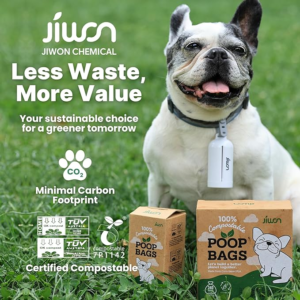
- Biodegradable/Compostable: Materials that break down naturally into the environment without leaving harmful residues are ideal. This applies to items like waste bags, certain toys, or grooming products.
- Non-Toxic: Ensure materials are free from harmful chemicals, heavy metals, phthalates, and BPA. These can leach into the environment and harm your pet.
Ethical Sourcing and Production
Sustainability isn’t just about materials; it’s also about the process. Inquire about a company’s practices. For instance, consider their energy use.
- Low-Impact Manufacturing: Does the company use renewable energy? Do they minimize water usage or reduce emissions in their production facilities?
- Fair Labor Practices: Ethical sourcing extends to human well-being. Companies committed to fair wages and safe working conditions often reflect a broader commitment to responsibility.
- Reduced Carbon Footprint: Consider products manufactured locally. Alternatively, look for companies that actively work to offset their carbon emissions through sustainable practices.
Durability and Longevity
One of the most sustainable choices you can make is to buy products that last. A durable toy or bed that withstands years of use is often more eco-friendly. This holds true even if it has a slightly higher initial environmental cost. It is better than multiple cheaper, less durable alternatives that quickly end up in a landfill. Invest in quality that endures.
Packaging and Waste: A Crucial Consideration for Sustainable Pet Supplies
Even the most sustainable product can lose its eco-friendly edge if packaged poorly. Therefore, examine the packaging carefully. Many companies are making strides in this area.
Minimize, Reuse, Recycle
Look for products with minimal packaging. Furthermore, prefer packaging made from recycled materials. Additionally, consider packaging that is itself recyclable or compostable. Some innovative brands offer refillable options for things like shampoos or treats. This significantly reduces waste. Remember, less waste means a smaller environmental footprint overall.
Plastic Alternatives
Plastic pollution is a global concern. Consequently, many brands are now using alternatives. These include cardboard, glass, corn-starch, or even innovative mushroom-based packaging. Avoiding single-use plastics is a powerful step towards reducing your pet’s environmental impact.
Understanding Certifications and Labels for Green Pet Products
The world of certifications can be confusing. However, certain labels offer reliable indicators of a product’s environmental and ethical integrity. When you are choosing eco-friendly dog products, look for these trusted seals.
- USDA Organic: For pet food and grooming products, this certification ensures ingredients are grown and processed according to strict organic standards.
- Global Organic Textile Standard (GOTS): Applicable to textiles like dog beds or apparel, GOTS certifies organic fibers and responsible manufacturing.
- Forest Stewardship Council (FSC): If a product contains wood or paper, FSC certification ensures it comes from responsibly managed forests.
- B Corp Certification: While not specific to products, B Corp certified companies meet high standards of social and environmental performance, accountability, and transparency.
- Leaping Bunny or PETA Cruelty-Free: These certifications ensure products were not tested on animals.
Always research a certification if you are unfamiliar with it. Some labels are proprietary and less rigorous than independent third-party certifications. Informed decisions are key when selecting green pet products.
The Lifecycle Approach: Beyond Purchase
Choosing eco-friendly dog products is not just about the initial purchase. It also involves how you use and dispose of them. This holistic approach maximizes their positive impact.
Proper Disposal
Consider the end-of-life for a product. Can it be composted? Can it be recycled? Many communities offer specialized recycling for items not accepted in curbside bins. For example, some pet stores collect used toys or food bags for recycling programs. Always check local guidelines.
Reducing, Reusing, Repairing
Before buying new, consider if you can repair an existing item. Many dog beds can have covers replaced. Toys can often be mended. Furthermore, donating gently used items to shelters can give them a second life. This reduces waste and helps animals in need. This is a vital part of sustainable pet ownership.
Practical Tips for Choosing Eco-Friendly Dog Products
Making the switch to more sustainable pet supplies doesn’t have to happen overnight. Here are some practical tips to guide your journey. These will help you find the best sustainable pet supplies.
Start Small
Begin with one category. For instance, switch to compostable waste bags. Or try an organic dog shampoo. Small changes add up over time. Every conscious decision contributes to a greener lifestyle for your pet.
Research Brands
Dedicate time to researching companies. Look for brands that are transparent about their sourcing, manufacturing, and environmental commitments. Many truly eco-conscious brands share their sustainability reports publicly. For example, you can often find this information on their websites. A good starting point is checking their
Explore more: More from Eco Friendly Dog Products