
Every day, dog owners dutifully clean up after their pets. This crucial step supports public health and maintains cleanliness. However, the vast majority of traditional plastic poop bags contribute significantly to landfill waste, taking hundreds of years to decompose. Making the switch to compostable dog bags is a simple yet impactful way to reduce your environmental footprint. It ensures your daily walks are genuinely green. But how do you navigate the claims and choose a truly eco-friendly option?
At Eco Friendly Dog Products, we understand your commitment to your dog’s well-being and the planet. Therefore, we aim to clarify the often-confusing world of eco-friendly pet waste solutions. We believe in providing clear, actionable information. This guide will help you confidently choose and use the best options available. Consequently, you can ensure your pet’s impact on the environment is as minimal as possible.
Understanding ‘Compostable’ vs. ‘Biodegradable’
The terms ‘biodegradable’ and ‘compostable’ are often used interchangeably. However, they have distinct meanings crucial for eco-conscious choices. ‘Biodegradable’ simply means a material can be broken down by microorganisms. But it does not specify the time frame or the resulting byproducts. Many ‘biodegradable’ plastics, in fact, require specific conditions, like industrial composting facilities, to break down. They can still leave behind microplastics if not processed correctly. This distinction is vital for truly sustainable practices.
‘Compostable’ is a much stricter certification. A product certified as compostable, for example by BPI or TÜV Austria, means it will fully break down into non-toxic components. These include water, CO2, and biomass. This breakdown occurs within a specific timeframe under composting conditions. Crucially, it leaves no harmful residues. These bags are typically made from plant-based materials, such as cornstarch or vegetable oils. Always look for recognized certifications on the packaging. This ensures you are choosing a truly compostable product. Furthermore, these certifications provide peace of mind regarding environmental claims.
Why Choose Certified Compostable Dog Bags?
Choosing certified compostable dog bags goes beyond just aesthetics. It represents a commitment to protecting our planet. Traditional plastic bags persist in landfills for centuries. They release harmful chemicals as they slowly degrade. In contrast, certified compostable options return to the earth naturally. They enrich the soil without leaving toxic remnants. This significantly reduces your dog’s paw print.
Moreover, these bags are often made from renewable resources. Cornstarch and other plant-based materials are grown and harvested. This means less reliance on fossil fuels for production. Consequently, the entire lifecycle of these products is more sustainable. When you opt for genuine compostable dog bags, you support a circular economy. This benefits both your pet and the environment.
The Environmental Impact of Traditional Poop Bags
Consider the staggering number of dog owners worldwide. Each day, countless plastic bags are used for pet waste. These bags accumulate rapidly. They clog landfills and pollute oceans. Many end up in natural habitats, harming wildlife. The production of these plastics also consumes significant energy and resources. Therefore, switching to alternatives is imperative. This small change makes a big collective difference.
Benefits for Your Local Community and Ecosystems
When pet waste is properly composted using suitable bags, it can become a valuable resource. It avoids contaminating soil and water. Pathogens found in pet waste can be neutralized in high-temperature composting. This keeps local ecosystems healthier. In fact, reducing plastic waste in general improves the cleanliness of parks and public spaces. This benefits everyone in the community.
Identifying Truly Compostable Dog Bags
Navigating the claims on product packaging can be challenging. Many companies use greenwashing tactics. They might label products as ‘eco-friendly’ or ‘green’ without proper certification. As a result, it is essential to be an informed consumer. Always look for specific certifications. These are your best indicators of genuine compostability.
Key Certifications to Look For
- BPI Certification (Biodegradable Products Institute): This is a leading certification in North America. It ensures products meet ASTM D6400 standards for industrial composting. If a bag carries the BPI logo, it means it has been rigorously tested. This guarantees it will break down in industrial facilities.
- TÜV Austria OK Compost INDUSTRIAL & OK Compost HOME: TÜV Austria offers two important certifications. ‘OK Compost INDUSTRIAL’ is similar to BPI. It certifies products for industrial composting. ‘OK Compost HOME’ is a higher standard. It indicates a product will compost safely in a well-managed home compost pile. This is a crucial distinction for home composters.
- European Standard EN 13432: This is a widely recognized European standard. It specifies requirements for packaging recoverable through composting and biodegradation. Products meeting this standard are certified for industrial composting.
Without these logos, a bag labeled ‘biodegradable’ or ‘plant-based’ might not truly break down as expected. Always check for verifiable proof. This ensures you are purchasing genuine compostable dog bags.
Proper Disposal of Compostable Dog Bags
Once you’ve chosen certified compostable dog bags, proper disposal is key. The effectiveness of these bags depends on the composting environment. Understanding the correct method maximizes their environmental benefit. It ensures they fulfill their purpose.
Industrial Composting: The Ideal Solution
Ideally, these bags should be disposed of in an industrial composting facility. These facilities maintain the high temperatures and specific moisture levels needed for efficient breakdown. They are designed to process organic waste at scale. Check with your local waste management services to see if they accept pet waste in compostable bags. Many municipalities are expanding their composting programs. This makes it easier to properly dispose of your pet’s waste. For instance, some cities now have dedicated green bins for organic materials. The EPA provides resources on local composting options.
Home Composting (with caution)
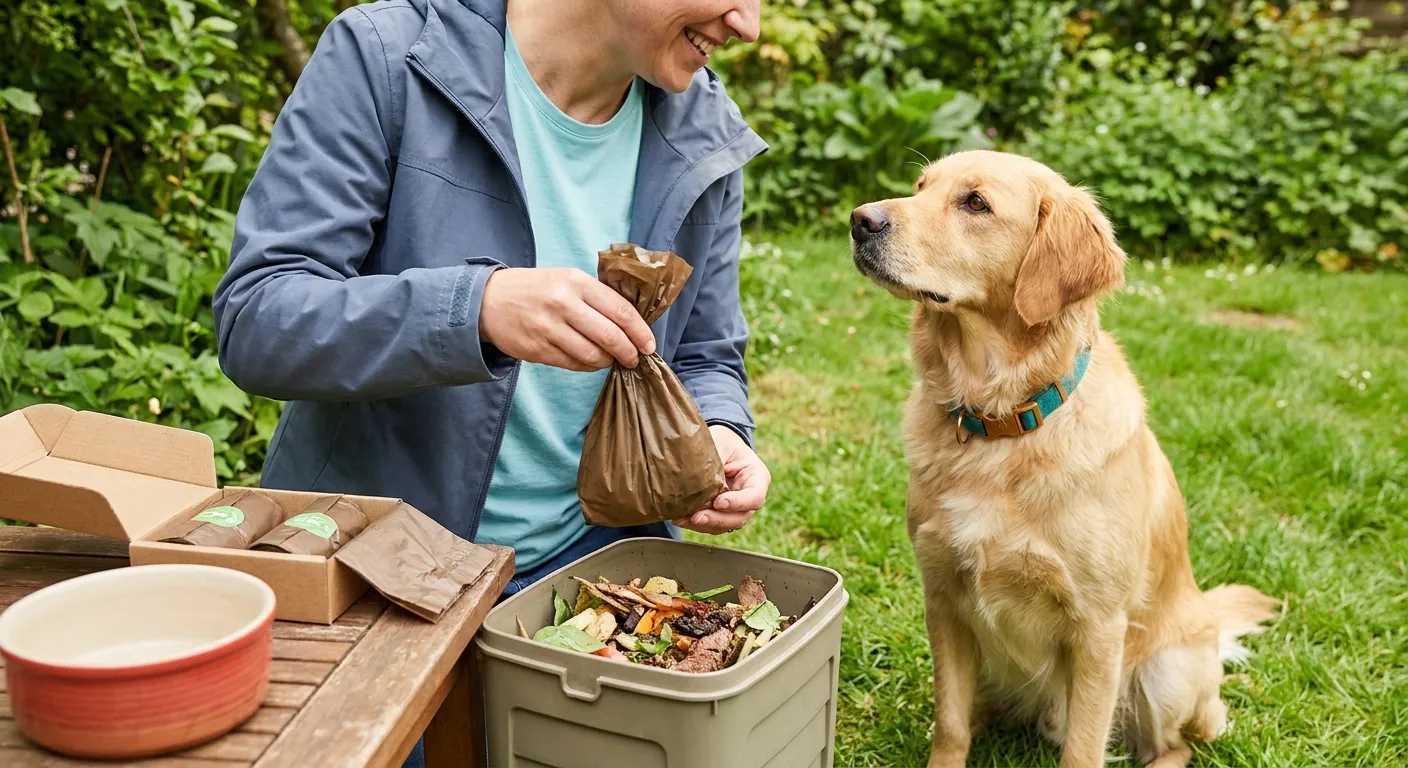
While some bags are certified for home composting, pet waste itself can contain pathogens. These might not be killed in typical backyard compost piles. This is especially true if those composts are used for edible gardens. If you do home compost pet waste, ensure your pile reaches high temperatures consistently. Alternatively, dedicate a separate, isolated compost bin solely for pet waste. This bin should not be used for food-producing plants. Always follow manufacturer guidelines for home-compostable bags. Furthermore, consider the potential health risks before adding pet waste to your food garden compost.
Landfill (as a last resort)
If industrial or safe home composting isn’t an option, placing certified compostable dog bags in regular trash is still a better choice than conventional plastic. While they won’t compost in anaerobic landfill conditions, they are made from renewable resources. This avoids contributing new plastics to the waste stream. They also break down more readily than petroleum-based plastics. This reduces the long-term burden on landfills. Therefore, even in a landfill, they offer an environmental advantage.
Beyond Poop Bags: A Holistic Approach to Sustainable Pet Care
Choosing compostable dog waste bags is an excellent first step. However, sustainability in pet care extends much further. At Eco Friendly Dog Products, we advocate for a holistic approach. Every choice, from food to toys, can impact the environment. Consider other areas where you can make eco-conscious decisions. This creates a truly green lifestyle for your furry friend.
Sustainable Pet Food Choices
The production of pet food has a significant environmental footprint. Look for brands that prioritize sustainably sourced ingredients. Options include insect-based proteins or ethically raised meats. Also, consider packaging. Many brands now offer recyclable or compostable packaging for pet food. This further reduces waste. Furthermore, buying in bulk can minimize packaging waste.
Eco-Friendly Pet Toys and Accessories
Traditional pet toys are often made from non-recyclable plastics. They break easily and end up in landfills. Seek out toys made from natural, durable materials. Examples include hemp, natural rubber, or recycled fabrics. Similarly, collars, leashes, and beds can be chosen for their sustainable materials. Organic cotton, bamboo, and recycled plastics are excellent options. These choices support both your pet’s safety and environmental health.
Reducing Water and Energy Consumption
Even small changes can add up. Use eco-friendly pet shampoos that are biodegradable and free from harsh chemicals. Consider water-saving techniques when bathing your dog. Turn off the tap when lathering. Similarly, choose energy-efficient appliances for pet-related tasks, like washing pet bedding. Every effort contributes to a greener household. Consequently, your overall environmental impact lessens.
Supporting Sustainable Brands
Research the brands you buy from. Look for companies with transparent sustainability practices. Many brands are committed to ethical sourcing, fair labor, and reducing their carbon footprint. By supporting these businesses, you encourage a more sustainable industry. Eco Friendly Dog Products is dedicated to curating such brands. We aim to make your choices easier. We believe in empowering consumers to make informed decisions.
The Future of Pet Waste Management
Innovation in sustainable pet products is constantly evolving. Researchers are developing new materials and technologies. These aim to make pet waste disposal even more eco-friendly. Stay informed about these advancements. Your choices as a consumer drive demand for these innovations. This helps shape a more sustainable future for pets and the planet.
For instance, some communities are exploring centralized pet waste composting programs. These programs could efficiently process large volumes of pet waste. They would convert it into safe, usable compost. This would divert significant waste from landfills. Additionally, advancements in biodegradable plastics continue. These new materials are designed to break down more effectively in various environments. This offers even more promising solutions for compostable dog bags.
By understanding these distinctions and disposal methods, you can confidently integrate compostable dog bags into your routine. This makes a real difference for the planet, one scoop at a time. Your commitment to sustainability with Eco Friendly Dog Products helps foster a healthier future for all. Every conscious choice contributes to a larger positive impact. Together, we can create a greener world for our beloved canine companions.
Making the Green Choice: A Summary
Choosing truly sustainable pet products, especially for waste management, is a powerful way to demonstrate your commitment to the environment. Remember to always prioritize certified compostable dog bags over ‘biodegradable’ ones. Look for trusted certifications like BPI, TÜV Austria, or EN 13432. Proper disposal, ideally through industrial composting, maximizes their benefit. If that’s not possible, home composting with caution or landfill disposal are still better alternatives than traditional plastic. By making informed choices, you contribute to a cleaner, healthier planet for future generations of pets and people. Explore our selection of Earth Rated compostable bags and other sustainable pet essentials at Eco Friendly Dog Products to start your green journey today.
Final Thoughts on Your Eco-Friendly Journey
Your journey towards more sustainable pet ownership is a continuous one. Each small step, from selecting compostable dog bags to choosing eco-friendly toys, contributes to a larger positive impact. We at Eco Friendly Dog Products are here to support you with high-quality, vetted products and reliable information. Thank you for being a part of the movement towards a healthier planet for our cherished companions.
FAQ
What’s the difference between compostable and biodegradable pet waste bags?
Compostable bags are certified to break down into non-toxic components in specific composting conditions and timeframes. Biodegradable bags simply mean they can break down over an unspecified period, often leaving microplastics.
Can I put pet waste bags in my home compost?
Only if the bags are certified ‘OK Compost HOME’ and you dedicate a separate compost pile for pet waste. This separate pile should not be used for edible gardens due to potential pathogens. Industrial composting is generally safer for pet waste.
How do I know if a dog waste bag is truly compostable?
Look for certifications like BPI (Biodegradable Products Institute), TÜV Austria (OK Compost INDUSTRIAL or OK Compost HOME), or the European standard EN 13432 on the packaging. These logos guarantee the product meets strict composting standards.
Are plant-based dog poop bags always compostable?
Not necessarily. While many plant-based bags are designed to be compostable, the term ‘plant-based’ alone doesn’t guarantee full breakdown into non-toxic components. Always check for proper composting certifications to be sure.
What should I do if my city doesn’t have industrial composting for pet waste?
If industrial composting isn’t an option, placing certified compostable pet waste bags in regular trash is still better than using traditional plastic. They are made from renewable resources and avoid introducing new plastics into the waste stream.
Explore more: More from Eco Friendly Dog Products