
As dog owners, our love for our companions often extends to a desire for their well-being and a healthier planet. This is where a sustainable dog ownership guide becomes essential. In a rapidly growing market, projected to reach $38.6 billion by 2034, making environmentally responsible choices for our pets is more crucial than ever. But with so many products claiming to be ‘green,’ how can you tell what’s truly eco-friendly from clever marketing? At EcoFriendlyDogProducts.com, we believe informed choices are the foundation of responsible pet care.
Understanding the Surge in Eco-Conscious Pet Care
The landscape of pet ownership is transforming. The prevailing trend of pet humanization means our dogs are cherished family members, leading us to invest more in their health and happiness. This sentiment, combined with increasing environmental awareness, particularly among Millennials and Gen Z who actively seek eco-certified items, drives the demand for sustainable pet supplies. With U.S. pet spending climbing to $158 billion in 2025, it’s clear that owners are willing to prioritize quality and values-aligned products.
Furthermore, consumers are increasingly aware of their purchasing power. They understand that every dollar spent can support either environmentally damaging practices or brands committed to sustainability. Therefore, the market has responded with a proliferation of ‘green’ products. However, this growth also necessitates a careful approach to ensure genuine eco-friendliness.
What is Greenwashing and Why Should You Care?
Greenwashing is the practice of deceptively marketing products or services as environmentally friendly when they are not. It preys on well-intentioned consumers, making it difficult to identify genuinely sustainable options. For dog owners, this can mean buying products that are still harmful to the environment or even contain undisclosed toxic ingredients, despite their ‘natural’ or ‘eco’ labels.
Common greenwashing tactics include:
- Vague Claims: Using terms like ‘all-natural’ or ‘earth-friendly’ without specific certifications or ingredient lists.
- Hidden Trade-offs: Highlighting one small eco-friendly aspect while ignoring a larger environmental impact (e.g., a product with recycled packaging but made from non-renewable resources).
- Irrelevant Claims: Stating something obvious (e.g., ‘CFC-free’ when CFCs are banned).
- Lack of Proof: Making claims without supporting data or third-party certifications.
- Fabricated Labels: Creating fake certifications or symbols that look official.
Ultimately, greenwashing erodes consumer trust. It also hinders progress towards true sustainability by diverting resources and attention from genuinely eco-conscious brands. Moreover, it can expose your pet to potentially harmful substances. Therefore, understanding these tactics is crucial for any responsible pet parent.
Spotting Genuine Eco-Friendly Claims: A Sustainable Dog Ownership Guide
Identifying truly sustainable products requires a discerning eye. Look for transparency and verifiable information:
- Third-Party Certifications: Seek recognized labels like USDA Organic, Global Organic Textile Standard (GOTS), FSC (Forest Stewardship Council), or Leaping Bunny (cruelty-free). These certifications indicate that an independent organization has verified the product’s claims against strict environmental or ethical standards.
- Detailed Ingredient Lists: Reputable brands will clearly list all ingredients, their origin, and processing methods. This transparency allows you to research specific components and ensure they align with your values.
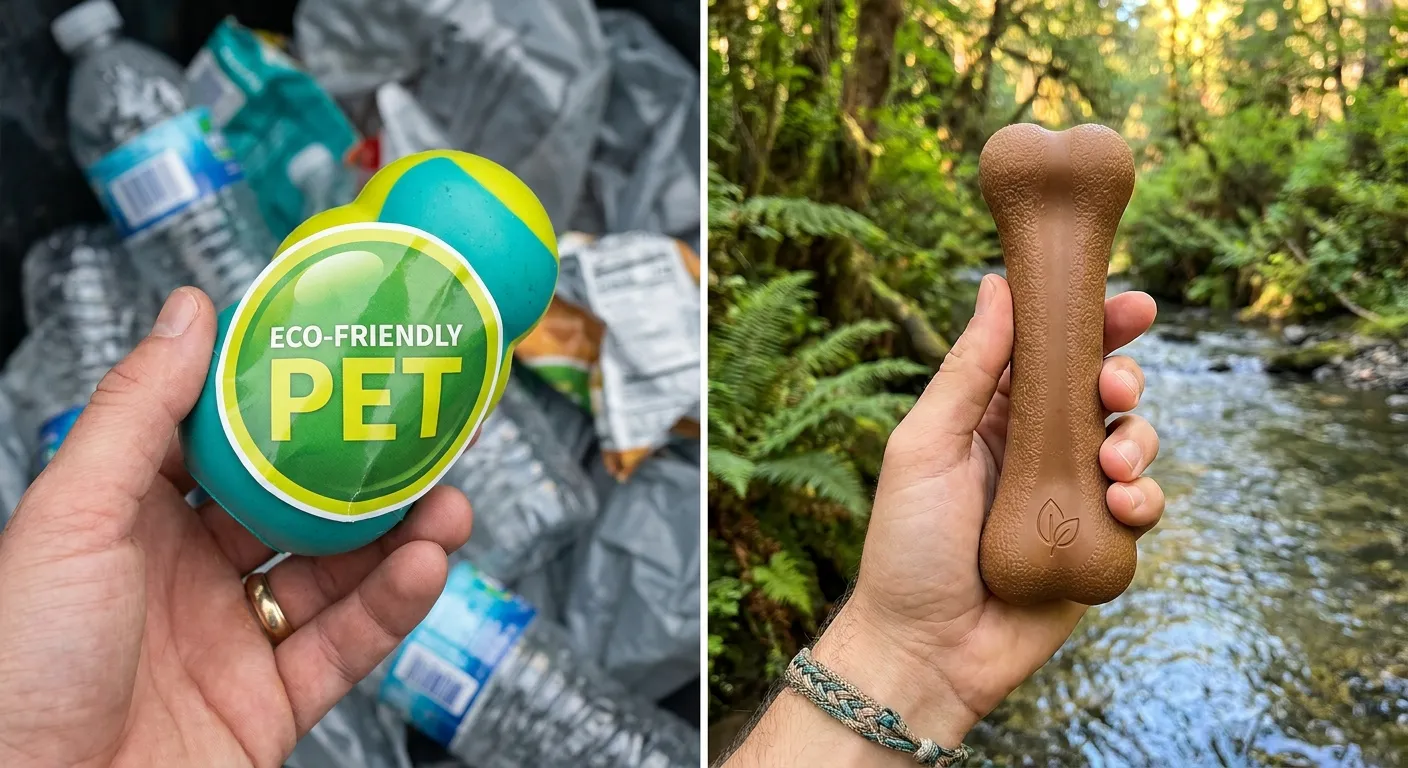
- Specific Material Information: Instead of just ‘sustainable materials,’ look for specifics like ‘100% recycled PET,’ ‘organic hemp,’ or ‘FSC-certified wood.’ Specificity provides concrete evidence of eco-conscious material sourcing.
- Commitment to Circularity: Brands that offer refill programs, take-back initiatives, or design products for biodegradability or easy recycling demonstrate a deeper commitment to minimizing waste throughout a product’s lifecycle.
- Transparency in Supply Chain: Truly sustainable brands often share information about their manufacturing processes, labor practices, and efforts to reduce their carbon footprint. This holistic view helps you assess their overall environmental integrity.
This section serves as a vital part of any effective sustainable dog ownership guide. It equips pet parents with the tools to make informed decisions and support brands that genuinely prioritize the planet.
Key Areas for Sustainable Dog Ownership
Adopting sustainable practices extends beyond just purchasing products. It encompasses various aspects of your dog’s daily life. Consequently, a holistic approach to responsible canine care is most effective.
Eco-Friendly Dog Food Choices
Food production has a significant environmental footprint. Therefore, selecting sustainable dog food is a cornerstone of responsible pet parenting.
- Insect-Based Proteins: Insects like black soldier fly larvae require significantly less land, water, and feed than traditional livestock. They also offer a complete and highly digestible protein source for dogs.
- Plant-Based or Vegan Options: For some dogs, a well-balanced plant-based diet can be a viable option, drastically reducing the environmental impact associated with meat production. Always consult with your vet before making significant dietary changes.
- Sustainably Sourced Meats: If choosing meat-based diets, look for brands that use ethically raised, grass-fed, or pasture-raised meats. Also, consider those utilizing by-products from human food chains to minimize waste.
- Organic and Non-GMO Ingredients: These choices reduce pesticide use and support healthier agricultural practices.
- Local Sourcing: Buying food made with locally sourced ingredients reduces transportation emissions.
- Packaging: Prioritize brands using recyclable, compostable, or minimal packaging.
Sustainable Dog Toys and Accessories
Many conventional dog toys are made from non-recyclable plastics and synthetic materials. These can contain harmful chemicals. Instead, consider these alternatives:
- Natural Materials: Opt for toys made from organic cotton, hemp, natural rubber, wool, or sustainably sourced wood. These materials are often biodegradable and free from harsh chemicals.
- Recycled Content: Look for toys made from recycled plastics (like RPET) or upcycled materials. Ensure they are safe and durable for your dog.
- Durability: Investing in high-quality, durable toys reduces the need for frequent replacements, thus minimizing waste.
- DIY Toys: Repurpose old t-shirts into braided tug toys or create puzzle toys from cardboard boxes. This is a fun and zero-waste option.
Green Grooming and Cleaning Products
What goes down the drain impacts waterways. Therefore, choosing eco-friendly grooming and cleaning supplies is essential.
- Natural Shampoos and Conditioners: Look for products made with plant-derived ingredients, free from parabens, sulfates, artificial fragrances, and dyes. These are gentler on your dog’s skin and the environment.
- Biodegradable Wipes: If using wipes, ensure they are biodegradable and compostable.
- Eco-Friendly Waste Bags: Opt for compostable or biodegradable poop bags made from plant-based materials. Always dispose of them properly.
- Non-Toxic Cleaners: For cleaning up pet messes, use natural cleaners like vinegar and baking soda, or choose commercially available pet-safe, eco-certified cleaning products.
Waste Management and Reduction
Managing your dog’s waste responsibly is a key part of the sustainable dog ownership guide. It prevents environmental contamination.
- Composting Dog Waste: In some areas, dog waste can be composted using specific methods and separate composting systems. Research local regulations and best practices.
- Proper Disposal: Always pick up after your dog. Use biodegradable bags and dispose of them in designated waste bins.
- Reducing Packaging: Choose products with minimal or recyclable packaging. Buy in bulk when possible to reduce packaging waste.
- Donating Unused Items: If your dog outgrows a bed or no longer plays with a toy, donate it to a local shelter or rescue organization instead of throwing it away.
Embracing a Holistic Approach to Responsible Canine Care
Beyond products, your lifestyle choices significantly impact your dog’s environmental footprint. For instance, consider where you take your dog for walks. Prioritizing local parks reduces travel emissions. Moreover, supporting local pet businesses can strengthen your community.
Training your dog to be well-behaved in public spaces also helps protect natural environments. This is particularly true when visiting parks or trails. Furthermore, spaying or neutering your pet helps control pet overpopulation, which in turn reduces the demand on resources for unwanted animals. This comprehensive approach truly defines responsible canine care.
Educating yourself and others is also a critical component of this sustainable dog ownership guide. Share your knowledge with fellow pet parents. Encourage them to explore more eco-friendly options. Together, we can foster a community that values both pet well-being and planetary health.
The Long-Term Benefits of Sustainable Dog Ownership
Adopting sustainable practices offers numerous advantages for your dog, your household, and the planet. Firstly, using natural and non-toxic products often means fewer allergens and irritants for your dog, contributing to their overall health and longevity. Secondly, making conscious purchasing decisions supports ethical businesses and drives innovation in the sustainable pet industry. This creates a positive cycle of demand and supply for better products.
Furthermore, reducing your pet’s environmental footprint contributes to cleaner air, water, and healthier ecosystems for everyone. This includes future generations of both humans and animals. This sustainable dog ownership guide provides a framework for making these impactful choices.
Ultimately, sustainable pet care aligns with the deep bond we share with our dogs. It reflects our desire to provide them with the best possible life while simultaneously safeguarding the world they inhabit. By choosing genuinely eco-friendly options, we affirm our commitment to a healthier future for all.
Conclusion: Your Role in a Greener Pet Future
Navigating the world of pet products can be complex, especially with the prevalence of greenwashing. However, with the insights provided in this sustainable dog ownership guide, you are now better equipped to make informed and genuinely eco-conscious choices for your beloved companion. Remember, every decision, no matter how small, contributes to a larger impact.
At EcoFriendlyDogProducts.com, we are committed to helping you find sustainable, safe, and green pet supplies that protect your dog’s well-being and minimize environmental impact. We invite you to explore our curated selection of products, all chosen with care and a commitment to genuine sustainability. Together, we can foster a healthier future for both pets and the planet. For more information on environmental certifications, you might visit EPA’s Greener Products page. Also, learn more about ethical sourcing at Fair Trade America.
FAQ
What are the biggest environmental impacts of conventional pet ownership?
Conventional pet ownership often contributes to environmental issues through unsustainable pet food production (high meat consumption), plastic waste from toys and packaging, chemical runoff from grooming products, and improper waste disposal. Reducing these impacts is a core focus of a green pet care approach.
How can I tell if a pet product is truly eco-friendly?
Look for third-party certifications, detailed ingredient lists, specific material information (e.g., organic hemp, recycled plastic), and transparency about a brand’s supply chain and manufacturing processes. Be wary of vague claims or a lack of verifiable proof.
Are plant-based diets safe for dogs?
A well-balanced plant-based diet can be safe for some dogs, but it requires careful formulation to ensure all nutritional needs are met. Always consult with a veterinarian or a certified veterinary nutritionist before transitioning your dog to a plant-based diet to ensure it’s appropriate for their individual health.
What are some easy swaps I can make for a more sustainable pet lifestyle?
Start with simple changes like using compostable poop bags, choosing natural rubber or organic cotton toys, selecting shampoos with plant-derived ingredients, and opting for pet food with sustainably sourced proteins or reduced packaging. Small steps collectively make a big difference in responsible pet parenting.
Why is avoiding greenwashing important for dog owners?
Avoiding greenwashing ensures you’re genuinely supporting environmentally responsible brands, not just clever marketing. It also protects your dog from potentially harmful chemicals in products that falsely claim to be ‘natural’ or ‘eco-friendly.’ Making informed choices helps you contribute to a healthier planet and a healthier pet.
Explore more: More from Eco Friendly Dog Products