
Dealing with dog waste is an unavoidable part of pet ownership. However, how we dispose of it makes a big difference to our environmental footprint. While plastic bags often end up in landfills, contributing to pollution, there’s a more sustainable solution: learning how to compost dog waste. This eco-friendly method transforms an environmental problem into a valuable resource for your garden, with important caveats.
At Eco Friendly Dog Products, we are dedicated to fostering a healthier future for both pets and the planet. Therefore, exploring sustainable waste management is a natural extension of our mission. Many pet owners seek ways to minimize their environmental impact. Fortunately, composting offers a tangible path to achieve this. It’s a rewarding process that aligns perfectly with a green lifestyle.
The Environmental Impact of Traditional Dog Waste Disposal
Traditionally, dog waste is scooped into plastic bags and sent to landfills. This practice, unfortunately, contributes significantly to environmental problems. Firstly, plastic bags are not biodegradable. Consequently, they persist in the environment for hundreds of years. They break down into microplastics, which pollute our soil and water systems. Secondly, dog waste in landfills decomposes anaerobically, meaning without oxygen. This process releases methane, a potent greenhouse gas, into the atmosphere. Methane is far more effective at trapping heat than carbon dioxide over a short period. Therefore, reducing methane emissions is crucial for combating climate change.
Furthermore, untreated dog waste can contain harmful bacteria and parasites. When sent to landfills, these pathogens can leach into groundwater. This poses a risk to both human and wildlife health. Hence, finding alternative disposal methods is not just about aesthetics; it’s about protecting ecosystems. Adopting sustainable practices for pet waste management is a vital step towards a circular economy for pet products, where waste is minimized and resources are reused. For instance, exploring options like how to compost dog waste can significantly reduce your environmental footprint.
Understanding the Science of Composting Pet Waste
Composting is a natural process where organic materials decompose. Microorganisms, such as bacteria and fungi, break down organic matter into a nutrient-rich soil amendment. This process generates heat, which is vital for safe dog waste composting. A well-managed compost pile can reach temperatures high enough to kill most pathogens. This thermal inactivation is critical for creating a safe end product.
Specifically, composting relies on a balance of ‘greens’ (nitrogen-rich materials) and ‘browns’ (carbon-rich materials). Dog waste is rich in nitrogen, making it a ‘green’ component. To balance this, you need a substantial amount of ‘brown’ materials. Examples include sawdust, wood chips, straw, or shredded leaves. The ideal carbon-to-nitrogen ratio for composting is generally around 30:1. Maintaining this balance ensures efficient decomposition and proper heat generation. Understanding these principles is fundamental to successfully compost dog waste.
Setting Up Your Dedicated Dog Waste Composting System
Composting dog waste requires a dedicated system separate from your regular food or garden compost. This is crucial because dog waste can contain pathogens like E. coli and parasites. These need high temperatures and specific conditions to be neutralized. A well-managed hot compost pile or a specialized pet waste composter is essential. Consider using a two-bin system. One bin can be actively composting while the other cures. This ensures a continuous process.
Choosing the Right Location and Container
Select a site that is well-drained and away from vegetable gardens or water sources. Your compost bin should be robust and secure. This prevents pests and keeps odors contained. Many specialized pet waste composters are available. Alternatively, you can build your own using sturdy materials like treated wood or recycled plastic. Ensure the bin has good airflow, as aerobic decomposition is key. For example, a bin with slatted sides or drilled holes works well. Proper ventilation helps maintain the high temperatures needed to break down waste safely. Furthermore, consider accessibility for turning and adding materials.
Gathering Your Materials
The process involves mixing dog waste with ‘brown’ materials. These include sawdust, wood chips, straw, or shredded leaves. The carbon-rich brown materials balance the nitrogen-rich dog waste. This creates a healthy environment for microbial decomposition. Collect these materials in advance. Having a ready supply will make the composting process much smoother. You will need significantly more brown material than dog waste. A good rule of thumb is to use at least two parts brown material to one part dog waste. This ratio helps prevent odors and ensures proper decomposition.
Starting the Pile
Begin by laying a base layer of brown materials. This provides drainage and aeration. Then, add a layer of dog waste. Immediately cover it with a thick layer of brown materials. This helps contain odors and initiates the carbon-nitrogen balance. Continue layering in this manner. Always ensure the dog waste is thoroughly covered. This layering technique is fundamental to effective composting and helps to maintain the necessary conditions to compost dog waste safely.
Maintaining Your Dog Waste Compost Pile for Pathogen Destruction
Regular turning and moisture management are key to achieving the necessary high temperatures for pathogen destruction. The compost pile needs to reach and maintain temperatures between 130°F (54°C) and 160°F (71°C) for several days. This heat effectively kills most harmful bacteria and parasites. Therefore, monitoring the temperature with a compost thermometer is highly recommended. Turning the pile frequently introduces oxygen. This fuels the microorganisms and helps distribute heat evenly. Aim to turn the pile every few days or at least once a week.
Moisture content is equally important. The pile should feel like a wrung-out sponge – damp, but not soggy. If it’s too dry, decomposition slows down. If it’s too wet, it can become anaerobic and smelly. Adjust moisture by adding water if dry, or more brown materials if wet. Consistent management ensures a healthy, active compost pile. This diligent approach is critical when you compost dog waste, protecting both your garden and your family. Remember, patience is a virtue in composting. It takes time for the breakdown process to fully occur.
What to Do with Your Finished Dog Waste Compost
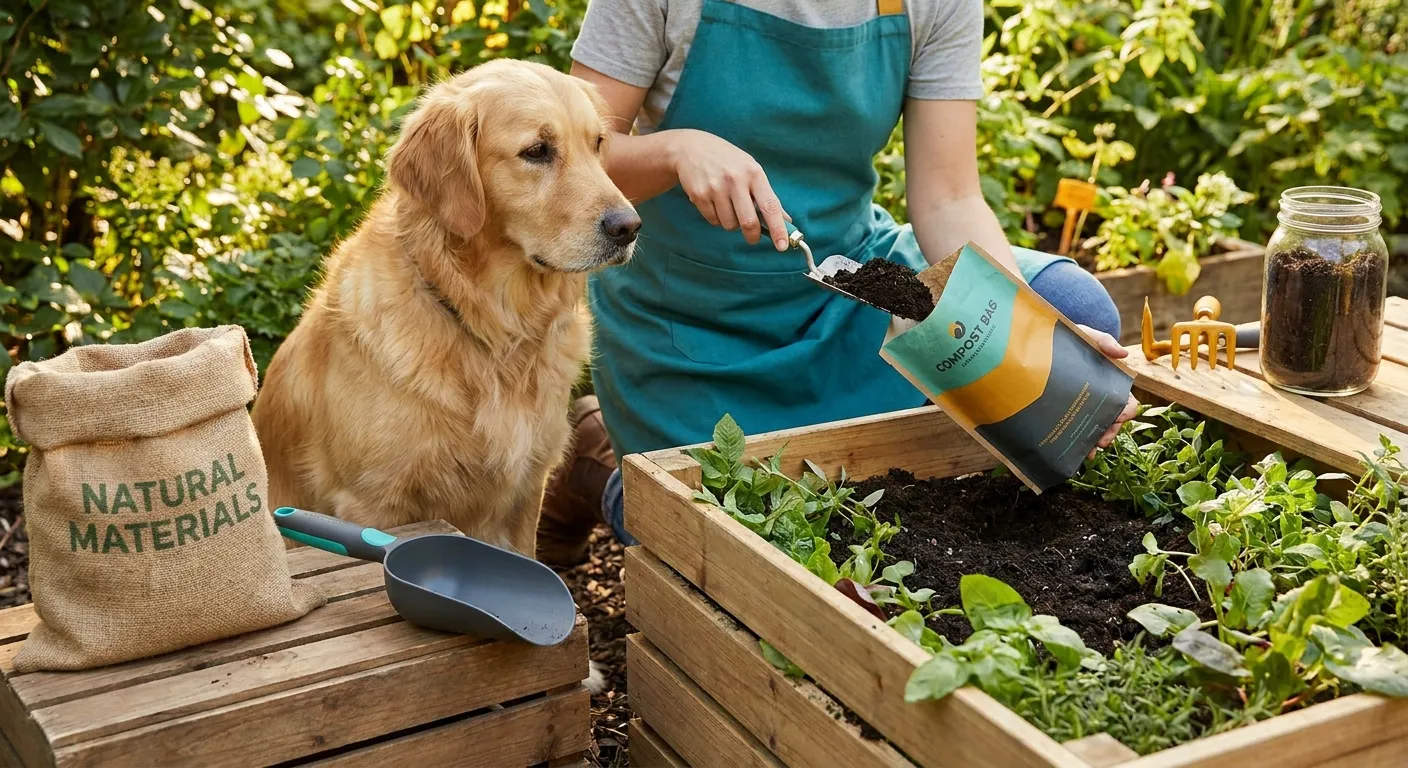
Once your dog waste compost has fully broken down, it will be dark, crumbly, and earthy-smelling. This can take several months to a year, depending on the system and climate. However, due to the potential for lingering pathogens, it’s generally recommended not to use dog waste compost on edible plants or vegetables. This precaution ensures maximum safety for your family. Instead, it’s perfect for enriching ornamental gardens, trees, shrubs, or non-food landscaping. It acts as an excellent soil amendment, improving soil structure and water retention. By learning how to compost dog waste, you’re diverting waste from landfills and creating a beneficial resource for your non-edible garden.
Many gardeners find this compost incredibly valuable for improving their soil. It adds organic matter, which enhances soil fertility and supports beneficial soil life. Furthermore, using this compost on your lawn can lead to a healthier, greener turf. It’s a truly sustainable cycle, turning a potential waste product into a valuable asset. This practice aligns with our brand’s commitment to circular economy pet products, transforming waste into a resource. Consider using it around your perennial flowers or even for planting new trees. The benefits to your landscape will be noticeable.
Beyond Composting: Other Sustainable Dog Waste Solutions
While learning to compost dog waste is an excellent step, other eco-friendly options exist. Biodegradable dog bags are a better alternative to traditional plastic bags if composting isn’t feasible. These bags are designed to break down more quickly, reducing plastic pollution. However, it’s important to note that many