
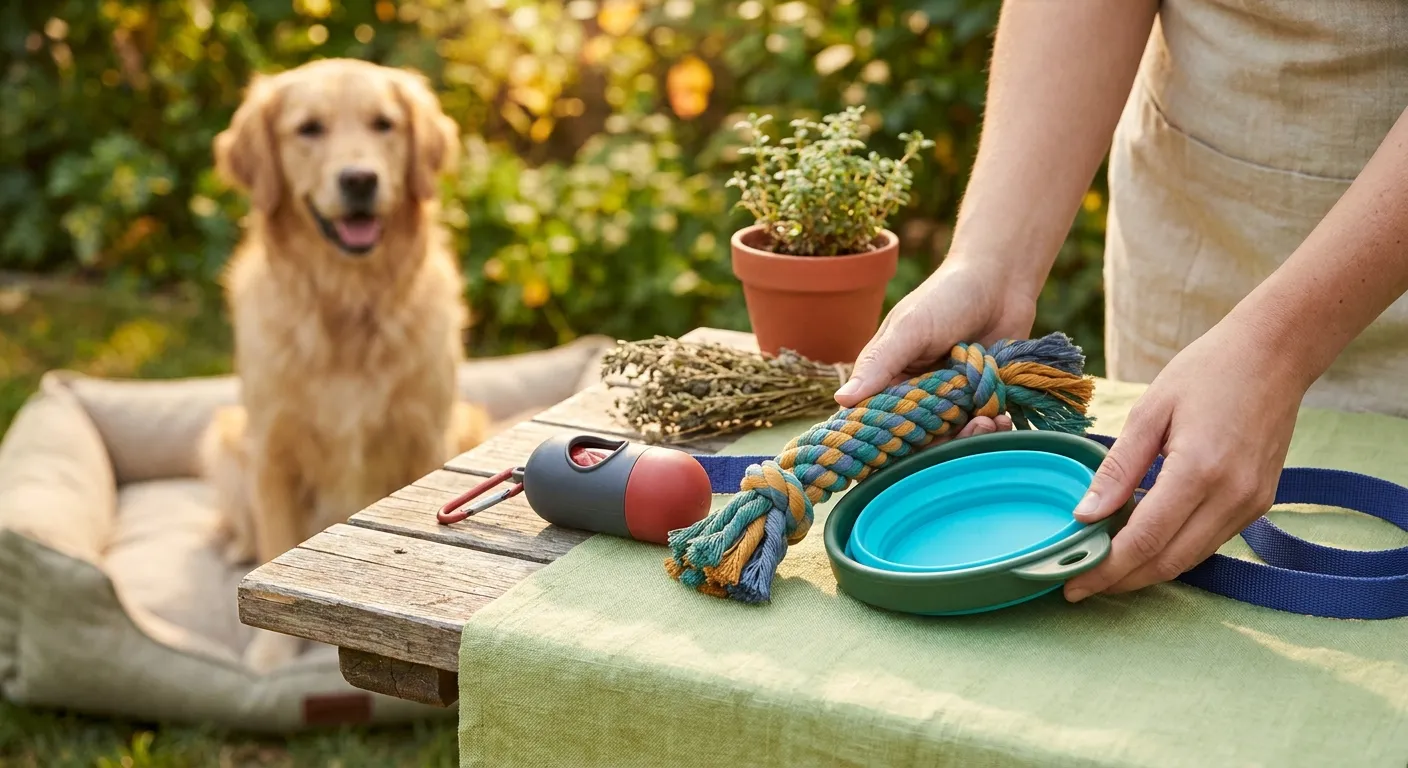

The global movement towards sustainability is reshaping every industry, and pet care is no exception. As conscientious dog owners, we’re increasingly aware that our choices have a ripple effect, not just on our beloved companions but on the planet they share. This shift is clearly reflected in the market, with the eco-friendly pet products sector valued at a robust $14.8 billion to $16.8 billion in 2025 and projected to soar to $34.6 billion to $38.6 billion by 2034. This impressive growth isn’t just a trend; it’s a testament to the fact that 73% of global pet owners now consider environmental impact “important” or “very important” in their purchasing decisions. But what if we could go beyond simply “eco-friendly” to truly embrace a system where waste is minimized, resources are continually reused, and our pets’ paws leave a lighter print? This is the essence of the circular economy pet products movement.
Circular Economy Pet Products: Embracing Longevity and Reuse
The traditional “take-make-dispose” linear economic model is unsustainable. A circular economy, by contrast, aims to keep resources in use for as long as possible, extract the maximum value from them while in use, then recover and regenerate products and materials at the end of each service life. For our furry friends, this means thinking beyond single-use items and embracing circular economy pet products designed for longevity, repair, and eventual recycling or composting. It’s about consciously closing the loop.
We’re seeing exciting innovations in this space. While organic and natural materials held the largest share in 2025, recycled materials are the fastest-growing segment, projected at an 11.1% Compound Annual Growth Rate (CAGR) through 2034. This includes everything from recycled PET (rPET) used in cozy bedding and durable harnesses to toys crafted from recycled bike tubes, like those pioneered by Cycle Dog. Brands are also integrating bamboo, hemp, natural rubber, and organic cotton, moving away from virgin plastics and unsustainable resources. For more on this, consider exploring Brand Spotlight: Innovators in Sustainable Dog Accessories.
Practical Steps: Extending the Life of Your Pet’s Gear
One of the most impactful ways to participate in a circular economy is to make your pet’s belongings last longer. Think about the life cycle of a product before you buy it:
- Prioritize Durability and Repairability: Instead of flimsy toys that break in days, invest in high-quality, long-lasting items. Look for brands that offer repair services or replacement parts. Some progressive companies are even starting to offer toy and gear repair programs, reducing the need for new purchases.
- Upcycle and Repurpose: Before discarding, consider if an item can be given a new purpose. An old blanket can become a pet bed liner, a worn-out t-shirt can be a chew toy. This creative approach reduces waste and gives items a second life.
- Donate and Share: When your pet outgrows a harness or no longer plays with a particular toy, consider donating it to a local shelter or sharing it with friends. This simple act extends the product’s utility and reduces overall consumption.
- Maintain Properly: Regular cleaning and proper storage can significantly extend the lifespan of pet products. Furthermore, following care instructions helps ensure items remain in good condition for longer.
By implementing these practices, you actively contribute to a more sustainable pet care routine. Moreover, you teach your family valuable lessons about responsible consumption.
The Core Principles of Sustainable Pet Supplies
Understanding the foundational principles of a circular system helps guide our purchasing decisions. Essentially, a sustainable pet supply chain focuses on three key areas: designing out waste and pollution, keeping products and materials in use, and regenerating natural systems. Therefore, pet products that align with these principles are not just “eco-friendly” but are truly regenerative.
Designing for Durability and Repair
Firstly, truly sustainable pet supplies are built to last. This contrasts sharply with the planned obsolescence often found in conventional products. For instance, a durable dog bed with a washable, replaceable cover significantly reduces waste compared to a cheap, non-repairable alternative. Similarly, harnesses and leashes made from robust, natural fibers like hemp or recycled materials withstand years of use. In fact, many innovative companies now offer warranties or even repair services for their high-quality gear. This commitment to longevity is a hallmark of ethical manufacturing.
Utilizing Recycled and Upcycled Materials
Secondly, the materials themselves matter immensely. Products made from recycled content, such as rPET (recycled polyethylene terephthalate) for dog blankets or beds, give new life to existing plastics. Upcycled materials, like old fire hoses transformed into durable chew toys, further exemplify this principle. Such innovations prevent waste from entering landfills and reduce the demand for virgin resources. Consequently, this lowers the overall environmental footprint of pet ownership. You can find more ideas for DIY Eco-Friendly Dog Toys: Simple, Safe, and Sustainable Fun.
Embracing Renewable and Biodegradable Resources
Thirdly, sustainable pet products often incorporate renewable and biodegradable materials. For example, toys made from natural rubber, organic cotton, or hemp are not only safer for your pet but also break down harmlessly at the end of their life. Bamboo, a rapidly renewable resource, is increasingly used in bowls and grooming tools. Ultimately, choosing items made from these materials ensures that they can return to nature’s cycle without causing long-term harm. This holistic approach supports both pet health and planetary well-being. Furthermore, understanding the Microplastics and Pet Health: The Hidden Dangers in Conventional Dog Products can highlight the importance of these material choices.
The Role of Responsible Sourcing and Manufacturing
Beyond materials, the entire manufacturing process contributes to a product’s circularity. Responsible sourcing ensures that raw materials are harvested ethically and sustainably, minimizing deforestation or habitat destruction. Moreover, manufacturing processes that reduce water usage, energy consumption, and chemical waste are crucial. Brands committed to these practices often provide transparency about their supply chains, giving consumers confidence in their purchases. This dedication to ethical practices is a cornerstone of true sustainability. For additional insights, consider reading about Why Ethical Sourcing Matters: Beyond Green Washing in Pet Products.
Choosing Sustainable Pet Products for a Greener Paw Print
Making informed choices about your pet’s gear is a powerful way to support the circular economy. Here are some key considerations when shopping for truly sustainable options:
- Look for Certifications: While not exhaustive, certifications from reputable organizations can indicate a product’s environmental claims are verified.
- Research Brands: Investigate a brand’s commitment to sustainability. Do they offer repair programs? Do they use recycled content? What are their manufacturing practices?
- Prioritize Quality Over Quantity: A well-made, durable item that lasts for years is always more sustainable than multiple cheaper, disposable alternatives.
- Consider End-of-Life: Can the product be recycled, composted, or safely disposed of at the end of its life? Brands that offer take-back programs are excellent examples of circularity.
- Read Labels Carefully: Be wary of “greenwashing” – vague claims without specific evidence. Look for clear details about materials and manufacturing.
By keeping these points in mind, you can confidently select sustainable options that benefit both your dog and the environment. This proactive approach helps build a more responsible pet industry. Indeed, these choices contribute significantly to reducing your overall Environmental Impact of Pet Ownership: Understanding Your Dog’s Paw Print.
The Growing Market for Circular Economy Pet Products
The pet industry is rapidly evolving, driven by consumer demand for more ethical and environmentally conscious options. The impressive growth projections for the eco-friendly pet products sector underscore a significant shift. This isn’t just a niche market; it’s becoming mainstream. Many innovative companies are recognizing the value in designing products with the entire lifecycle in mind, from sourcing to disposal.
For instance, dog food companies are exploring insect-based proteins or upcycled human-grade food waste to minimize their environmental impact. Similarly, litter brands are developing biodegradable alternatives to traditional clay. This expansion across various categories shows that the principles of a circular economy can be applied to almost every aspect of pet care. As consumers, our continued demand for these types of products fuels further innovation and investment in sustainable practices. This positive feedback loop strengthens the entire sustainable pet care movement.
Innovations in Recycled Materials
The use of recycled materials in sustainable pet products is particularly exciting. For example, old fishing nets are being transformed into durable dog collars and leashes, addressing the issue of ocean plastic pollution. Furthermore, recycled tires find new life as robust pet toys. These innovations demonstrate how waste can be reimagined as a valuable resource, closing the loop on materials that would otherwise end up in landfills or polluting our oceans. The ingenuity behind these products is truly inspiring, showing what is possible when sustainability is a core design principle.
A notable example is the company Beco Pets, which uses recycled plastic bottles to create toys and beds. Similarly, West Paw Design has a closed-loop recycling program for their Zogoflex toys, where customers can send back old toys to be recycled into new ones. These initiatives highlight a genuine commitment to circularity and offer tangible ways for consumers to participate. Consequently, pet owners can make choices that actively reduce waste. This commitment to environmental stewardship is paramount for the health of our planet. For a broader perspective on sustainable choices, consider exploring Beyond Products: A Holistic Guide to Sustainable Dog Care.
Beyond Products: A Holistic Approach to Circular Pet Care
Adopting a circular mindset extends beyond just the products we buy. It encompasses how we care for our pets daily. This holistic approach includes reducing food waste, managing pet waste responsibly, and even considering the environmental impact of pet services. By addressing these broader aspects, we can create a truly sustainable lifestyle for our canine companions.
Reducing Food Waste
Food waste is a significant environmental concern, and pet food contributes to this issue. Therefore, buying pet food in bulk to reduce packaging, storing it properly to prevent spoilage, and composting appropriate food scraps are all part of a circular approach. Furthermore, choosing pet food brands that utilize ethically sourced ingredients or upcycled human-grade food waste can further minimize environmental impact. These small adjustments collectively make a big difference.
Responsible Pet Waste Management
Pet waste, if not managed correctly, can contribute to water pollution. Using biodegradable poop bags, for instance, is a simple yet effective step. Some innovative solutions even include compostable litter and specialized pet waste composting systems. By responsibly handling our pets’ waste, we prevent harmful bacteria from entering ecosystems and help regenerate natural systems. This diligence protects local water sources and wildlife.
Community and Sharing Initiatives
Participating in community sharing programs or pet product swaps can also foster a circular economy. When your dog outgrows a crate or no longer plays with a specific toy, instead of discarding it, offering it to another pet owner extends its life. This communal approach reduces the need for new purchases and strengthens local pet-loving communities. Moreover, it exemplifies the spirit of reuse and resourcefulness. This shared economy benefits everyone involved.
In conclusion, embracing circular economy pet products and practices is more than a trend; it’s a vital shift towards a healthier future for our dogs and the planet. By prioritizing durability, choosing recycled and renewable materials, and adopting responsible consumption habits, we can significantly reduce our environmental paw print. Every conscious choice, from the food we feed to the toys we buy, contributes to a more sustainable and regenerative world. Let’s continue to champion brands and practices that align with these values, ensuring our beloved companions thrive in an eco-conscious home. Together, we can make a meaningful difference, one sustainable paw at a time.
FAQ: Understanding Sustainable Pet Care
What are sustainable pet supplies?
Sustainable pet supplies are products designed, manufactured, and distributed with minimal environmental impact. They often utilize recycled, renewable, or biodegradable materials, prioritize durability, and consider the product’s end-of-life to reduce waste and pollution. This approach aims to keep resources in use for as long as possible.
Why should I choose eco-conscious pet products?
Choosing eco-conscious pet products helps protect the environment by reducing waste, conserving natural resources, and minimizing pollution. It also often means selecting safer products for your pet, as they typically avoid harmful chemicals and synthetic materials. Ultimately, it contributes to a healthier planet for everyone, including our pets.
How can I extend the life of my dog’s existing gear?
You can extend the life of your dog’s gear by prioritizing durability when purchasing, performing regular maintenance and cleaning, and making simple repairs when possible. Additionally, consider upcycling items for new purposes or donating gently used gear to shelters or other pet owners. These actions reduce the need for constant replacements.
Are products made from recycled materials safe for pets?
Yes, products made from recycled materials can be very safe for pets. Reputable brands that use recycled content, like rPET, ensure these materials are thoroughly cleaned and processed to meet safety standards. They are often just as durable and non-toxic as their virgin material counterparts, offering an environmentally responsible alternative.
What is the difference between eco-friendly and circular pet goods?
“Eco-friendly” is a broad term indicating a product is less harmful to the environment. “Circular pet goods” specifically refers to products designed within a circular economy framework. This means they are intended for long life, repair, reuse, and eventual recycling or composting, aiming to eliminate waste and keep resources in use. Circularity is a more comprehensive and systemic approach to sustainability.