
When considering bringing a new furry family member home, the decision to choose between adopting a sustainable pet from a shelter or buying from a breeder carries significant ethical and environmental weight. Adopting isn’t just a compassionate act; moreover, it’s a profoundly sustainable choice that helps alleviate the strain on animal welfare systems and reduces the demand for commercial breeding operations, which can have large environmental footprints. Consequently, making this choice aligns with a commitment to a healthier future for both pets and the planet.
Why Adopting a Sustainable Pet Matters for the Planet
Every year, millions of animals enter shelters, many of whom are healthy, well-behaved, and simply in need of a loving home. When you adopt, you’re not contributing to the pet overpopulation crisis. This reduces the need for large-scale breeding facilities, which often consume considerable resources like food, water, and energy, and can generate significant waste. Furthermore, by giving a home to an animal already in existence, you indirectly reduce the demand for new puppies or kittens to be bred, thus lessening the overall environmental impact associated with new animal production. Therefore, choosing to welcome a rescue animal is a truly green decision.
Beyond Environmental Impact: Ethical and Social Benefits of Adopting
Beyond the ecological benefits, choosing to welcome a rescue animal offers numerous ethical and social advantages. You’re giving a second chance to an animal who might otherwise be euthanized due to overcrowding. Many shelter pets are already spayed/neutered, vaccinated, and microchipped, saving you initial veterinary costs. Shelters also often provide valuable information about a pet’s history and temperament, helping ensure a good match for your family. By choosing to adopt, you support local shelters and rescue organizations, allowing them to continue their vital work in communities. It’s a choice that aligns perfectly with a commitment to responsible, eco-conscious living.
The Overpopulation Crisis and Your Role
The pet overpopulation crisis is a pressing issue. Annually, countless healthy, adoptable animals are euthanized in shelters simply because there aren’t enough homes. This heartbreaking reality highlights the urgent need for individuals to consider adoption first. By choosing to adopt a rescue animal, you directly save a life and free up space for another animal in need. In addition, this reduces the burden on shelter staff and resources. Consequently, your decision has a ripple effect, contributing positively to the entire animal welfare system. Furthermore, many of these animals are already house-trained and socialized, making their transition into a new home much smoother.
Economic Advantages of Pet Adoption
While the primary motivation for many is compassion, there are also significant economic benefits to adopting a rescue animal. Adoption fees are typically much lower than the purchase price from a breeder. Moreover, these fees often include initial veterinary care such as spaying or neutering, vaccinations, and microchipping. These services alone can cost hundreds of dollars if paid for separately. For example, a thorough initial vet visit for a new puppy can be quite expensive. Therefore, adopting can provide substantial savings, making pet ownership more accessible. This allows you to allocate those savings to other sustainable pet care needs, such as high-quality eco-friendly food or sustainable dog bed options.
Finding the Right Companion: What to Expect from Shelters
Shelters and rescue organizations are dedicated to matching pets with appropriate families. They often have a diverse range of animals, from puppies and kittens to senior pets, and various breeds and mixes. Staff and volunteers typically spend considerable time with each animal, observing their personalities, behaviors, and specific needs. As a result, they can offer valuable insights into a pet’s temperament and history. This personalized approach helps ensure a successful adoption, fostering a lasting bond between you and your new companion. Moreover, many shelters offer post-adoption support and resources, further aiding in a smooth transition. Consider visiting several local shelters to find the perfect match for your lifestyle. This thoughtful process is part of what makes adopting a sustainable pet so rewarding.
The Environmental Footprint of Commercial Breeding
Commercial breeding operations, often referred to as puppy mills, have a substantial environmental impact. These facilities typically house a large number of animals, requiring significant resources. Think about the amount of food, water, and energy needed to sustain hundreds or even thousands of animals. The waste generated, including animal waste and discarded materials, can also pose environmental challenges. Furthermore, the transportation of animals across distances adds to carbon emissions. By choosing to adopt, you actively reduce the demand that fuels these resource-intensive operations. Therefore, your decision to welcome a rescue animal is a direct vote for a more sustainable future. This choice helps to minimize the overall environmental impact of pet ownership.
Supporting Ethical Sourcing and Animal Welfare
When you opt for adopting a sustainable pet, you are inherently supporting ethical sourcing practices in the pet industry. This choice sends a clear message that you value animal welfare over profit-driven breeding. Many ethical breeders exist, certainly, but distinguishing them from less responsible operations can be challenging. By contrast, shelters and rescues are transparent about their mission: saving lives and finding loving homes. Supporting these organizations ensures your money contributes to a cause focused on animal well-being and community service. This aligns perfectly with the brand’s commitment to why ethical sourcing matters in pet products.
Preparing for Your Adopted Pet: A Sustainable Approach
Bringing home an adopted pet is an exciting time. To ensure a smooth transition and maintain your commitment to sustainability, consider preparing your home with eco-friendly products. For instance, opt for recycled or organic cotton pet beds, biodegradable waste bags, and natural grooming products. You might even explore DIY eco-friendly dog toys for homemade fun. Think about the longevity and environmental impact of every item you purchase. Prioritizing durable, sustainable items reduces waste and minimizes your pet’s paw print. This holistic approach extends your sustainable choice beyond just adopting a sustainable pet. For example, using refillable food containers and buying in bulk can further reduce packaging waste.
The Joy of Giving a Second Chance
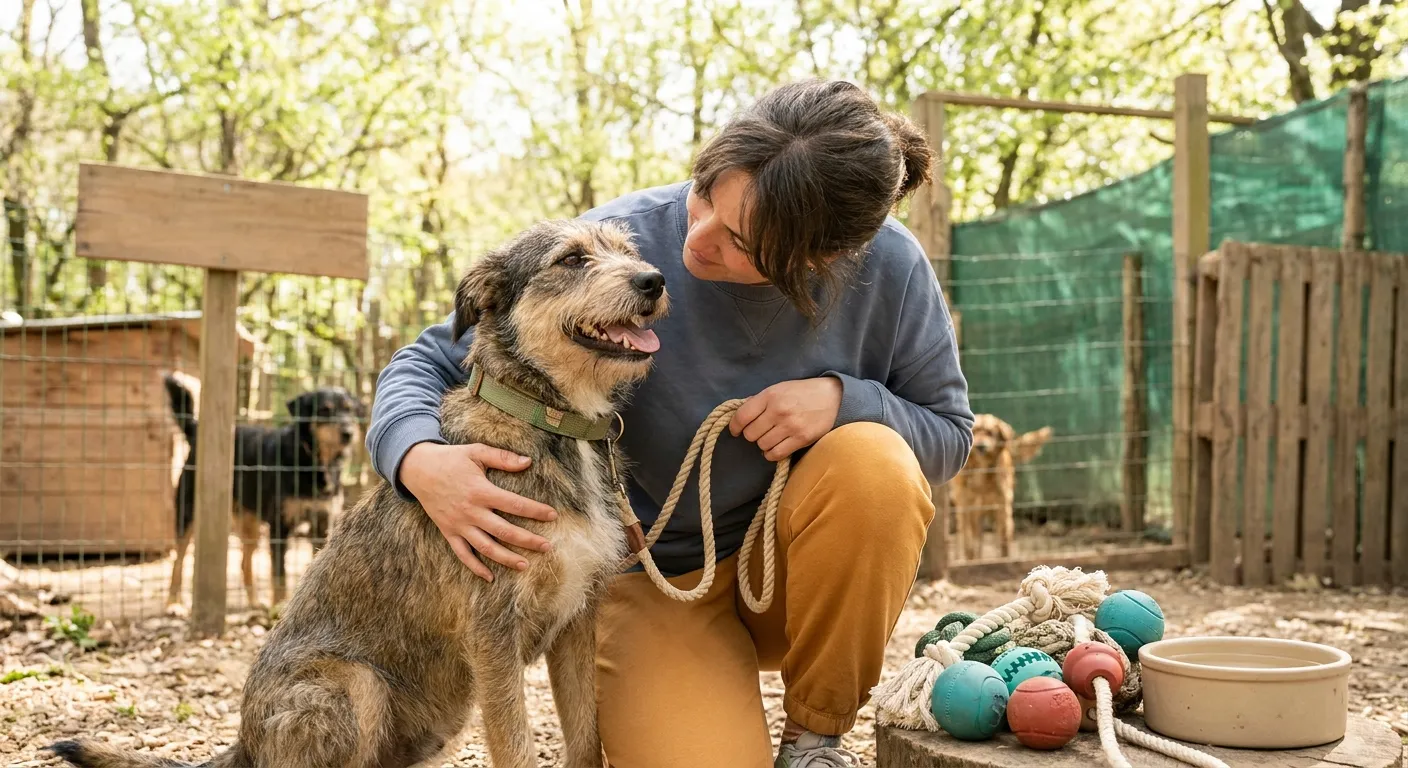
There’s a unique and profound joy that comes from giving a rescue animal a second chance at life. These pets often show immense gratitude and form incredibly strong bonds with their new families. Many have overcome challenges and exhibit a resilience that is truly inspiring. Witnessing their transformation from a shelter animal to a cherished family member is an incredibly rewarding experience. Moreover, sharing your home with an adopted animal teaches compassion and empathy to everyone in the household. It strengthens the entire family unit. This emotional fulfillment is a significant, often underestimated, benefit of adopting a sustainable pet.
Long-Term Benefits for the Community and Beyond
The benefits of adopting a sustainable pet extend far beyond your immediate household. A reduction in pet overpopulation lessens the strain on local animal control services and taxpayers. It also fosters a more humane society where animals are valued and protected. Furthermore, a community that supports adoption often sees a decrease in stray animal populations, leading to safer neighborhoods. By choosing adoption, you become part of a larger movement towards responsible pet ownership and environmental stewardship. This contributes to a healthier, more compassionate world for all. For additional insights into broader holistic sustainable dog care, explore our comprehensive guide.
Making the Conscious Choice to Welcome a Rescue Animal
Ultimately, the decision to welcome a rescue animal is a conscious and impactful one. It embodies the values of compassion, responsibility, and environmental awareness that define a truly sustainable lifestyle. By choosing to adopt, you not only save a life but also contribute to a healthier planet and a more ethical pet industry. It’s a powerful statement about the kind of world you want to live in and the values you want to uphold. Therefore, when you’re ready to open your home and heart, consider the profound benefits of adopting a sustainable pet. Your choice truly makes a difference.
For more information on the impact of pet ownership on the environment, consider resources from reputable organizations like the ASPCA, which provides valuable data and insights into animal welfare and responsible pet care practices. ASPCA.org is a great starting point. Another excellent resource for understanding the broader implications of pet care choices is the Humane Society of the United States, which advocates for animal protection and offers extensive information on adopting and caring for pets responsibly. Visit Humanesociety.org for more details.
FAQ
What are the primary reasons to consider pet adoption?
Pet adoption offers numerous benefits, including saving a life, reducing pet overpopulation, supporting animal shelters, and often saving money on initial veterinary costs. Many rescued animals are already spayed/neutered and vaccinated, which provides significant savings for new owners.
How does choosing a rescue animal contribute to environmental sustainability?
Opting for a rescue animal reduces demand for commercial breeding operations, which consume substantial resources like food, water, and energy, and generate considerable waste. By giving a home to an existing animal, you lessen the overall environmental impact associated with new animal production.
Are there any financial advantages to adopting instead of buying?
Yes, typically adoption fees are lower than purchasing from a breeder and often include essential veterinary services such as spaying/neutering, microchipping, and initial vaccinations, saving you significant upfront costs. This allows you to invest more in quality sustainable dog care practices.
What kind of pets can I find at animal shelters?
Animal shelters house a wide variety of pets, including dogs, cats, puppies, and kittens, as well as senior animals and various breeds or mixed breeds. Shelter staff often provide information on a pet’s temperament and history to help ensure a good match for your family.
How can I ensure a smooth transition for my newly adopted companion?
To ensure a smooth transition, create a safe and comfortable environment at home. Provide a quiet space, consistent routine, and plenty of patience. Consider using eco-friendly pet products and spend time bonding with your new companion to help them adjust. This thoughtful approach makes welcoming a rescue animal a success.