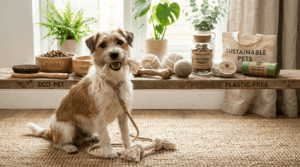


Many pet owners today want healthier options for their dogs while also making environmentally responsible decisions. As sustainability becomes more important in daily life, consumers are starting to question where pet products come from, how they are made, and what happens after they are used. This growing awareness has increased interest in natural dog treats because they often appear healthier, cleaner, and more eco-friendly than highly processed alternatives. However, not every product marketed as natural truly supports sustainability or responsible production.
Understanding the relationship between nutrition, sourcing, packaging, and manufacturing helps pet owners make better choices for both their dogs and the environment.
Natural dog treats often contain fewer artificial ingredients and preservatives, which may support better digestion and overall wellness. Still, sustainability involves much more than ingredient labels alone.
Consumers should also examine farming practices, packaging waste, transportation methods, and ethical sourcing standards before deciding which products deserve support.
Why More Owners Prefer Natural Ingredients
Dog owners increasingly pay attention to ingredient lists because many traditional treats contain fillers, synthetic additives, artificial coloring, and low-quality byproducts.
Natural dog treats usually focus on recognizable ingredients such as real meat, vegetables, fruits, grains, or limited-component recipes.
Many owners believe simpler ingredient lists feel safer and easier to trust. Additionally, dogs with food sensitivities sometimes respond better to less processed options.
Natural ingredients may also improve coat quality, digestion, energy levels, and appetite consistency in some pets.
Although every dog reacts differently, many owners appreciate products that avoid unnecessary chemicals and artificial flavoring.
The Meaning of Sustainability in Pet Products
Sustainability means using resources responsibly while minimizing long-term environmental damage.
When discussing natural dog treats, sustainability includes farming methods, ingredient sourcing, waste reduction, ethical labor practices, manufacturing efficiency, and packaging materials.
A product cannot automatically qualify as sustainable simply because it uses the word “natural” on packaging.
Some treats still rely on environmentally harmful production systems despite using minimal ingredients.
Responsible consumers should look beyond marketing language and evaluate the company’s broader environmental practices carefully.
Ingredient Sourcing Matters Greatly
The environmental impact of pet treats often begins with ingredient sourcing.
Natural dog treats made from responsibly farmed ingredients may support lower environmental strain than heavily processed products using questionable supply chains.
Locally sourced ingredients sometimes reduce transportation emissions significantly.
Additionally, ethical farming practices may improve soil quality, reduce pollution, and support better animal welfare standards.
Sustainable sourcing also encourages greater transparency throughout manufacturing systems.
Limited Ingredient Treats Reduce Waste
Simpler products often require fewer processing stages and less industrial manufacturing.
Many natural dog treats use limited ingredients, which may reduce production complexity and energy consumption.
Additionally, straightforward recipes can help owners identify potential allergens more easily.
Products containing fewer additives often avoid unnecessary chemical processing while maintaining appealing taste and texture for dogs.
Packaging Creates Major Environmental Concerns
Packaging remains one of the biggest sustainability challenges within the pet industry.
Many natural dog treats still use plastic pouches, multilayer bags, or non-recyclable packaging materials that contribute heavily to landfill waste.
Environmentally responsible companies increasingly explore recyclable, compostable, or reduced packaging alternatives.
Although sustainable packaging solutions continue improving, consumers should still examine disposal instructions carefully before purchasing products.
Smaller packaging footprints often reduce shipping emissions as well.
Treat Production Has a Carbon Footprint
Every product manufactured and transported creates environmental impact.
Natural dog treats produced locally may reduce transportation emissions compared to imported alternatives shipped across long distances.
Manufacturing efficiency also influences sustainability considerably.
Facilities using renewable energy, water conservation systems, or waste reduction practices often support more environmentally responsible production.
Consumers interested in sustainability should research whether companies publicly share environmental goals or manufacturing commitments.
Single-Protein Treats Are Becoming Popular
Many owners now prefer treats featuring single protein sources such as salmon, duck, turkey, or lamb.
Natural dog treats with single-protein formulas often simplify digestion while helping dogs with food sensitivities avoid problematic ingredients.
Certain sustainable brands also use responsibly harvested proteins or ingredients sourced from lower-impact farming systems.
However, protein sourcing still varies widely between manufacturers.
Byproduct Use Can Sometimes Reduce Waste
Interestingly, sustainability discussions surrounding pet treats sometimes involve responsible byproduct utilization.
Certain natural dog treats incorporate nutritious animal parts humans typically discard, including organs or cartilage.
Using these ingredients responsibly may actually reduce food waste while maximizing resource efficiency.
Consumers should distinguish between low-quality fillers and nutritionally valuable byproducts processed safely and ethically.
Overconsumption Creates Environmental Problems Too
Sustainability involves not only production but also consumption habits.
Many owners unintentionally overfeed treats, which increases waste, packaging use, and unnecessary product demand.
Natural dog treats should remain part of a balanced diet rather than constant snacks throughout the day.
Using treats thoughtfully supports healthier dogs while reducing excessive consumption and unnecessary purchasing patterns.
Organic Ingredients Are Not Always Perfect
Organic farming often reduces pesticide exposure and supports environmentally conscious agriculture. However, organic certification alone does not automatically guarantee complete sustainability.
Some natural dog treats may contain organic ingredients yet still rely on excessive packaging or inefficient transportation systems.
Consumers should evaluate the overall environmental picture instead of focusing only on one marketing label.
Homemade Treats Appeal to Eco-Conscious Owners
Some pet owners now prepare homemade snacks using locally sourced ingredients or leftover food components safely suitable for dogs.
Homemade alternatives may reduce packaging waste associated with commercial natural dog treats while offering greater ingredient control.
However, owners should always ensure homemade recipes meet canine nutritional safety standards.
Not all human foods remain safe for dogs, and certain ingredients may cause serious health issues.
Sustainable Brands Often Focus on Transparency
Companies prioritizing sustainability frequently provide detailed sourcing, production, and environmental information publicly.
Transparent brands manufacturing natural dog treats often explain ingredient origins, packaging decisions, and sustainability goals clearly on websites or labels.
This openness helps consumers make informed purchasing decisions more confidently.
Vague environmental claims without supporting details deserve careful skepticism.
Shelf Life and Food Waste Matter
Treats spoiling quickly may increase food waste if owners cannot use products before expiration dates.
Some natural dog treats avoid synthetic preservatives while still maintaining reasonable shelf stability through safer preservation methods.
Proper storage practices also help reduce unnecessary waste at home.
Owners should purchase appropriate package sizes matching realistic usage patterns rather than buying excessive quantities impulsively.
Ethical Manufacturing Supports Long-Term Sustainability
Environmental sustainability and ethical business practices often overlap closely.
Responsible companies producing natural dog treats frequently prioritize fair labor conditions, safe manufacturing environments, and transparent supplier relationships.
Consumers increasingly recognize that sustainability involves social responsibility alongside environmental concerns.
Supporting ethical businesses may encourage broader positive industry changes over time.
Eco-Friendly Marketing Can Be Misleading
Green marketing continues growing rapidly throughout the pet industry.
Unfortunately, some companies use sustainability language loosely without implementing meaningful environmental improvements.
Natural dog treats marketed as “green,” “eco-friendly,” or “earth conscious” may still involve wasteful practices behind the scenes.
Consumers should research certifications, ingredient sourcing, packaging details, and company transparency carefully before trusting broad environmental claims completely.
Bulk Buying Can Reduce Packaging Waste
Purchasing larger quantities sometimes reduces overall packaging waste per serving.
Owners regularly using natural dog treats may lower environmental impact by choosing refillable containers or bulk purchasing systems when available.
However, products should still remain fresh and safe before consumption.
Spoiled treats create unnecessary waste and eliminate any sustainability benefits gained through reduced packaging.
Plant-Based Treats Are Expanding Slowly
Some companies now offer plant-focused treats using ingredients like sweet potatoes, pumpkin, oats, lentils, or peas.
Plant-based natural dog treats may reduce reliance on resource-intensive animal agriculture in certain situations.
However, dogs still require balanced nutrition supporting their biological needs appropriately.
Owners should evaluate ingredient quality and nutritional value carefully rather than following trends blindly.
Sustainable Pet Ownership Requires Balance
Perfect sustainability rarely exists in modern consumer systems. Instead, responsible ownership involves making gradually better choices whenever possible.
Choosing durable pet products, minimizing waste, supporting transparent companies, recycling responsibly, and selecting thoughtfully sourced natural dog treats all contribute positively over time.
Consumers do not need perfection to create meaningful environmental improvement. Small consistent choices often produce lasting impact when adopted collectively across millions of households.
Most importantly, sustainability should support both environmental responsibility and canine health simultaneously. Treats should remain safe, nutritious, enjoyable, and responsibly produced rather than relying solely on marketing trends. As awareness grows, more companies will likely continue improving transparency, sourcing practices, and packaging solutions to meet rising consumer expectations for healthier and more sustainable pet care products.
FAQ
1. Are natural treats healthier for dogs?
Many contain fewer artificial additives and simpler ingredients that may support better digestion and overall wellness.
2. What makes a pet treat sustainable?
Responsible sourcing, reduced waste, ethical production, and recyclable packaging all contribute to sustainability.
3. Do sustainable pet treats cost more?
Some products cost more initially because responsible sourcing and eco-friendly packaging often increase production expenses.
4. Can homemade snacks reduce environmental impact?
Yes, homemade options may reduce packaging waste when prepared safely using dog-friendly ingredients.
5. Are recyclable treat bags common now?
Some brands offer recyclable packaging, although many pet food materials still remain difficult to recycle fully.