
Pet owners often worry about Dog Toys Toxic Chemicals and whether these products are properly regulated. After all, dogs chew, lick, and even swallow pieces of their toys. Therefore, the materials used in manufacturing matter more than many people realize.
While toys for children face strict safety laws, pet products fall into a different category. As a result, regulations can vary widely depending on the country, the material, and the manufacturer. Understanding how oversight works helps you make safer decisions for your dog.
In this guide, you’ll learn how regulation works, what chemicals may appear in pet toys, and how to choose safer options with confidence.
Why Dog Toy Safety Matters
Dogs interact with toys using their mouths. Consequently, they experience far more exposure to materials than humans typically do. If a toy contains harmful additives, that exposure can build over time.
Chewing also causes friction and wear. Therefore, chemicals embedded in plastics or rubber may leach out gradually. Puppies, seniors, and aggressive chewers may face higher risks because they chew longer and harder.
Additionally, dogs cannot communicate subtle symptoms. Mild toxicity may show up as digestive upset, lethargy, or skin irritation. However, many owners never connect those signs to toy materials.
Because of these risks, concerns about Dog Toys Toxic Chemicals continue to grow among veterinarians and pet safety advocates.
Are Dog Toys Regulated by Government Agencies?
In most countries, pet toys are not regulated as strictly as children’s toys. In the United States, for example, no single federal agency directly oversees Dog Toys Toxic Chemicals in the same way the Consumer Product Safety Commission regulates children’s products.
Instead, regulation often depends on intended use. If a toy qualifies as a veterinary device or contains a drug component, oversight may increase. However, most chew toys are classified simply as consumer goods.
That means manufacturers are generally responsible for ensuring product safety. While they must comply with general consumer safety laws, no mandatory pre-market chemical testing exists for most pet toys.
In the European Union, certain chemical safety standards such as REACH may apply. Therefore, some substances are restricted. Even so, enforcement can vary.
Because of these gaps, understanding Dog Toys Toxic Chemicals becomes essential for informed buying.
Common Chemicals Found in Dog Toys
Many toys are made from plastics, rubber, nylon, or synthetic fabrics. Although these materials are durable, they sometimes contain chemical additives.
Here are some substances that have raised concerns:
Phthalates
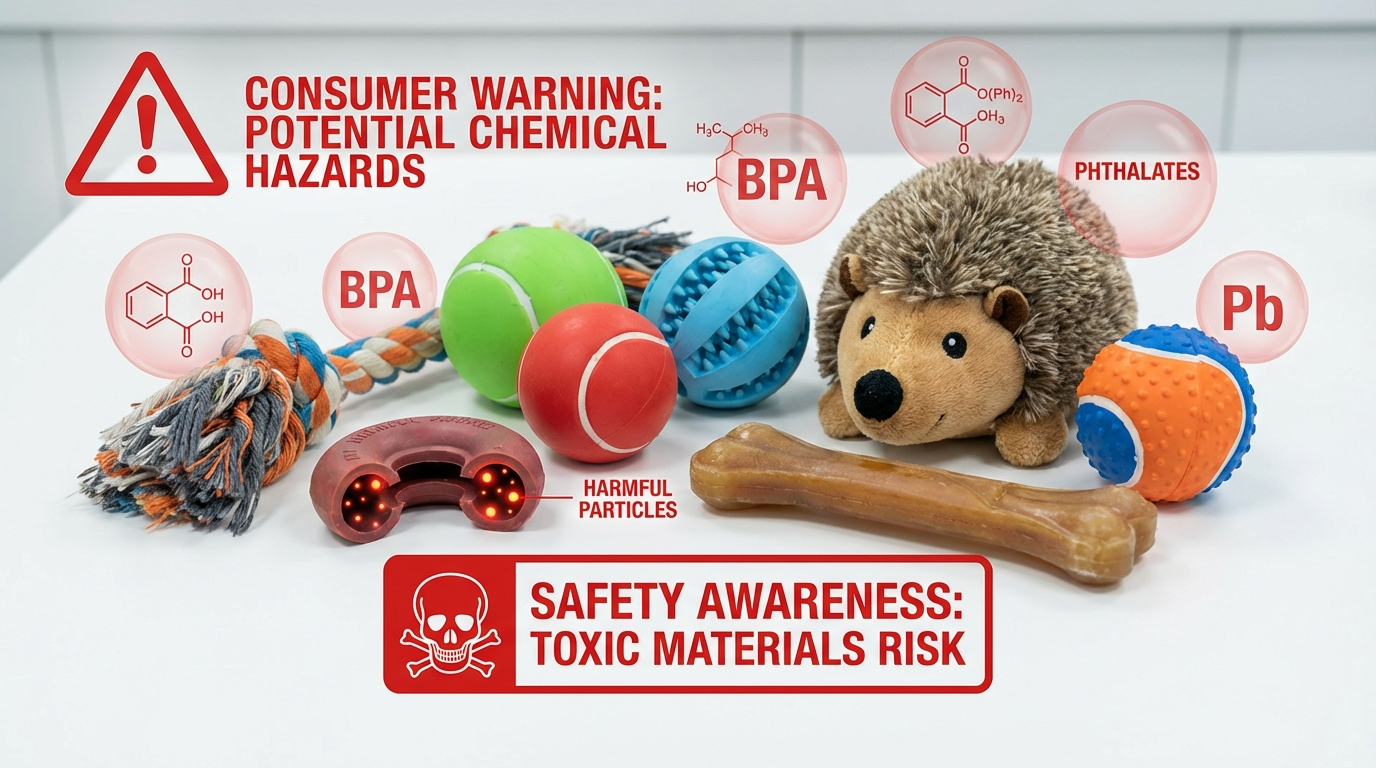
Phthalates are plasticizers used to soften PVC. However, some phthalates have been linked to hormone disruption in humans and animals. While children’s toys often restrict them, pet toys may not follow the same strict limits.
Bisphenol A (BPA)
BPA strengthens polycarbonate plastics. Nevertheless, studies suggest it may affect endocrine function. Although many companies now advertise “BPA-free” products, labeling is not universal.
Lead
Lead can appear in dyes or recycled materials. Even small amounts pose serious health risks. Therefore, any detectable lead in chewable items raises concern.
Flame Retardants
Some fabric toys may contain flame-retardant chemicals. These substances can accumulate in the body over time.
Formaldehyde
Certain glues and treated fabrics may release small amounts of formaldehyde. Although levels may be low, chronic exposure could cause irritation.
Because regulation varies, Dog Toys Toxic Chemicals may include any of these unless manufacturers voluntarily restrict them.
How Exposure Happens in Dogs
Unlike humans, dogs explore the world through chewing. Consequently, chemical exposure routes differ.
First, oral ingestion occurs when tiny particles break off during chewing. Second, absorption may happen through saliva interacting with the material. Third, inhalation can occur if volatile compounds release into the air.
Smaller dogs may face higher proportional exposure due to body weight. Similarly, puppies chew intensely during teething, increasing potential intake.
Although acute poisoning from toys is rare, chronic low-level exposure remains a concern. For this reason, conversations about Dog Toys Toxic Chemicals focus on long-term safety rather than immediate toxicity.
What Research Says About Pet Toy Chemicals
Scientific research on Dog Toys Toxic Chemicals remains limited. However, independent testing groups have occasionally found concerning substances in imported toys.
Some studies detected phthalates and heavy metals in inexpensive vinyl products. Others found chemical migration into saliva simulants during lab testing. These findings do not prove widespread danger. Still, they highlight potential risks.
Veterinary toxicologists often emphasize that exposure levels matter. Therefore, not every trace amount causes harm. Dose, duration, and the individual dog’s health all play roles.
Because research is ongoing, cautious purchasing makes sense. Meanwhile, increased consumer awareness encourages manufacturers to adopt safer materials.
How Manufacturers Address Safety Concerns
Many reputable companies now market toys as non-toxic or food-grade. While these claims can provide reassurance, definitions vary.
For example, “food-grade” typically means materials meet standards for food contact. However, that does not always guarantee chew resistance under heavy use.
Some brands conduct third-party lab testing for heavy metals or phthalates. Others comply voluntarily with children’s toy standards, even though not required.
Certifications such as FDA-compliant materials or REACH compliance can offer additional confidence. Still, transparency differs between companies.
Because no universal rule governs Dog Toys Toxic Chemicals, reading product details carefully becomes essential.
How to Choose Safer Dog Toys
Although regulation gaps exist, you can reduce risk with informed decisions.
Consider these practical tips:
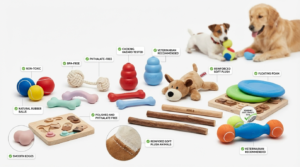
Choose reputable brands with clear safety statements. Avoid extremely cheap imports without ingredient information. Look for labels such as BPA-free or phthalate-free. Select natural rubber or untreated cotton when possible. Replace damaged toys promptly to limit ingestion of fragments.
Additionally, supervise chewing sessions. Even safe materials can cause problems if swallowed in large chunks.
When in doubt, contact manufacturers directly. Ask whether testing for heavy metals or plasticizers occurs. Responsible companies often respond transparently.
Taking these steps minimizes concerns about Dog Toys Toxic Chemicals without eliminating fun and enrichment.
Natural and Alternative Materials
Some owners prefer natural alternatives. While no material is perfect, certain options may reduce chemical exposure.
Natural rubber sourced without synthetic fillers often contains fewer additives. Organic cotton rope toys avoid chemical dyes when certified. Hard nylon alternatives labeled food-grade may also offer reassurance.
However, durability still matters. A natural toy that breaks apart quickly may increase choking risk. Therefore, balance chemical safety with structural integrity.
Rotating toys also reduces prolonged contact with any single material. As a result, overall exposure may decrease over time.
Ultimately, awareness of Dog Toys Toxic Chemicals helps guide thoughtful material choices.
The Role of Consumer Advocacy
Consumer demand drives change. As more owners ask about Dog Toys Toxic Chemicals, manufacturers respond with improved transparency.
Online reviews and independent testing organizations play important roles. When concerns surface publicly, companies often reformulate products.
Pet industry groups have also begun discussing voluntary safety guidelines. Although not legally binding, these standards can raise the overall bar.
Education remains the most powerful tool. Informed buyers influence the market through purchasing decisions.
Should You Be Worried?
It is natural to feel concerned. However, panic rarely helps. Severe poisoning from regulated retail toys remains uncommon.
Instead, focus on risk reduction. Choose quality over price. Replace worn items quickly. Avoid unknown brands lacking safety details.
Dogs benefit greatly from mental stimulation and chewing outlets. Removing toys entirely may create behavioral problems. Therefore, balance caution with practicality.
Understanding Dog Toys Toxic Chemicals allows you to make rational decisions based on evidence rather than fear.
Future Trends in Pet Product Regulation
Regulatory landscapes evolve over time. As awareness increases, governments may introduce stricter guidelines.
Some advocacy groups already push for aligning pet toy standards with children’s toy regulations. If implemented, that shift could limit hazardous additives.
Manufacturers also innovate with plant-based plastics and biodegradable materials. These developments may reduce synthetic chemical reliance.
While progress takes time, transparency continues improving. Consequently, long-term outlooks appear positive for safer pet products.
Until uniform oversight exists, responsible purchasing remains your strongest safeguard against Dog Toys Toxic Chemicals.
Conclusion
Questions about Dog Toys Toxic Chemicals reflect a broader concern about pet safety. Although most pet toys face fewer regulations than children’s products, awareness is increasing.
Chemical additives such as phthalates, BPA, or heavy metals may appear in some materials. However, reputable brands increasingly adopt safer standards and voluntary testing.
Rather than assuming every toy is dangerous, evaluate products thoughtfully. Choose trusted manufacturers, prioritize durable materials, and supervise chewing sessions.
By staying informed, you protect your dog without sacrificing enrichment. Knowledge empowers better decisions, and informed owners drive industry improvement.
FAQ
- Are pet toys tested the same way as children’s toys?
No. Children’s products typically face stricter mandatory testing. Pet toys often rely on general consumer safety standards instead. - Can chemicals from chew toys harm dogs over time?
Long-term exposure to certain additives may pose risks. However, actual harm depends on dose, duration, and the dog’s health. - What materials are generally considered safer for dogs?
Natural rubber, food-grade nylon, and untreated cotton often present fewer chemical concerns than soft PVC plastics. - Should I avoid imported toys entirely?
Not necessarily. Instead, look for transparency, certifications, and clear safety information from any manufacturer. - How often should I replace my dog’s toys?
Inspect toys weekly and replace them once cracks, tears, or loose pieces appear to reduce ingestion risks.
Pet owners often worry about Dog Toys Toxic Chemicals and whether these products are properly regulated. After all, dogs chew, lick, and even swallow pieces of their toys. Therefore, the materials used in manufacturing matter more than many people realize.
While toys for children face strict safety laws, pet products fall into a different category. As a result, regulations can vary widely depending on the country, the material, and the manufacturer. Understanding how oversight works helps you make safer decisions for your dog.
In this guide, you’ll learn how regulation works, what chemicals may appear in pet toys, and how to choose safer options with confidence.
Why Dog Toy Safety Matters
Dogs interact with toys using their mouths. Consequently, they experience far more exposure to materials than humans typically do. If a toy contains harmful additives, that exposure can build over time.
Chewing also causes friction and wear. Therefore, chemicals embedded in plastics or rubber may leach out gradually. Puppies, seniors, and aggressive chewers may face higher risks because they chew longer and harder.
Additionally, dogs cannot communicate subtle symptoms. Mild toxicity may show up as digestive upset, lethargy, or skin irritation. However, many owners never connect those signs to toy materials.
Because of these risks, concerns about Dog Toys Toxic Chemicals continue to grow among veterinarians and pet safety advocates.
Are Dog Toys Regulated by Government Agencies?
In most countries, pet toys are not regulated as strictly as children’s toys. In the United States, for example, no single federal agency directly oversees Dog Toys Toxic Chemicals in the same way the Consumer Product Safety Commission regulates children’s products.
Instead, regulation often depends on intended use. If a toy qualifies as a veterinary device or contains a drug component, oversight may increase. However, most chew toys are classified simply as consumer goods.
That means manufacturers are generally responsible for ensuring product safety. While they must comply with general consumer safety laws, no mandatory pre-market chemical testing exists for most pet toys.
In the European Union, certain chemical safety standards such as REACH may apply. Therefore, some substances are restricted. Even so, enforcement can vary.
Because of these gaps, understanding Dog Toys Toxic Chemicals becomes essential for informed buying.
Common Chemicals Found in Dog Toys
Many toys are made from plastics, rubber, nylon, or synthetic fabrics. Although these materials are durable, they sometimes contain chemical additives.
Here are some substances that have raised concerns:
Phthalates
Phthalates are plasticizers used to soften PVC. However, some phthalates have been linked to hormone disruption in humans and animals. While children’s toys often restrict them, pet toys may not follow the same strict limits.
Bisphenol A (BPA)
BPA strengthens polycarbonate plastics. Nevertheless, studies suggest it may affect endocrine function. Although many companies now advertise “BPA-free” products, labeling is not universal.
Lead
Lead can appear in dyes or recycled materials. Even small amounts pose serious health risks. Therefore, any detectable lead in chewable items raises concern.
Flame Retardants
Some fabric toys may contain flame-retardant chemicals. These substances can accumulate in the body over time.
Formaldehyde
Certain glues and treated fabrics may release small amounts of formaldehyde. Although levels may be low, chronic exposure could cause irritation.
Because regulation varies, Dog Toys Toxic Chemicals may include any of these unless manufacturers voluntarily restrict them.
How Exposure Happens in Dogs
Unlike humans, dogs explore the world through chewing. Consequently, chemical exposure routes differ.
First, oral ingestion occurs when tiny particles break off during chewing. Second, absorption may happen through saliva interacting with the material. Third, inhalation can occur if volatile compounds release into the air.
Smaller dogs may face higher proportional exposure due to body weight. Similarly, puppies chew intensely during teething, increasing potential intake.
Although acute poisoning from toys is rare, chronic low-level exposure remains a concern. For this reason, conversations about Dog Toys Toxic Chemicals focus on long-term safety rather than immediate toxicity.
What Research Says About Pet Toy Chemicals
Scientific research on Dog Toys Toxic Chemicals remains limited. However, independent testing groups have occasionally found concerning substances in imported toys.
Some studies detected phthalates and heavy metals in inexpensive vinyl products. Others found chemical migration into saliva simulants during lab testing. These findings do not prove widespread danger. Still, they highlight potential risks.
Veterinary toxicologists often emphasize that exposure levels matter. Therefore, not every trace amount causes harm. Dose, duration, and the individual dog’s health all play roles.
Because research is ongoing, cautious purchasing makes sense. Meanwhile, increased consumer awareness encourages manufacturers to adopt safer materials.
How Manufacturers Address Safety Concerns
Many reputable companies now market toys as non-toxic or food-grade. While these claims can provide reassurance, definitions vary.
For example, “food-grade” typically means materials meet standards for food contact. However, that does not always guarantee chew resistance under heavy use.
Some brands conduct third-party lab testing for heavy metals or phthalates. Others comply voluntarily with children’s toy standards, even though not required.
Certifications such as FDA-compliant materials or REACH compliance can offer additional confidence. Still, transparency differs between companies.
Because no universal rule governs Dog Toys Toxic Chemicals, reading product details carefully becomes essential.
How to Choose Safer Dog Toys
Although regulation gaps exist, you can reduce risk with informed decisions.
Consider these practical tips:
Choose reputable brands with clear safety statements. Avoid extremely cheap imports without ingredient information. Look for labels such as BPA-free or phthalate-free. Select natural rubber or untreated cotton when possible. Replace damaged toys promptly to limit ingestion of fragments.
Additionally, supervise chewing sessions. Even safe materials can cause problems if swallowed in large chunks.
When in doubt, contact manufacturers directly. Ask whether testing for heavy metals or plasticizers occurs. Responsible companies often respond transparently.
Taking these steps minimizes concerns about Dog Toys Toxic Chemicals without eliminating fun and enrichment.
Natural and Alternative Materials
Some owners prefer natural alternatives. While no material is perfect, certain options may reduce chemical exposure.
Natural rubber sourced without synthetic fillers often contains fewer additives. Organic cotton rope toys avoid chemical dyes when certified. Hard nylon alternatives labeled food-grade may also offer reassurance.
However, durability still matters. A natural toy that breaks apart quickly may increase choking risk. Therefore, balance chemical safety with structural integrity.
Rotating toys also reduces prolonged contact with any single material. As a result, overall exposure may decrease over time.
Ultimately, awareness of Dog Toys Toxic Chemicals helps guide thoughtful material choices.
The Role of Consumer Advocacy
Consumer demand drives change. As more owners ask about Dog Toys Toxic Chemicals, manufacturers respond with improved transparency.
Online reviews and independent testing organizations play important roles. When concerns surface publicly, companies often reformulate products.
Pet industry groups have also begun discussing voluntary safety guidelines. Although not legally binding, these standards can raise the overall bar.
Education remains the most powerful tool. Informed buyers influence the market through purchasing decisions.
Should You Be Worried?
It is natural to feel concerned. However, panic rarely helps. Severe poisoning from regulated retail toys remains uncommon.
Instead, focus on risk reduction. Choose quality over price. Replace worn items quickly. Avoid unknown brands lacking safety details.
Dogs benefit greatly from mental stimulation and chewing outlets. Removing toys entirely may create behavioral problems. Therefore, balance caution with practicality.
Understanding Dog Toys Toxic Chemicals allows you to make rational decisions based on evidence rather than fear.
Future Trends in Pet Product Regulation
Regulatory landscapes evolve over time. As awareness increases, governments may introduce stricter guidelines.
Some advocacy groups already push for aligning pet toy standards with children’s toy regulations. If implemented, that shift could limit hazardous additives.
Manufacturers also innovate with plant-based plastics and biodegradable materials. These developments may reduce synthetic chemical reliance.
While progress takes time, transparency continues improving. Consequently, long-term outlooks appear positive for safer pet products.
Until uniform oversight exists, responsible purchasing remains your strongest safeguard against Dog Toys Toxic Chemicals.
Conclusion
Questions about Dog Toys Toxic Chemicals reflect a broader concern about pet safety. Although most pet toys face fewer regulations than children’s products, awareness is increasing.
Chemical additives such as phthalates, BPA, or heavy metals may appear in some materials. However, reputable brands increasingly adopt safer standards and voluntary testing.
Rather than assuming every toy is dangerous, evaluate products thoughtfully. Choose trusted manufacturers, prioritize durable materials, and supervise chewing sessions.
By staying informed, you protect your dog without sacrificing enrichment. Knowledge empowers better decisions, and informed owners drive industry improvement.
FAQ
- Are pet toys tested the same way as children’s toys?
No. Children’s products typically face stricter mandatory testing. Pet toys often rely on general consumer safety standards instead. - Can chemicals from chew toys harm dogs over time?
Long-term exposure to certain additives may pose risks. However, actual harm depends on dose, duration, and the dog’s health. - What materials are generally considered safer for dogs?
Natural rubber, food-grade nylon, and untreated cotton often present fewer chemical concerns than soft PVC plastics. - Should I avoid imported toys entirely?
Not necessarily. Instead, look for transparency, certifications, and clear safety information from any manufacturer. - How often should I replace my dog’s toys?
Inspect toys weekly and replace them once cracks, tears, or loose pieces appear to reduce ingestion risks.