
The pet industry plastic problem has become impossible to ignore. Every year, millions of pet products end up in landfills, oceans, and waterways. From plastic toy packaging to disposable poop bags, the amount of waste generated by pet ownership continues to rise rapidly. While many pet owners focus on giving their animals the best care possible, fewer realize how much environmental damage traditional pet products can create over time.
As the global pet market expands, manufacturers produce more plastic bowls, food containers, grooming tools, and synthetic toys than ever before. Unfortunately, many of these items are difficult to recycle. Some contain mixed materials, while others break down into harmful microplastics. Consequently, the environmental impact stretches far beyond household trash bins.
Pet lovers increasingly want safer and more sustainable alternatives. Fortunately, companies are beginning to respond with eco-friendly packaging, biodegradable supplies, and reusable products. Still, solving the issue requires awareness, smarter purchasing habits, and industry-wide accountability.
Why Plastic Waste Dominates the Pet Industry
Plastic became popular because it is cheap, lightweight, and easy to manufacture. For decades, pet brands relied heavily on plastic for convenience and cost savings. However, that convenience now contributes heavily to the pet industry plastic problem affecting communities worldwide.
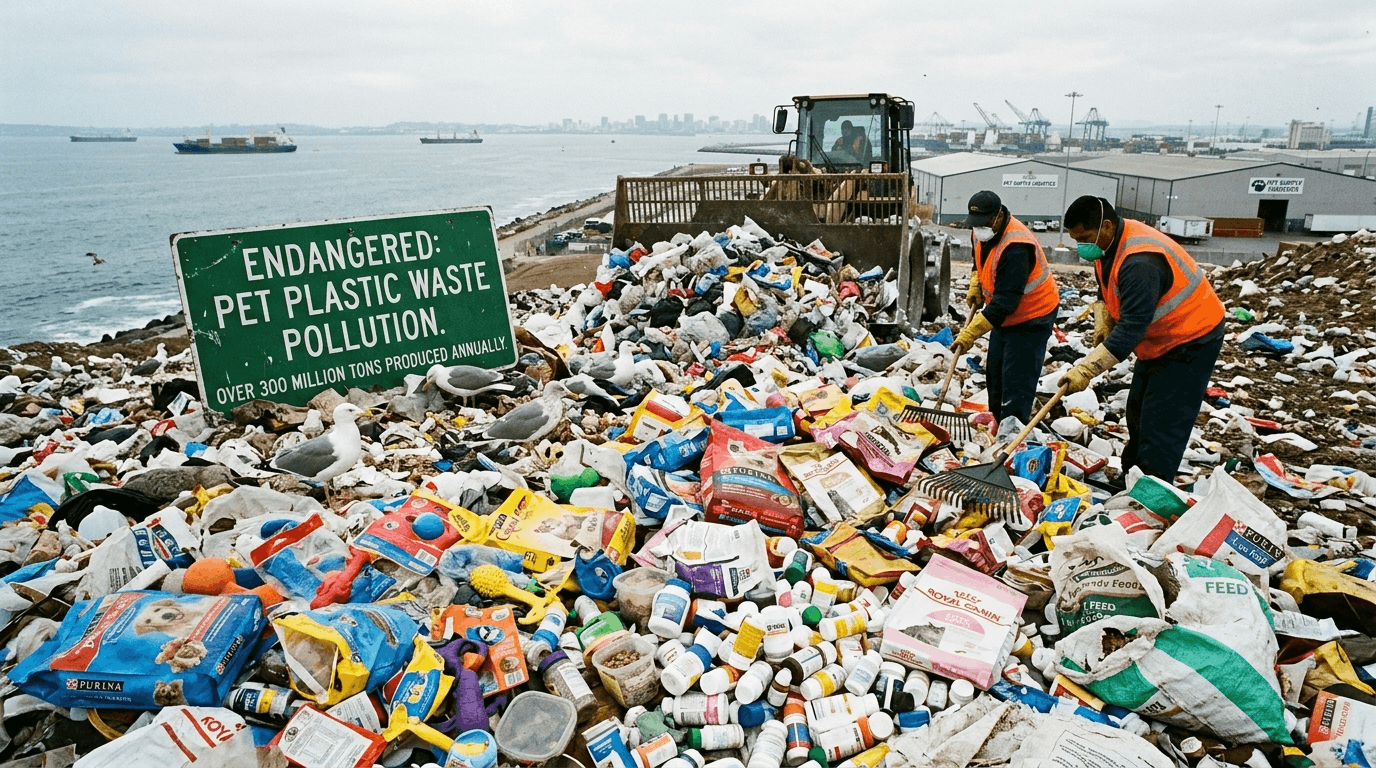
Most pet food comes packaged in multilayer plastic bags that cannot easily be recycled. Similarly, treats often arrive in small plastic pouches designed for single use. Even basic pet accessories like leashes, collars, litter trays, and chew toys frequently contain petroleum-based plastics.
Many products also have short life cycles. A dog may destroy a toy within days, while disposable training pads and waste bags are used once before disposal. As a result, households with pets often generate significantly more plastic waste than expected.
Moreover, online shopping has intensified the issue. Pet products shipped through e-commerce channels typically arrive wrapped in additional plastic padding and packaging materials. Although packaging protects products during transit, it also increases environmental strain.
The environmental cost becomes even more alarming when considering how slowly plastic decomposes. Some plastic materials remain in landfills for hundreds of years. During that time, they may release toxins into soil and water systems.
How Plastic Waste Impacts the Environment
The environmental effects of excessive plastic use extend well beyond overflowing garbage bins. The pet industry plastic problem contributes directly to pollution, habitat destruction, and wildlife harm.
When plastics enter oceans or rivers, marine animals often mistake them for food. Birds, fish, and sea turtles can suffer injuries or death after ingesting plastic fragments. In addition, larger plastic waste breaks down into microplastics that contaminate water supplies and food chains.
Landfills also struggle to manage growing volumes of pet-related waste. Plastic pet food bags, synthetic bedding, and disposable grooming products occupy enormous amounts of landfill space every year. Since many of these materials are not biodegradable, they remain trapped underground for generations.
Manufacturing plastic products creates another environmental burden. Producing plastic requires fossil fuels, energy, and industrial processing. Therefore, every plastic toy or accessory adds to carbon emissions before it even reaches store shelves.
Furthermore, incinerating plastic waste releases harmful chemicals into the atmosphere. Communities located near waste-burning facilities may experience increased air pollution and environmental health risks.
The Hidden Health Concerns for Pets
While environmental damage receives most of the attention, the pet industry plastic problem may also affect animal health. Certain plastic products contain chemicals that can become harmful over time.
Low-quality plastic bowls may develop scratches that trap bacteria. As a result, pets can face skin irritation or digestive issues. Some plastics also contain substances like BPA or phthalates, which researchers have linked to health concerns in both humans and animals.
Chew toys present another challenge. Dogs that aggressively chew plastic toys may accidentally swallow small fragments. Consequently, these pieces can create choking hazards or digestive blockages requiring veterinary treatment.
Synthetic bedding and plastic-based pet accessories may also trigger allergic reactions in sensitive animals. Although manufacturers increasingly offer safer alternatives, many inexpensive products still prioritize low production costs over material safety.
Because of these concerns, many veterinarians encourage pet owners to choose stainless steel, natural rubber, bamboo, or silicone products whenever possible. These materials often last longer while reducing exposure to questionable chemicals.
Eco-Friendly Alternatives Are Becoming More Popular
Consumer demand for sustainability continues to reshape the market. Thankfully, many brands now offer practical alternatives designed to reduce the pet industry plastic problem without sacrificing quality or convenience.
Reusable food containers made from stainless steel or glass provide durable storage options for pet owners. Likewise, biodegradable poop bags made from plant-based materials help reduce long-term waste accumulation.
Natural fiber toys crafted from hemp, cotton, or wool also offer safer alternatives to synthetic plastic toys. These products often decompose more naturally after disposal, making them better for the environment.
Additionally, refillable grooming products are becoming more common. Instead of buying new plastic shampoo bottles repeatedly, consumers can purchase concentrated refills that use less packaging overall.
Many sustainable pet brands now focus on minimalist packaging as well. Some companies ship products in recyclable cardboard instead of plastic wrapping. Others encourage bulk purchases to reduce packaging frequency.
Although eco-friendly products sometimes cost slightly more upfront, they often last longer. Therefore, many consumers ultimately save money while reducing waste.
How Pet Owners Can Reduce Plastic Waste
Individual choices play a major role in addressing the pet industry plastic problem. Even small changes can significantly reduce household plastic consumption over time.
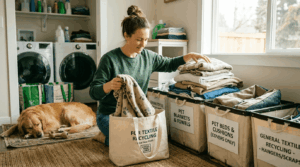
One of the easiest steps involves switching to reusable products. Durable food containers, washable pee pads, and long-lasting toys reduce the need for constant replacements. Similarly, investing in sturdy grooming tools eliminates disposable alternatives.
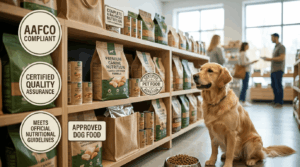
Buying pet food in bulk can also minimize packaging waste. Some specialty stores now offer refill stations where customers bring reusable containers for dry food and treats. Consequently, less single-use packaging enters the waste stream.
Choosing toys carefully matters as well. Instead of buying cheap plastic toys frequently, pet owners can select durable products made from safer materials. High-quality items may cost more initially, but they usually survive much longer.
Supporting environmentally responsible brands creates another positive impact. Companies that use recyclable packaging or sustainable materials often expand their eco-friendly practices when customer demand increases.
Recycling properly is equally important. Although many pet-related plastics remain difficult to recycle, certain packaging materials can still enter appropriate recycling systems if cleaned correctly.
Finally, donating unused pet supplies helps reduce unnecessary waste. Shelters and rescue organizations often accept gently used items, keeping products out of landfills while helping animals in need.
Why the Industry Must Take Greater Responsibility
Consumers alone cannot solve the pet industry plastic problem. Manufacturers, retailers, and packaging suppliers must also embrace more sustainable practices.
Many companies continue relying on excessive plastic because it remains inexpensive and widely available. However, environmental costs eventually affect everyone. Therefore, businesses must invest in alternative materials and better waste management systems.
Some pet brands have already introduced recyclable packaging programs. Others partner with environmental organizations to reduce waste throughout their supply chains. While these efforts represent progress, broader industry adoption remains necessary.
Retailers can help by prioritizing sustainable product lines and reducing unnecessary packaging during shipping. Likewise, manufacturers can redesign products for durability and recyclability rather than short-term convenience.
Government regulations may also influence future improvements. Several regions already restrict single-use plastics or require better recycling standards. As environmental awareness grows, additional policies could reshape how pet products are manufactured and distributed.
Transparency matters as well. Consumers increasingly want clear information about material sourcing, recyclability, and environmental impact. Brands that provide honest sustainability details often build stronger trust with eco-conscious shoppers.
The Future of Sustainable Pet Care
The future of pet ownership will likely become far more environmentally focused. As awareness increases, the pet industry plastic problem may gradually push innovation toward greener solutions.
Biodegradable packaging technology continues improving each year. Scientists are developing plant-based plastics and compostable materials capable of replacing many petroleum-based products. Consequently, future pet supplies may generate far less waste.
Subscription refill systems may also become more common. Instead of repeatedly purchasing new containers, customers could refill existing packaging through reusable delivery systems.
Technology could further improve recycling efficiency. Advanced sorting systems and material recovery processes may eventually handle complex pet packaging more effectively than current recycling facilities.
Consumer education will remain essential throughout this transition. Pet owners who understand environmental impacts are more likely to support responsible brands and sustainable practices.
Importantly, sustainability does not mean sacrificing pet comfort or care quality. In many cases, eco-friendly products offer greater durability, improved safety, and better long-term value.
The shift toward greener pet ownership may take time, but steady progress continues across the industry. Every purchase decision contributes to shaping future manufacturing standards and environmental outcomes.
Conclusion
The pet industry plastic problem represents a growing environmental challenge that affects ecosystems, wildlife, and even pet health. Plastic waste from food packaging, disposable products, toys, and accessories continues accumulating at an alarming rate. However, awareness is rising, and more sustainable solutions are becoming available every year.
Pet owners can make meaningful changes by choosing reusable products, supporting eco-friendly brands, and reducing unnecessary waste. At the same time, manufacturers and retailers must accept greater responsibility for packaging choices and product design.
Although no single solution will eliminate the issue overnight, collective action can create significant progress. Small changes made consistently by millions of pet owners have the power to reduce landfill waste, lower pollution levels, and encourage industry innovation.
Creating a healthier future for pets also means protecting the environment they depend on. With smarter habits and responsible choices, sustainable pet care can become the new standard rather than the exception.
FAQ
1. Why Is Plastic Waste So Common in Pet Products?
Plastic remains inexpensive, lightweight, and easy to manufacture. Therefore, many pet companies still rely heavily on it for packaging and accessories.
2. Are Biodegradable Poop Bags Better for the Environment?
Yes, biodegradable bags break down faster than traditional plastic bags. However, proper disposal still matters for the best environmental results.
3. What Are the Best Alternatives to Plastic Pet Bowls?
Stainless steel, ceramic, and glass bowls are safer and more durable alternatives that reduce long-term waste and bacteria buildup.
4. Can Pet Toys Be Recycled?
Some toys can be recycled depending on their material. However, many mixed-material toys remain difficult for standard recycling systems.
5. How Can I Make My Pet Care Routine More Sustainable?
You can reduce waste by buying durable products, using refillable containers, supporting eco-friendly brands, and avoiding disposable supplies whenever possible.