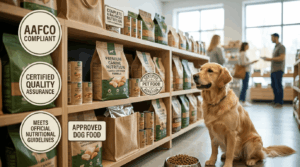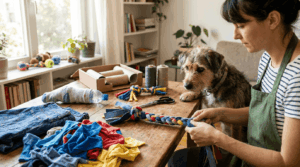

The eco-friendly pet products market is booming, with projections showing it could reach nearly $40 billion by 2034. This growth is fantastic, but it also means a surge in products claiming to be ‘green’ or ‘eco-friendly.’ Unfortunately, not all claims are created equal. As a conscious dog owner, knowing how to confidently navigate this landscape and truly excel at identifying sustainable pet products is crucial to avoid misleading greenwashing tactics.
The Greenwashing Challenge: What to Watch Out For
Greenwashing occurs when a company makes unsubstantiated or misleading claims about the environmental benefits of a product, service, or company practice. Stricter regulations, such as the EU Green Claims Directive and U.S. state-level plastic bans, are increasing scrutiny. However, many brands still try to capitalize on consumer demand for sustainability without genuinely earning it. Here’s how to spot it:
- Vague Buzzwords: Phrases like “all-natural,” “earth-friendly,” or “eco-conscious” are red flags without specific details or certifications.
- Hidden Trade-offs: A product might claim to be ‘natural’ but arrive in excessive plastic packaging or be sourced unethically.
- Irrelevant Claims: Highlighting a small eco-friendly attribute while ignoring significant environmental issues elsewhere in the product’s lifecycle is a common tactic.
- Lack of Transparency: Genuine sustainable brands provide clear information about sourcing, manufacturing processes, or end-of-life disposal.
Key Indicators for Identifying Sustainable Pet Products
To separate the genuinely green from the greenwashed, look for these concrete indicators. These will help in confidently distinguishing truly eco-friendly options.
1. Material Transparency and Sourcing
The origin and composition of materials are fundamental. Understanding these details is a significant step in identifying sustainable pet products.
- Recycled Content: Recycled materials, particularly rPET from plastic bottles (used in bedding, harnesses, leashes), represent a fast-growing segment, projected at an 11.1% CAGR through 2034. Always look for clear percentages of post-consumer recycled content.
- Natural & Organic Materials: Prioritize products made from organic cotton, hemp, bamboo, or natural rubber. These materials are renewable, biodegradable, and often produced with fewer chemicals. Verify organic claims with certifications like GOTS (Global Organic Textile Standard).
- Upcycled Ingredients: In pet food, look for ingredients derived from food waste. This is a core circular economy principle that reduces waste and maximizes resource use.
- Responsibly Sourced Wood: For items like scratching posts or toys, ensure wood is FSC (Forest Stewardship Council) certified. This guarantees it comes from responsibly managed forests.
2. Certifications and Third-Party Verification
Younger generations, especially Millennials and Gen Z, demand data-driven information and third-party verified claims. Legitimate certifications provide independent assurance. This is often the easiest way of identifying sustainable pet products.
- B Corp Certification: This indicates a company meets high standards of verified social and environmental performance, public transparency, and legal accountability.
- USDA Organic: For food and grooming products, this certification ensures ingredients are grown and processed according to strict organic standards.
- GOTS (Global Organic Textile Standard): For textiles, GOTS guarantees the organic status of textiles from harvesting of the raw materials through environmentally and socially responsible manufacturing.
- Cradle to Cradle Certified: This product standard assesses products for safety to human and environmental health and design for future cycles.
- Fair Trade Certified: While often associated with human products, some pet accessories may carry this, ensuring ethical labor practices and fair wages.
Beyond Materials: Holistic Sustainability Factors
Sustainability extends beyond raw materials. Consider the entire lifecycle of a product when you are identifying sustainable pet products.
3. Manufacturing Processes and Energy Use
How a product is made profoundly impacts its environmental footprint. Brands committed to sustainability often highlight their manufacturing practices.
- Renewable Energy: Companies utilizing solar, wind, or other renewable energy sources for production significantly reduce their carbon footprint. Look for this information on their websites.
- Water Conservation: Sustainable manufacturing often includes practices that minimize water usage and treat wastewater responsibly.
- Waste Reduction: Brands committed to zero-waste or minimal waste production are making a genuine effort. This includes recycling manufacturing scraps and optimizing production to reduce excess.
- Local Production: Sourcing and manufacturing closer to the point of sale reduces transportation emissions. While not always feasible, it’s a positive indicator.
4. Packaging and Shipping
Even the most eco-friendly product can lose its green credentials if wrapped in excessive, non-recyclable packaging. Smart packaging is a hallmark of truly sustainable pet supplies.
- Minimal & Recyclable Packaging: Look for products with minimal packaging made from recycled, recyclable, or compostable materials. Avoid single-use plastics wherever possible.
- Plastic-Free Options: Many brands are now offering completely plastic-free alternatives for items like poop bags, toys, and even food packaging. For example, some pet food comes in compostable bags or recyclable metal cans.
- Bulk Options: Purchasing in bulk can significantly reduce packaging waste over time. Consider this for food, treats, and even some grooming products.
- Carbon-Neutral Shipping: Some companies offset the carbon emissions associated with shipping their products. This demonstrates a commitment to reducing their overall environmental impact.
Making Smart Choices: Practical Tips for Shopping
Navigating the market requires a proactive approach. Here are practical tips for identifying sustainable pet products effectively.
5. Brand Transparency and Ethics
A truly sustainable brand will be open about its practices, even its challenges. Transparency builds trust and helps consumers make informed decisions.
- Accessible Information: Reputable brands will have detailed sections on their websites dedicated to their sustainability initiatives, certifications, and ethical sourcing. If information is hard to find, it could be a red flag.
- Company Values: Does the company’s mission align with environmental stewardship? Do they support environmental causes? This is a good indicator of genuine commitment.
- Ethical Sourcing: Beyond environmental impact, consider the social aspect. Does the brand ensure fair labor practices and safe working conditions throughout its supply chain? This is crucial for truly sustainable sourcing. You can learn more about why ethical sourcing matters in pet products.
6. Product Durability and End-of-Life
A product that lasts longer and can be properly disposed of or recycled has a lower environmental impact. This is a key factor when you are identifying sustainable pet products.
- Durability: Investing in high-quality, durable products reduces the need for frequent replacements, thereby minimizing waste. This applies to toys, beds, and apparel. For instance, exploring sustainable dog bed options can lead to long-lasting comfort and eco-consciousness.
- Repairability: Can the product be repaired if a part breaks? Some brands offer replacement parts or repair services.
- Biodegradability/Compostability: For products like poop bags or certain grooming wipes, look for certified compostable options. These break down naturally without harming the environment.
- Recyclability: When a product reaches the end of its life, can its components be recycled? Clear labeling is essential here.
Empowering Your Sustainable Pet Journey
The journey of identifying sustainable pet products can feel overwhelming, but with the right knowledge, you can make powerful choices. Every purchase is an opportunity to support brands that align with your values and contribute to a healthier planet for our beloved companions. By carefully examining materials, seeking out certifications, and understanding the full lifecycle of products, you become an informed advocate for a greener future.
Remember that even small changes add up. Opting for a single eco-friendly item over its conventional counterpart contributes to a larger movement. For a broader understanding of how to reduce your dog’s environmental footprint, consider exploring sustainable dog care practices. Your commitment helps foster a world where pet ownership and environmental responsibility go hand in paw. Continue to educate yourself, ask questions, and champion transparency in the pet industry. Together, we can drive positive change and ensure our furry friends thrive in a sustainable world.
FAQ
What is greenwashing in pet products?
Greenwashing occurs when companies mislead consumers about the environmental benefits of their pet products, using vague claims or irrelevant eco-friendly attributes without genuine sustainable practices. It’s important to look beyond buzzwords.
Why are certifications important for eco-friendly pet supplies?
Certifications from third-party organizations provide independent verification that a product or company meets specific environmental and social standards. They cut through marketing claims and offer reliable assurance of genuine sustainability.
How can I tell if pet product packaging is truly sustainable?
Look for minimal packaging made from recycled, recyclable, or compostable materials. Avoid excessive plastic and seek out brands that clearly label their packaging components and provide instructions for proper disposal.
What natural materials should I look for in pet accessories?
Prioritize pet accessories made from organic cotton, hemp, bamboo, natural rubber, or responsibly sourced wood (FSC certified). These materials are renewable, often biodegradable, and produced with fewer harmful chemicals.
Does a product’s durability affect its environmental impact?
Absolutely. Durable products reduce the need for frequent replacements, which in turn minimizes waste and resource consumption over time. Investing in high-quality, long-lasting items is a key aspect of sustainable consumption.