
As pet humanization trends continue to deepen, dog owners are increasingly extending their personal values of health and sustainability to their furry family members. This shift has ignited robust growth in the eco-friendly pet products market, with a projected reach of $34.6 billion to $38.6 billion by 2034. At the heart of this movement is a desire for holistic eco-friendly dog care – an approach that considers the interconnectedness of pet health, environmental impact, and ethical consumption. This guide will walk you through sustainable choices in nutrition, grooming, and waste management, empowering you to nurture your dog’s well-being while safeguarding our planet.
Sustainable Nutrition: Fueling Health, Minimizing Footprint
Food and treats represent the largest segment of the eco-friendly pet products market, accounting for 34.2% to 38.4% in 2025. This area offers significant opportunities to reduce environmental impact. Furthermore, choosing the right food directly impacts your dog’s vitality. Therefore, making informed decisions here is crucial for both pet and planetary health.
The Rise of Plant-Based and Insect-Based Proteins
Traditional meat production carries a heavy environmental burden. Consequently, this has led to a surge in innovative, sustainable protein sources. Plant-based proteins, derived from ingredients like peas, potatoes, and lentils, offer complete and balanced nutrition while drastically reducing carbon emissions and water usage. Similarly, insect-based proteins, such as those from black soldier fly larvae, are highly digestible, nutrient-rich, and require far fewer resources than conventional livestock. These options support gut health and offer transparent, traceable sourcing with shorter ingredient lists. They represent a significant step towards more sustainable pet feeding.
Upcycled Ingredients and Local Sourcing
Another powerful trend is the use of upcycled ingredients – food-grade byproducts from human food production that would otherwise go to waste. This significantly reduces food waste and creates a circular economy. Paired with local sourcing, which minimizes transportation emissions, these practices ensure your dog’s meals are not only nutritious but also environmentally responsible. Look for brands that clearly state their sourcing and upcycling practices. In addition, supporting local producers often means fresher ingredients and a reduced carbon footprint, benefiting your dog and the community.
Green Grooming: Gentle on Paws, Kind to the Earth
Sustainable grooming practices focus on natural, biodegradable ingredients and eco-conscious packaging. What goes down the drain impacts waterways, so ingredient choice is paramount. Moreover, your dog’s skin is their largest organ, absorbing what you put on it. Therefore, selecting gentle, non-toxic products is vital for their long-term health.
Natural, Biodegradable Formulations
Choose shampoos, conditioners, and wipes made with natural, plant-derived ingredients free from harsh chemicals, synthetic fragrances, and dyes. Brands like Earthbath and Burt’s Bees for Pets offer excellent eco-friendly options. These products are not only safer for your dog’s skin and coat but also biodegrade more readily, reducing pollution in our water systems. Look for certifications that confirm ingredient safety and environmental impact. Furthermore, avoiding harsh chemicals can prevent skin irritations and allergies in sensitive pups.
Water Conservation and Sustainable Tools
Consider water-saving techniques during bath time, such as using low-flow sprayers or waterless shampoos for quick clean-ups. Additionally, invest in grooming tools made from sustainable materials like bamboo brushes or recycled plastic combs. These small changes contribute to a larger reduction in your household’s environmental footprint. For example, bamboo is a rapidly renewable resource, making it an excellent alternative to traditional plastics. Furthermore, opting for reusable grooming cloths instead of disposable wipes can also lessen waste.
Mindful Waste Management: Lessening Your Paw Print
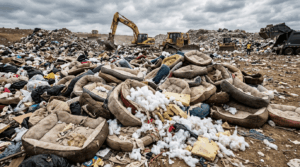
Pet waste, particularly plastic bags, poses a significant environmental challenge. However, responsible disposal and innovative products can help mitigate this impact. Managing your dog’s waste thoughtfully is a cornerstone of responsible pet guardianship.
Compostable Poop Bags and Waste Systems
Switching from conventional plastic poop bags to compostable or biodegradable alternatives is a simple yet impactful change. Brands like BioBag and Earth Rated offer certified compostable options that break down naturally, leaving no harmful residues. For backyard composting, specialized pet waste composters can turn dog waste into nutrient-rich soil amendments, though this requires careful management. Meanwhile, some communities offer pet waste composting services, providing an even easier solution for conscientious owners. This commitment to reducing plastic waste is a key aspect of sustainable dog care practices.
Sustainable Litter and Training Pads
For puppies or indoor dogs, traditional training pads often contain plastics and synthetic materials. Instead, opt for pads made from recycled paper, bamboo, or other biodegradable materials. Similarly, if you use litter boxes for certain small breeds, explore natural litters made from plant fibers or recycled newspaper. These choices reduce landfill burden and are often safer for your pet and your home environment. Furthermore, considering reusable, washable training pads can significantly cut down on recurring waste and cost.
Eco-Friendly Play and Comfort: Sustainable Choices for Every Day
Our dogs deserve comfort and stimulation, but their toys and beds don’t have to come at the planet’s expense. In fact, many sustainable options offer superior safety and durability. This section explores how to integrate eco-consciousness into your dog’s daily life, embodying a truly holistic approach to pet well-being.
Durable and Natural Dog Toys
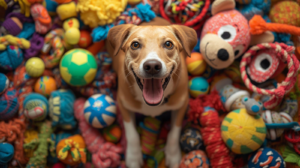
Choose toys made from natural, non-toxic materials like organic cotton, hemp, natural rubber, or recycled plastics. These materials are safer for your dog to chew and play with, and they break down more easily at the end of their life cycle. Avoid toys with excessive packaging or those made from unknown plastics. Consider making your own DIY eco-friendly dog toys from old t-shirts or denim for a truly zero-waste approach. This helps reduce manufacturing demand and gives new life to old items. For more ideas, you might enjoy our guide on DIY Eco-Friendly Dog Toys: Simple, Safe, and Sustainable Fun.
Sustainable Dog Beds and Accessories
When selecting a dog bed, look for options filled with recycled materials, organic cotton, or natural latex. Covers made from organic fabrics or recycled PET bottles are also excellent choices. Similarly, collars, leashes, and harnesses can be found in materials like hemp, bamboo, or recycled webbing, offering durability and style without environmental compromise. These items are often designed for longevity, reducing the need for frequent replacements. For example, brands like West Paw use Zogoflex, a durable, recyclable material, in many of their products. Explore our Top 5 Sustainable Dog Bed Options: Comfort & Eco-Consciousness for more insights.
The Broader Picture: Ethical Sourcing and Responsible Consumption
Beyond individual products, understanding the ethical backbone of the brands you support is crucial for a truly holistic eco-friendly dog care approach. This involves looking beyond marketing claims to the core values of a company. Moreover, your choices as a consumer have significant power to drive industry change.
Transparency and Certifications
Seek out brands that are transparent about their sourcing, manufacturing processes, and environmental commitments. Certifications from reputable organizations (e.g., USDA Organic, GOTS, B Corp) provide independent verification of claims. These certifications ensure that products meet specific environmental and social standards. Furthermore, ethical sourcing extends to fair labor practices and animal welfare throughout the supply chain. For a deeper understanding, consider reading our article on Why Ethical Sourcing Matters: Beyond Green Washing in Pet Products.
Reducing, Reusing, Recycling
Embrace the principles of reduce, reuse, and recycle in all aspects of your dog’s life. Buy in bulk to reduce packaging, repair items when possible instead of replacing them, and properly recycle product containers. For instance, many pet food bags are now recyclable through specific programs. Donating gently used items to shelters also extends their life. This conscious consumption minimizes waste and supports a circular economy. Therefore, every small effort contributes to a larger positive impact.
Beyond Products: A Lifestyle of Sustainable Pet Stewardship
Holistic eco-friendly dog care extends beyond the items you purchase; it encompasses a lifestyle of conscious choices and actions. It involves being mindful of your dog’s overall well-being in harmony with the natural world. Therefore, integrating these practices into your daily routine creates a meaningful difference.
Minimizing Your Dog’s Carbon Paw Print
Consider the cumulative environmental impact of your dog’s existence. This includes factors like transportation for vet visits, energy consumption in your home, and even the resources used to produce their accessories. By making thoughtful choices in all these areas, you actively work to minimize their carbon paw print. For example, walking your dog instead of driving to nearby parks reduces emissions. You can learn more about this in our guide, The Environmental Impact of Pet Ownership: Understanding Your Dog’s Paw Print.
Supporting Conservation Efforts
Many organizations are dedicated to environmental conservation and animal welfare. By supporting these groups, either through donations or volunteering, you contribute to a healthier planet for all creatures. Look for local shelters or national wildlife organizations that align with your values. Furthermore, advocating for sustainable policies in your community can create broader, systemic change, benefiting countless animals and their habitats.
Conclusion: Embracing a Greener Future for Pups and the Planet
Embracing holistic eco-friendly dog care is a powerful way to demonstrate your love for your dog and your commitment to the planet. By making conscious choices in nutrition, grooming, waste management, and overall lifestyle, you contribute to a healthier, more sustainable future. Every small step, from choosing compostable poop bags to selecting an organic dog bed, collectively creates a significant positive impact. We encourage you to explore the many wonderful sustainable pet products available and join the growing community dedicated to nurturing both pets and the environment. Together, we can make a difference, ensuring our beloved companions thrive in a cleaner, greener world. For further research on the broader impact of pet products, consider resources like the Pet Food Institute or environmental organizations like the Environmental Protection Agency.
FAQ
What does sustainable pet care involve?
Sustainable pet care involves making choices that prioritize your pet’s health while minimizing environmental impact. This includes opting for eco-friendly foods, grooming products, toys, and accessories, as well as responsible waste management and reducing your pet’s overall carbon paw print.
Why are plant-based and insect-based dog foods considered eco-friendly?
Plant-based and insect-based dog foods are eco-friendly because they require significantly fewer resources (land, water, energy) and produce fewer greenhouse gas emissions compared to traditional meat-based proteins. They offer complete nutrition with a much smaller environmental footprint.
How can I make my dog’s grooming routine more environmentally friendly?
To make grooming greener, choose shampoos and conditioners with natural, biodegradable ingredients. Conserve water during baths, use waterless shampoos for quick clean-ups, and opt for grooming tools made from sustainable materials like bamboo or recycled plastics.
What are some ways to reduce my dog’s waste impact?
Reducing your dog’s waste impact involves using compostable or biodegradable poop bags, exploring pet waste composting systems, and choosing training pads or litter made from recycled or natural materials. Reusing items and donating gently used accessories also helps.
Beyond products, how can I practice more environmentally conscious dog ownership?
Beyond products, practice environmentally conscious dog ownership by minimizing your dog’s carbon paw print through walking instead of driving, supporting brands with ethical sourcing, repairing items, and advocating for sustainable practices. Furthermore, consider supporting animal welfare and environmental conservation organizations.