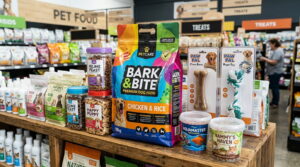


Sustainable pet nutrition continues growing in popularity as more owners look for healthier and environmentally responsible feeding options. However, choosing eco-conscious products involves more than attractive packaging and natural ingredient claims. AAFCO dog food standards help owners determine whether environmentally focused diets truly provide complete and balanced nutrition for long-term canine health.
Many eco-friendly brands promote sustainability, ethical sourcing, and cleaner ingredients. While those factors matter, dogs still require carefully balanced nutrition to maintain healthy muscles, digestion, immunity, and organ function. Unfortunately, some products rely heavily on marketing language without clearly meeting recognized nutritional requirements.
Understanding food labels becomes essential when evaluating sustainable diets. Nutritional adequacy statements, ingredient quality, feeding trials, and life-stage suitability all provide valuable clues about product reliability. Fortunately, reputable eco-conscious companies often prioritize both sustainability and nutritional science.
Dogs depend on consistent nutrient intake every day. Therefore, owners should never assume that natural or environmentally friendly automatically means nutritionally complete. Learning how to evaluate labels carefully helps ensure your pet receives proper nourishment while supporting sustainable choices responsibly.
What AAFCO Standards Actually Mean
The Association of American Feed Control Officials, commonly known as AAFCO, establishes nutritional guidelines for pet food sold in the United States. Although AAFCO does not directly approve or regulate products, its standards help define what qualifies as complete and balanced nutrition.
AAFCO dog food standards provide nutrient profiles based on scientific research regarding canine dietary needs. These profiles include recommended levels for protein, fats, vitamins, minerals, and essential nutrients required for different life stages.
Manufacturers use these standards to formulate products that support healthy growth and maintenance. Foods meeting these nutritional requirements can legally carry statements indicating they provide complete and balanced nutrition.
AAFCO also outlines feeding trial protocols. Some companies test diets through feeding studies involving real dogs rather than relying only on laboratory formulation. Feeding trials often provide stronger evidence that a diet supports healthy long-term nutrition.
Life-stage labeling matters as well. Puppy foods, adult maintenance diets, and all-life-stage formulas must meet different nutritional targets based on developmental needs.
Understanding these standards helps owners look beyond marketing terms. Sustainable packaging and natural ingredients may appear appealing, but proper nutrient balance remains the most important factor in any dog food selection.
Why Eco Dog Food Needs Nutritional Verification
Environmentally conscious brands often emphasize sustainability first, which can sometimes distract owners from evaluating nutritional adequacy carefully.
AAFCO dog food standards help prevent this confusion by offering measurable nutritional benchmarks. Sustainable products should still support healthy growth, energy, digestion, and long-term wellness regardless of environmental goals.
Dogs require complete amino acids, healthy fats, vitamins, and minerals daily. Without proper formulation, even high-quality natural ingredients may fail to provide balanced nutrition consistently.
Some eco-conscious products use alternative proteins such as insects, legumes, or plant-based ingredients. While these options may reduce environmental impact, nutritional balance still depends on careful formulation and testing.
Owners should also recognize that terms like “natural,” “organic,” or “eco-friendly” are not direct guarantees of complete nutrition. Marketing claims alone cannot replace proper nutritional verification.
AAFCO standards help owners evaluate products more objectively. Reliable brands typically provide transparent labeling, nutritional analysis, and clear adequacy statements that support informed decision-making.
Choosing environmentally responsible food should never involve sacrificing canine health. Fortunately, many reputable sustainable companies successfully combine ethical sourcing with balanced nutrition that meets recognized feeding standards.
How to Read the Nutritional Adequacy Statement
One of the most important parts of any pet food label appears in small print many owners overlook completely. The nutritional adequacy statement reveals whether the food meets recognized dietary requirements.
AAFCO dog food standards appear directly in this statement when products meet established guidelines. Owners should look for phrases such as “complete and balanced” followed by a reference to AAFCO nutrient profiles or feeding trials.
Foods meeting standards through formulation usually state that the product is “formulated to meet” AAFCO nutritional levels for a specific life stage. This means the recipe meets nutrient requirements based on laboratory analysis.
Products validated through feeding trials often include stronger wording indicating the food was tested using AAFCO feeding procedures. Feeding trials may provide additional confidence because real dogs consumed the diet successfully over time.
Owners should also confirm the life stage listed on the label. Puppies, pregnant dogs, and highly active dogs require different nutrient levels than adult maintenance formulas.
If no adequacy statement appears anywhere on the packaging, the food may not provide complete daily nutrition. Some products function only as treats, toppers, or supplemental foods rather than balanced meals.
Careful label reading helps owners avoid nutritional gaps while supporting more responsible feeding decisions overall.
Understanding Ingredient Quality in Sustainable Diets
Ingredient sourcing matters greatly in environmentally conscious pet nutrition. However, quality and digestibility remain equally important alongside sustainability goals.
AAFCO dog food standards focus primarily on nutrient balance rather than ingredient sourcing. Therefore, owners still need to evaluate ingredient quality independently.
Named protein sources generally provide better transparency than vague terms such as “meat meal” or “animal by-products.” Eco-conscious brands often highlight responsibly sourced chicken, fish, turkey, or alternative proteins more clearly.
Whole-food ingredients may support better digestibility and nutrient absorption. Vegetables, legumes, grains, and healthy fats all contribute valuable nutrients when balanced correctly.
Alternative proteins require special attention. Insect-based protein, for example, can provide excellent amino acid content while reducing environmental impact significantly. However, proper formulation still determines nutritional success.
Plant-heavy formulas also require careful balance because dogs need essential amino acids and specific nutrients often associated with animal proteins.
Digestibility matters just as much as ingredient quality. Dogs benefit most from nutrients their bodies can absorb efficiently and process comfortably.
Reputable sustainable brands usually provide detailed ingredient explanations and nutritional analysis rather than relying solely on broad environmental claims.
Feeding Trials vs Laboratory Formulation
Not all nutritionally complete dog foods undergo the same testing methods. Understanding the difference between feeding trials and laboratory formulation helps owners evaluate products more confidently.
AAFCO dog food standards allow manufacturers to demonstrate nutritional adequacy through two main approaches. Some foods meet nutrient requirements based on formulation analysis, while others undergo feeding trials involving live animals.
Laboratory formulation compares nutrient levels against established AAFCO nutrient profiles. This method confirms the food contains required nutrients theoretically.
Feeding trials provide additional evidence because dogs consume the diet under monitored conditions. Researchers evaluate health markers, weight maintenance, digestion, and overall condition throughout the study period.
Foods passing feeding trials often inspire greater confidence because they demonstrate practical nutritional performance rather than theoretical nutrient calculations alone.
However, formulated foods can still provide excellent nutrition when produced responsibly. Many reputable sustainable brands invest heavily in veterinary nutrition expertise and ingredient testing.
Owners should ideally choose brands with strong scientific transparency and quality control practices regardless of testing method. Companies openly discussing formulation standards, digestibility, and feeding data often provide more reliable nutrition overall.
Can Alternative Proteins Meet Nutritional Needs
Sustainable dog food frequently includes alternative proteins aimed at reducing environmental impact. These options often create concern among owners unfamiliar with nontraditional ingredients.
AAFCO dog food standards still apply regardless of protein source. Alternative proteins must provide complete amino acid profiles and balanced nutrition to support healthy canine function.
Insect protein has gained significant attention because it requires fewer natural resources than traditional livestock farming. Black soldier fly larvae protein, for example, offers digestibility and amino acid content suitable for many dogs.
Fish proteins sourced responsibly may also provide sustainable benefits while delivering omega fatty acids that support skin, coat, and cognitive health.
Plant-based ingredients such as lentils, chickpeas, peas, and quinoa contribute valuable nutrients as well. However, fully plant-based diets require careful supplementation and formulation to maintain balance.
Nutritional adequacy depends more on formulation quality than ingredient novelty alone. Sustainable ingredients can absolutely support healthy dogs when balanced scientifically and tested appropriately.
Owners should still monitor digestion, energy levels, stool quality, and body condition whenever introducing alternative-protein diets. Individual dogs may respond differently depending on breed, sensitivities, and health history.
Common Marketing Terms That Confuse Owners
Pet food packaging often contains attractive language designed to appeal emotionally to consumers. Unfortunately, many marketing terms lack clear nutritional meaning.
AAFCO dog food standards help owners focus on measurable nutritional information instead of relying only on advertising claims. Terms like “premium,” “holistic,” or “natural” do not automatically guarantee complete nutrition.
“Human-grade” ingredients may sound impressive, yet formulation quality still determines nutritional success. Likewise, organic certification relates to farming methods rather than balanced canine nutrition directly.
“Grain-free” represents another commonly misunderstood label. While some dogs require grain-free diets due to allergies or sensitivities, grains themselves are not inherently harmful for most healthy dogs.
Sustainability-focused branding can also create confusion. Earth-toned packaging and environmental messaging may distract from missing adequacy statements or incomplete nutrient balance.
Owners should prioritize objective information such as nutrient profiles, adequacy statements, ingredient transparency, and veterinary formulation support instead of emotional marketing language alone.
Reliable brands usually provide detailed nutritional explanations rather than relying primarily on buzzwords and aesthetic packaging.
Signs an Eco Dog Food Supports Good Health
Even when labels appear promising, owners should still monitor how dogs respond physically to new diets. Healthy nutrition typically produces visible signs over time.
AAFCO dog food standards help establish nutritional balance, but real-world results still matter greatly. Dogs receiving complete nutrition usually maintain steady energy, healthy digestion, stable weight, and strong muscle condition.
Coat quality often improves with balanced diets containing healthy fats and digestible protein. Many dogs develop shinier coats and healthier skin after transitioning to higher-quality nutrition.
Stool consistency also provides valuable clues. Excessive gas, diarrhea, or unusually large stool volume may indicate digestibility problems or ingredient imbalance.
Healthy appetite, strong immunity, and stable behavior often suggest successful dietary adaptation as well. Dogs receiving balanced nutrition generally recover from stress and exercise more effectively.
Owners should monitor changes gradually because nutritional improvements may take several weeks to become noticeable fully.
Regular veterinary checkups additionally help confirm nutritional adequacy long term. Bloodwork, body condition evaluation, and professional assessment can identify subtle issues before they become serious problems.
Choosing the Best Sustainable Food Responsibly
Selecting the right eco-conscious diet involves balancing environmental values with nutritional reliability and individual canine needs.
AAFCO dog food standards provide a strong starting point for evaluating potential products. Owners should confirm foods meet recognized nutritional guidelines before focusing on sustainability claims alone.
Ingredient transparency also matters significantly. Brands openly discussing sourcing, testing, digestibility, and nutritional philosophy often demonstrate stronger commitment to product quality.
Transitioning gradually helps dogs adjust more comfortably to new diets. Mixing increasing amounts of new food with the current formula over several days usually reduces digestive upset.
Veterinary consultation becomes especially important for puppies, senior dogs, pregnant animals, or pets with medical conditions. Professional guidance helps ensure nutritional balance remains appropriate long term.
Owners should additionally avoid following trends blindly. Sustainable feeding works best when supported by evidence, transparency, and realistic nutritional planning rather than emotional marketing alone.
Most importantly, nutrition should always remain the top priority. Environmentally responsible choices can absolutely support canine wellness when backed by science and proper formulation practices.
Conclusion
Understanding pet food labels helps owners make smarter and more responsible feeding decisions. AAFCO dog food standards provide valuable guidance for evaluating whether eco-conscious diets truly offer complete and balanced canine nutrition. While sustainability matters, dogs still require carefully balanced nutrients to maintain healthy growth, digestion, immunity, and long-term wellness.
Many environmentally focused brands now combine ethical sourcing, alternative proteins, and sustainable packaging with science-backed nutritional standards successfully. However, owners should always verify adequacy statements, ingredient quality, and life-stage suitability before making feeding changes.
Sustainable dog food can absolutely support excellent health when formulated properly. By learning how to read labels carefully and prioritize nutritional transparency, owners can support both their pets and the environment with greater confidence.
FAQ
1. What does “complete and balanced” mean on dog food labels?
This phrase indicates the food meets established nutritional requirements for specific canine life stages.
2. Are feeding trials better than nutrient formulation alone?
Feeding trials provide additional evidence because real dogs consume the diet under monitored health conditions.
3. Can insect protein support healthy canine nutrition?
Yes, insect protein can provide digestible amino acids and balanced nutrition when formulated properly.
4. Should puppies eat the same sustainable food as adult dogs?
Puppies require different nutrient levels for growth, so owners should choose formulas designed specifically for puppy development.
5. How can owners verify if a dog food meets nutritional standards?
Check the nutritional adequacy statement on the label for references to recognized feeding standards and life-stage suitability.