
Living with a dog brings joy, companionship, and daily routines that quickly become part of family life. However, pet ownership also creates significant waste through plastic packaging, disposable products, toys, grooming supplies, food containers, and other single-use items. Many environmentally conscious owners now look for practical ways to reduce their impact without sacrificing their dog’s comfort or health. Adopting a zero waste lifestyle with a dog may sound difficult initially, but small consistent habits can create meaningful long-term changes.
A zero waste lifestyle focuses on reducing unnecessary consumption, minimizing landfill waste, and making smarter purchasing choices. Instead of aiming for perfection, most owners simply work toward reducing waste wherever possible.
Dogs naturally fit well into many sustainable living habits because they thrive on routine, simplicity, and durable products rather than constant consumption.
Why Pet Ownership Creates So Much Waste
Many common pet products rely heavily on disposable packaging and short product lifespans.
Dog food bags, plastic treat containers, grooming wipes, poop bags, damaged toys, and synthetic bedding all contribute to growing household waste.
Additionally, many owners replace items frequently because cheaper products wear out quickly.
A zero waste lifestyle encourages consumers to focus on quality, durability, and thoughtful purchasing instead of convenience-based disposable habits.
Choosing Better Dog Food Packaging
Pet food packaging creates one of the largest waste sources for dog owners.
Many kibble bags combine multiple plastic layers that standard recycling facilities cannot process easily.
Owners pursuing a zero waste lifestyle often search for brands offering recyclable packaging, bulk purchasing options, or reusable container refill systems.
Buying larger food bags may also reduce overall packaging waste compared to purchasing smaller packages repeatedly.
Reusable Food Containers Make a Difference
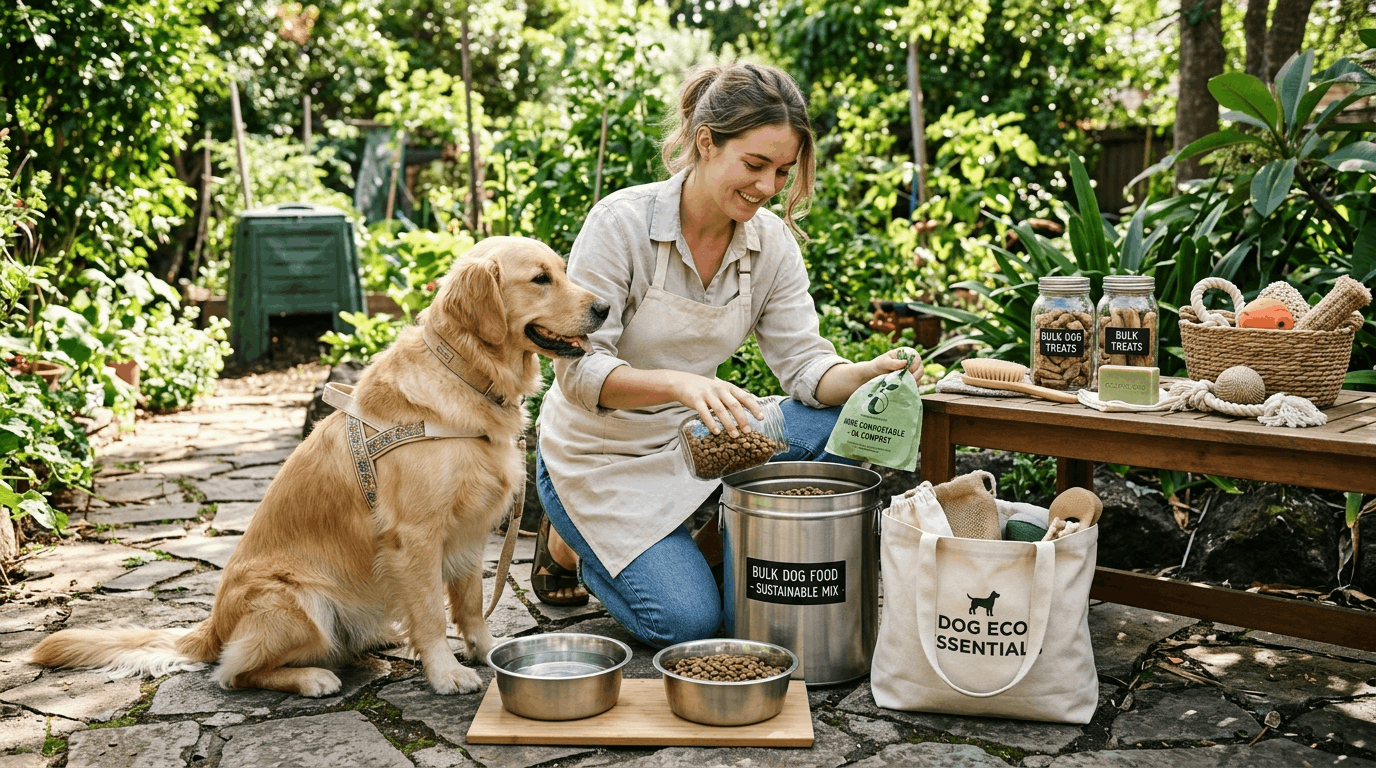
Storing dog food in reusable airtight containers helps preserve freshness while reducing dependence on disposable storage products.
Glass jars, stainless steel bins, and durable food-safe containers fit naturally within a zero waste lifestyle because they minimize plastic waste and improve long-term organization.
Reusable storage systems also help reduce food spoilage, which lowers unnecessary waste further.
Homemade Treats Reduce Packaging Waste
Many commercial treats come individually wrapped or packaged in excessive plastic containers.
Making homemade treats allows owners to control ingredients while eliminating large amounts of unnecessary packaging.
A zero waste lifestyle often includes preparing simple dog treats using ingredients already available at home.
Pumpkin, oats, peanut butter, carrots, apples, and sweet potatoes frequently work well in homemade recipes.
Buying Durable Toys Saves Money and Waste
Cheap toys often break quickly and end up discarded after only short use periods.
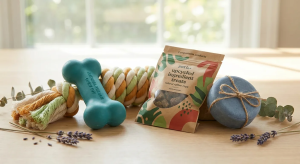
Instead, owners embracing a zero waste lifestyle usually prioritize stronger toys made from durable rubber, natural fibers, or repairable materials.
High-quality toys may cost more initially, but they often last much longer while reducing long-term landfill waste.
Additionally, rotating toys instead of constantly replacing them helps maintain novelty without unnecessary consumption.
Natural Grooming Products Support Sustainability
Many grooming products come in disposable plastic packaging and contain synthetic ingredients.
A zero waste lifestyle encourages owners to choose concentrated shampoos, refillable grooming products, biodegradable soaps, and reusable grooming tools whenever possible.
Natural grooming bars also reduce plastic packaging significantly compared to bottled shampoos.
Reusable Cleaning Supplies Reduce Household Waste
Pet accidents and muddy paws often lead owners toward disposable paper towels and wipes.
However, reusable cloth towels, washable mop pads, and durable cleaning rags fit better within a zero waste lifestyle while reducing ongoing household waste considerably.
Many reusable cleaning products also save money over time.
Composting Pet Waste Requires Caution
Some environmentally conscious owners explore composting systems for pet waste.
However, dog waste requires specialized composting methods because harmful bacteria and parasites may survive improper processing.
A zero waste lifestyle does not mean unsafe composting practices.
Owners should research dedicated pet waste composting systems carefully before attempting compost disposal independently.
Sustainable Poop Bag Options Continue Improving
Traditional plastic waste bags contribute heavily to environmental pollution.
Many companies now produce compostable or biodegradable alternatives designed specifically for dog waste disposal.
Although no option remains perfect, choosing better disposal materials supports a zero waste lifestyle by reducing reliance on conventional plastic products.
Consumers should still verify local composting and disposal rules before assuming biodegradable bags break down properly everywhere.
Adopting Instead of Buying Supports Sustainability
Animal adoption aligns naturally with many sustainability values.
Adopting dogs reduces demand for large-scale breeding systems while giving existing animals safe homes.
A zero waste lifestyle often extends beyond physical waste reduction into broader ethical consumption and responsible resource use.
Supporting shelters and rescue organizations may help reduce overpopulation and unnecessary resource strain throughout the pet industry.
Buying Secondhand Pet Supplies Works Well
Many pet items remain usable long after original owners stop needing them.
Beds, crates, bowls, jackets, leashes, carriers, and training equipment often appear in thrift stores, online marketplaces, or community swap groups.
A zero waste lifestyle encourages extending product lifespans rather than constantly purchasing brand-new items unnecessarily.
Minimalism Benefits Dogs Too
Dogs rarely need excessive accessories or constant new purchases to stay happy.
Most dogs prefer quality interaction, exercise, enrichment, and companionship over material abundance.
A zero waste lifestyle encourages owners to focus more on meaningful routines and less on unnecessary consumption-driven pet trends.
Simplifying purchases often improves household organization while reducing financial waste simultaneously.
Choosing Local Products Reduces Transportation Emissions
Supporting local businesses and regional manufacturers may lower transportation-related environmental impact.
Locally produced food, treats, and grooming supplies often require fewer shipping resources compared to imported products.
A zero waste lifestyle frequently includes supporting local economies whenever practical because shorter supply chains may reduce overall carbon emissions.
Repairing Items Instead of Replacing Them
Many pet products can be repaired rather than discarded immediately.
Sewing torn bedding, replacing leash clips, repairing collars, or patching blankets extends product usability significantly.
Owners following a zero waste lifestyle often develop repair habits that reduce waste while saving money long term.
Simple maintenance routines may also improve product durability substantially.
Reducing Impulse Purchases Matters
Pet marketing encourages frequent spending on trendy accessories, seasonal products, and novelty items.
However, many purchases eventually go unused or discarded quickly.
A zero waste lifestyle encourages more intentional buying habits by focusing only on products genuinely useful for long-term care.
Thoughtful purchasing decisions reduce clutter and environmental impact simultaneously.
Eco-Friendly Bedding Options Are Expanding
Traditional synthetic pet beds may wear out quickly while containing difficult-to-recycle materials.
Sustainable alternatives using organic cotton, recycled stuffing, hemp fabrics, or replaceable covers support a zero waste lifestyle more effectively.
Washable bedding with removable covers often lasts much longer than disposable low-quality alternatives.
Reducing Water Waste During Grooming
Bathing dogs responsibly also supports sustainability efforts.
Using water-efficient sprayers, concentrated shampoos, and appropriate bathing schedules helps reduce unnecessary water use.
A zero waste lifestyle involves resource conservation overall, including energy and water management throughout daily routines.
Supporting Transparent Brands Encourages Change
Consumers influence industry behavior significantly through purchasing habits.
Brands noticing stronger demand for sustainable pet products often improve packaging, sourcing, and manufacturing practices accordingly.
A zero waste lifestyle includes supporting companies demonstrating genuine transparency regarding environmental goals, ethical sourcing, and waste reduction efforts.
Travel Habits Affect Environmental Impact
Pet travel also creates waste through disposable supplies, bottled water, and single-use feeding accessories.
Reusable travel bowls, washable blankets, refillable water bottles, and durable carriers fit naturally within a zero waste lifestyle while improving convenience during trips.
Planning ahead reduces reliance on disposable emergency purchases significantly.
Teaching Sustainable Habits to Families
Children often learn environmental habits through family routines and pet care responsibilities.
Dogs create excellent opportunities for teaching sustainability through feeding routines, toy care, waste reduction, and responsible purchasing choices.
A zero waste lifestyle becomes easier when entire households participate consistently in simple daily habits together.
Progress Matters More Than Perfection
Many people avoid sustainability efforts because they feel overwhelmed by perfection expectations.
However, meaningful environmental improvement usually happens through gradual habit changes rather than instant perfection.
A zero waste lifestyle works best when owners focus on realistic improvements instead of guilt or extreme restrictions.
Even small changes create positive long-term impact when practiced consistently over time.
Using reusable containers, reducing disposable purchases, choosing durable products, supporting responsible brands, and minimizing waste wherever practical all contribute toward more sustainable pet ownership. Dogs do not require endless consumption to live healthy, happy lives. In fact, many sustainable choices also improve product quality, organization, financial savings, and overall household simplicity.
As environmental awareness continues growing, more companies will likely expand sustainable pet care options further. Owners willing to adopt thoughtful routines today can help encourage better industry standards while reducing unnecessary waste for years to come.
FAQ
1. Is sustainable pet ownership expensive?
Some eco-friendly products cost more initially, but durable items often save money over time through longer use.
2. Can homemade dog treats reduce waste?
Yes. Homemade treats eliminate excess packaging while allowing better ingredient control and freshness.
3. Are biodegradable poop bags truly eco-friendly?
Some options reduce plastic waste, but proper disposal and local composting systems still matter greatly.
4. What reusable items help most with pet waste reduction?
Food containers, travel bowls, washable towels, durable toys, and refillable grooming products help significantly.
5. Do dogs really need lots of accessories?
Most dogs benefit more from exercise, routine, training, and interaction than constant new purchases.