
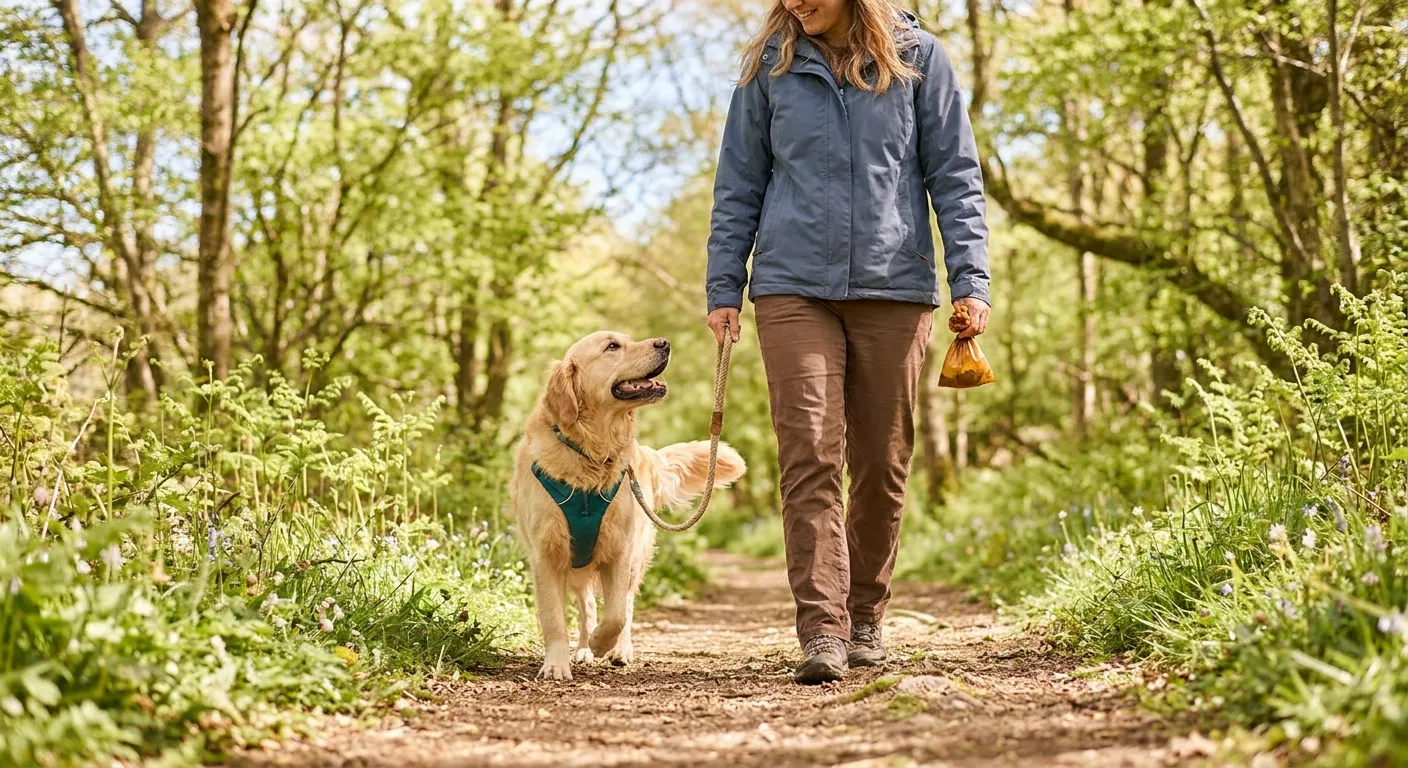

As loving dog owners, we cherish our companions, but it’s also important to acknowledge that our pets, like us, have an environmental impact. This ‘carbon pawprint’ encompasses everything from their food production to their waste. The good news is that with increasing environmental awareness among consumers, coupled with innovation in sustainable pet supplies, we now have powerful, actionable ways to reduce pet carbon pawprint. This isn’t about guilt; it’s about empowerment and making informed choices that contribute to a healthier planet.
The Impact of Pet Food and How to Mitigate It
Pet food production is often the largest component of a dog’s environmental footprint. Traditional meat-based diets contribute significantly to greenhouse gas emissions, land use, and water consumption. However, the sustainable pet food industry is evolving rapidly, offering innovative solutions:
- Embrace Upcycled Ingredients: A major trend sees pet food utilizing materials that would otherwise be wasted from human food manufacturing. Companies like Portland Pet Food Company actively upcycle ingredients like salmon and spent grains, diverting thousands of pounds of waste from landfills. The Conscious Pet similarly recovers surplus food scraps. By supporting these brands, you directly contribute to reducing food waste and its associated emissions.
- Explore Novel and Alternative Proteins: The industry is moving beyond traditional meat sources. Pet owners are showing openness to novel proteins, with 36% considering cultivated meat and 43% considering microbially fermented protein for their pets. These options require significantly fewer resources than conventional livestock farming, drastically lowering the carbon footprint of your dog’s diet.
- Prioritize Local and Sustainable Sourcing: Choose pet food brands that prioritize locally sourced ingredients and sustainable farming practices. This reduces transportation emissions and supports ethical producers. Look for transparency in ingredient sourcing.
Minimizing Waste from Pet Products and Accessories
Beyond food, the products we buy for our dogs also contribute to waste streams. Eco-friendly pet toys, which represented 19.8% of product revenue in 2025, are a great example of innovation in this area. To lower canine environmental impact from products:
- Choose Durable and Recyclable Toys: Invest in high-quality, long-lasting toys made from natural rubber, organic cotton, or recycled materials. Brands like West Paw with their Zogoflex material and Planet Dog with Orbee-Tuff® are excellent examples of durable, recyclable options that reduce the need for constant replacement.
- Opt for Biodegradable and Compostable Items: From poop bags to certain types of toys, biodegradable options break down naturally, preventing long-term landfill accumulation. Always ensure they are certified compostable if you plan to compost them.
- Buy Less, Choose Well: Consider if a new item is truly necessary. Can an existing item be repaired or repurposed? Donating gently used items to shelters can also extend their lifecycle.
Greening Your Grooming and Daily Habits
Our daily routines with our dogs also offer opportunities to reduce pet carbon pawprint:
- Sustainable Grooming Products: The global pet grooming market is projected to reach $19.5 billion in 2026, and our choices here matter. Opt for plastic-free grooming solutions like shampoo bars, and choose products with natural, biodegradable ingredients. This prevents harmful chemicals and microplastics from entering our waterways.
- Responsible Waste Management: Utilize compostable poop bags to manage your dog’s waste. If local regulations allow, consider composting dog waste (with specific precautions) to return nutrients to the soil rather than sending it to landfills.
- Energy-Efficient Practices: If you wash your dog’s bedding frequently, consider energy-efficient washing machines and air-drying when possible.
Every small step we take as dog owners contributes to a larger movement. The sheer size and growth of the sustainable pet supplies industry, projected to reach nearly $40 billion, underscores that collective action can drive significant change. By making conscious decisions about food, products, and daily habits, we can significantly minimize our dog’s ecological footprint, ensuring a healthier future for all species on this planet.