
If you care about both your pet and the planet, learning how to recycle pet items responsibly is a smart and meaningful step. Over time, toys break, beds wear out, and accessories pile up. While it may seem easier to throw them away, doing so adds to growing landfill waste. Fortunately, with the right approach, you can reduce your impact and make better choices for the environment without compromising your pet’s comfort.
Many pet products are made from mixed materials, which makes disposal tricky. However, once you understand how to sort, reuse, and recycle properly, the process becomes much easier. More importantly, you begin to see opportunities to extend the life of items you already own.
Why Responsible Disposal Matters for Pet Owners
Pet ownership brings joy, but it also comes with environmental responsibility. Every year, millions of pet products end up in landfills. These items often contain plastics, synthetic fibers, and chemicals that take years to break down. As a result, learning to recycle pet items responsibly helps reduce long-term environmental damage.
Moreover, many pet owners underestimate how much waste accumulates over time. Old chew toys, worn collars, and flattened beds may seem insignificant individually. However, when combined across households, they create a large environmental footprint. Therefore, taking small, consistent actions can lead to meaningful change.
In addition, responsible disposal supports a more sustainable pet care routine. By being mindful of what you buy and how you discard items, you contribute to a circular system rather than a wasteful one. This shift benefits both your household and the wider community.
Understanding Different Types of Pet Waste
Before you can recycle pet items responsibly, it helps to understand the materials involved. Pet products are not all created equal, and each type requires a different approach.
For example, rubber toys are often recyclable through specialized programs. Meanwhile, plush toys filled with synthetic stuffing may not be accepted by standard recycling facilities. Similarly, pet beds combine fabrics, foam, and sometimes metal frames, making them harder to process.
However, separating components can improve your chances of recycling successfully. Remove metal zippers, cut away foam inserts, and isolate clean fabrics when possible. Although this takes extra effort, it significantly increases the likelihood of proper disposal.
Additionally, knowing your local recycling rules is essential. Some areas accept certain plastics or textiles, while others do not. Therefore, always check local guidelines before discarding items.
How to Recycle Pet Toys Responsibly
When toys become damaged or unsafe, many pet owners simply throw them away. Instead, you can recycle pet items responsibly by exploring alternative options.
First, check if the toy is still usable. If it is only lightly worn, consider donating it to shelters or rescue groups. Many organizations accept gently used toys, especially if they are clean and safe.
Next, look for brand take-back programs. Some pet companies now offer recycling initiatives for their products. By participating, you ensure that materials are handled correctly rather than ending up in landfills.
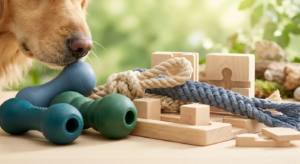
If recycling is not available, consider repurposing. For instance, old rope toys can become tug training tools. Similarly, durable rubber toys can serve as enrichment devices even after they show wear.
Finally, always prioritize safety. If a toy poses a choking risk, it is better to dispose of it properly rather than reuse it. Even when trying to recycle pet items responsibly, your pet’s well-being comes first.
What to Do With Old Pet Beds and Cushions
Pet beds are one of the most challenging items to handle. They are bulky, often dirty, and made from mixed materials. However, you can still recycle pet items responsibly with a bit of planning.
Start by assessing the condition of the bed. If it is still structurally sound, consider donating it to an animal shelter. Many shelters welcome bedding, especially during colder months.
If the bed is too worn, break it down into components. Wash removable covers and recycle fabrics where possible. Foam inserts may be accepted by certain recycling centers or used as padding for other projects.
Additionally, you can repurpose old beds creatively. For example, stuffing can be used for DIY cushions or insulation projects. Even worn covers can become cleaning rags or protective mats.
Although it may take extra effort, these steps help you avoid unnecessary waste while still meeting your pet care needs.
Recycling Pet Accessories and Everyday Items
Collars, leashes, bowls, and grooming tools also contribute to pet-related waste. Fortunately, many of these items can be reused or recycled with ease.
For instance, metal bowls are widely recyclable. Simply clean them thoroughly before placing them in the appropriate bin. Plastic bowls, on the other hand, depend on local recycling capabilities.
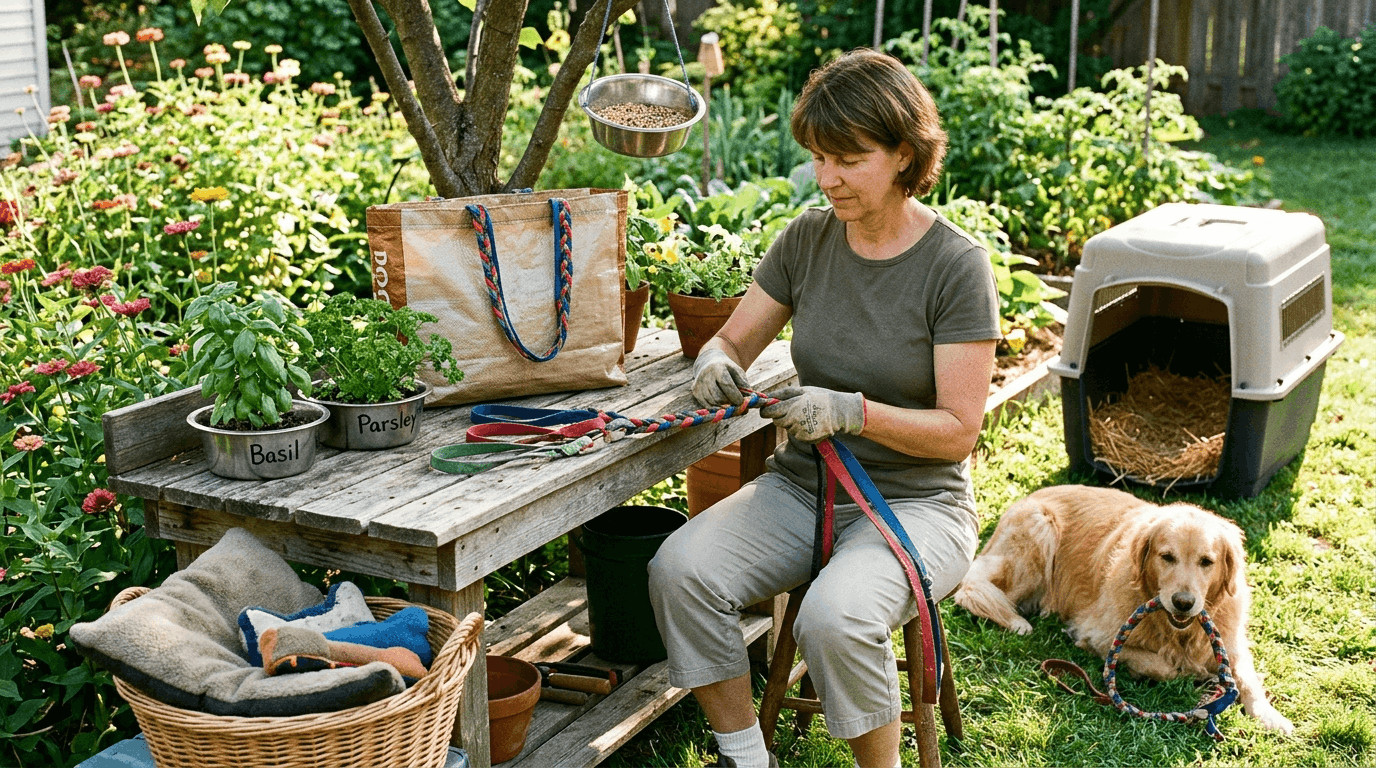
Collars and leashes can often be donated if they are in good condition. Alternatively, you can reuse them for training or as backup equipment. Even worn items can be repurposed into creative DIY projects.
By making thoughtful choices, you continue to recycle pet items responsibly while extending the life of everyday accessories.
Creative Ways to Reuse Before Recycling
Recycling should not always be your first step. In many cases, reusing items can have an even greater impact. When you recycle pet items responsibly, consider reuse as part of the process.
Old T-shirts can become DIY dog toys or bedding covers. Worn towels can serve as cleaning cloths or crate liners. Even broken toys can be combined to create new enrichment tools.
Furthermore, upcycling allows you to save money while reducing waste. Instead of buying new items, you give existing ones a second life. This approach not only benefits the environment but also encourages creativity.
In addition, involving your family in reuse projects can be a fun and educational experience. It teaches children the value of sustainability while reinforcing responsible habits.
Choosing Eco-Friendly Pet Products Moving Forward
While recycling is important, prevention is even better. One of the best ways to recycle pet items responsibly is to reduce waste from the start.
Look for products made from sustainable materials such as natural rubber, organic cotton, or recycled plastics. These items are often easier to recycle and have a smaller environmental footprint.
Also, choose durable products that last longer. Although they may cost more upfront, they reduce the need for frequent replacements. As a result, you generate less waste over time.
Additionally, support brands that prioritize sustainability. Many companies now offer eco-friendly packaging, take-back programs, and transparent sourcing practices. By supporting them, you encourage more responsible production across the industry.
Building Sustainable Habits as a Pet Owner
Consistency is key when trying to recycle pet items responsibly. Small actions, repeated over time, create lasting impact.
Start by setting up a simple system at home. Keep a designated area for items that can be reused, donated, or recycled. This makes it easier to sort and manage waste effectively.
Moreover, stay informed about local recycling options. Programs and guidelines often change, so keeping up to date ensures you are making the best choices.
It also helps to plan ahead. When purchasing new items, think about how you will eventually dispose of them. This mindset encourages more sustainable decisions from the beginning.
Ultimately, building these habits not only benefits the environment but also enhances your role as a responsible pet owner.
Conclusion
Learning to recycle pet items responsibly is not about perfection but about making better choices over time. Every small step, from donating old toys to repurposing worn beds, contributes to a healthier planet. Although the process may require extra effort, the long-term benefits are well worth it.
As you become more mindful of your pet’s belongings, you will naturally reduce waste and adopt more sustainable habits. In turn, this creates a positive ripple effect that extends beyond your household. By taking action today, you ensure a cleaner, greener future for both pets and people.
FAQ
1. What is the best way to dispose of worn-out pet toys?
Start by checking if the toy can be reused or donated. If not, look for brand recycling programs or specialized facilities.
2. Can old pet beds be recycled or reused?
Yes, you can break them down into parts. Reuse fabric covers, repurpose stuffing, or donate if still in good condition.
3. Are pet accessories like collars recyclable?
Some materials are recyclable, while others are better suited for donation or reuse. Always check local recycling rules.
4. How can I reduce pet waste at home?
Choose durable products, reuse items creatively, and support eco-friendly brands to minimize waste over time.
5. Why is responsible disposal important for pet products?
It reduces landfill waste, conserves resources, and supports a more sustainable lifestyle for both pets and owners.