
Every pet owner eventually collects items that no longer serve their original purpose. Old collars, worn beds, cracked bowls, gently used crates, and extra toys often end up forgotten in closets or tossed into the trash. Fortunately, more communities now encourage people to Recycle Old Pet Gear instead of sending these items to landfills. This growing movement benefits pets, families, shelters, rescue organizations, and the environment at the same time. As awareness of sustainable pet ownership continues to grow, community recycling initiatives have become practical solutions that make a meaningful difference.
Pet ownership naturally creates waste over time. While many people focus on food packaging or litter disposal, pet accessories also contribute significantly to landfill volume. Plastic carriers, nylon leashes, rubber toys, stainless steel bowls, and fabric bedding often remain usable long after one household stops using them. However, many of these products require specialized recycling or creative reuse because they contain mixed materials. That challenge has inspired neighborhoods, nonprofit organizations, veterinary clinics, and animal welfare groups to develop programs that give old pet equipment another purpose.
Why Community Recycling Programs Matter
Community-driven recycling projects succeed because they solve several problems at once. First, they reduce the amount of waste entering local landfills. Second, they help shelters stretch limited budgets by providing donated supplies instead of purchasing new ones. Third, they make pet ownership more affordable for families who may struggle with rising costs.
Moreover, these programs strengthen community relationships. Local businesses, schools, volunteers, and animal organizations often work together during collection drives. As a result, people become more aware of responsible pet ownership while supporting a shared environmental goal.
Another advantage is resource conservation. Manufacturing new pet products requires raw materials, transportation, energy, and packaging. Extending the life of existing items reduces demand for new production. Consequently, fewer natural resources are consumed throughout the supply chain.
Although not every item can be reused safely, many products remain perfectly functional after proper cleaning and inspection. Therefore, recycling and donation become practical alternatives that benefit everyone involved.
The Types of Pet Gear That Can Often Be Reused
Many people underestimate how many household pet supplies still have value. Before throwing something away, consider whether another pet could safely use it.
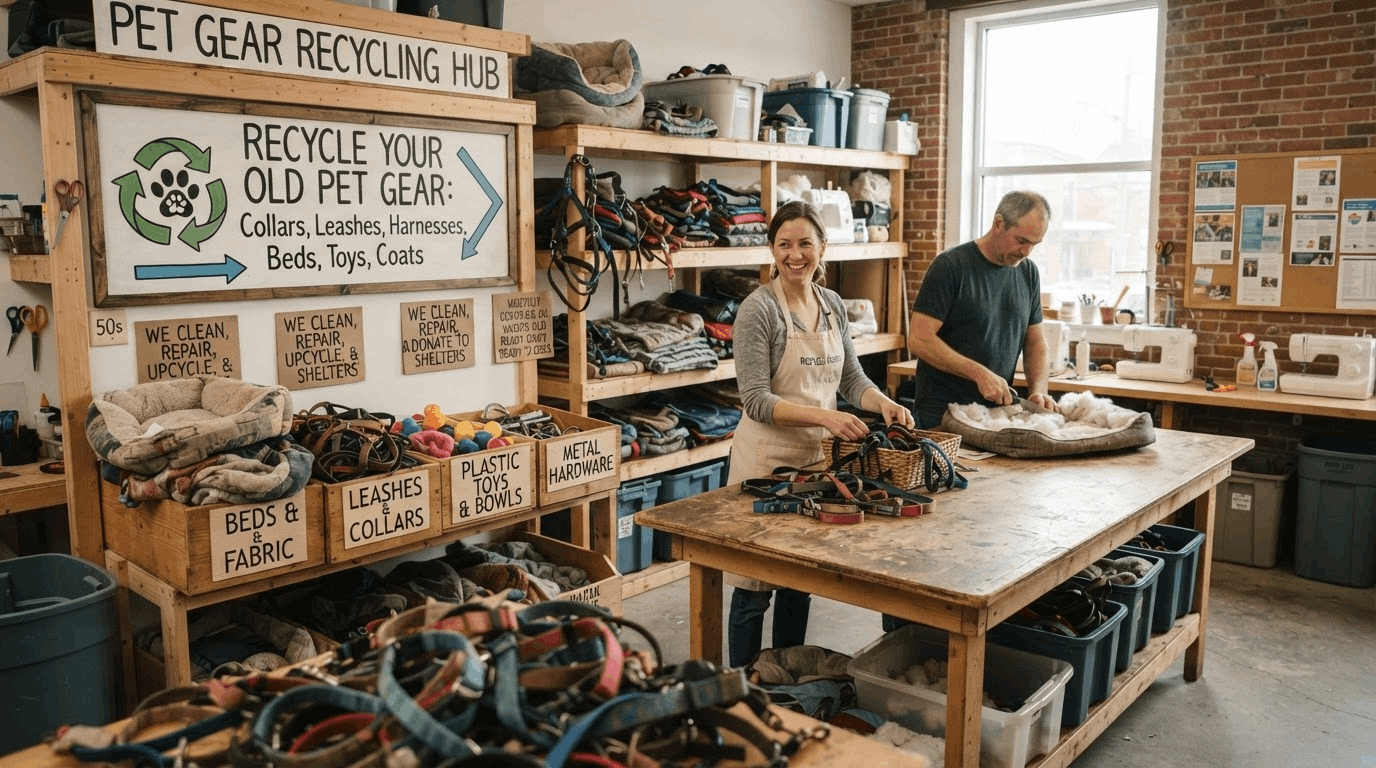
Leashes, collars, harnesses, travel carriers, food containers, stainless steel bowls, grooming brushes, blankets, crates, training gates, and unopened pet care products frequently qualify for donation. Likewise, gently used pet clothing may help rescue organizations care for animals recovering from surgery or living in colder climates.
Pet beds deserve special attention. While heavily damaged beds may need recycling instead of donation, many lightly used beds simply require washing before serving another family. Likewise, sturdy crates often last for years, making them excellent candidates for community redistribution.
Some organizations even collect aquarium supplies, reptile habitats, bird cages, and small animal accessories. Consequently, recycling opportunities extend far beyond dogs and cats.
Before donating any item, inspect it carefully for broken parts, sharp edges, missing pieces, or contamination. Safety should always come first.
How Local Shelters Benefit From Donations
Animal shelters operate under tight budgets while caring for large numbers of animals. Every donated leash, blanket, bowl, or crate helps reduce operational expenses.
Instead of allocating limited funds toward basic equipment, shelters can invest more resources into medical treatment, vaccinations, behavioral training, and adoption programs. Furthermore, volunteers spend less time searching for supplies when community donations remain available.
Many rescue organizations also create starter kits for new adopters. These packages may include collars, bowls, toys, and blankets donated through local collection efforts. Consequently, new pet owners begin their journey with essential equipment while shelters lower storage costs.
Some shelters also redistribute excess donations to foster homes or neighboring rescue organizations. This cooperation creates an efficient network where resources reach communities with the greatest need.
Because demand changes throughout the year, many organizations publish wish lists online. Checking these lists before donating ensures your items provide immediate value.
Creative Community Initiatives Supporting Sustainability
Communities continue developing innovative ways to reduce pet-related waste. Rather than relying solely on traditional donation bins, many neighborhoods organize seasonal recycling events that attract pet owners from surrounding areas.
Local parks sometimes host pet swap days where families exchange gently used equipment. Someone whose puppy has outgrown a harness may find a larger crate from another owner. This simple exchange keeps usable products circulating instead of becoming waste.
Schools occasionally organize pet supply drives that teach children about environmental responsibility and animal welfare simultaneously. Students learn how small actions create positive community impact while supporting local shelters.
Some veterinary clinics maintain permanent donation stations in waiting rooms. Clients naturally visit these locations throughout the year, making ongoing collection convenient and accessible.
Meanwhile, community centers increasingly include sustainability fairs featuring pet recycling information alongside electronics recycling, textile collection, and compost education. This broader approach encourages environmentally responsible habits across multiple aspects of daily life.
Repair Before You Replace
Recycling does not always begin with donation. Sometimes extending a product’s lifespan offers the greatest environmental benefit.
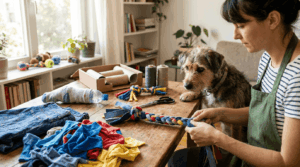
Loose stitching on a pet bed often requires only basic sewing. Likewise, replacing worn hardware on a leash may restore full functionality at minimal cost. Small repairs prevent unnecessary purchases while reducing waste generation.
Cleaning also makes a remarkable difference. Many pet accessories simply need deep washing, odor removal, or disinfecting before becoming useful again. Modern washing techniques restore blankets, removable bed covers, and soft toys surprisingly well.
Additionally, some community repair workshops now include pet accessories during neighborhood repair events. Volunteers with sewing skills or basic tools help residents restore damaged items instead of discarding them.
Whenever repair remains safe and practical, extending product life should come before replacement.
Understanding What Cannot Be Reused
Although recycling programs accept many products, certain items should never be donated because they pose health or safety risks.
Heavily chewed toys may contain hidden damage that could cause choking. Cracked plastic bowls can harbor bacteria inside small crevices. Torn harnesses and weakened leashes may fail unexpectedly during walks. Likewise, expired medications, opened supplements, and damaged flea treatments require proper disposal rather than donation.
Items contaminated with mold, pests, bodily fluids, or severe odors should also remain out of donation bins. While cleaning solves many problems, some products simply reach the end of their usable life.
Fortunately, specialized recycling companies increasingly accept hard-to-recycle plastics, fabrics, and mixed materials found in pet accessories. Therefore, even worn-out equipment may avoid landfill disposal through dedicated recycling programs.
Finding Recycling Opportunities Near You
Locating pet recycling options has become much easier over the past few years. Animal shelters often maintain donation guidelines on their websites. Humane societies frequently organize seasonal collection campaigns. Municipal recycling departments may also provide information about specialty programs accepting pet products.
Social media groups focused on local pets frequently announce neighborhood swap events, adoption fairs, and supply drives. Additionally, veterinary clinics sometimes partner with rescue organizations to coordinate community collections.
Independent pet stores increasingly participate as well. Some businesses accept used carriers, unopened food, or specific recyclable packaging from participating manufacturers.
If no local program exists, consider starting one. Community organizations, apartment complexes, schools, and neighborhood associations often welcome sustainability initiatives. A simple collection event can inspire ongoing partnerships that continue benefiting pets and the environment.
The Environmental Impact of Small Actions
Individual donations may seem insignificant at first. However, collective action creates measurable environmental benefits over time.
Imagine hundreds of families choosing donation instead of disposal each year. Thousands of bowls remain in circulation. Hundreds of crates avoid landfills. Countless blankets provide comfort inside shelters instead of becoming waste.
Furthermore, manufacturing fewer replacement products reduces greenhouse gas emissions associated with raw material extraction, factory production, transportation, and packaging.
Small decisions also influence future purchasing habits. After participating in recycling programs, many pet owners begin selecting durable, repairable, or recyclable products. They become more conscious consumers who prioritize quality over disposable convenience.
These choices gradually shift market demand toward more sustainable pet products, encouraging manufacturers to improve environmental practices.
Building a More Sustainable Pet Community
Sustainability works best when entire communities participate. Pet owners, businesses, shelters, veterinarians, schools, and local governments all contribute unique strengths.
Businesses can sponsor collection drives or provide drop-off locations. Schools can educate students about responsible consumption. Shelters can communicate current needs more effectively. Local governments can support recycling infrastructure. Meanwhile, residents can donate, volunteer, repair, and share resources.
Importantly, conversations matter as much as donations. Talking with neighbors about responsible disposal encourages broader participation. Sharing successful community programs on social media helps similar initiatives spread into neighboring towns.
Although one family cannot eliminate pet waste alone, thousands of small contributions create lasting environmental improvements. Every donated crate, repaired leash, reused blanket, or recycled bowl represents one less product entering the waste stream prematurely.
Choosing to Recycle Old Pet Gear demonstrates responsible pet ownership beyond daily care. It reflects compassion for animals, respect for limited natural resources, and commitment to building healthier communities. As more organizations expand recycling opportunities, participating becomes easier than ever.
The next time your pet outgrows a harness or retires a favorite bed, pause before placing it in the trash. Instead, look for a shelter, community collection, repair opportunity, or recycling program nearby. One thoughtful decision may improve another animal’s life while protecting the environment for future generations. When communities work together, yesterday’s pet supplies become tomorrow’s valuable resources, proving that sustainability often begins with the simplest everyday choices.
FAQ
1. What pet items are usually accepted by community donation programs?
Many organizations accept clean collars, leashes, crates, stainless steel bowls, blankets, grooming tools, carriers, and gently used pet beds. Always check local guidelines before donating.
2. How should I prepare used supplies before donating them?
Wash fabric items thoroughly, disinfect hard surfaces, inspect for damage, and remove broken or unsafe parts. Clean donations help shelters save valuable time.
3. Can damaged pet accessories still be recycled?
Sometimes. Certain specialized recycling programs accept worn materials that cannot be reused, while unsafe items should never be donated to shelters.
4. Where can I find local organizations collecting pet supplies?
Check with animal shelters, humane societies, veterinary clinics, municipal recycling departments, pet stores, and neighborhood community groups for current collection opportunities.
5. Why is reusing pet equipment better than buying everything new?
Reusing quality products reduces landfill waste, conserves natural resources, lowers manufacturing demand, supports animal welfare organizations, and encourages more sustainable pet ownership.