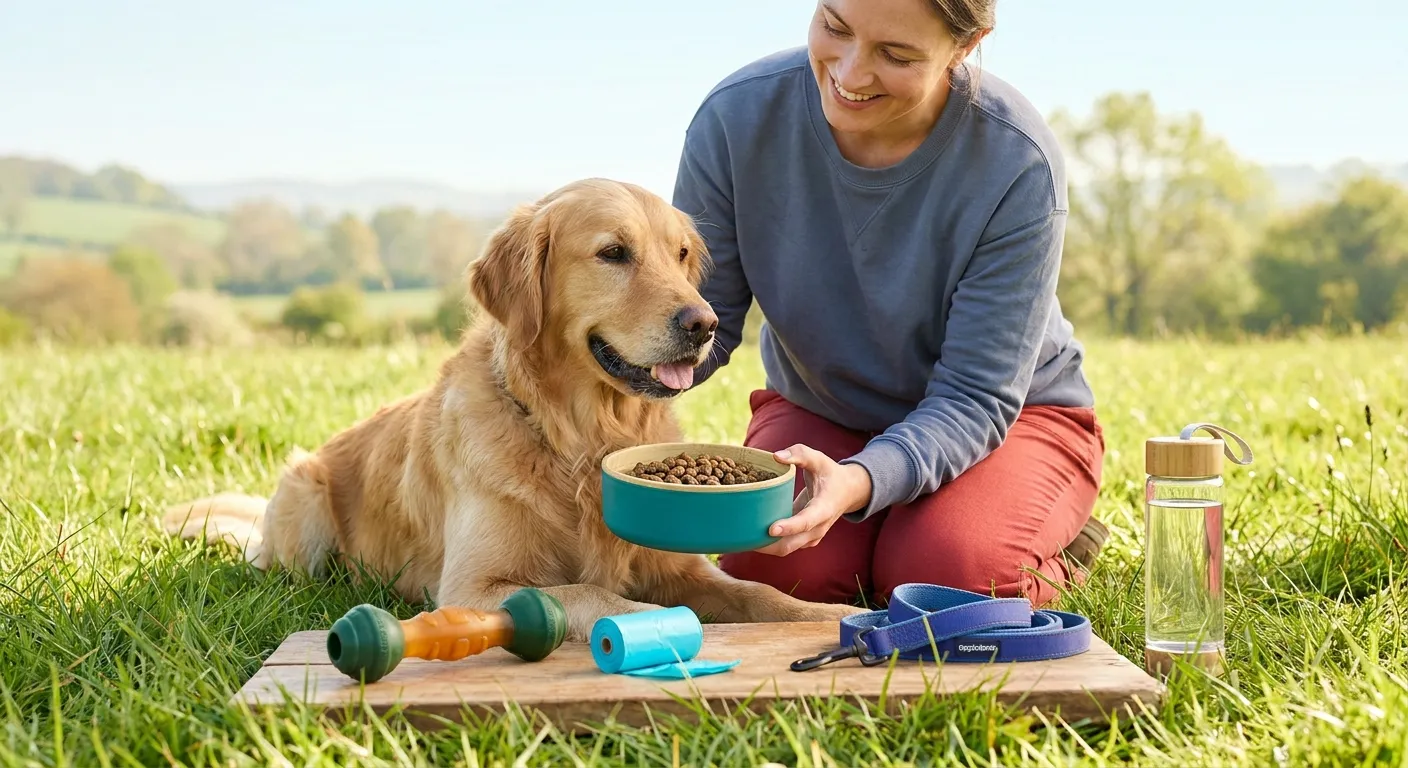

As conscious dog owners, we constantly seek ways to provide the best for our companions. But what if caring for our pets could also mean caring for the planet? Embracing eco-friendly dog care is a powerful step towards a more sustainable lifestyle for both you and your furry friend. At EcoFriendlyDogProducts.com, we believe that responsible pet ownership extends to minimizing our environmental pawprint, and it’s easier to achieve than you might think.
This guide will walk you through practical, actionable steps to transition to a more sustainable dog lifestyle, debunking common misconceptions and offering budget-friendly options along the way. Furthermore, we’ll explore how these choices benefit your dog’s health and the environment.
Why Make the Switch to Sustainable Pet Care?
The impact of pet ownership on the environment is increasingly recognized. For instance, the carbon footprint of pet food production is substantial. Likewise, plastic waste from toys and accessories contributes significantly to landfill accumulation. Every choice we make has a ripple effect. Opting for sustainable products not only reduces waste and conserves resources but often means safer, higher-quality items for your dog, free from harmful chemicals and made with ethical practices. Consequently, you contribute to a healthier planet while also providing superior care for your beloved companion.
Starting with the Basics: Food and Treats
Your dog’s diet is a significant area for sustainable impact. Traditional pet food often relies on resource-intensive ingredients and packaging. By making thoughtful choices here, you can significantly reduce your environmental footprint. Moreover, many sustainable options offer excellent nutritional benefits for your dog.
Choose Sustainable Food Sources
- Insect-Based Proteins: A highly sustainable alternative to traditional meat, insect proteins like black soldier fly larvae require significantly less land, water, and feed. Many dogs thrive on these novel protein sources, which are also often hypoallergenic.
- Ethically Sourced Meats: If traditional meat is preferred, look for brands committed to humane farming practices and regenerative agriculture. Certifications can help guide your choice, ensuring animals are raised responsibly.
- Plant-Based Options: For some dogs, a carefully formulated plant-based diet can be suitable. Consult your vet to ensure nutritional completeness and suitability for your dog’s specific needs.
- Local & Organic: Support local producers and choose organic ingredients to reduce transportation emissions and exposure to pesticides. This also often means fresher ingredients for your dog.
Reduce Packaging Waste
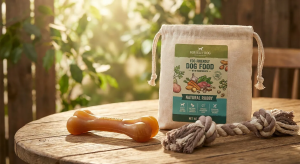
Opt for brands that use compostable, recyclable, or refillable packaging. Buying larger bags can also reduce overall packaging waste, as fewer individual packages are needed. Consider bulk options where available, too. This simple step makes a big difference.
Greening Up Playtime: Toys and Accessories
Plastic toys often end up in landfills, taking centuries to decompose. Switching to sustainable alternatives is a fun and easy step. Moreover, these alternatives are often safer for your dog, as they are free from harmful chemicals commonly found in conventional plastic toys. This is an important aspect of eco-friendly dog care.
Durable, Natural Toys
- Natural Rubber & Hemp: Look for toys made from sustainably harvested natural rubber, hemp, or organic cotton. These materials are durable, non-toxic, and biodegradable. They also often provide a more satisfying chew for dogs.
- Recycled Materials: Some innovative brands create toys from recycled ocean plastic or other post-consumer waste, giving new life to materials that would otherwise pollute. This helps divert waste from landfills and oceans.
- DIY & Upcycled: Get creative with old T-shirts for tug toys or repurpose cardboard boxes for enrichment games. This not only saves money but also reduces waste.
Sustainable Collars, Leashes, and Beds
Your dog’s everyday accessories can also be eco-conscious. For instance, choose collars and leashes made from hemp, recycled plastic, or cork. These materials are durable and have a lower environmental impact than conventional nylon or leather. Similarly, for dog beds, look for options with organic cotton covers and fillings made from recycled bottles or natural fibers. Many brands also offer washable covers, extending the life of the bed and reducing waste.
Embracing Eco-Friendly Dog Care in Grooming
Grooming is another area where sustainable choices can significantly reduce your environmental footprint. Conventional grooming products often contain harsh chemicals and come in plastic packaging. However, there are many excellent green alternatives available.
Natural Shampoos and Conditioners
Select shampoos and conditioners made with natural, organic, and biodegradable ingredients. Look for products free from parabens, sulfates, and artificial fragrances, which can irritate your dog’s skin and harm aquatic ecosystems. Many brands also offer concentrated formulas or refillable options, further reducing packaging waste. This is a crucial part of holistic, sustainable pet care.
Biodegradable Waste Bags
Dog waste bags are a daily necessity. Consequently, choosing biodegradable or compostable bags is a simple yet impactful way to reduce plastic pollution. Ensure the bags are certified compostable to break down effectively, minimizing their environmental impact. This small change makes a big difference.
Eco-Friendly Brushes and Tools
Opt for grooming tools made from sustainable materials like bamboo, recycled plastic, or natural bristles. These alternatives are not only better for the planet but often more gentle on your dog’s coat and skin. Moreover, they are typically durable, lasting longer than their conventional counterparts.
Waste Management: Composting and Recycling
Proper waste management is fundamental to any sustainable lifestyle, including pet ownership. Indeed, it’s a core component of eco-friendly dog care.
Composting Dog Waste
While not all dog waste can be composted in a home garden for food crops, dedicated pet waste composters can safely break down feces. This diverts waste from landfills and creates nutrient-rich soil for non-edible plants. Always research proper techniques to ensure safe composting. The EPA provides guidelines on composting.
Recycle and Upcycle Pet Product Packaging
Always check packaging for recycling symbols and dispose of them accordingly. Furthermore, get creative by upcycling pet food bags into storage containers or toy holders. Many pet food brands are also moving towards more recyclable or compostable packaging, so keep an eye out for these options. This reduces waste and gives items a second life.
Health and Wellness: A Holistic Approach
Sustainable pet care extends beyond products to include a holistic approach to your dog’s health and wellness. This means making conscious choices that support both your dog and the environment.
Preventative Care and Natural Remedies
Regular vet check-ups are essential. However, consider exploring natural flea and tick prevention methods or herbal supplements for minor ailments, always in consultation with your veterinarian. Reducing reliance on chemical treatments benefits both your dog’s health and the environment. This is a key aspect of sustainable pet ownership.
Supporting Local and Ethical Businesses
When choosing pet services, prioritize local, independent businesses that share your values. For example, look for groomers using natural products or trainers employing positive reinforcement methods. Supporting these businesses strengthens your community and promotes ethical practices. This also often reduces the carbon footprint associated with larger, chain operations.
The Benefits of Eco-Friendly Dog Care for Your Pet and Planet
Transitioning to more sustainable practices offers a multitude of benefits. For your dog, it often means exposure to fewer harsh chemicals, better quality ingredients, and durable, safe products. For the planet, it translates to reduced waste, lower carbon emissions, and conservation of natural resources. Ultimately, embracing eco-friendly dog care creates a healthier environment for everyone.
It’s important to remember that every small step counts. You don’t need to overhaul everything overnight. Start with one or two areas, like switching to a natural shampoo or buying a recycled toy. Over time, these small changes add up to a significant positive impact. Your efforts contribute to a healthier, happier life for your dog and a more sustainable future for our planet. National Geographic offers further insights into sustainable pet ownership.
Conclusion
Making the switch to eco-friendly dog care is a rewarding journey. It aligns your love for your dog with your commitment to environmental stewardship. From food choices and playtime accessories to grooming routines and waste management, every decision offers an opportunity to make a positive impact. By choosing sustainable pet supplies and adopting greener habits, you are not only providing the best for your furry companion but also contributing to a healthier, more sustainable world for future generations. Start today, and witness the positive ripple effect of your conscious choices.
FAQ: What is sustainable pet care?
Sustainable pet care involves choosing products and practices that minimize environmental impact while promoting the well-being of your pet. This includes selecting eco-friendly foods, toys, grooming products, and managing waste responsibly.
FAQ: How can I make my dog’s diet more environmentally friendly?
To make your dog’s diet greener, consider options like insect-based proteins, ethically sourced meats, or carefully formulated plant-based foods. Furthermore, opt for brands with recyclable or compostable packaging and consider buying locally and organically.
FAQ: Are natural dog toys really better?
Yes, natural dog toys are often better because they are made from sustainable materials like natural rubber, hemp, or organic cotton, which are non-toxic and biodegradable. They also reduce plastic waste and are generally safer for your dog.
FAQ: What are some simple steps for greener dog grooming?
Simple steps for greener dog grooming include using natural, biodegradable shampoos, choosing grooming tools made from sustainable materials like bamboo, and opting for compostable dog waste bags. These choices protect your dog and the environment.
FAQ: Can I compost my dog’s waste at home?
Yes, you can compost dog waste at home using a dedicated pet waste composter. However, it’s crucial to follow proper guidelines to ensure safe decomposition, and this compost should typically be used for non-edible plants, not food gardens.
Explore more: More from Eco Friendly Dog Products