
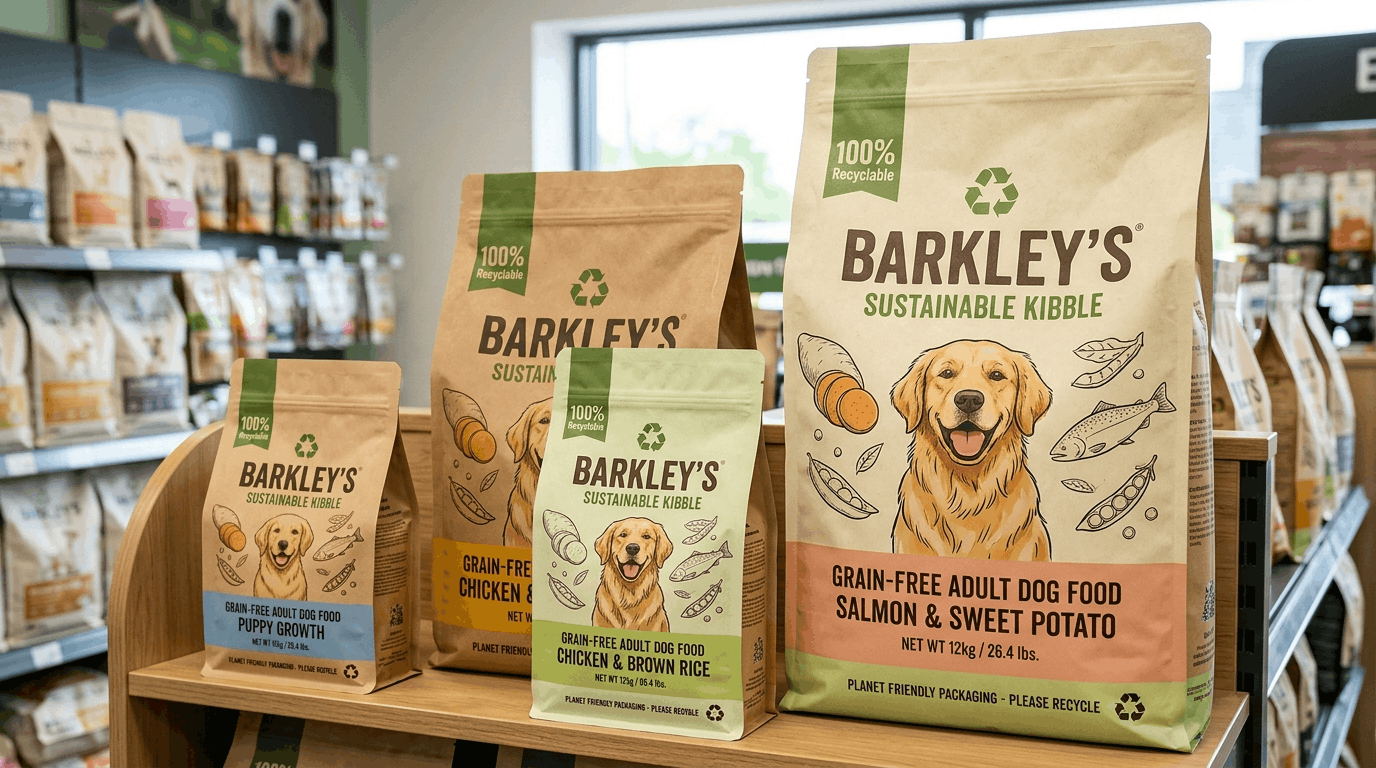

Pet owners today care more about sustainability than ever before. As environmental concerns continue growing, many people now question the impact of pet products on landfills, pollution, and long-term waste management. One area receiving increased attention involves recyclable dog food packaging and whether those bags, pouches, and containers can actually be recycled effectively. Unfortunately, the answer is often more complicated than many consumers expect.
Although some brands market packaging as eco-friendly or recyclable, many pet food bags still create major recycling challenges. Understanding the materials used in pet packaging helps owners make smarter decisions while reducing unnecessary environmental harm.
The pet industry produces massive amounts of packaging waste every year. Since most dog owners purchase food regularly, even small changes in buying habits can create meaningful environmental improvements over time.
Why Dog Food Packaging Is Difficult to Recycle
Many consumers assume all plastic packaging can go directly into household recycling bins. However, dog food packaging often contains multiple material layers designed to preserve freshness, block moisture, and prevent contamination.
Recyclable dog food packaging usually requires specialized recycling systems because many bags combine plastic films, foil layers, adhesives, and protective coatings.
These mixed materials help extend shelf life and protect food quality. Unfortunately, they also make separation and processing much harder during recycling.
As a result, many standard recycling facilities cannot handle pet food bags properly.
The Purpose Behind Multi-Layer Packaging
Dog food manufacturers prioritize food safety, freshness, and durability when designing packaging.
Without strong protective barriers, dry kibble may absorb moisture, lose nutritional quality, or spoil more quickly.
Many recyclable dog food packaging designs use layered materials specifically to prevent oxygen exposure and contamination during transportation and storage.
Although these materials improve product preservation, they often complicate environmental disposal efforts significantly.
Plastic Film Recycling Programs Are Expanding
Some companies now participate in plastic film recycling initiatives that accept certain flexible packaging materials.
Specific recyclable dog food packaging products may qualify for drop-off recycling through participating grocery stores or specialized collection programs.
These systems usually differ from regular curbside recycling programs.
Pet owners should carefully read disposal instructions because improper recycling can contaminate larger recycling batches.
Not Every Recycling Symbol Means Curbside Safe
Many consumers misunderstand recycling labels displayed on packaging.
A recycling symbol alone does not automatically mean recyclable dog food packaging belongs in standard household bins.
Certain labels only indicate that packaging materials technically can be recycled under specific conditions or through designated facilities.
Checking local recycling guidelines remains essential before disposing of pet food packaging incorrectly.
Paper-Based Packaging Is Becoming More Common
Some pet food brands now experiment with paper-heavy packaging alternatives.
Paper materials often improve recyclability while reducing reliance on plastic components.
However, recyclable dog food packaging made primarily from paper still requires protective inner barriers to preserve food quality safely.
As a result, not all paper-looking bags remain fully recyclable through standard systems.
Consumers should still verify disposal instructions carefully.
Sustainability Marketing Can Be Misleading
Many companies recognize growing consumer interest in sustainability and eco-conscious products.
Unfortunately, some brands use vague environmental claims without offering meaningful recycling solutions.
Recyclable dog food packaging marketed as “green” or “eco-friendly” may still involve difficult-to-process materials unsuitable for most local recycling facilities.
Consumers should look for detailed disposal instructions and transparent environmental commitments rather than trusting marketing language alone.
How Local Recycling Rules Affect Disposal
Recycling systems vary significantly between cities, counties, and countries.
A material accepted in one location may not qualify for recycling elsewhere.
Because recyclable dog food packaging often involves specialty materials, owners should consult local recycling guidelines before placing bags into curbside bins.
Improper disposal can create contamination problems that increase waste throughout entire recycling systems.
Specialized Collection Programs Help Reduce Waste
Some pet brands partner with environmental organizations or recycling companies offering take-back programs for difficult packaging materials.
These programs allow consumers to mail or drop off recyclable dog food packaging for specialized processing.
Although participation requires extra effort, these initiatives help divert substantial waste from landfills over time.
Consumers interested in sustainability may prioritize brands supporting these recycling partnerships actively.
Reusable Storage Containers Reduce Packaging Wear
Proper storage also affects sustainability indirectly.
Many owners transfer kibble into reusable airtight containers after opening bags. This approach helps preserve freshness while reducing damage to recyclable dog food packaging before disposal.
Clean, dry bags generally recycle more effectively than contaminated or food-covered materials.
Additionally, reusable containers may reduce the need for excessive secondary packaging at home.
Wet Food Packaging Creates Different Challenges
Cans, pouches, trays, and tubs each involve separate recycling considerations.
Metal cans often recycle more easily than flexible pouches because aluminum and steel recycling systems already exist widely.
However, flexible wet food pouches still create major processing difficulties despite growing interest in recyclable dog food packaging innovations.
Consumers should review disposal recommendations for each packaging type individually.
Compostable Packaging Is Still Limited
Some companies now explore compostable alternatives for pet food packaging.
While promising in theory, compostable materials often require industrial composting systems unavailable in many communities.
Certain compostable materials may also break down improperly in standard landfill conditions.
Consumers should not automatically assume compostable packaging guarantees lower environmental impact without proper disposal infrastructure available locally.
Bulk Buying Can Reduce Overall Waste
Owners feeding dogs regularly may reduce packaging waste by purchasing larger bags instead of multiple smaller packages.
Larger recyclable dog food packaging options generally use less material per pound of food compared to smaller individual units.
However, owners should still ensure products remain fresh before expiration dates.
Spoiled food creates additional waste and eliminates environmental benefits gained through reduced packaging use.
Some Brands Are Improving Packaging Design
As consumer demand increases, more companies continue investing in better sustainable packaging technologies.
Several brands now develop recyclable dog food packaging using mono-material designs that avoid difficult mixed-material combinations.
Simpler packaging structures improve recycling efficiency while maintaining food safety standards.
Although industry-wide progress remains gradual, innovation continues expanding steadily.
Cleaning Packaging Before Recycling Matters
Food contamination remains one of the biggest recycling obstacles overall.
Greasy residue, leftover kibble dust, and food oils may interfere with recycling processes significantly.
Pet owners should empty recyclable dog food packaging completely before disposal whenever possible.
Certain facilities may also recommend rinsing containers or removing labels depending on local recycling guidelines.
Landfills Still Receive Massive Packaging Waste
Despite increasing sustainability awareness, enormous amounts of pet packaging still end up in landfills every year.
Flexible plastics remain especially difficult to recycle consistently across most communities.
As pet ownership continues growing worldwide, recyclable dog food packaging solutions will likely become increasingly important for long-term waste reduction efforts.
Consumer demand may encourage faster innovation throughout the industry.
Sustainable Shopping Goes Beyond Packaging Alone
Packaging represents only one part of broader environmental responsibility.
Consumers should also evaluate ingredient sourcing, manufacturing practices, transportation emissions, and company transparency when assessing sustainability.
A product using recyclable dog food packaging may still involve environmentally harmful production systems elsewhere within the supply chain.
Responsible purchasing requires considering the full environmental picture carefully.
Pet Owners Can Influence Industry Change
Consumer purchasing behavior strongly affects corporate decision-making over time.
Brands noticing stronger demand for recyclable dog food packaging may invest more heavily in sustainable materials and improved recycling systems.
Even small individual choices contribute collectively when millions of pet owners support environmentally responsible companies consistently.
How to Identify Better Packaging Options
Pet owners looking for better sustainability practices should focus on several important factors before purchasing products.
Look for clear recycling instructions, transparent packaging information, minimal excess materials, and participation in recycling partnerships or take-back programs.
Companies providing detailed sustainability reports often demonstrate stronger environmental commitment overall.
Consumers should also avoid overly packaged products whenever practical.
Balancing Convenience and Sustainability
Modern convenience often relies heavily on disposable packaging systems.
Completely eliminating pet food packaging waste remains difficult today. However, reducing unnecessary waste through smarter choices still creates positive environmental impact.
Choosing recyclable dog food packaging whenever possible supports gradual improvement across the pet industry while encouraging continued innovation in sustainable manufacturing and waste reduction.
Although challenges remain significant, progress continues steadily as consumers, manufacturers, and recycling systems adapt to growing environmental concerns. Pet owners who stay informed about packaging materials, recycling limitations, and responsible disposal methods can help reduce unnecessary landfill waste considerably over time. Thoughtful purchasing decisions may not solve every environmental problem immediately, but they contribute meaningfully toward more sustainable pet care practices for the future.
FAQ
1. Can all pet food bags go into curbside recycling bins?
No. Many bags contain mixed materials that most curbside recycling facilities cannot process properly.
2. Are dog food cans easier to recycle than bags?
Yes. Metal cans generally recycle more efficiently because established recycling systems already handle aluminum and steel widely.
3. What does recyclable labeling actually mean?
It usually means packaging can be recycled under specific conditions or through designated recycling programs.
4. Should pet food bags be cleaned before disposal?
Yes. Removing food residue and emptying packaging fully may improve recycling success significantly.
5. Do sustainable pet brands always use better packaging?
Not always. Some companies market products as eco-friendly without offering truly practical recycling solutions.