
Plastic packaging dog products has become a growing concern for pet owners who want to make more environmentally responsible choices. While dog food, toys, treats, and accessories are essential for daily care, the packaging they come in often creates long-term waste that harms the planet. Therefore, understanding the impact of these materials helps you make better decisions that benefit both your pet and the environment.
Most pet products rely heavily on plastic for convenience, durability, and cost efficiency. However, these benefits come with a hidden cost. Plastic waste does not break down easily, and much of it ends up in landfills or oceans. As a result, plastic packaging dog products contributes significantly to environmental pollution that lasts for decades.
Why Plastic Packaging Is So Widely Used
Plastic is widely used because it is lightweight, cheap, and easy to produce. Manufacturers prefer it because it protects products from moisture, damage, and contamination. Therefore, it has become the default choice for packaging across the pet industry.
However, convenience often outweighs sustainability in production decisions. Many companies continue using plastic because it is readily available and cost-effective. Unfortunately, this leads to excessive use, especially in items that are frequently purchased.
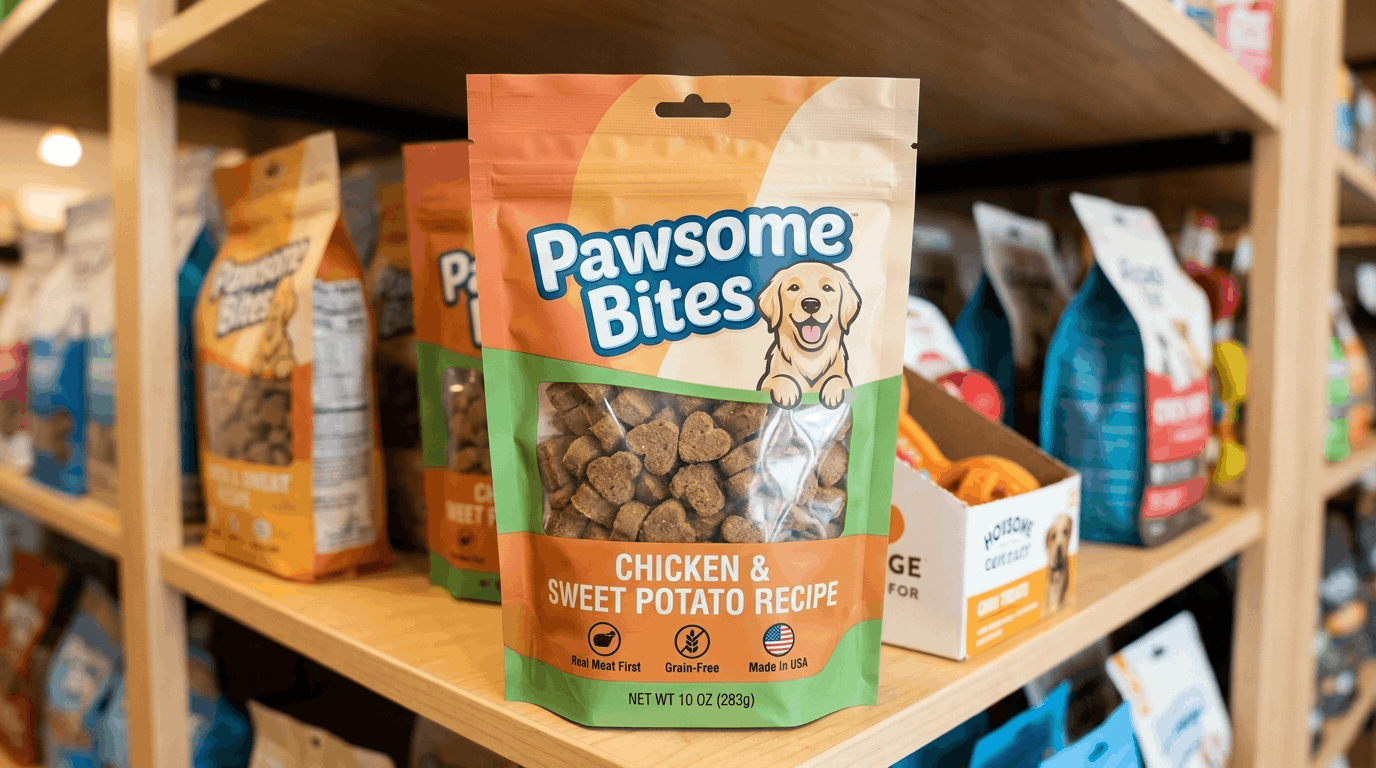
Plastic packaging dog products often include layers of wrapping, resealable bags, and protective coverings. While these features may extend shelf life, they also increase the amount of waste generated. Over time, this accumulation creates a serious environmental issue.
The Environmental Impact Of Plastic Waste
Plastic waste poses a major threat to ecosystems around the world. Unlike natural materials, plastic does not decompose quickly. Instead, it breaks down into smaller particles known as microplastics. These particles can contaminate soil, water, and food sources.
When plastic packaging dog products are discarded, they often end up in landfills or waterways. From there, they can travel long distances and harm wildlife. Animals may ingest plastic or become entangled in it, leading to injury or death.
Additionally, plastic production itself contributes to pollution. The process requires fossil fuels, which release greenhouse gases. Therefore, the impact of plastic packaging dog products extends beyond waste and into climate change.
How Pet Owners Contribute To The Problem
Many pet owners unknowingly contribute to plastic waste through everyday purchases. Frequent buying of treats, toys, and accessories often leads to a steady flow of discarded packaging. Although each item may seem small, the cumulative effect is significant.
Single-use packaging is one of the biggest contributors. Items that are opened and discarded immediately add to the growing waste problem. Therefore, reducing reliance on these products can make a noticeable difference.
Plastic packaging dog products also include items like poop bags, food containers, and grooming supplies. While these are necessary, choosing alternatives can reduce overall waste. Awareness is the first step toward making better choices.
The Problem With Recycling Plastic Packaging
Recycling is often seen as a solution, but it is not always effective. Many types of plastic used in packaging are difficult to recycle due to mixed materials or contamination. As a result, a large percentage of plastic waste still ends up in landfills.
Plastic packaging dog products often combine different materials, such as plastic and foil, which complicates recycling. Even when recycling facilities are available, not all materials are accepted. This limits the effectiveness of recycling efforts.
Additionally, recycling processes require energy and resources. While it is better than disposal, it does not fully solve the problem. Therefore, reducing plastic use remains the most effective approach.
Health And Environmental Risks Of Microplastics
Microplastics are tiny particles that result from the breakdown of larger plastic items. These particles can enter ecosystems and even the food chain. Over time, they accumulate in soil, water, and living organisms.
Plastic packaging dog products contribute to this issue as they degrade. Pets may also be exposed to microplastics through contaminated water or surfaces. Although research is ongoing, the potential health risks are concerning.
Reducing plastic use helps limit the spread of microplastics. By making conscious choices, pet owners can play a role in protecting both environmental and animal health.
Sustainable Alternatives To Plastic Packaging
Fortunately, alternatives to plastic packaging are becoming more available. Many brands now offer products with biodegradable, compostable, or recyclable materials. These options reduce environmental impact while maintaining product quality.
Paper-based packaging, for example, breaks down more easily and is widely recyclable. Similarly, reusable containers provide a long-term solution that reduces waste. Choosing these options helps minimize reliance on plastic.
When selecting products, look for clear labeling and transparency. Brands that prioritize sustainability often provide detailed information about their packaging. By choosing wisely, you reduce the impact of plastic packaging dog products.
Reducing Waste Through Smarter Buying Habits
Changing buying habits can significantly reduce waste. For example, purchasing in bulk reduces the frequency of packaging disposal. Additionally, choosing products with minimal packaging lowers overall waste.
Reusable storage containers are another effective solution. Instead of relying on single-use packaging, transfer food and treats into durable containers. This reduces the need for repeated plastic use.
Plastic packaging dog products can also be minimized by selecting high-quality items that last longer. Durable toys and accessories reduce the need for frequent replacements, which in turn reduces packaging waste.
Supporting Brands That Prioritize Sustainability
Consumer demand plays a major role in shaping industry practices. By supporting brands that use eco-friendly packaging, you encourage more companies to adopt sustainable methods. This shift can lead to widespread change over time.
Look for certifications or commitments to sustainability when choosing products. Brands that invest in better packaging often highlight these efforts. Supporting them helps drive progress within the pet industry.
Plastic packaging dog products will continue to exist, but consumer choices can influence how they are produced. By prioritizing sustainability, you contribute to a more responsible system.
Small Changes That Make A Big Difference
Even small changes can have a meaningful impact. For example, reusing packaging materials whenever possible reduces waste. Additionally, properly sorting recyclables improves processing efficiency.
Educating others about the impact of plastic waste can also create change. Sharing knowledge with friends and family encourages more people to make responsible choices. Over time, these collective efforts add up.
Plastic packaging dog products may seem like a minor issue, but addressing it can lead to significant environmental benefits. Every step toward reducing waste helps protect the planet.
Conclusion
Plastic packaging dog products plays a significant role in environmental pollution, yet it is often overlooked in daily life. While plastic offers convenience, its long-term impact on ecosystems, wildlife, and climate cannot be ignored.
By understanding the problem and making conscious choices, pet owners can reduce their environmental footprint. Choosing sustainable alternatives, improving buying habits, and supporting responsible brands all contribute to positive change.
Although eliminating plastic entirely may not be possible, reducing its use is a realistic goal. With consistent effort, you can protect the environment while still providing the best care for your dog. Small decisions today can lead to a healthier planet for future generations.
FAQ
1. Why is plastic packaging harmful to the environment?
Plastic takes years to break down and can pollute land, water, and wildlife habitats.
2. Can all pet product packaging be recycled?
Not all materials are recyclable, especially those made from mixed plastics or combined layers.
3. What are eco-friendly alternatives to plastic packaging?
Options include paper-based packaging, compostable materials, and reusable containers.
4. How can I reduce waste from pet products at home?
Buy in bulk, reuse containers, and choose products with minimal packaging whenever possible.
5. Do sustainable pet brands cost more?
Some may cost slightly more, but they often offer better quality and long-term value.