
Pet ownership often comes with a surprising amount of waste over time. Old leashes, worn-out beds, damaged toys, cracked bowls, torn harnesses, and outdated accessories frequently end up in landfills once they stop serving their purpose. Unfortunately, many pet products contain synthetic materials that do not break down naturally for decades. As sustainability becomes increasingly important, more companies are beginning to recognize the environmental impact of pet-related waste. Understanding how pet gear take-back programs work can help owners make more responsible purchasing and disposal decisions for the future.
These programs generally allow customers to return used products for recycling, refurbishment, repurposing, or responsible disposal instead of throwing everything away. Some brands also reward participation through discounts, store credits, or loyalty incentives.
Learning about pet gear take-back initiatives helps environmentally conscious owners reduce waste while supporting brands prioritizing sustainability.
Most importantly, these programs encourage longer product life cycles and more thoughtful consumer habits overall.
Why Pet Waste Is Becoming a Bigger Issue
Pet ownership continues growing worldwide, which naturally increases demand for toys, bedding, clothing, collars, carriers, and feeding products.
Many sustainability experts now discuss pet gear take-back systems because discarded pet products contribute significantly to landfill waste annually.
Synthetic fabrics, rubber components, foam padding, plastics, and mixed-material products often prove difficult to recycle through normal municipal systems.
Additionally, inexpensive low-quality pet products frequently wear out quickly, encouraging constant replacement cycles.
As awareness increases, consumers are beginning to expect more environmentally responsible solutions from manufacturers.
How Take-Back Programs Usually Work
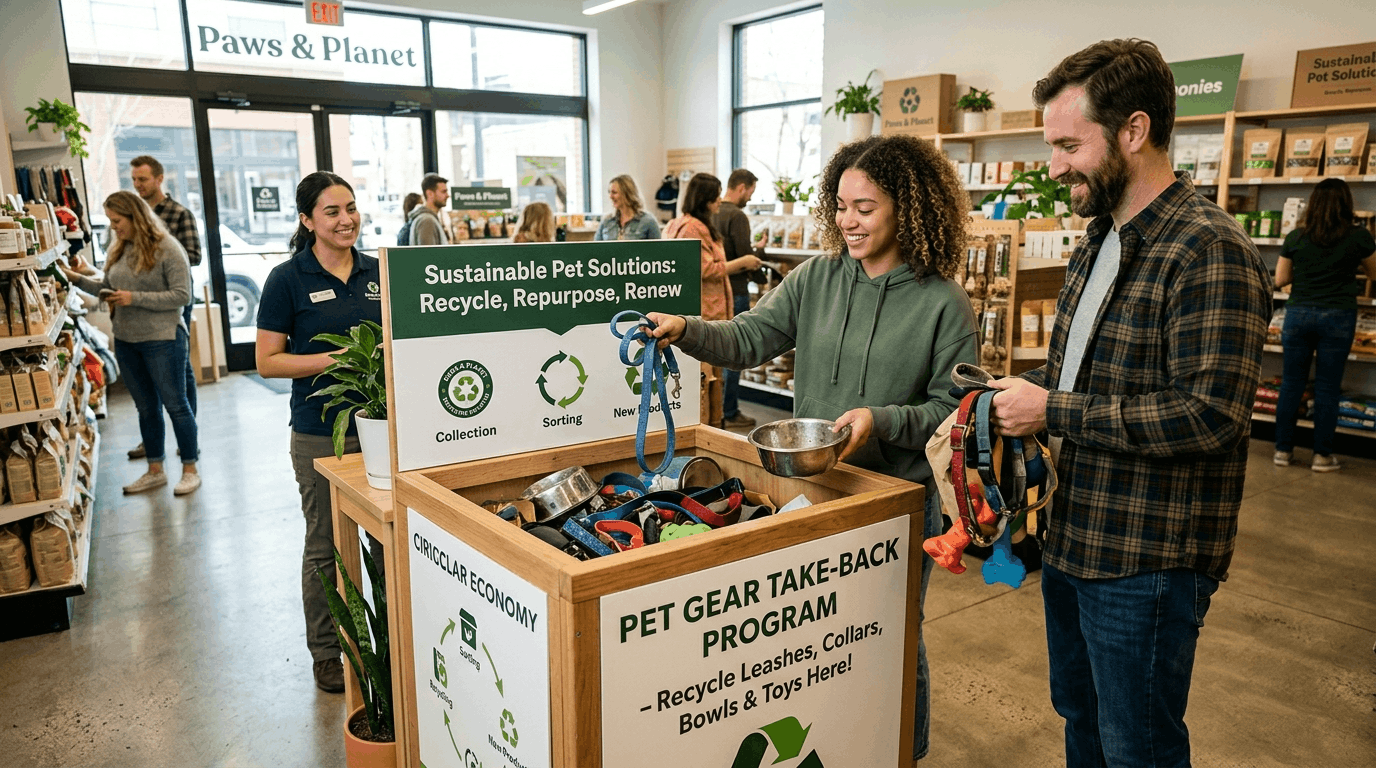
Most pet gear take-back systems operate through product return partnerships, mail-in recycling programs, or designated store drop-off locations.
Customers generally return used pet products directly to participating companies, which then sort items for recycling, refurbishment, or material recovery.
Some programs focus only on specific product categories, while others accept broader ranges of pet accessories.
Certain companies also collaborate with recycling specialists capable of processing difficult mixed materials more efficiently.
Programs vary widely, so owners should always review accepted item lists carefully before shipping or dropping off products.
Brands Are Responding to Sustainability Demands
Consumer expectations increasingly influence how companies design and manage products.
Growing interest in pet gear take-back initiatives reflects broader environmental concerns surrounding plastic waste and overconsumption.
Many shoppers now prioritize durability, recyclability, ethical manufacturing, and sustainability when purchasing pet supplies.
As a result, some pet companies are redesigning products specifically for easier recycling and material recovery later.
This shift may gradually improve environmental responsibility across the entire pet industry.
Recycled Materials Are Becoming More Common
Many companies participating in pet gear take-back efforts also incorporate recycled materials into newer products.
Beds, leashes, collars, toys, and outerwear increasingly feature recycled plastics, reclaimed fabrics, or repurposed synthetic fibers.
Using recovered materials helps reduce demand for entirely new raw resources while supporting circular manufacturing systems.
Additionally, recycled products often perform similarly to traditional materials when manufactured properly.
Durability Matters as Much as Recycling
Sustainability involves more than disposal options alone.
High-quality durable products often reduce waste more effectively than cheaply made items replaced repeatedly.
Many successful pet gear take-back programs focus equally on durability because longer-lasting products naturally reduce environmental impact over time.
Strong stitching, reinforced materials, washable covers, and replaceable components often extend product lifespan significantly.
Owners who buy fewer better-made products frequently generate less waste overall.
Mail-In Recycling Programs Improve Accessibility
Some companies now offer convenient mail-in recycling systems for worn-out pet supplies.
These pet gear take-back programs often provide prepaid labels or collection instructions simplifying the return process considerably.
Mail-in systems help owners participate even without nearby physical store locations.
Convenience matters greatly because complicated recycling procedures often discourage participation.
Simple accessible systems generally produce higher engagement and better environmental results long term.
Some Programs Refurbish Usable Products
Not every returned item requires complete recycling or disposal.
Certain pet gear take-back initiatives inspect products for repair or refurbishment before deciding whether recycling becomes necessary.
Usable crates, carriers, or lightly worn accessories may sometimes support shelters, rescue groups, or donation programs after cleaning and repairs.
Extending usable product life often creates even lower environmental impact than recycling alone.
Toy Recycling Is Growing Slowly
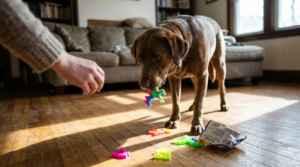
Pet toys create particularly challenging waste because they often combine rubber, fabric, plastic, stuffing, and squeakers together.
Some specialized pet gear take-back programs now target toy recycling specifically because traditional curbside systems rarely process these products effectively.
Toy recycling remains complicated, although awareness continues increasing steadily.
Owners may also reduce waste by choosing stronger toys lasting longer under heavy chewing or rough play.
Beds and Bedding Create Large Waste Volumes
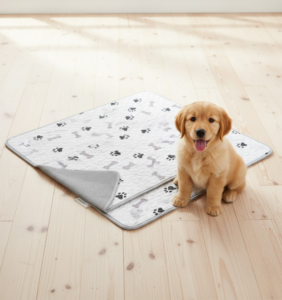
Pet beds often contain foam, polyester stuffing, synthetic covers, and plastic liners that create disposal problems.
Several pet gear take-back initiatives now focus specifically on recovering bedding materials because these bulky items occupy significant landfill space.
Removable washable covers may extend bed lifespan considerably before replacement becomes necessary.
Certain manufacturers also design modular beds allowing owners to replace only worn components rather than entire products.
Packaging Reduction Also Matters
Sustainable companies frequently address packaging waste alongside product disposal concerns.
Many businesses supporting pet gear take-back practices also reduce unnecessary plastic packaging, shipping waste, and disposable product wrapping.
Smaller packaging footprints help reduce transportation emissions and landfill contributions simultaneously.
Consumers increasingly appreciate brands taking broader environmental responsibility rather than focusing only on marketing claims.
Consumers Influence Industry Change
Purchasing behavior strongly affects long-term industry trends.
Growing participation in pet gear take-back systems encourages more companies to invest in sustainable manufacturing and recycling infrastructure.
Businesses often respond when consumers prioritize durability, recyclability, and environmental accountability during purchasing decisions.
Even small shifts in consumer demand may influence broader market behavior significantly over time.
Local Shelters Sometimes Accept Used Gear
While not formal recycling systems, some shelters and rescue organizations accept gently used pet supplies.
Certain pet gear take-back alternatives involve donating washable beds, crates, bowls, or collars still remaining in safe usable condition.
Donation programs may extend product usefulness while helping animals in need simultaneously.
However, shelters typically reject heavily damaged, unsanitary, or unsafe items.
Owners should contact organizations directly before dropping off materials unexpectedly.
Not Every Product Can Be Recycled Safely
Mixed-material construction still creates challenges across the pet industry.
Even advanced pet gear take-back systems sometimes struggle processing heavily contaminated or non-separable materials efficiently.
Certain adhesives, foam products, or combined plastics remain difficult to recycle responsibly.
As technology improves, future systems may handle these materials more effectively.
Until then, choosing simpler recyclable products often supports better long-term sustainability outcomes.
Choosing Sustainable Brands Requires Research
Marketing language alone does not always guarantee meaningful environmental action.
Responsible consumers researching pet gear take-back programs should evaluate whether brands provide transparent recycling details and measurable sustainability commitments.
Clear material sourcing information, repair programs, recycling partnerships, and realistic waste reduction goals often indicate stronger environmental responsibility.
Companies offering vague claims without detailed explanations may provide less meaningful sustainability impact overall.
Repairing Gear Before Replacing It Helps Too
Recycling represents only one part of responsible consumption.
Simple repairs sometimes extend product lifespan dramatically before replacement becomes necessary.
Many environmentally conscious owners participating in pet gear take-back programs also prioritize mending beds, replacing clips, or repairing torn seams when possible.
Small repairs may prevent unnecessary waste while saving money simultaneously.
Sustainable Pet Ownership Continues Evolving
The pet industry continues changing as environmental awareness grows worldwide. More brands now recognize that responsible waste management matters to modern consumers seeking better long-term sustainability practices.
Learning about pet gear take-back opportunities helps owners make smarter decisions regarding purchasing, product care, repair, recycling, and disposal habits.
Although no system completely eliminates waste, take-back programs encourage more responsible material management while reducing landfill contributions over time.
Most importantly, sustainable pet ownership involves gradual improvement rather than perfection. Choosing durable products, supporting responsible companies, repairing usable gear, donating safe items, and participating in recycling initiatives all contribute positively. As more consumers prioritize sustainability, the pet industry will likely continue expanding environmentally responsible practices that benefit both pets and the planet for years ahead.
FAQ
1. What are take-back programs for pet products?
These programs allow owners to return used pet items for recycling, repair, or responsible disposal.
2. Can old pet toys usually be recycled?
Some specialized programs recycle toys, although mixed materials still create processing challenges.
3. Are pet beds difficult to recycle?
Yes, many beds contain foam and mixed fabrics that standard recycling systems cannot process easily.
4. Do take-back programs offer rewards sometimes?
Some companies provide discounts, store credits, or loyalty benefits for returned products.
5. What is the easiest way to reduce pet product waste?
Buying durable products, repairing damaged gear, and recycling responsibly often reduce waste significantly.