
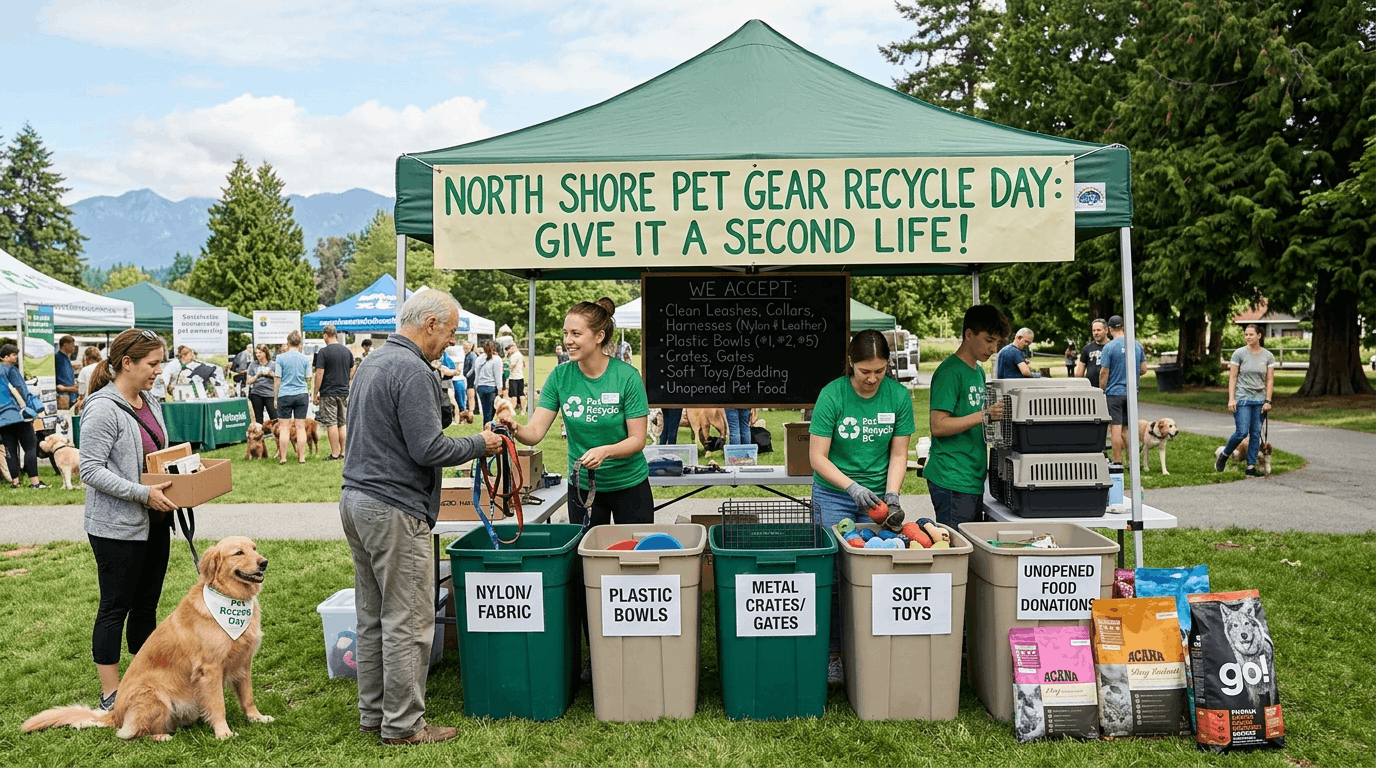

Understanding how to recycle pet gear is an important step toward reducing waste and making more sustainable choices as a pet owner. Many pet products, including toys, beds, leashes, and bowls, are made from materials that do not break down easily. As a result, they often end up in landfills where they remain for years. Therefore, learning how local recycling programs handle these items helps you make better decisions and reduce your environmental impact.
Local recycling systems vary widely, and not all accept pet-related products. However, as awareness grows, more communities are developing solutions to manage these items responsibly. By choosing to recycle pet gear properly, you contribute to a cleaner environment and support systems designed to reduce waste.
Why Pet Gear Is Difficult To Recycle
Many pet products are made from mixed materials, which makes recycling more complex. For example, a single toy may include rubber, fabric, and plastic components. Because these materials are combined, separating them for recycling is often challenging.
Additionally, pet gear can be contaminated with dirt, hair, or waste. This contamination makes processing more difficult and may lead facilities to reject certain items. Therefore, the decision to recycle pet gear requires proper preparation and understanding of local guidelines.
Despite these challenges, recycling programs are evolving. New technologies and processes are improving the ability to handle complex materials. This progress is making it easier to recycle pet gear in many areas.
How Local Recycling Programs Operate
Local recycling programs typically follow a structured process. First, items are collected either through curbside pickup or designated drop-off centers. Once collected, materials are sorted based on type and condition.
Facilities then process these materials using specialized equipment. For example, plastics may be shredded and melted, while textiles are cleaned and repurposed. However, not all items can be processed in standard facilities. Some require specialized recycling programs.
When you recycle pet gear, it is important to understand which system your local program uses. This ensures that your efforts are effective and that items are handled correctly.
What Pet Items Are Commonly Accepted
Acceptance varies by location, but certain items are more likely to be recyclable. Hard plastic items such as bowls or carriers are often accepted if they are clean and free from damage. Similarly, metal components like buckles or clips can be recycled through standard metal programs.
Some facilities also accept textiles, including bedding and fabric toys, although this depends on condition and cleanliness. Therefore, checking local guidelines is essential before attempting to recycle pet gear.
Items made from a single material are easier to process. This is why choosing simpler products can improve recyclability in the long run.
Specialized Programs For Pet Products
In addition to local facilities, specialized recycling programs focus specifically on pet products. These programs are designed to handle items that standard systems cannot process.
For example, some organizations collect used pet gear and partner with manufacturers to recycle materials into new products. Others repurpose items for different uses, reducing waste without traditional recycling.
When local options are limited, these programs provide an alternative way to recycle pet gear. They often require shipping items, but they ensure responsible handling and reuse.
Preparing Items For Recycling Properly
Preparation is a key step when you want to recycle pet gear. Items should be cleaned thoroughly to remove dirt, hair, and residue. This reduces contamination and increases the chances of acceptance.
Additionally, separating materials where possible helps improve efficiency. For example, removing metal parts from fabric items makes processing easier. While not always required, this step can make a difference.
Proper preparation ensures that your effort to recycle pet gear is effective. It also supports recycling facilities by reducing the work needed to process materials.
Common Mistakes That Reduce Recycling Success
One common mistake is assuming that all items are recyclable. In reality, many pet products are not accepted by standard programs. Therefore, placing them in recycling bins without checking guidelines can cause contamination.
Another issue is failing to clean items before disposal. Dirty products may be rejected and sent to landfills instead. Additionally, mixing non-recyclable materials with recyclable ones can disrupt the entire process.
To avoid these problems, always verify local requirements before you recycle pet gear. Taking a few extra steps ensures that your efforts are not wasted.
The Role Of Community Awareness
Community awareness plays a major role in improving recycling systems. When more people understand how to recycle pet gear, participation increases and programs become more effective.
Local governments and organizations often provide educational resources to help residents make informed decisions. These efforts highlight the importance of proper sorting and disposal.
By staying informed and sharing knowledge with others, you contribute to a more efficient recycling system. This collective effort helps reduce waste on a larger scale.
Reducing Waste Before Recycling
While recycling is important, reducing waste at the source is even more effective. Choosing durable products that last longer reduces the need for frequent disposal. This lowers the overall volume of waste entering recycling systems.
Repairing items instead of replacing them also helps. For example, fixing a torn bed or replacing a broken clip extends the life of the product. These actions reduce the need to recycle pet gear as often.
Additionally, donating usable items provides another alternative. Shelters and community groups can reuse products, which delays their entry into the waste stream.
How Recycling Supports Sustainability
Recycling helps conserve resources by reusing existing materials instead of producing new ones. This reduces energy consumption and lowers environmental impact. When you recycle pet gear, you support this process and contribute to sustainability.
Recycled materials can be transformed into new products, reducing the need for raw materials. This cycle helps create a more efficient and responsible system.
Although recycling alone cannot solve all environmental issues, it plays a crucial role. Combined with reduction and reuse, it forms a comprehensive approach to waste management.
Future Improvements In Pet Gear Recycling
The future of recycling is evolving rapidly. New technologies are being developed to handle complex materials more effectively. These advancements will improve the ability to recycle pet gear in the coming years.
Manufacturers are also starting to design products with recyclability in mind. This includes using single materials or creating items that are easier to disassemble. These changes will make recycling more accessible and efficient.
As awareness continues to grow, more communities are likely to expand their programs. This progress offers hope for reducing waste and improving sustainability.
Conclusion
Learning how to recycle pet gear properly is an important step toward reducing waste and protecting the environment. While challenges exist, understanding local programs and preparing items correctly can make a significant difference.
By combining recycling with smarter purchasing and reuse habits, you create a more sustainable approach to pet ownership. These efforts not only reduce environmental impact but also support the development of better waste management systems.
Over time, consistent actions lead to meaningful change. When more people choose to recycle pet gear responsibly, the collective impact becomes powerful and long-lasting.
FAQ
1. Can all pet products be recycled locally?
No, acceptance depends on local guidelines and the materials used in the product.
2. Do I need to clean items before recycling them?
Yes, cleaning reduces contamination and increases the chances of acceptance.
3. What should I do with items that cannot be recycled?
Consider donating, repurposing, or using specialized recycling programs.
4. Are there programs specifically for pet gear recycling?
Yes, some organizations focus on recycling or repurposing pet products.
5. How can I reduce waste from pet products overall?
Choose durable items, repair when possible, and reuse before recycling.