
As pet parents, we want the best for our dogs, and increasingly, that includes making choices that benefit the planet. With pet spending in the U.S. projected to hit $165 billion in 2026, the volume of pet-related waste is substantial. But there’s good news: the industry is embracing circular economy models, and you have the power to reduce pet product waste significantly. At EcoFriendlyDogProducts.com, we believe that responsible pet care extends to minimizing our environmental paw print.
The Urgency of Waste Reduction in Pet Care
The sustainable pet supplies market’s rapid growth is a testament to consumer awareness. However, traditional pet products often come with excessive packaging, single-use items, and a linear ‘take-make-dispose’ lifecycle. This generates significant landfill waste. The EU’s new Packaging and Packaging Waste Regulation (PPWR), broadly applicable from August 2026, mandates a 5% reduction in packaging waste by 2030, reflecting a global push towards sustainability. This impacts pet product manufacturers directly, urging them towards more sustainable practices, and it empowers us as consumers to demand better.
Embracing the Circular Economy: Beyond Recycling
Reducing pet product waste goes beyond simply recycling. It’s about participating in a circular economy, where products and materials are kept in use for as long as possible, designed for durability, and ultimately regenerated. Here’s how this plays out in pet care:
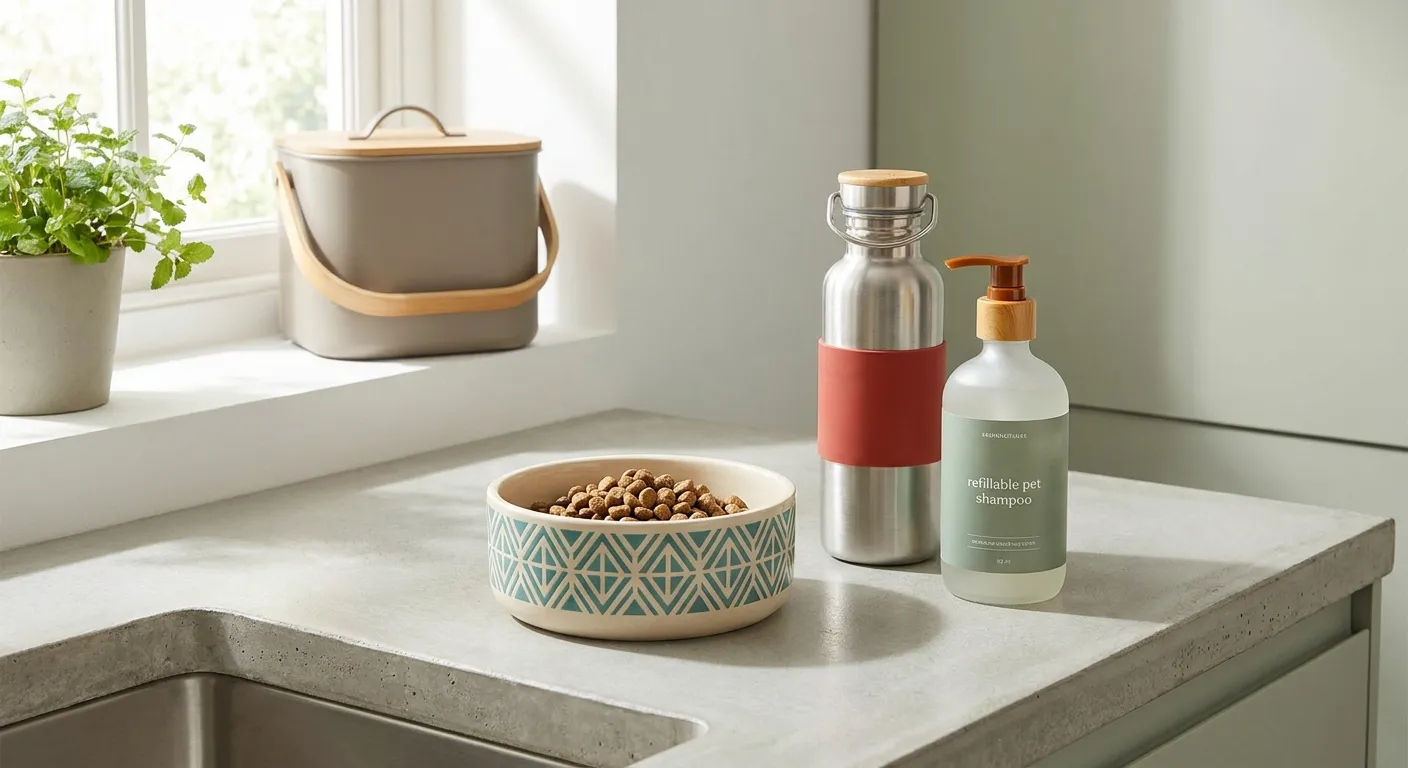
1. Choose Durable Over Disposable: Opt for high-quality, long-lasting products like ceramic food bowls, sturdy stainless steel water bottles, and robust toys made from natural rubber or recycled materials. This directly reduces the frequency of replacements and the waste generated.
2. Seek Refillable & Reusable Options: Many grooming product brands are now offering refillable dispensers for shampoos, conditioners, and even cleaning sprays. This simple habit drastically cuts down on single-use plastic bottles. Look for brands with take-back schemes for hard-to-recycle packaging.
3. Prioritize Upcycled Ingredients: A growing trend, upcycled ingredients transform food industry byproducts into nutrient-dense pet food and treats. Companies like Portland Pet Food and Real Dog Box are leading the way, utilizing parts of animals or vegetables that would otherwise be wasted. This not only reduces food waste but often provides superior nutrition.
4. Support Brands with Sustainable Packaging Innovations: Leading companies like Purina and Mars Petcare aim for 100% reusable or recyclable packaging by 2025. Look for packaging made from recycled content (like rPET), compostable materials, or designs that use minimal materials. Check for clear instructions on how to recycle or compost the packaging.
Greener Everyday Habits for Your Dog
Beyond product choices, integrating greener habits into your daily routine is crucial. These small changes collectively make a big difference in reducing your dog’s environmental footprint. For instance, consider how you manage waste during walks or bath time. Thoughtful planning can significantly cut down on disposable items.
Smart Shopping for Sustainable Pet Supplies
When purchasing pet supplies, informed decisions are key. Firstly, research brands thoroughly. Look for certifications that validate their sustainability claims, such as B Corp certification or specific eco-labels. Furthermore, read product descriptions carefully to understand material sourcing and manufacturing processes. Secondly, consider the entire lifecycle of a product. A cheap, disposable item might seem appealing initially, but its long-term environmental cost is often higher. Instead, invest in items designed for longevity.
For example, instead of plastic poop bags, opt for compostable ones made from plant-based materials. Similarly, choose grooming tools made from bamboo or recycled plastics rather than virgin plastic. These choices directly help to minimize pet waste. Additionally, buying in bulk whenever possible reduces packaging waste over time. Many brands offer larger bags of food or treats, which means fewer individual packages ending up in landfills.
DIY and Homemade Pet Solutions
Creating your own pet products is an excellent way to reduce pet product waste. For instance, you can easily make homemade dog treats using simple, wholesome ingredients. This not only avoids excessive packaging but also allows you to control the ingredients, ensuring your dog gets healthy, natural snacks. There are countless recipes available online for nutritious and delicious treats.
Moreover, consider making some of your dog’s toys. Old t-shirts or towels can be braided into sturdy tug toys. Socks can be stuffed with other fabric scraps to create soft chew toys. This repurposing of household items diverts waste from landfills and provides your dog with unique, safe entertainment. Furthermore, homemade cleaning solutions for pet messes, using ingredients like vinegar and baking soda, can replace store-bought chemical cleaners that come in plastic bottles. This helps to lessen pet supply impact.
Sustainable Waste Management for Pet Parents
Proper waste management is a cornerstone of reducing your environmental impact. Firstly, always separate your pet’s recyclable packaging from general waste. Rinse containers thoroughly to prevent contamination. Secondly, investigate local composting options for pet waste, if available. Some municipalities offer specific programs for pet waste, which can be a much greener alternative to landfill disposal.
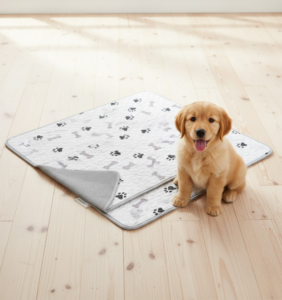
For cat owners, switching to compostable or biodegradable cat litter can significantly reduce waste. These litters are often made from natural materials like wood pellets, corn, or wheat, breaking down more easily than traditional clay litters. Additionally, if you use puppy training pads, seek out washable, reusable options instead of single-use disposable pads. This simple swap can drastically cut down pet product trash over the training period. Remember, every effort to properly sort and dispose of waste contributes to a healthier planet.
The Role of Secondhand and Donation
The circular economy thrives on extending product lifecycles, and secondhand items play a vital role. Before buying new, consider checking local pet supply thrift stores or online marketplaces for gently used items. You might find perfectly good crates, beds, or even sturdy toys that still have plenty of life left. This practice significantly helps to minimize pet waste by preventing items from being discarded prematurely.
Conversely, when your dog outgrows an item or no longer uses a particular toy, consider donating it. Local animal shelters, rescues, or even friends with pets often welcome gently used pet supplies. This not only benefits animals in need but also keeps items out of landfills. For example, old blankets or towels can be repurposed as bedding at shelters. By participating in this give-and-take, you actively contribute to a more sustainable pet care ecosystem. This strategy helps to lower pet item refuse.
Food Choices and Their Environmental Footprint
The food we feed our dogs has a substantial environmental impact, from ingredient sourcing to packaging. To truly reduce pet product waste, consider the sustainability of your dog’s diet. Firstly, look for pet food brands that prioritize ethically sourced ingredients. This includes humanely raised meats and sustainably harvested fish. Secondly, explore insect-based protein options. Insects require significantly less land, water, and feed than traditional livestock, making them a highly sustainable protein source for dogs.
Furthermore, consider brands that offer refillable kibble programs or bulk purchasing options to minimize packaging. Some local pet stores are even starting to offer ‘scoop your own’ bulk food, which is an excellent way to avoid single-use bags. Also, be mindful of food waste at home. Store pet food properly to prevent spoilage, and ensure portion sizes are accurate to avoid uneaten food being thrown away. These practices collectively help to decrease pet product garbage associated with food.
Water Conservation for Pet Owners
While not directly about product waste, water conservation is an essential component of overall environmental responsibility for pet owners. Simple habits can make a big difference. For instance, when bathing your dog, use a designated tub or basin to minimize water usage compared to a full shower. Additionally, consider collecting rainwater for watering plants or even for rinsing muddy paws, if appropriate for your area.
Ensure your dog’s water bowl is always full of fresh water, but avoid letting the faucet run unnecessarily. If you use a pet drinking fountain, choose an energy-efficient model and clean it regularly to maintain water quality, preventing the need for frequent water changes. By being mindful of water usage, you further enhance your commitment to a greener lifestyle alongside efforts to reduce pet product waste.
The Power of Advocacy and Education
As pet parents, our choices have a ripple effect. Beyond individual actions, advocating for more sustainable practices within the pet industry is powerful. Firstly, support brands that are transparent about their environmental efforts and actively working to reduce pet product waste. Use your purchasing power to reward responsible companies. Secondly, engage with your local community. Share your knowledge about sustainable pet care with friends, family, and fellow dog owners. Organize or participate in community clean-up events that might include pet-related litter.
Furthermore, provide feedback to pet product manufacturers. Let them know you value sustainable packaging, durable products, and circular economy initiatives. Your voice as a consumer can drive significant change. By educating others and advocating for better practices, you contribute to a larger movement towards a more sustainable future for pets and the planet. This collective effort is vital to truly lessen pet supply impact on a global scale.
Conclusion
Minimizing our environmental paw print as pet parents is more achievable than ever. By embracing the principles of the circular economy – choosing durable items, seeking refillable options, supporting brands with sustainable packaging, and making conscious food choices – we can significantly reduce pet product waste. Integrating greener everyday habits, from smart shopping to proper waste management and even DIY solutions, further strengthens our commitment.
At EcoFriendlyDogProducts.com, we are dedicated to helping you navigate these choices, offering a curated selection of sustainable pet supplies that align with your values. Every conscious decision contributes to a healthier planet for our beloved companions and future generations. Together, we can foster a world where responsible pet care and environmental stewardship go hand-in-hand.
Frequently Asked Questions About Sustainable Pet Care
What are some easy ways to start minimizing pet waste?
You can begin by choosing durable toys and bowls, opting for refillable grooming products, and selecting pet food with sustainable packaging. Using compostable poop bags is another simple, impactful change.
How do sustainable pet products benefit the environment?
Sustainable pet products often use recycled, upcycled, or biodegradable materials, reducing landfill waste and conserving natural resources. They also typically involve more ethical manufacturing processes and less harmful chemicals.
Can I really make my own pet supplies to cut down pet product trash?
Absolutely! Homemade dog treats, braided tug toys from old clothes, and natural cleaning solutions are excellent ways to avoid packaging and control ingredients, contributing to less pet item refuse.
What should I look for in eco-friendly pet food?
Seek out pet food brands that use ethically sourced ingredients, offer insect-based proteins, or provide bulk purchasing/refill options. Also, prioritize brands with recyclable or compostable packaging to decrease pet product garbage.
Where can I donate used pet items to help lessen pet supply impact?
Local animal shelters, pet rescues, and humane societies often accept gently used pet beds, blankets, toys, and crates. Always check their specific donation guidelines beforehand. This helps to lower pet item refuse from landfills.
Explore more: More from Eco Friendly Dog Products