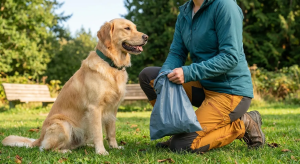

Every dog owner knows the daily ritual: scooping poop. While it seems like a small act, the cumulative environmental impact of pet waste is substantial. With billions of pounds of dog waste generated annually, much of it ending up in landfills encased in plastic bags, finding truly eco-friendly dog waste disposal solutions is crucial for environmental health. The demand for biodegradable poop bags, for instance, is rising, reflecting a growing consumer awareness and desire for more sustainable options.
This article dives into the environmental challenges posed by pet waste and explores practical, data-driven solutions, from understanding genuinely biodegradable bags to exploring composting systems. We’ll help you make informed choices that contribute to a cleaner, greener planet. Ultimately, our goal is to foster a healthier future for both pets and the planet.
The Environmental Impact of Dog Waste
Beyond being an unsightly nuisance, dog waste poses several environmental and health risks. For example, it can significantly impact water quality and contribute to pollution. Therefore, understanding these issues is the first step toward responsible pet ownership.
- Water Contamination: Rain washes pet waste into storm drains and waterways. Consequently, this introduces harmful bacteria (like E. coli), viruses, and parasites. This contamination can impact drinking water and harm aquatic ecosystems.
- Nutrient Pollution: The nitrogen and phosphorus in dog waste act as fertilizers. As a result, this leads to algal blooms in water bodies. These blooms deplete oxygen, creating ‘dead zones’ that kill fish and other aquatic life.
- Landfill Burden: Traditional plastic poop bags can take hundreds of years to decompose. In fact, they contribute to plastic pollution in landfills and potentially leach harmful chemicals into the soil. For more on this, consider reading about Microplastics and Pet Health: The Hidden Dangers in Conventional Dog Products.
Understanding these impacts underscores why eco-friendly dog waste disposal is not just a convenience, but a responsibility. Furthermore, embracing sustainable practices aligns with a holistic approach to pet care.
Understanding “Eco-Friendly Dog Waste Disposal” Options
Navigating the options for sustainable pet waste management can be confusing, especially with varying claims about biodegradability. Here’s a breakdown to help you make informed decisions. It is important to distinguish between different product types.
Biodegradable vs. Compostable Poop Bags
This is where much of the confusion lies. Both aim to reduce environmental impact, but they function differently. Ultimately, certifications are key to genuine sustainability.
- Biodegradable Bags: These are designed to break down into smaller components over time, often with the help of microorganisms. However, the term “biodegradable” is loosely regulated. Many bags labeled biodegradable still require specific conditions (like industrial composting facilities) to fully break down. Without those conditions, they might simply fragment into microplastics. Always look for certifications like ASTM D6400 (for compostability) to ensure claims are substantiated. Brands like Lil’ Archie’s and Planet Underdog focus on genuinely earth-friendly materials.
- Compostable Bags: These are made from plant-based materials (like corn starch or PLA) and are designed to break down completely into nutrient-rich compost, leaving no toxic residue. For true compostability, they typically require industrial composting facilities, where specific temperature and moisture levels are maintained. Alternatively, some are suitable for home composting, but this requires a dedicated system and careful management. Look for certifications such as BPI (Biodegradable Products Institute) or the European seedling logo. These certifications indicate that the product has met rigorous standards for compostability.
Choosing truly compostable bags is a significant step towards responsible waste management. It helps reduce landfill waste and can even create beneficial soil amendments. Therefore, always check for verifiable certifications.
Home Composting Systems for Pet Waste
For those with a backyard, home composting offers a highly effective method for sustainable dog care practices. It transforms dog waste into a valuable soil conditioner. However, it’s crucial to follow specific guidelines to ensure safety and effectiveness. Pet waste composting differs from regular garden composting due to potential pathogens.
- Dedicated Composter: Use a dedicated pet waste composter or a separate compost pile. This prevents cross-contamination with your vegetable garden. Many commercial pet waste composters are available, designed for this specific purpose.
- “Hot” Composting: Achieving high temperatures (130-160°F or 55-70°C) is essential to kill harmful bacteria and parasites. This requires a balanced mix of “greens” (nitrogen-rich materials like fresh grass clippings, food scraps) and “browns” (carbon-rich materials like leaves, wood chips, shredded paper). Regularly turning the pile helps maintain aeration and temperature.
- What NOT to Compost: Avoid composting waste from sick animals or dogs on medication. Also, avoid adding pet waste to compost used for edible plants. Always use the finished compost for ornamental plants, trees, or shrubs.
Home composting systems are an excellent long-term solution. They significantly reduce your dog’s environmental footprint. Furthermore, they contribute to healthier soil.
Bokashi Composting
Bokashi is an anaerobic composting method that ferments organic waste, including pet waste. It uses a special bran inoculated with beneficial microorganisms. This process is different from traditional composting.
- Process: You layer pet waste with Bokashi bran in an airtight container. The microorganisms ferment the waste, breaking it down. This fermentation process neutralizes odors and pathogens effectively.
- Benefits: Bokashi composting is faster than traditional composting. It can also handle a wider range of organic materials. The fermented waste, called “Bokashi pre-compost,” then needs to be buried in the soil or added to a traditional compost pile to fully break down.
- Considerations: While effective, the initial setup cost for a Bokashi system might be higher. However, its efficiency and odor control make it an attractive option for many.
Using Bokashi can be a great way to manage pet waste, especially in urban settings. It’s a powerful tool in your eco-friendly dog waste disposal arsenal.
Pet Waste Digesters
Pet waste digesters are another innovative solution. These systems are typically buried in the ground and use enzymatic action to break down waste. They are often a low-maintenance option.
- How They Work: You place dog waste into the digester, often with a little water and a special enzyme powder. The enzymes and natural bacteria accelerate the decomposition process, turning the waste into a liquid that safely leaches into the surrounding soil.
- Installation: Digesters require some initial digging for installation. However, once installed, they are relatively hands-off. They are a discreet option for many backyards.
- Environmental Impact: These systems keep waste out of landfills. They also prevent contamination of surface water. Always ensure the digester is placed away from vegetable gardens and water sources.
A pet waste digester offers a practical and discrete approach to sustainable pet waste management. It is a good choice for those seeking a permanent solution.
Community Composting and Specialized Services
Not every pet owner has the space or desire for backyard composting. Thankfully, community initiatives and specialized services are emerging. These services offer convenient and truly sustainable alternatives.
- Community Composting Programs: Some municipalities or private organizations offer community composting drop-off points. These facilities often accept pet waste, ensuring it’s processed correctly. Check with your local waste management services for availability.
- Subscription-Based Pet Waste Removal: A growing number of businesses provide subscription services. They collect pet waste, often using compostable bags, and transport it to commercial composting facilities. This provides a hassle-free and environmentally responsible solution for busy pet owners. For more on innovative brands, explore Brand Spotlight: Innovators in Sustainable Dog Accessories.
These services offer excellent options for those without home composting capabilities. They ensure proper handling and environmental responsibility. Moreover, they support the broader movement towards sustainable waste management.
Tips for Responsible Pet Waste Management Beyond Disposal
Responsible pet ownership extends beyond just proper disposal. It encompasses a holistic view of your dog’s impact. Consider these additional tips to further reduce your environmental paw print.
- Always Pick Up: This seems obvious, but leaving waste behind, even in natural areas, contributes to pollution. Always carry bags and be prepared to pick up after your dog.
- Educate Others: Share your knowledge about the importance of proper pet waste disposal. Encourage friends and family to adopt more sustainable practices. Collective action makes a significant difference.
- Reduce, Reuse, Recycle: While not directly related to waste disposal, embracing broader sustainable habits reduces overall consumption. This includes choosing durable, long-lasting pet products and recycling packaging.
- Consider Diet: A high-quality, easily digestible diet can sometimes result in smaller, firmer stools, making cleanup easier. It also contributes to your dog’s overall health and well-being.
Embracing these practices contributes to a cleaner, healthier planet. It demonstrates a commitment to truly eco-friendly dog waste disposal and broader environmental stewardship.
The Future of Sustainable Pet Waste Solutions
The landscape of pet waste management is continually evolving. Researchers and innovators are exploring new technologies and approaches. This commitment to progress is vital for our shared future.
- Advanced Biodegradable Materials: Scientists are developing next-generation materials for poop bags that break down even more efficiently and in a wider range of environments. These materials aim to overcome the limitations of current “biodegradable” plastics.
- Community Infrastructure: There’s a growing call for more widespread community composting facilities that specifically accept pet waste. This infrastructure would make sustainable disposal accessible to more pet owners.
- Public Awareness Campaigns: Continued education is crucial. Raising public awareness about the environmental impact of pet waste and the availability of sustainable solutions will drive adoption of better practices.
As consumers, our demand for genuinely sustainable products fuels this innovation. By choosing brands committed to environmental integrity, we support a greener future. This includes all aspects of sustainable dog care.
Making the Right Choice for Your Home and the Planet
Choosing the best method for eco-friendly dog waste disposal depends on your living situation and resources. Whether you opt for certified compostable bags, invest in a home composting system, or utilize community services, every effort contributes. Each small decision collectively creates a significant positive impact.
At Eco Friendly Dog Products, we are dedicated to offering solutions that protect your dog’s well-being while minimizing environmental impact. We believe that caring for our pets and caring for our planet go hand-in-hand. By adopting sustainable pet waste practices, you are making a tangible difference. You are fostering a healthier future for all living beings.
Frequently Asked Questions About Green Dog Waste Management
What are the best alternatives to plastic poop bags?
The best alternatives are certified compostable bags. These bags are made from plant-based materials and are designed to break down completely into nutrient-rich compost under specific conditions. Look for certifications like ASTM D6400 or the BPI logo to ensure genuine compostability.
Can I flush dog poop down the toilet?
While some sources suggest flushing dog poop, it’s generally not recommended. Dog waste contains pathogens that municipal wastewater treatment plants may not be equipped to handle effectively. Furthermore, many toilets and plumbing systems are not designed for solid waste like pet feces, which can lead to clogs.
Is it safe to put dog waste in my regular compost pile?
No, it is generally not safe to put dog waste in your regular compost pile, especially if you plan to use the compost on edible plants. Dog waste can contain harmful bacteria, viruses, and parasites that may not be killed by typical home composting temperatures. It’s best to use a dedicated pet waste composter or a separate pile for dog waste.
What are the benefits of using a pet waste digester?
Pet waste digesters offer several benefits. They are a discreet, low-maintenance, and permanent solution for managing dog waste in your backyard. They prevent waste from going to landfills and can safely break down waste into a liquid that leaches into the soil, reducing odors and pathogens. They are an excellent option for long-term, sustainable waste management.
How can I reduce my dog’s overall environmental impact?
Reducing your dog’s environmental footprint involves more than just waste disposal. Consider feeding a sustainable diet, choosing durable and eco-friendly dog toys, opting for sustainable grooming products, and minimizing plastic use in all pet supplies. Every choice contributes to a greener lifestyle for your dog and the planet.