
Making an eco-friendly dog transition doesn’t have to be daunting. In fact, it’s a journey filled with rewarding choices that benefit both your beloved companion and the planet. Many dog owners believe that switching to sustainable pet care is either too expensive, too complicated, or requires a complete overhaul overnight. We’re here to debunk those myths and guide you through a practical, phased approach to integrating eco-conscious habits into your daily routine. This guide will empower you to make informed decisions, ensuring a healthier lifestyle for your dog and a lighter paw print on the Earth.
Why Make the Eco-Friendly Dog Transition?
The choices we make as pet owners have a significant impact. From the ingredients in their food to the materials in their toys and the waste we manage, every decision contributes to a larger ecological picture. By choosing sustainable options, you’re not only reducing your environmental footprint but often opting for safer, higher-quality products that are free from harmful chemicals and produced ethically. This commitment reflects a holistic approach to well-being, prioritizing long-term health for your pet and the planet.
Phase 1: Start Small – Tackle One Category at a Time
The easiest way to begin your sustainable pet journey is by focusing on one area first. Trying to change everything at once can be overwhelming and lead to burnout. Pick a category that feels most accessible to you.
Sustainable Dog Food Choices
Food often represents the largest environmental impact of pet ownership. Consequently, this is a great place to start. Consider:
- Insect-Based Proteins: This is a highly sustainable protein source, requiring significantly less land and water than traditional livestock.
- Upcycled Ingredients: Look for foods that utilize human-grade by-products, thereby reducing food waste.
- Locally Sourced & Organic: This reduces transportation emissions and supports ethical farming practices.
- Sustainable Packaging: Always look for recyclable, compostable, or biodegradable packaging.
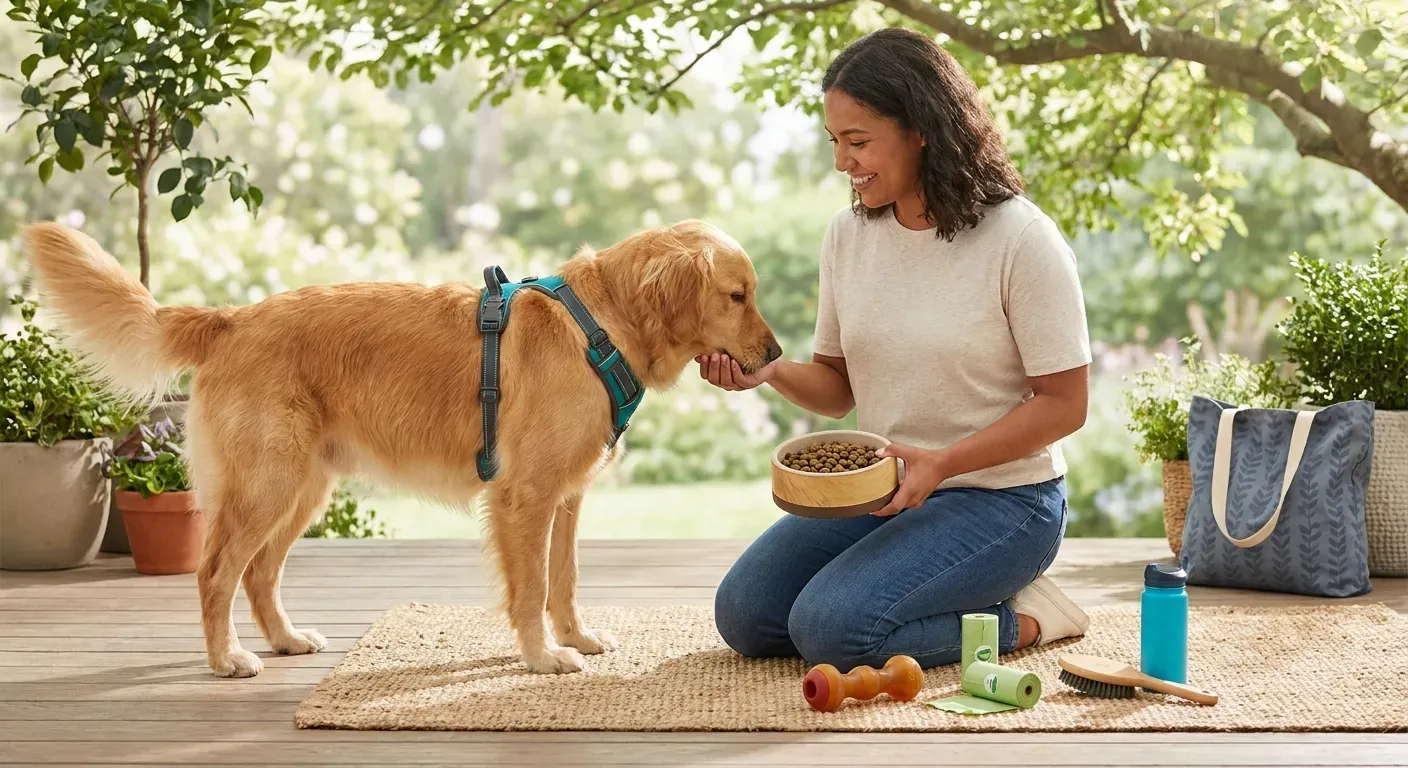
Start by gradually introducing a new food, mixing it with their current kibble to avoid digestive upset. Research brands carefully, looking for certifications and transparent sourcing. For example, some brands are certified B Corp, indicating high social and environmental performance.
Eco-Friendly Toys and Gear
Many conventional dog toys are made from non-recyclable plastics and synthetic materials that can leach chemicals. When making a sustainable pet switch, look for:
- Natural Rubber or Hemp: These are durable, non-toxic, and biodegradable alternatives to plastic.
- Recycled Materials: Choose toys made from recycled plastics or fabrics, giving new life to waste.
- Handmade or Upcycled: Support artisans or consider making simple toys from old clothes or blankets.
- Durability Over Quantity: Investing in fewer, higher-quality toys that last longer reduces waste in the long run.
Phase 2: Expand Your Green Dog Lifestyle Change
Once you’re comfortable with your initial changes, it’s time to broaden your efforts. Many other aspects of pet care can be made more sustainable. This expansion builds on the foundation you’ve already established.
Grooming with Green Products
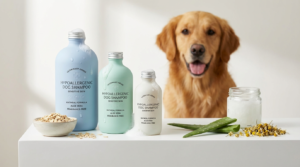
Conventional pet shampoos and conditioners can contain harsh chemicals that harm your dog and the environment. Therefore, switching to natural options is a wise move. Consider:
- Biodegradable Shampoos: These products are made with plant-derived ingredients and break down safely.
- Waterless Shampoos: These reduce water consumption, especially for quick clean-ups.
- Eco-Friendly Grooming Tools: Look for brushes made from bamboo or recycled materials.
Furthermore, remember to dispose of pet waste responsibly. Composting dog poop (using specific systems) or utilizing biodegradable waste bags are excellent steps.
Sustainable Pet Waste Management
Dog waste is a significant environmental concern if not managed properly. Conventional plastic bags contribute to landfill waste. However, there are better solutions:
- Compostable Poop Bags: These bags break down naturally, reducing plastic pollution. Ensure they are certified compostable.
- Home Composting Systems: Specialized pet waste composters can turn dog waste into nutrient-rich soil for non-edible plants.
- Scoop and Flush (where permitted): In some areas, flushing dog waste down the toilet can be an option, as long as it’s not treated with harmful chemicals. Always check local regulations.
Proper waste management is a crucial part of an eco-friendly dog transition.
Phase 3: Deepening Your Commitment to a Sustainable Dog Lifestyle
As you progress, you’ll find more opportunities to integrate sustainable practices. This phase involves making larger, more impactful changes and advocating for greener choices.
Choosing Eco-Conscious Pet Accessories
Beyond food and toys, many other accessories can be chosen with sustainability in mind. For example, collars, leashes, and beds all offer eco-friendly alternatives.
- Hemp or Recycled Material Collars and Leashes: These are durable, natural, and often biodegradable.
- Organic Cotton or Recycled Plastic Beds: These options reduce chemical exposure and repurpose materials.
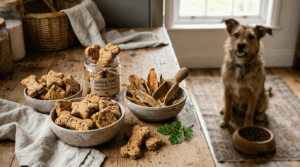
- Biodegradable Dental Chews: Look for chews made from natural ingredients that decompose easily.
Making these choices contributes significantly to a truly green dog lifestyle. The eco-friendly dog transition encompasses every item your dog uses.
Reducing Energy and Water Consumption
Your pet’s impact isn’t just about products; it’s also about resource use. Minimizing energy and water consumption is another vital step.
- Energy-Efficient Appliances: If you use pet-specific appliances like automatic feeders or water fountains, choose energy-star rated models.
- Mindful Bathing: Use water-saving techniques during baths. Also, consider using a dedicated pet washing station if available.
- Natural Cooling/Heating: Optimize your home’s natural ventilation and insulation to reduce reliance on HVAC systems for your pet’s comfort.
These seemingly small changes collectively make a big difference in your overall environmental footprint.
The Benefits of an Eco-Friendly Dog Transition
The advantages of making an eco-friendly dog transition extend far beyond environmental impact. You’ll likely notice improvements in your dog’s health, your financial expenditure, and your peace of mind.
Healthier Pets
Choosing sustainable products often means opting for items free from synthetic chemicals, artificial colors, and harmful additives. This can lead to:
- Fewer Allergies: Natural ingredients often reduce skin irritations and digestive issues.
- Improved Coat Health: Chemical-free shampoos and natural diets can enhance skin and fur quality.
- Better Overall Well-being: High-quality, ethically sourced foods and toys contribute to a healthier, happier dog.
Ultimately, a sustainable choice is frequently a healthier choice for your furry friend.
Financial Savings Over Time
While some eco-friendly products might have a higher initial cost, they often prove more economical in the long run. For instance, durable toys made from natural materials last longer than cheap plastic alternatives. Furthermore, a healthier dog may mean fewer vet visits. Investing in quality from the start can prevent future expenses. This is a practical aspect of the eco-friendly dog transition.
Peace of Mind and Community Impact
Knowing that you are making responsible choices for your pet and the planet brings a significant sense of satisfaction. Moreover, your actions can inspire others. Sharing your experiences and discoveries can encourage friends and family to consider their own sustainable pet care options. This creates a ripple effect, fostering a larger community committed to protecting our environment. For more information on sustainable living, visit epa.gov.
Overcoming Challenges in Your Sustainable Pet Journey
Embarking on an eco-friendly dog transition might present some hurdles. However, with a bit of planning and persistence, these can be easily overcome. For example, finding specific eco-friendly products can sometimes be challenging, but online resources and specialized stores are becoming more prevalent. Similarly, the initial cost of certain sustainable items might be higher; yet, viewing this as an investment in quality and durability helps reframe the expense.
Moreover, your dog might need time to adjust to new foods or toys. Patience is key here. Introduce changes gradually, observing your dog’s reactions. If a particular product doesn’t work, don’t be discouraged; simply explore other sustainable alternatives. Remember, every small step forward is progress. The goal is continuous improvement, not immediate perfection. Your commitment to this journey makes a real difference. Visit nationalgeographic.com for broader environmental insights.
Conclusion: Embracing a Greener Future with Your Dog
The journey to an eco-friendly dog transition is an ongoing and rewarding one. It’s about making conscious choices that align with your values, ensuring the well-being of your beloved companion while simultaneously safeguarding the planet. By starting small, expanding gradually, and deepening your commitment, you can create a truly sustainable lifestyle for your pet. Every decision, from the food you choose to the waste you manage, contributes to a healthier future for all.
Ultimately, sustainable pet care is an act of love – love for your dog, love for nature, and love for generations to come. Embrace this transition with enthusiasm, knowing that your efforts are making a tangible, positive impact. Your dog will thank you, and the Earth will too.
FAQ
How can I start making my dog’s lifestyle more sustainable?
Begin by focusing on one area, such as food or toys. Gradually introduce new, greener options. For example, switch to insect-based proteins or natural rubber toys. Small steps make a significant difference.
Are eco-friendly dog products more expensive?
Initially, some sustainable products might have a higher price point. However, their durability and quality often lead to long-term savings. Furthermore, a healthier dog may require fewer vet visits.
What are good alternatives to plastic dog toys?
Excellent alternatives include toys made from natural rubber, hemp, organic cotton, or recycled materials. These options are safer for your dog and better for the environment. Consider handmade items too.
How do I responsibly dispose of dog waste?
Use compostable poop bags that break down naturally. Specialized home composting systems for pet waste are also an option. Always check local regulations regarding flushing dog waste.
What are the health benefits for my dog from a greener lifestyle?
A greener lifestyle often means fewer synthetic chemicals and harmful additives in your dog’s diet and products. This can lead to fewer allergies, improved coat health, and better overall well-being for your companion.
Explore more: More from Eco Friendly Dog Products