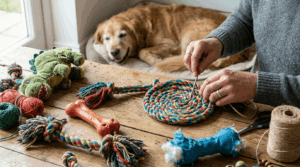

Embracing DIY dog accessories is a fantastic way to personalize your pet’s style while significantly reducing your environmental footprint. Instead of purchasing new items that contribute to manufacturing waste and often use non-sustainable materials, you can repurpose existing textiles or materials found around your home. This approach not only saves money but also ensures you have full control over the materials touching your dog, avoiding potentially harmful chemicals found in mass-produced goods. Furthermore, it aligns perfectly with a holistic approach to sustainable dog care, promoting mindful consumption.
The movement towards creating homemade pet items reflects a growing desire among pet owners for more transparency and sustainability in their choices. Consequently, crafting your own items allows you to select natural fibers, non-toxic dyes, and upcycled materials. This directly combats the hidden dangers of microplastics and pet health often found in conventional dog products. Ultimately, it’s about making conscious decisions for your dog and the planet.
The Environmental Benefits of Homemade Pet Gear
Choosing to create your own pet gear offers substantial environmental advantages. First and foremost, it significantly reduces waste. Every item you make from repurposed materials means one less new item produced, thereby conserving resources and energy. For example, an old t-shirt can become a stylish bandana, rather than ending up in a landfill. Similarly, discarded climbing ropes can be transformed into sturdy leashes, preventing them from becoming pollutants.
Moreover, DIY projects minimize your reliance on supply chains that often involve extensive transportation and packaging, both major contributors to carbon emissions. By utilizing what you already have, or sourcing locally and ethically, you further shrink your pet’s ecological paw print. This practice embodies the principles of a circular economy, where resources are kept in use for as long as possible. In addition, it encourages creative problem-solving and a deeper connection to the items you use daily for your beloved companion.
Why Choose Sustainable Materials for Your Pet’s Crafts?
The materials you choose for your pet’s crafts are crucial, not just for the environment but for your dog’s well-being. Opting for natural, non-toxic materials prevents exposure to harmful chemicals often present in synthetic fabrics and dyes. For instance, organic cotton, hemp, and bamboo are excellent choices for softness and durability. Similarly, natural rubber or untreated wood can be used for toy components, ensuring safety during play.
When selecting materials, always consider their origin. Prioritize items that are ethically sourced or, even better, repurposed from items you already own. This conscious decision supports responsible manufacturing practices and reduces the demand for new resource extraction. Furthermore, understanding why ethical sourcing matters in pet products helps you make informed choices that go beyond greenwashing. By making these thoughtful selections, you ensure your DIY dog accessories are truly beneficial.
How to Craft Your Own DIY Dog Accessories
Starting your journey into crafting homemade dog items is simpler than you might think. Begin with projects that match your skill level, gradually moving to more complex creations. Safety and durability should always be your top priorities. Therefore, ensure all materials are non-toxic and construction is secure enough to withstand your dog’s activities.
For instance, dog bandanas are an excellent starting point. Take an old shirt or fabric scraps, cut a square or triangle, and hem the edges if desired (or leave raw for a rustic look). Then, simply tie it around your dog’s neck. This simple project is quick, fun, and results in a unique accessory. Moreover, you can even personalize them with pet-safe fabric paint or embroidery.
Creative Ideas for DIY Dog Accessories
The possibilities for crafting unique items for your canine companion are vast. Consider these ideas to inspire your next project:
- Upcycled Dog Beds: Transform an old duvet cover or sturdy pillowcases into a comfortable no-sew dog bed. Stuff it with shredded old clothes, blankets, or even discarded pillows. This provides a cozy spot for your pup and contributes to reducing textile waste. You can find more inspiration for sustainable dog bed options that align with this ethos.
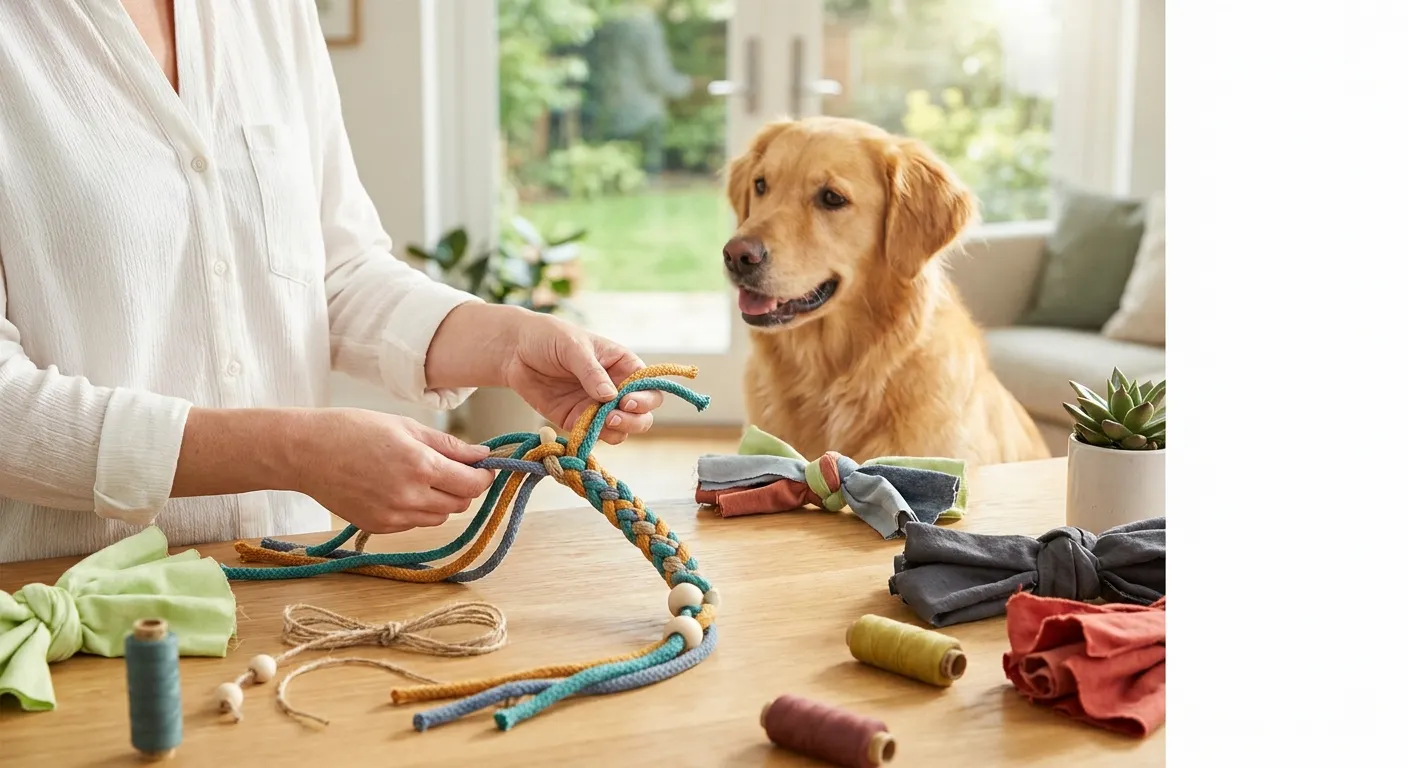
- Braided Leashes and Collars: Discarded climbing ropes or strong denim can be braided or sewn into incredibly durable and stylish leashes and collars. Always ensure the hardware (buckles, D-rings) is secure and appropriate for your dog’s size and strength.
- Portable Water Bowl: Use a sturdy, waterproof fabric scrap to create a collapsible water bowl. Stitch or glue the edges to form a pouch that can be easily folded and carried during walks or adventures. This is perfect for eco-friendly dog travel gear.
- Sweater Snoods: Repurpose an old sweater sleeve into a cozy snood to keep your dog’s ears warm in cold weather. Simply cut the sleeve to size, hem the edges, and slide it over your dog’s head. This is a practical and fashionable piece of sustainable dog apparel.
- Storage Bins: Old denim jeans can be transformed into sturdy storage bins for toys or treats. Cut off the legs, sew the bottom, and add handles. This helps keep your home organized sustainably.
Remember, the goal is to create functional, safe, and appealing items. Always check for loose threads, sharp edges, or small parts that could be choking hazards. Your dog’s safety is paramount in all crafting endeavors.
Safety First: Ensuring Your Homemade Pet Items Are Dog-Friendly
While the allure of creating unique items for your pet is strong, safety must always be the top priority. Before you begin any project, carefully consider the materials and construction methods. For instance, ensure all fabrics are washable and free from harmful chemicals or dyes that could irritate your dog’s skin or be ingested. Similarly, avoid small embellishments like buttons or beads that could become choking hazards, especially for puppies or chewers.
When crafting items like collars or leashes, the strength and integrity of the materials are paramount. Use heavy-duty threads and reinforced stitching for any stress points. Always test the durability of your creations before allowing your dog to use them unsupervised. Furthermore, regularly inspect all homemade items for wear and tear, replacing or repairing them as needed. This proactive approach ensures your DIY dog accessories remain safe and functional throughout their lifespan.
Choosing Non-Toxic Materials for Your Crafts
The choice of materials directly impacts your dog’s health. Therefore, always opt for non-toxic options. Natural fibers like organic cotton, hemp, or wool are generally safe. If using dyes, ensure they are pet-safe or food-grade. Avoid fabrics treated with flame retardants or stain repellents, as these often contain chemicals that can be harmful. For stuffing, consider natural alternatives like shredded cotton scraps or even dried, untreated corn husks, avoiding synthetic foams or batting that might off-gas.
Similarly, if you are incorporating hardware into your designs, such as buckles or D-rings, ensure they are made from rust-resistant and non-toxic metals like stainless steel. Avoid painted or coated metals that could chip and be ingested. By meticulously selecting safe, natural components, you create DIY dog accessories that truly protect your furry friend’s well-being.
Beyond Just Accessories: A Greener Pet Lifestyle
Crafting your own pet items is just one step in fostering a more sustainable lifestyle for your dog. It’s part of a broader commitment to reducing your environmental impact as a pet owner. This includes making conscious choices about everything from their food to their waste. For example, considering sustainable dog care practices in all aspects of your pet’s life can significantly reduce their paw print.
Think about the lifecycle of all products you use for your pet. Can you choose biodegradable waste bags? Are you feeding them sustainably sourced food? Are their toys also eco-friendly? Making DIY eco-friendly dog toys is another excellent way to extend this commitment. Every small decision contributes to a healthier planet for all. Ultimately, embracing this holistic approach ensures you are a responsible pet parent in every sense.
The Joy and Benefits of Crafting for Your Canine
Engaging in DIY dog accessories not only benefits the environment but also offers immense personal satisfaction. There’s a unique joy in creating something with your own hands specifically for your beloved companion. This creative outlet can be a relaxing and rewarding hobby, providing a sense of accomplishment.
Moreover, the items you create will be truly one-of-a-kind, reflecting your personal style and your dog’s unique personality. These homemade treasures often carry more sentimental value than mass-produced items. They become tangible expressions of your love and commitment to your pet’s well-being and a greener future. Furthermore, you can involve family members in the crafting process, making it a fun and educational activity for everyone. This shared experience deepens bonds and fosters an appreciation for sustainability.
Conclusion
Embracing DIY dog accessories is a powerful way to merge your love for your pet with your commitment to environmental responsibility. By repurposing materials and consciously choosing non-toxic components, you create unique, safe, and sustainable items that benefit both your dog and the planet. This practice champions a circular economy model, giving new life to items that might otherwise be discarded. It also allows for unparalleled personalization, ensuring your dog’s style is as unique as they are.
The journey of crafting homemade pet gear extends beyond just accessories; it’s an integral part of a holistic, eco-conscious pet ownership philosophy. From reducing waste to ensuring material safety, every step contributes to a healthier future. So, gather your materials, unleash your creativity, and start crafting for a greener pet today. The satisfaction of making something with your own hands for your furry friend is immeasurable, and the positive impact on the environment is undeniable. For more inspiration on sustainable living, consider exploring resources from organizations like the Environmental Protection Agency (EPA) or Natural Resources Defense Council (NRDC).
FAQ
How can I ensure my homemade pet collars are strong enough?
When making pet collars, use sturdy materials like heavy-duty webbing, strong denim, or repurposed climbing rope. Reinforce all stitching, especially where the D-ring and buckle are attached. Always choose hardware (buckles, D-rings) appropriate for your dog’s size and strength, ensuring they are made from durable, rust-resistant metal. Regularly inspect the collar for any signs of wear and tear.
What are good materials for making dog toys?
Excellent materials for crafting dog toys include old t-shirts, denim, fleece blankets, or even natural ropes made from hemp or cotton. Ensure all materials are non-toxic and free from small parts that could be chewed off and ingested. Avoid materials with chemical treatments. For stuffing, consider fabric scraps or untreated natural fibers.
Is it safe to use old clothing for pet projects?
Generally, yes, using old clothing for pet projects is safe, provided the clothing is clean and free from harsh chemicals or dyes. Wash items thoroughly before use. Avoid clothing with small buttons, zippers, or embellishments that could pose a choking hazard. Natural fiber clothing like cotton or linen is usually best.
How do I make a no-sew dog bed from old blankets?
To make a no-sew dog bed, you can use two large pieces of fleece or sturdy fabric. Lay them flat, right sides together. Cut fringe around all four edges, about 1-2 inches wide and 4-6 inches deep. Then, tie corresponding top and bottom fringes together with double knots, leaving one side open. Stuff the bed with old blankets, shredded clothes, or pillows, then tie off the remaining side.
What are the environmental benefits of making my own pet items?
Creating your own pet items significantly reduces waste by repurposing materials that might otherwise end up in landfills. It minimizes the demand for new manufacturing, thus conserving resources and energy. Additionally, it helps reduce carbon emissions associated with product transportation and packaging. This approach supports a more sustainable and circular economy.