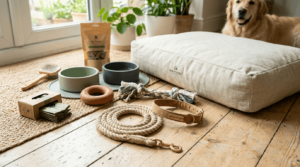
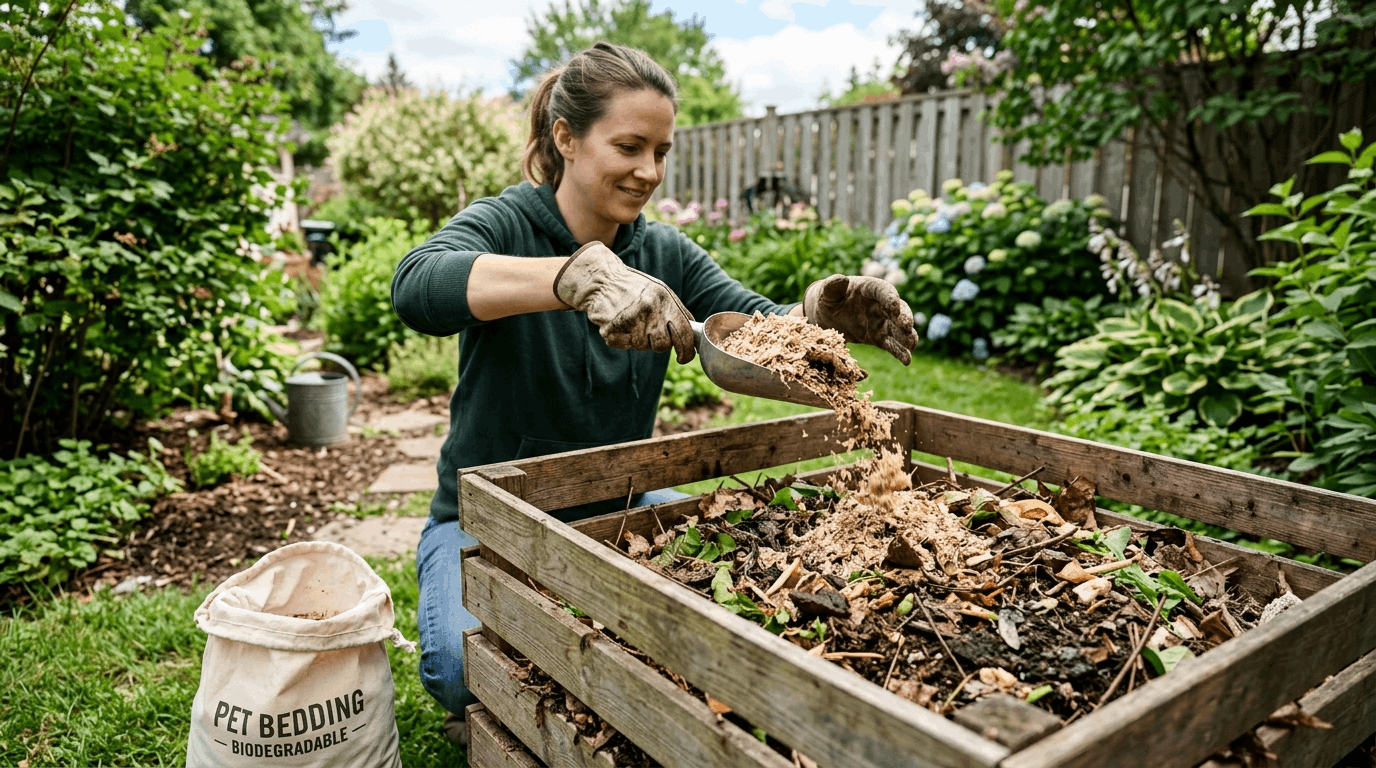

Many pet owners throw away old bedding without realizing that some materials may actually be composted safely under the right conditions. Blankets, shredded paper bedding, hay, straw, and natural fiber materials sometimes create unnecessary waste when they could instead become useful compost. However, composting pet-related materials requires careful handling because hygiene, bacteria, parasites, and contamination risks must always remain priorities. Understanding how to compost pet bedding responsibly helps reduce waste while supporting safer and more sustainable household habits.
The process becomes much easier when owners understand which bedding materials work well in compost systems and which should never enter compost piles at all. Natural materials generally break down more effectively than synthetic fabrics or chemically treated products.
Learning how to compost pet bedding properly also helps reduce odors while improving compost quality naturally over time.
Most importantly, safe composting practices protect both garden health and household hygiene simultaneously.
Not All Pet Bedding Is Compostable
Before starting any composting routine, owners should identify the exact bedding materials involved carefully.
Successful compost pet bedding practices begin with selecting natural biodegradable materials rather than synthetic products.
Paper bedding, untreated straw, hay, wood shavings, cotton fabrics, and certain natural fibers often break down effectively in compost systems.
However, synthetic fleece, foam padding, plastic-based stuffing, chemically treated fabrics, and heavily dyed materials usually should not enter compost piles.
Separating compostable materials from non-biodegradable waste improves both compost quality and long-term safety significantly.
Natural Fibers Break Down More Easily
Organic materials decompose far more efficiently than synthetic alternatives.
Many owners who compost pet bedding successfully rely mainly on untreated natural materials because microorganisms can break them down more effectively.
Cotton, hemp, untreated wool, shredded newspaper, and natural straw bedding generally compost well under proper conditions.
Smaller shredded pieces often decompose faster than thick intact fabrics.
Cutting or tearing bedding into manageable sections may help speed decomposition while improving airflow inside the compost pile.
Avoid Composting Waste-Soaked Bedding
Hygiene remains one of the most important safety considerations during composting.
Safe compost pet bedding routines avoid heavily urine-soaked, feces-covered, or contaminated materials because harmful bacteria and parasites sometimes survive inadequate composting systems.
Lightly used bedding may work safely in certain compost setups, especially when paired with proper heat management.
However, heavily contaminated materials should usually enter regular waste disposal instead.
Pet waste itself generally requires separate handling methods rather than standard home compost systems intended for gardening.
Hot Composting Improves Safety
Temperature plays a major role in safer decomposition and bacteria reduction.
Many experts recommend hot compost methods when owners compost pet bedding because higher temperatures help break down organic matter more effectively.
Hot compost piles often reach temperatures capable of reducing many pathogens and harmful organisms significantly.
Proper heat also speeds decomposition while minimizing unpleasant odor buildup.
Maintaining balanced moisture, airflow, nitrogen, and carbon levels supports healthier compost activity overall.
Balance Carbon and Nitrogen Carefully
Healthy compost systems depend on balanced material ratios.
Successful compost pet bedding methods usually combine carbon-rich bedding materials with nitrogen-rich green materials like grass clippings or vegetable scraps.
Too much dry bedding sometimes slows decomposition considerably.
Meanwhile, excessive wet nitrogen-heavy materials may create unpleasant smells and reduced airflow.
Balanced compost piles generally maintain slightly damp textures while allowing steady oxygen circulation throughout the system.
Avoid Treated Wood Shavings
Some pet bedding products contain chemical treatments unsuitable for composting.
Owners who compost pet bedding should avoid cedar shavings treated with oils or chemically processed wood products whenever possible.
Untreated pine shavings generally work better in many compost systems because they break down naturally without added chemical concerns.
Reading product labels carefully helps identify potentially problematic ingredients before composting begins.
Parasite Concerns Require Extra Caution
Certain animal parasites may survive in poorly managed compost piles.
Safe compost pet bedding practices involve avoiding composting materials from sick animals or pets with known parasite infections.
Veterinary treatment should always take priority before considering waste disposal or composting methods.
Additionally, compost intended for edible gardens requires especially careful handling and higher safety standards.
Many owners choose to use pet-related compost only around ornamental plants rather than food gardens for added caution.
Proper Moisture Prevents Odors
Odor control often determines whether composting remains manageable at home.
Balanced compost pet bedding systems should feel slightly damp rather than soaked or completely dry.
Excessive moisture reduces oxygen flow while encouraging foul-smelling anaerobic conditions.
Dry piles, however, decompose slowly and inefficiently.
Turning compost regularly helps maintain airflow while distributing moisture more evenly throughout the pile.
Healthy compost usually smells earthy rather than sour or rotten.
Aeration Speeds Decomposition
Oxygen supports healthy microbial activity inside compost systems.
Many people successfully compost pet bedding by turning piles consistently to improve airflow and decomposition speed.
Compacted piles often trap moisture and create unpleasant odors quickly.
Regular aeration helps microorganisms function more efficiently while reducing bacterial imbalance.
Simple turning tools or compost tumblers may make maintenance easier for busy households.
Separate Pet Compost From Vegetable Gardens
Extra caution helps reduce contamination risks around edible plants.
Many compost pet bedding systems work best when reserved for ornamental landscaping rather than vegetable gardens.
Although properly managed compost may become relatively safe, separating pet-related compost from food production areas provides additional peace of mind for many households.
Decorative flower beds, shrubs, and trees often benefit from finished compost without raising the same concerns associated with edible crops.
Synthetic Materials Should Never Enter Compost
Artificial fabrics create long-term contamination problems inside compost systems.
Safe compost pet bedding practices exclude polyester, nylon, memory foam, waterproof liners, and plastic-filled products entirely.
These materials do not decompose naturally and may release harmful microplastics into soil over time.
Removing synthetic elements before composting natural fabric components improves compost quality significantly.
Washing Bedding First May Help
Light cleaning sometimes improves compost safety depending on the material involved.
Some owners compost pet bedding more safely by washing lightly used blankets or fabric bedding before shredding and composting them.
Cleaning may help reduce surface dirt, oils, and odor buildup before decomposition begins.
However, heavily contaminated materials still generally belong in regular waste disposal rather than compost systems.
Small Compost Batches Work Better Initially
Beginners often achieve better results with smaller manageable systems first.
Starting small helps owners learn how to compost pet bedding effectively without overwhelming the compost balance immediately.
Monitoring odor, moisture, decomposition speed, and airflow becomes easier in controlled amounts.
Once owners understand proper compost management, larger systems often become much easier to maintain successfully.
Location Matters for Compost Safety
Compost placement affects both convenience and hygiene.
When setting up compost pet bedding systems, owners should choose areas with proper drainage, airflow, and reasonable distance from household living spaces.
Sunny locations often help maintain higher compost temperatures naturally.
Proper placement also reduces odor concerns and discourages pests from investigating compost piles unnecessarily.
Finished Compost Should Look Fully Broken Down
Patience remains essential during safe composting processes.
Properly finished compost pet bedding material should appear dark, crumbly, earthy-smelling, and fully decomposed before use.
Visible bedding pieces, strong odors, or slimy textures may indicate incomplete decomposition.
Allowing additional curing time often improves final compost quality significantly.
Using unfinished compost too early sometimes creates plant stress or lingering hygiene concerns.
Composting Supports More Sustainable Living
Responsible waste reduction benefits both households and the environment long term.
Learning how to compost pet bedding safely allows owners to reduce landfill waste while creating potentially useful organic material naturally.
Small sustainable habits often contribute meaningfully over time, especially in multi-pet households producing large amounts of disposable bedding regularly.
However, safety and hygiene should always remain higher priorities than convenience alone.
Careful material selection, proper compost management, balanced moisture, adequate airflow, and realistic safety precautions help create healthier composting systems overall. Most importantly, responsible composting practices allow pet owners to support environmental sustainability while protecting their gardens, pets, and households from unnecessary contamination risks. With patience and proper handling, certain natural bedding materials can become part of a safer and more eco-friendly home routine.
FAQ
1. What pet bedding materials compost best?
Natural fibers like straw, untreated paper, cotton, and pine shavings usually compost well.
2. Can heavily soiled bedding go into compost?
No, heavily contaminated bedding may contain harmful bacteria and should usually be discarded safely.
3. Is pet compost safe for vegetable gardens?
Many owners avoid using pet-related compost on edible crops for additional safety.
4. Why does compost sometimes smell bad?
Poor airflow, excessive moisture, or imbalance between materials often causes unpleasant odors.
5. Should synthetic bedding materials be composted?
No, synthetic fabrics and foam materials do not break down properly in compost systems.