
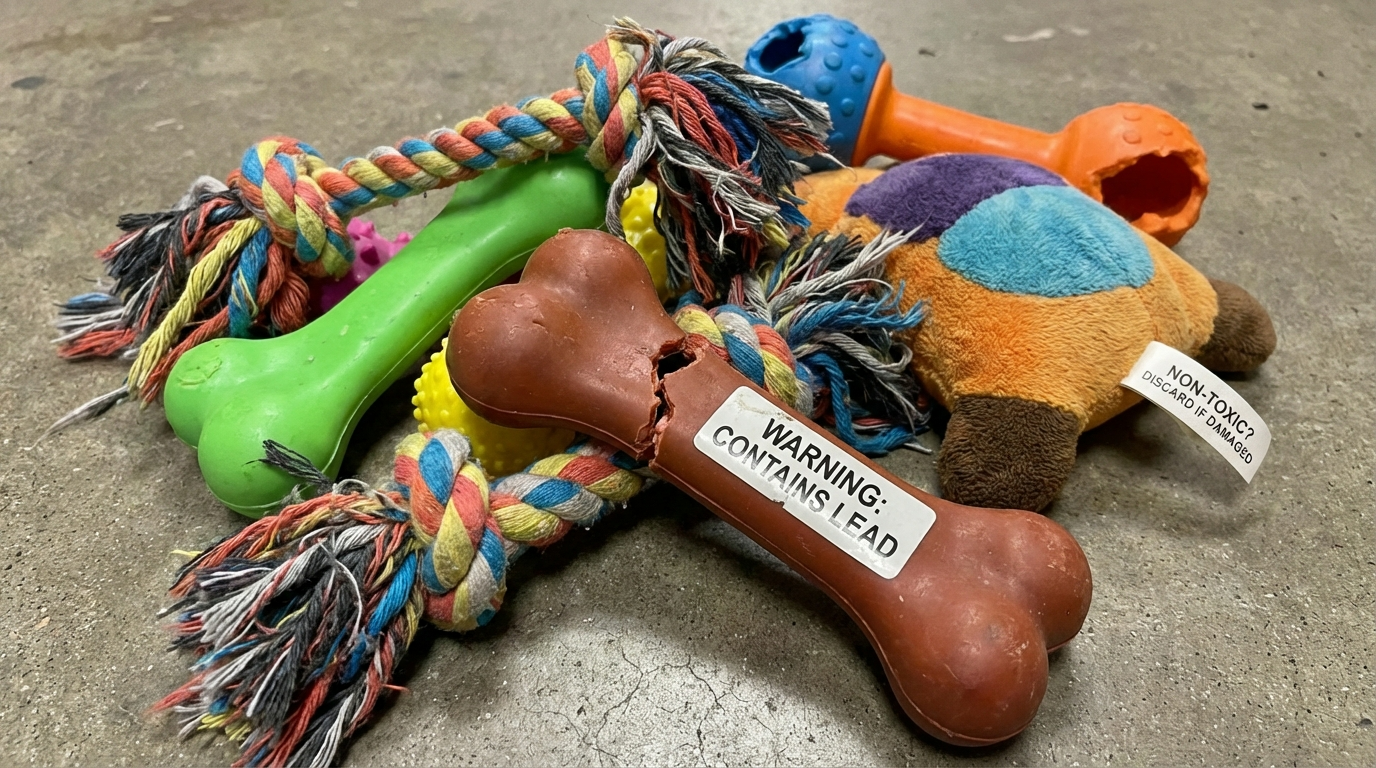

Dogs chew. It is instinctive, comforting, and deeply ingrained. Toys are meant to satisfy that need while keeping dogs safe and entertained. Unfortunately, not all toys live up to that promise. Toxic dog toys remain a hidden threat in many homes, quietly affecting canine health over months or even years.
The danger rarely arrives with drama. There is no immediate collapse or obvious injury. Instead, the effects creep in slowly, like rust forming beneath fresh paint. A little itching here. A digestive issue there. A change in behavior that feels unrelated. Over time, these small signals add up.
Understanding the long-term health effects of toxic dog toys empowers you to act before damage becomes permanent. Awareness transforms playtime from a potential risk into a safe, enriching experience.
What Makes Dog Toys Toxic in the First Place
Toxic dog toys are defined by the materials and chemicals used in their production. Many are manufactured with cost efficiency in mind rather than safety.
Common problematic materials include:
- Soft plastics treated with phthalates
- Rubber mixed with industrial fillers
- Cheap dyes containing heavy metals
- Flame retardants used in foam toys
- Chemical adhesives holding parts together
When dogs chew, these substances are released. Saliva, heat, and pressure accelerate the process. Tiny particles are swallowed. Chemicals are absorbed through the mouth and digestive tract.
Unlike a single poisoning event, exposure is repeated. That repetition is what creates long-term harm.
Why Long-Term Exposure Is More Dangerous Than One-Time Ingestion
One-time exposure often causes noticeable symptoms. Vomiting or diarrhea may follow. Owners act quickly. Treatment happens.
Long-term exposure is quieter. Toxic dog toys are chewed daily. Small doses enter the body repeatedly. Organs work harder to filter chemicals. Over time, this burden wears systems down.
The body compensates until it cannot. When symptoms finally appear, damage may already be advanced.
This slow accumulation makes toxic dog toys particularly dangerous.
Digestive System Damage From Toxic Dog Toys
The digestive system absorbs nutrients. It also absorbs toxins.
Repeated exposure to toxic dog toys irritates the gut lining. Inflammation develops. The protective barrier weakens.
Symptoms may include:
- Chronic diarrhea
- Intermittent vomiting
- Gas and bloating
- Reduced appetite
- Weight loss
These issues often come and go. They are dismissed as food sensitivity or stress. Meanwhile, toxins continue entering the system.
Over time, nutrient absorption suffers. Energy drops. Immunity weakens.
Liver and Kidney Stress Caused by Toxic Dog Toys
The liver and kidneys filter toxins from the bloodstream. They work tirelessly to protect the body.
When toxic dog toys are chewed regularly, these organs face constant chemical exposure. Phthalates, heavy metals, and plasticizers accumulate.
Initially, the organs compensate. Later, function declines.
Signs of liver or kidney stress may include:
- Increased thirst
- Frequent urination
- Lethargy
- Poor coat quality
- Appetite changes
These symptoms appear gradually. By the time they are noticed, damage may be significant.
Hormonal Disruption Linked to Toxic Dog Toys
Many toxic dog toys contain endocrine-disrupting chemicals. Phthalates and certain dyes interfere with hormone signaling.
Hormones regulate growth, metabolism, and reproduction. When disrupted, wide-ranging effects follow.
Long-term exposure may contribute to:
- Thyroid imbalances
- Weight gain or loss
- Reproductive issues
- Developmental problems in puppies
Because hormonal changes are subtle, they are rarely linked back to toys.
Yet the connection exists.
Skin and Coat Problems From Chronic Toy Exposure
Skin is both a shield and a signal. It reacts quickly to internal imbalance.
Dogs exposed to toxic dog toys often develop skin issues over time.
Common signs include:
- Chronic itching
- Hot spots
- Hair thinning
- Red or flaky skin
- Recurrent infections
Chewing transfers chemicals to the mouth and paws. Licking spreads exposure across the body.
Inflammation becomes persistent. Secondary infections follow.
Skin problems become a cycle that never fully resolves.
Neurological Effects of Toxic Dog Toys
The nervous system is particularly sensitive to toxins.
Heavy metals and plastic additives can interfere with nerve signaling. Over time, neurological symptoms may develop.
These may include:
- Tremors
- Poor coordination
- Behavioral changes
- Increased anxiety
- Reduced learning ability
In severe cases, seizures have been reported.
Neurological damage is often irreversible. Prevention is critical.
Behavioral Changes Caused by Toxic Exposure
Behavior reflects internal health.
Dogs exposed to toxic dog toys may become restless or withdrawn. Irritability increases. Playfulness decreases.
Owners often attribute these changes to aging or stress. The real cause remains hidden.
Discomfort, inflammation, and neurological stress all influence behavior.
When the body feels unwell, the mind follows.
Immune System Suppression Over Time
The immune system responds to constant threats. When toxins are present daily, it remains activated.
Chronic immune activation leads to exhaustion. Defense weakens.
Dogs may experience:
- Frequent infections
- Slow wound healing
- Increased allergy severity
Toxic dog toys quietly tax immune resources. Over time, resilience fades.
Why Puppies Are Especially Vulnerable
Puppies chew more. They explore relentlessly. Their bodies are still developing.
Exposure to toxic dog toys during growth years is especially harmful.
Developing organs and nervous systems are more sensitive. Hormonal disruption affects growth patterns.
What happens early sets the stage for lifelong health.
Choosing safe toys from the start matters immensely.
Senior Dogs and Accumulated Toxic Load
Senior dogs carry years of exposure. Toxins accumulate.
As detoxification slows with age, effects become more pronounced.
Joint pain, cognitive decline, and organ dysfunction worsen.
Removing toxic dog toys later in life still helps. Reducing ongoing exposure supports remaining health.
It is never too late to improve conditions.
The Role of Chewing Intensity
Not all dogs chew the same way.
Aggressive chewers break toys faster. More material is released. Exposure increases.
Soft toys may seem safer. However, they often contain foam and dyes.
Matching toy durability to chewing style reduces risk.
Supervision matters.
Why “Pet-Safe” Labels Can Be Misleading
Marketing language lacks regulation.
“Pet-safe” does not guarantee non-toxic materials. It often means the toy passed basic choking tests.
Chemical safety is rarely addressed.
Transparency matters more than slogans. Brands that disclose materials inspire trust.
Long-Term Dental and Oral Health Effects
Toxic dog toys also affect oral health.
Harsh materials damage enamel. Chemicals irritate gums.
Chronic inflammation develops in the mouth. Bacteria thrive.
Dental disease spreads bacteria to organs, worsening systemic health.
Oral health and overall health are deeply connected.
Environmental Toxins and Toy Interaction
Environmental toxins compound the problem.
Pesticides, cleaning agents, and pollutants interact with toy chemicals.
Combined exposure increases toxic load.
Reducing one source helps offset others.
Toy safety becomes part of a larger health picture.
How to Identify Toxic Dog Toys in Your Home
Start by inspecting existing toys.
Red flags include:
- Strong chemical smells
- Sticky or oily residue
- Bright artificial colors
- Cracking or flaking surfaces
- Unknown origin or labeling
If a toy smells unpleasant, it likely contains volatile chemicals.
Trust your senses.
Health Improvements After Removing Toxic Dog Toys
Many owners notice changes after removing toxic dog toys.
Improvements may include:
- Better digestion
- Reduced itching
- Increased energy
- Improved mood
- Shinier coat
These changes confirm the connection.
The body heals when exposure stops.
Safer Alternatives to Toxic Dog Toys
Safer options exist.
Look for toys made from:
- Natural rubber without fillers
- Untreated cotton rope
- Food-grade silicone
- Hard nylon from reputable brands
Choose simplicity over novelty.
Durability and transparency matter.
How Often Toys Should Be Replaced
Even safe toys wear out.
Inspect regularly. Replace damaged items promptly.
A worn toy becomes dangerous regardless of material.
Routine checks prevent exposure.
Building a Long-Term Toy Safety Strategy
Toy safety is ongoing.
Rotate toys. Supervise play. Remove broken items.
Educate family members.
Consistency protects health.
The Emotional Cost of Overlooking Toy Safety
Guilt often follows discovery.
Owners blame themselves.
Remember, awareness grows over time. Learning leads to better choices.
Compassion applies to yourself as well.
Conclusion
Toxic dog toys do not always cause immediate harm. Their danger lies in what they do quietly, over time. Repeated exposure affects digestion, organs, hormones, skin, behavior, and immunity. These long-term health effects often remain hidden until damage has progressed.
By recognizing the risks, choosing safer alternatives, and monitoring play habits, you protect your dog’s future health. Toys should bring joy, not harm. With awareness and intention, playtime becomes a source of enrichment, safety, and trust that lasts a lifetime.
FAQ
1. Can toxic dog toys really cause long-term illness?
Yes, repeated exposure can lead to chronic health issues affecting multiple body systems.
2. How long does it take for symptoms to appear?
Symptoms may develop slowly over months or years, depending on exposure.
3. Are expensive dog toys always safer?
No, price does not guarantee safety. Material transparency matters more.
4. Should I throw away all old dog toys?
Inspect them carefully. Remove any showing wear, damage, or chemical odor.
5. Can removing toxic dog toys improve existing health problems?
Yes, many dogs show noticeable improvement once exposure stops.