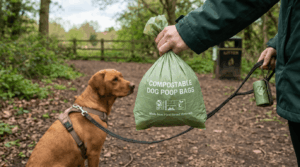


From chew toys and collars to grooming tools and leashes, pet gear has become a booming part of modern life. As we pamper our furry friends, we also create a growing pile of waste that quietly harms the planet. Every discarded leash, torn toy, and worn-out collar leaves a mark long after our pets have moved on to their next favorite item.
The problem is simple but serious: pet gear waste is adding to the global plastic crisis, depleting resources, and endangering wildlife. Understanding the issue is the first step toward more sustainable pet ownership—and a healthier planet for both humans and animals.
The Growing Problem of Pet Gear Waste
The pet industry is enormous and still expanding. In fact, global pet product sales surpass billions each year, with much of that growth coming from gear and accessories. Unfortunately, this convenience and variety come at a cost to the environment.
How the Pet Industry Contributes to Global Waste
Mass production of pet gear relies heavily on plastics, synthetic fabrics, and metals. These materials are rarely recyclable and often end up in landfills or oceans. Because pet products aren’t subject to the same sustainability regulations as human goods, they often use cheaper, environmentally harmful materials.
Many companies produce short-lived products—items designed to be replaced often rather than repaired. Think of squeaky toys that rip within days or collars that fray after a few months. It’s a cycle of consumption that fills store shelves and waste bins simultaneously.
The Hidden Waste Behind Everyday Pet Products
Beyond the visible waste, there’s also the environmental toll of manufacturing. Producing plastic toys or polyester leashes involves fossil fuel extraction, water consumption, and pollution. Add in the packaging—often non-recyclable plastic bags or shrink wrap—and each product’s carbon footprint grows even larger.
Even shipping contributes to emissions. The rise of online pet supply stores has increased packaging waste and transportation-related carbon output, making pet gear waste a global issue.
Common Sources of Pet Gear Waste
To reduce waste, we must first identify where it comes from. Many pet items we consider harmless or necessary are surprisingly unsustainable.
Disposable Toys and Accessories
Pet toys are some of the worst offenders. Many are made from low-grade plastic or synthetic rubber that can’t be recycled. They break quickly, end up in the trash, and take centuries to decompose.
Even rope toys and plush animals often contain polyester fibers or plastic squeakers that make them impossible to compost. While these items bring joy to our pets, their short lifespan makes them a major contributor to pet gear waste.
Plastic Food Containers and Packaging
Dog and cat food packaging is another huge source of pollution. Most bags are made from multilayer materials—a mix of plastic, aluminum, and paper—that can’t be separated for recycling. Plastic food scoops, water bowls, and storage tubs add even more to the waste pile.
Single-use packaging for treats, wet food, and grooming wipes compounds the issue. The convenience we love creates an environmental nightmare that’s easy to overlook.
Fast-Fashion Pet Apparel
The rise of “pet fashion” has also accelerated waste production. From seasonal sweaters to Halloween costumes, pet clothing trends encourage overconsumption. These garments are often made from synthetic fabrics like polyester, which shed microplastics when washed and contribute to long-term pollution.
Most are worn only once or twice before being discarded—joining the growing mountain of textile waste worldwide.
Environmental Consequences of Pet Gear Waste
Pet ownership should bring joy, but when our choices harm the planet, we indirectly endanger the very creatures we love. The consequences of pet gear waste extend far beyond our homes.
Pollution and Plastic Contamination
Plastics from pet products break down into microplastics that pollute soil, rivers, and oceans. Marine animals and birds mistake them for food, leading to injury or death. In turn, these particles make their way into the food chain, affecting ecosystems and human health alike.
Even when burned, plastic releases toxic chemicals that pollute the air. This ongoing cycle of pollution worsens climate change and harms biodiversity.
Energy and Resource Depletion
Producing synthetic pet gear requires non-renewable resources. From petroleum used in plastics to the water needed for dyeing fabrics, the environmental cost is staggering. Manufacturing and shipping pet products worldwide also increase greenhouse gas emissions.
If the demand for disposable gear continues unchecked, resource scarcity and environmental degradation will only worsen.
Wildlife Harm and Habitat Loss
Discarded pet gear, especially plastic toys and leashes, can pose direct dangers to wildlife. Animals may become entangled or ingest small pieces, leading to injury or starvation. Landfills filled with pet product waste also encroach on natural habitats, reducing the space available for native species to thrive.
Our pets may enjoy these products temporarily, but nature bears the long-term burden.
How to Reduce Pet Gear Waste
Reducing your pet’s environmental footprint doesn’t require perfection—it starts with small, conscious choices. Here’s how to minimize waste without sacrificing your pet’s happiness.
Choose Durable, Sustainable Materials
Opt for toys and accessories made from natural rubber, hemp, organic cotton, bamboo, or recycled materials. These materials last longer and decompose naturally, reducing long-term waste.
Avoid cheap plastic toys and synthetic fabrics whenever possible. Investing in high-quality, durable products saves money over time and benefits the planet.
Buy Secondhand or Recycled Pet Products
Just like human items, pet gear can be reused or repurposed. Many shelters, community groups, and online marketplaces offer gently used collars, beds, and toys. By giving these items a second life, you keep them out of landfills.
Some companies even create new products from recycled materials, such as leashes made from ocean plastics or beds stuffed with reclaimed fabric. Supporting these businesses helps promote a circular economy.
Repair, Reuse, and Repurpose
Before throwing something away, consider whether it can be fixed or reused. A torn plush toy can be restitched, and an old leash can be turned into a tie or keychain. Even worn-out beds can be repurposed as car blankets or outdoor mats.
Creativity goes a long way in reducing waste and extending the life of pet gear.
Eco-Friendly Alternatives for Conscious Pet Owners
Eco-conscious pet brands are emerging worldwide, offering safer and more sustainable alternatives. These options make it easier than ever to care for your pet and the planet at the same time.
Biodegradable Toys and Compostable Gear
Many innovative brands now produce biodegradable toys made from hemp, cork, or rice husks. Compostable grooming tools and poop bags further reduce your ecological footprint.
Even dog collars and harnesses are being reimagined using vegan leather or recycled webbing, combining durability with sustainability.
Sustainable Brands Leading the Way
Some standout eco-friendly brands include:
- Beco Pets: Uses natural rubber and recycled materials for toys.
- West Paw: Creates durable gear from recycled plastic bottles.
- The Foggy Dog: Focuses on low-waste production and eco fabrics.
- Project Blu: Turns ocean plastics into leashes, beds, and accessories.
Supporting these companies sends a message that sustainability matters—and encourages others to follow suit.
Building a Greener Pet Lifestyle
Living sustainably with pets means making thoughtful choices daily, from the gear you buy to the waste you produce.
Minimalism for Pets: Quality Over Quantity
Instead of buying your pet a new toy every week, focus on a few high-quality items that last. Minimalism not only reduces clutter but also curbs waste.
Rotating toys can keep your pet engaged while extending their lifespan. The less we consume, the lighter our collective environmental impact becomes.
Involving Communities and Pet Brands in Change
Encourage local shelters, groomers, and pet stores to adopt eco-friendly practices. Ask brands to use biodegradable packaging or create recycling programs for used products.
When communities demand sustainable options, the industry will evolve faster. Together, we can shift pet care toward a more responsible future.
Conclusion
Pet ownership should never come at the planet’s expense. Every leash, toy, and collar we buy carries a footprint—but it’s one we can reduce with awareness and action. By making smarter choices, supporting sustainable brands, and reducing waste, you can help ensure that pet gear waste doesn’t become another global crisis.
Your pet’s happiness doesn’t have to harm the Earth. A greener, cleaner lifestyle benefits both your furry companion and the world they play in. Because protecting the planet is the ultimate act of love—for pets and people alike.
FAQ
1. What is pet gear waste?
Pet gear waste includes discarded toys, collars, leashes, beds, and other accessories that are often made from non-recyclable materials.
2. Why is pet gear waste harmful to the environment?
It contributes to plastic pollution, depletes natural resources, and endangers wildlife through ingestion or entanglement.
3. How can I make my pet gear more eco-friendly?
Choose durable, natural materials, buy from sustainable brands, and repair or reuse old products.
4. Can pet gear be recycled?
Some items made from single materials like metal or natural rubber can be recycled, but most mixed-material products cannot.
5. What’s the easiest way to reduce pet gear waste?
Buy less, choose quality over quantity, and support brands that prioritize sustainability and minimal packaging.