
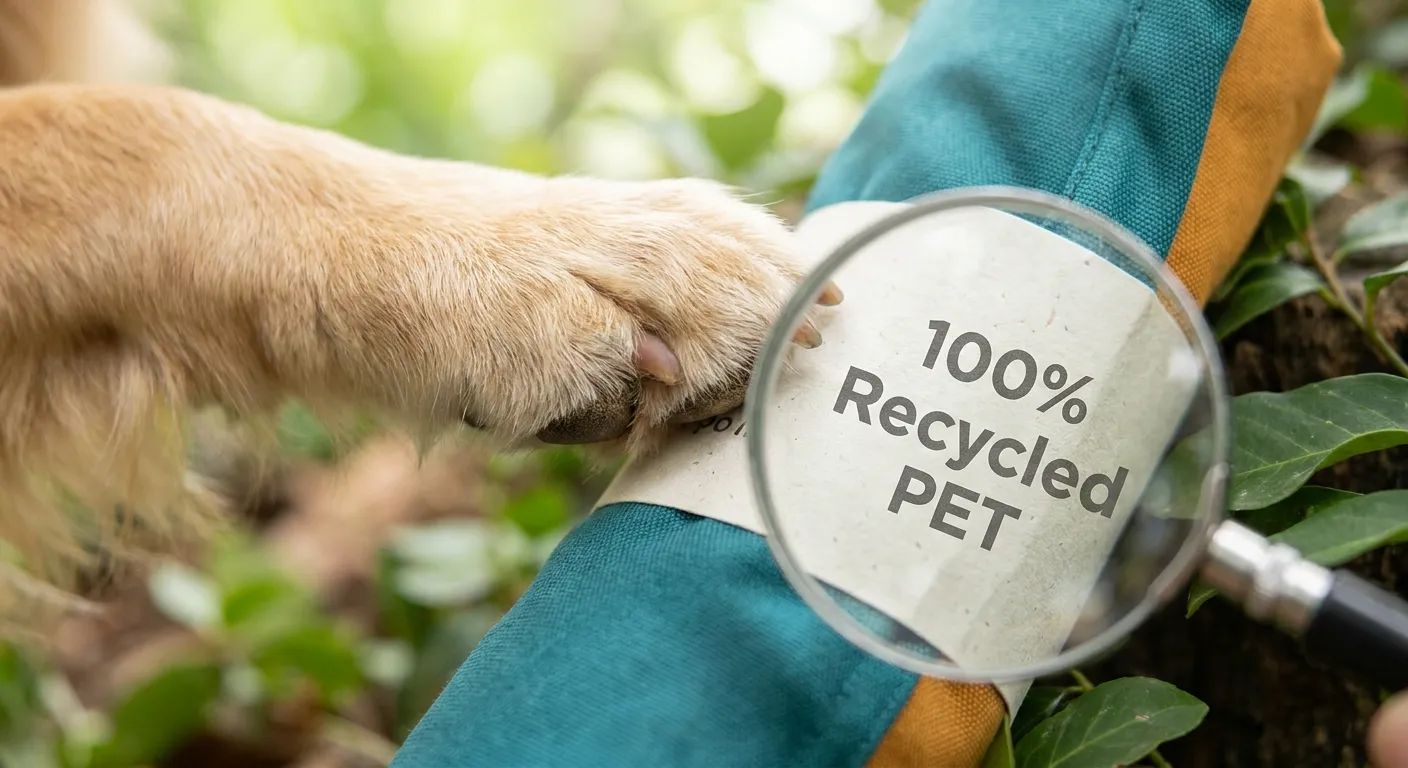

As the demand for eco-friendly pet products soars, so does the risk of encountering misleading marketing tactics – a phenomenon known as greenwashing. With the sustainable pet products market projected to grow at a robust 7.6% CAGR between 2025 and 2034, many brands are eager to tap into this trend. However, not all ‘green’ claims are created equal. Understanding how to discern genuine sustainability from mere marketing hype is crucial for spotting greenwashing pet products and making truly responsible choices for your furry friend.
What is Greenwashing in the Pet Industry?
Greenwashing occurs when a company deceptively promotes its products, practices, or environmental efforts as more environmentally friendly than they actually are. In the pet industry, this might manifest as vague claims like ‘natural’ or ‘eco-friendly’ without specific details. Furthermore, it could involve using green packaging without sustainable contents or highlighting a minor eco-feature while ignoring significant environmental harms elsewhere in their production.
Pet owners are scrutinizing labels more than ever, seeking transparency in sourcing and non-toxic ingredients. This heightened awareness makes it essential to look beyond surface-level claims. Consequently, being informed helps consumers make better decisions.
Red Flags: How to Identify Greenwashing
Here are practical tips for spotting greenwashing pet products and protecting your purchasing power:
1. Vague or Unsubstantiated Claims
Be wary of terms like ‘all-natural,’ ‘earth-friendly,’ or ‘green’ without specific evidence, certifications, or details. What does ‘natural’ truly mean if the ingredients are heavily processed or sourced unsustainably? Genuine eco-brands provide clear, quantifiable information. For instance, they might specify ‘made with 70% organic cotton’ rather than just ‘natural materials.’
2. Lack of Transparency
Does the company provide information about its supply chain, manufacturing processes, or material origins? If details are scarce or hard to find, it’s a potential red flag. Truly sustainable brands are proud to share their journey. They often offer detailed breakdowns of their product’s lifecycle. Moreover, they usually explain how their practices reduce environmental impact.
3. Irrelevant ‘Green’ Attributes
Sometimes a product will highlight one small eco-friendly feature (e.g., ‘contains 5% recycled content’) while the vast majority of the product or its packaging remains unsustainable. This distracts from larger environmental issues. Instead, look for brands that integrate sustainability throughout their entire product design and operational processes. This holistic approach is a sign of genuine commitment.
4. Misleading Packaging
Green or earthy-toned packaging doesn’t automatically mean the product inside is sustainable. Always read the fine print on materials and recyclability. Many brands use visuals to imply eco-friendliness without actual substance. For example, a bag with a leaf design might still be made from non-recyclable plastic. Therefore, always check for recycling symbols and material descriptions.
5. Hidden Trade-offs
A product might claim to be ‘biodegradable’ but only under very specific industrial composting conditions not available to the average consumer. Alternatively, it might be shipped from across the globe, negating its local environmental benefits. Consider the full environmental footprint. This includes sourcing, manufacturing, transportation, and end-of-life disposal. Genuine sustainability minimizes negative impacts at every stage.
What Genuine Eco-Friendly Claims Look Like
True sustainable brands embrace transparency and back their claims with verifiable information. Look for:
- Specific Certifications: Reputable third-party certifications (e.g., Global Organic Textile Standard (GOTS), Fair Trade, B Corp, Leaping Bunny) provide independent verification of environmental and ethical standards. These certifications require rigorous audits.
- Detailed Ingredient Lists: Honest brands list all ingredients and explain their origins. They also describe how these ingredients contribute to sustainability.
- Clear Environmental Impact Reports: Some companies publish annual sustainability reports. These detail their carbon footprint, water usage, and waste reduction efforts.
- Commitment to Circular Economy Principles: Brands focused on reducing waste will often offer refill programs or take-back initiatives for their products. They design products for longevity and recyclability.
Understanding Certifications for Sustainable Pet Products
Certifications offer a reliable way to verify a product’s environmental claims. However, not all certifications hold the same weight. It’s important to recognize the difference between self-proclaimed badges and robust third-party verification. When you are spotting greenwashing pet products, these certifications are your best allies.
Key Certifications to Look For:
- B Corp: Certified B Corporations meet high standards of verified performance, accountability, and transparency on factors from employee benefits and charitable giving to supply chain practices and input materials. This holistic certification covers social and environmental impact.
- GOTS (Global Organic Textile Standard): For pet bedding, apparel, or toys made from textiles, GOTS ensures organic status of textiles from harvesting of the raw materials through environmentally and socially responsible manufacturing.
- Leaping Bunny: This certification guarantees that no animal testing was performed at any stage of product development by the company, its laboratories, or suppliers. While not directly environmental, it aligns with ethical consumer values.
- USDA Organic: For pet food or treats, this seal ensures ingredients are grown and processed according to federal guidelines addressing soil quality, animal raising practices, pest and weed control, and use of additives.
- FSC (Forest Stewardship Council): If a product contains wood or paper components, FSC certification indicates that the materials come from responsibly managed forests. This helps combat deforestation.
Always research the certifying body. Understand what their standards entail. This knowledge empowers you to make informed decisions. It also helps in spotting greenwashing pet products effectively.
Beyond the Label: Researching a Brand’s Overall Commitment
A single product claim isn’t enough. Consider the brand’s broader environmental philosophy. Does their website articulate a clear sustainability mission? Do they engage in community initiatives? Are they transparent about challenges and improvements? A truly eco-conscious brand integrates sustainability into its core values. They do not treat it as a mere marketing add-on.
Look for companies that:
- Invest in renewable energy: Do they power their facilities with solar or wind energy?
- Implement waste reduction strategies: Are they striving for zero-waste operations?
- Support ethical labor practices: Do they ensure fair wages and safe working conditions throughout their supply chain?
- Contribute to environmental causes: Do they partner with conservation organizations or donate a portion of their profits to environmental initiatives?
These actions demonstrate a genuine commitment to the planet. Such brands go beyond simply selling ‘green’ products. They embody a sustainable ethos. Therefore, researching their overall practices is key to avoiding greenwashing.
The Impact of Your Choices: Why Avoiding Greenwashing Matters
Your purchasing decisions have significant ripple effects. When you choose genuinely sustainable pet products, you:
- Protect your pet’s health: Sustainable products often mean fewer harsh chemicals or synthetic materials. This leads to a safer environment for your dog.
- Support ethical businesses: You reward companies that prioritize environmental stewardship and fair practices. This encourages more brands to adopt sustainable models.
- Reduce environmental footprint: You contribute to conserving natural resources and minimizing pollution. This fosters a healthier planet for everyone.
- Drive real change: Your demand for authentic sustainable products sends a clear message to the market. It signals that consumers value genuine eco-friendliness over superficial claims.
Conversely, falling for greenwashing undermines these efforts. It allows less scrupulous companies to profit from misleading claims. It also dilutes the impact of truly sustainable brands. Therefore, being diligent in spotting greenwashing pet products is not just about personal choice. It’s about collective environmental responsibility.
Empowering Pet Owners: A Call to Action Against Greenwashing
As consumers, we hold significant power. We can demand greater transparency and accountability from brands. Start by asking questions. Reach out to companies directly if claims are unclear. Share your findings with other pet owners. Every informed choice contributes to a more sustainable marketplace. This helps in the constant challenge of spotting greenwashing pet products.
Eco Friendly Dog Products is dedicated to helping you navigate this landscape. We meticulously curate our selection. We ensure that every item meets high standards of sustainability and safety. Our goal is to provide peace of mind. You can trust that your purchases support both your dog’s well-being and the planet’s health. We believe in empowering you with the knowledge needed for effective spotting greenwashing pet products.
Ultimately, a healthier future for our pets and our planet depends on conscious consumption. By educating ourselves and scrutinizing claims, we can make a real difference. We can champion genuine sustainability. We can help foster a marketplace where transparency and environmental responsibility are the norm, not the exception. For more information on sustainable practices, consider visiting reputable environmental organizations like the EPA’s sustainability section or the World Wildlife Fund’s sustainable business initiatives.
Conclusion
The journey to a more sustainable lifestyle for our pets involves careful consideration and informed choices. Spotting greenwashing pet products requires vigilance and a critical eye for detail. By understanding common greenwashing tactics and recognizing genuine eco-friendly indicators, pet owners can confidently choose products that align with their values. This supports both their beloved companions and the broader environmental movement. Let’s work together to build a future where ‘eco-friendly’ truly means eco-friendly.
Remember, genuine sustainable pet supplies prioritize transparency, verifiable certifications, and a holistic commitment to environmental stewardship. Your role in discerning these authentic claims is invaluable. It helps us all move towards a healthier, greener world for our furry friends and beyond. Continue to question, research, and choose wisely, thereby strengthening the market for truly sustainable pet solutions.
FAQ
What is the primary goal of brands that engage in misleading eco-claims?
The primary goal of brands engaging in misleading eco-claims, or greenwashing, is often to capitalize on the growing consumer demand for environmentally friendly products without making significant changes to their actual production processes or supply chains. They aim to enhance their brand image and increase sales by appearing sustainable.
How can I quickly check if a pet product’s ‘natural’ claim is legitimate?
To quickly check a ‘natural’ claim, look for specific details on the packaging or brand website. A legitimate claim will usually be accompanied by a detailed ingredient list, information on sourcing, and potentially third-party certifications like USDA Organic if applicable to the product type. Vague statements without further explanation are often a red flag.
Why are third-party certifications important when evaluating pet products?
Third-party certifications are crucial because they provide independent verification of a product’s environmental or ethical claims. Unlike self-proclaimed badges, these certifications are awarded by unbiased organizations that conduct rigorous audits and ensure specific standards are met, offering consumers greater assurance.
What kind of company transparency should I look for?
Look for companies that openly share information about their entire supply chain, manufacturing processes, material origins, and environmental impact data. This might include sustainability reports, detailed product lifecycle assessments, and clear explanations of their efforts to reduce their carbon footprint, water usage, and waste.
How does my choice of pet products contribute to environmental sustainability?
Choosing genuinely sustainable pet products contributes significantly to environmental sustainability by supporting ethical businesses, reducing demand for products with harmful environmental impacts, and encouraging the market to prioritize eco-friendly practices. Your purchasing power signals to brands that consumers value true sustainability, driving positive change across the industry.
Explore more: More from Eco Friendly Dog Products