
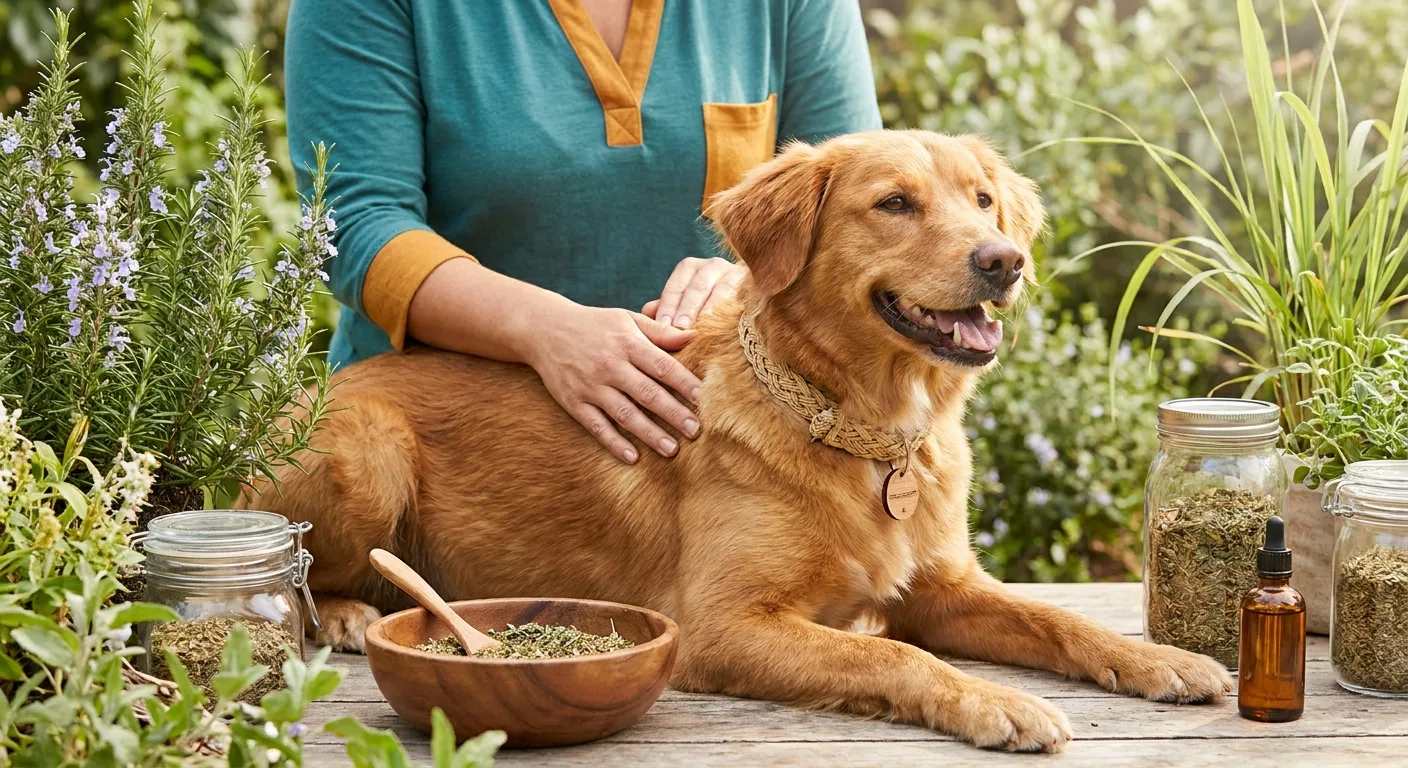

Protecting your dog from fleas and ticks is essential for their health, but conventional chemical treatments can sometimes pose environmental concerns or unwanted side effects. Exploring natural flea prevention methods offers an eco-friendly approach, reducing exposure to harsh pesticides for both your pet and the ecosystem. These methods often involve a holistic strategy, focusing on your dog’s overall health and natural deterrents rather than relying solely on synthetic chemicals. Furthermore, adopting these practices aligns perfectly with the values of sustainable pet care, ensuring a healthier future for both your companion and the planet.
Effective Natural Flea Prevention Strategies
One foundational aspect of natural flea prevention is maintaining a healthy diet for your dog. This boosts their immune system, making them less attractive to pests. For instance, incorporating certain foods like garlic (in very small, veterinarian-approved amounts) or brewer’s yeast into their diet is often cited as a deterrent. However, always consult your vet before making significant dietary changes. Regular grooming, including bathing with natural, unscented shampoos and frequent brushing, helps to physically remove fleas and allows for early detection of ticks. Moreover, consistent grooming strengthens your bond with your pet.
Essential oil blends, specifically formulated and diluted for dogs, can be used. For example, lavender, cedarwood, or peppermint are often considered. These can be applied in sprays or on collars, but always consult your vet before application, as some oils can be toxic to pets if not used correctly. A vet can guide you on safe concentrations and application methods. In addition, consider natural topical treatments containing ingredients like diatomaceous earth, which works by dehydrating pests. This is a physical rather than chemical action, offering a safer alternative for your dog’s coat.
Maintaining your dog’s overall well-being is a critical component of effective pest management. A strong immune system naturally deters parasites. Therefore, ensure your dog receives adequate exercise, a balanced diet, and regular vet check-ups. This holistic approach to their health contributes significantly to their resistance against fleas and ticks. Furthermore, reducing stress in your dog’s life can also enhance their immune response, making them less vulnerable to infestations. For a comprehensive guide to their overall health, consider our resources on Beyond Products: A Holistic Guide to Sustainable Dog Care.
Environmental Management for Natural Pest Control
Beyond your dog’s direct care, managing their environment is key. Keeping your yard tidy, trimming tall grass, and removing leaf litter can significantly reduce tick habitats. Introducing beneficial nematodes to your lawn can help control flea populations in the soil. These microscopic worms are natural predators to flea larvae, offering an eco-friendly solution for yard treatment. Regularly washing your dog’s bedding in hot water and vacuuming carpets and upholstery can eliminate flea eggs and larvae indoors. In fact, vacuuming frequently is one of the most effective ways to disrupt the flea life cycle within your home.
Consider using natural pest deterrents around your home and garden. For example, planting certain herbs like rosemary, mint, or lemongrass can help repel fleas and ticks. These plants not only add beauty to your yard but also create a natural barrier. Additionally, ensure your home is free of cracks and crevices where pests might hide. Sealing these entry points can prevent infestations from taking hold. For indoor treatments, consider steam cleaning carpets and upholstery, which effectively kills fleas and their eggs without harsh chemicals. This approach supports a truly eco-friendly home environment.
A proactive approach to environmental control greatly reduces the need for reactive treatments. This is fundamental to successful natural flea prevention. By combining internal health, external care, and environmental management, you create a robust, natural defense against fleas and ticks. This offers a safer and more sustainable approach to pest control for your beloved companion. Consequently, your efforts contribute to a healthier home and a thriving local ecosystem. For more actionable steps on reducing your pet’s environmental impact, explore our guide on Sustainable Dog Care Practices: Your Actionable Guide to a Greener Paw Print.
Understanding the Life Cycle of Fleas and Ticks
To effectively implement natural pest control for dogs, it is crucial to understand the life cycle of fleas and ticks. Fleas undergo complete metamorphosis, starting as eggs, then developing into larvae, pupae, and finally adult fleas. Eggs often fall off your pet into the environment, making regular cleaning of bedding and carpets essential. Larvae feed on flea dirt (feces from adult fleas) and organic debris, while pupae are protected in cocoons, making them resistant to many treatments. Understanding these stages allows for targeted natural flea prevention efforts.
Ticks, on the other hand, have a simpler life cycle involving egg, larva, nymph, and adult stages, each requiring a blood meal. They typically latch onto hosts in tall grasses and wooded areas. Consequently, yard maintenance and regular pet checks are vital for tick control. Knowing where and when ticks are most active (often in warmer months) helps pet owners be more vigilant. For example, after walks in grassy areas, always perform a thorough tick check on your dog. This proactive measure is a key component of effective natural flea prevention, minimizing exposure to these parasites.
By disrupting these life cycles at multiple points, you can significantly reduce the pest population. This holistic strategy is far more effective than simply treating adult pests on your dog. Focusing on environmental controls and consistent grooming directly impacts the eggs, larvae, and nymphs, preventing them from maturing and reproducing. Therefore, an informed approach to pest biology enhances the efficacy of your eco-friendly methods. This knowledge empowers you to create a protective barrier for your pet.
Dietary Supplements and Topical Solutions for Pest Deterrence
Beyond basic nutrition, certain dietary supplements can enhance your dog’s natural resistance to pests. Brewer’s yeast, rich in B vitamins, is often suggested as a natural repellent. It’s believed to alter the scent of your dog’s skin, making them less appealing to fleas. Similarly, small, vet-approved amounts of apple cider vinegar can be added to water or food, also thought to change skin pH. Always introduce new supplements gradually and monitor your dog for any adverse reactions. These internal approaches contribute significantly to natural flea prevention.
For topical applications, several natural solutions exist. Diatomaceous earth (food-grade) can be lightly dusted onto your dog’s coat and bedding. This fine powder is composed of fossilized algae, and its microscopic sharp edges abrade the exoskeletons of insects, leading to dehydration. It is safe for pets when ingested in food-grade form, but avoid inhaling it. Another option is a DIY flea spray using witch hazel and a few drops of pet-safe essential oils like cedarwood or geranium, heavily diluted. Always patch test any new topical solution to ensure your dog does not have a sensitivity. These methods offer excellent support for natural flea prevention.
Regularly checking your dog’s coat for any signs of pests is paramount, regardless of the prevention methods used. Use a fine-toothed flea comb, especially around the neck, tail base, and inner thighs. If you find fleas, bathe your dog immediately with a natural flea shampoo. For ticks, use tweezers to remove them carefully, grasping as close to the skin as possible and pulling straight out. Proper disposal of removed ticks is also important to prevent further infestation. This vigilance is a cornerstone of effective pest management for dogs. For more on safe and sustainable choices, consider our insights into Microplastics and Pet Health: The Hidden Dangers in Conventional Dog Products.
The Importance of Professional Guidance for Natural Pest Control
While natural methods offer a compelling alternative to chemical treatments, seeking professional veterinary guidance remains crucial. A veterinarian can help assess your dog’s individual health needs and local pest risks. They can also confirm the presence of fleas or ticks and rule out other skin conditions. Furthermore, they can advise on the appropriate dosages and application methods for natural remedies, ensuring safety and efficacy. This expert input is invaluable for successful natural flea prevention.
Your vet can also discuss the prevalence of tick-borne diseases in your region. For instance, Lyme disease or anaplasmosis are serious concerns. They can recommend appropriate testing and, if necessary, conventional treatments for existing infestations or exposure to diseases. Combining natural preventive strategies with informed veterinary care provides the most comprehensive protection for your pet. This balanced approach ensures you are making the best decisions for your dog’s health and well-being. For additional reliable information on pet health, consult resources from organizations like the ASPCA or the American Kennel Club.
Remember that no single method is 100% effective against all pests in all situations. A multi-faceted approach, incorporating diet, grooming, environmental management, and vet consultation, is always best. This commitment to holistic care not only protects your dog from pests but also supports their overall vitality and longevity. By embracing these eco-friendly practices, you are fostering a healthier future for your beloved companion and the planet. This comprehensive strategy is the most reliable path to natural flea prevention.
Conclusion
Embracing natural flea prevention is a powerful way to protect your dog, your home, and the environment from the risks associated with conventional chemical treatments. By focusing on a holistic approach that includes a healthy diet, consistent grooming, and meticulous environmental management, you create a robust defense against fleas and ticks. Remember, understanding the pest life cycle, utilizing natural supplements and topical solutions, and always consulting your veterinarian are key components of a successful strategy. At Eco Friendly Dog Products, we believe in fostering a healthier future for pets and the planet, and these sustainable pest control methods embody that commitment. Your proactive choices contribute to your dog’s well-being and a greener paw print for everyone.
FAQ: What are some safe, chemical-free ways to deter pests from my dog?
Safe, chemical-free methods include maintaining a healthy diet for your dog, regular grooming with natural shampoos, and using vet-approved essential oil blends or diatomaceous earth topically. Environmental management like yard tidiness and washing bedding frequently also helps.
FAQ: How does diet influence my dog’s susceptibility to fleas and ticks?
A healthy, balanced diet boosts your dog’s immune system, making them less appealing to pests. Certain additions like brewer’s yeast or small, vet-approved amounts of garlic can also act as natural deterrents by altering your dog’s scent.
FAQ: Can I use essential oils for pest control on my dog?
Yes, certain essential oils like cedarwood or lavender can be used, but they must be heavily diluted and specifically formulated for dogs. Always consult your veterinarian before using essential oils, as some can be toxic to pets.
FAQ: What role does my yard play in keeping my dog pest-free?
Your yard plays a significant role. Keeping grass trimmed, removing leaf litter, and introducing beneficial nematodes can reduce flea and tick habitats. This environmental control is crucial for effective pest management.
FAQ: When should I consult a veterinarian about natural pest control methods?
It is always recommended to consult your veterinarian before starting any new pest control regimen, natural or otherwise. They can provide guidance on appropriate methods, dosages, and assess your dog’s specific health needs and local pest risks.