
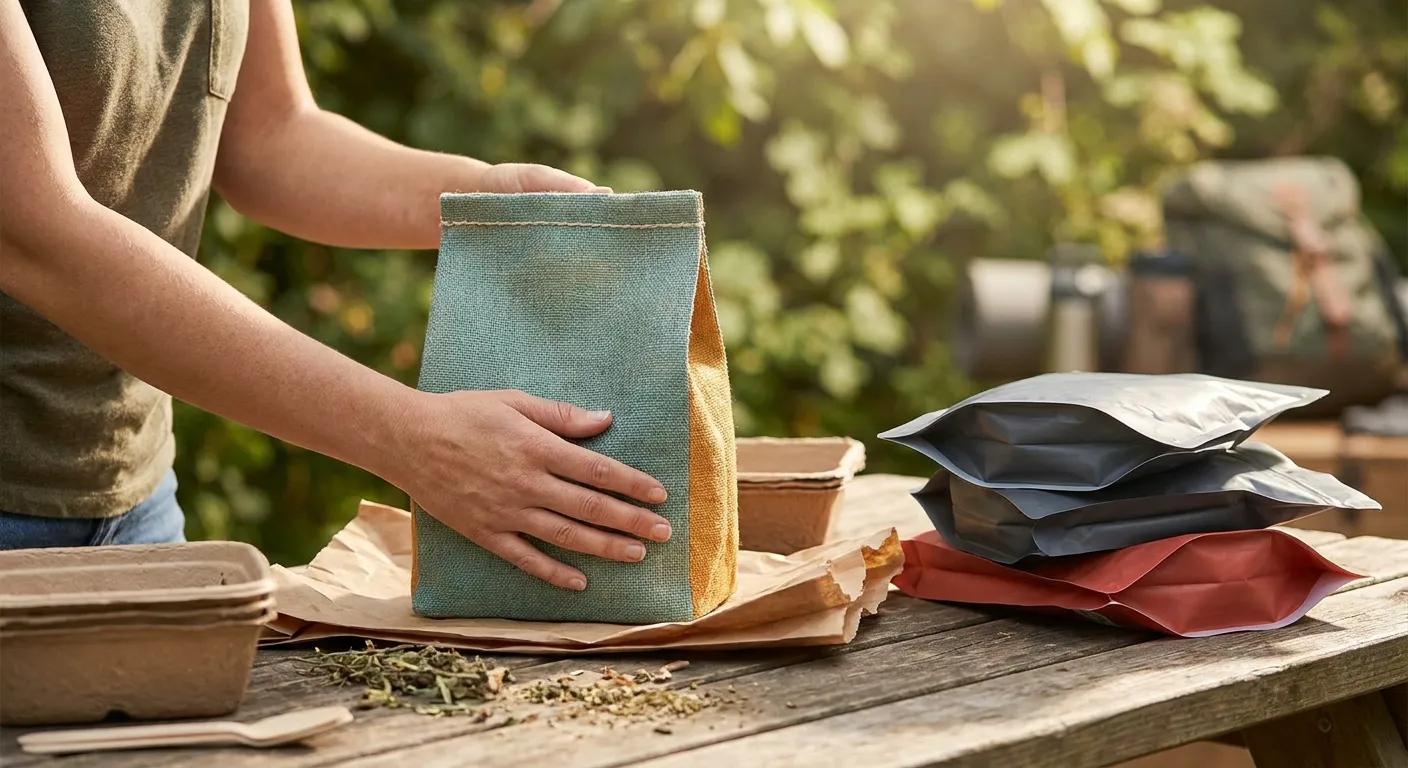

The environmental impact of our pets extends beyond what they eat; it includes the often-overlooked pet food packaging. While we focus on sustainable ingredients, the packaging itself contributes significantly to landfill waste, plastic pollution, and carbon emissions from manufacturing and transport. Understanding these hidden costs is crucial for dog owners aiming to make truly eco-conscious choices. Many conventional bags and cans are difficult or impossible to recycle, leading to millions of tons of waste annually.
At Eco Friendly Dog Products, we believe in fostering a healthier future for both pets and the planet. Therefore, examining every aspect of our pets’ consumption, including how their food arrives, is essential. Furthermore, the materials used in food containers directly impact their journey after disposal, affecting landfills and ecosystems.
Unpacking the Problem of Pet Food Packaging Waste
A significant portion of pet food packaging, particularly multi-layer plastic bags, is not accepted by curbside recycling programs due to its complex material composition. These layers, designed to protect food freshness, make separation and recycling economically unfeasible. Consequently, millions of these bags end up in landfills each year, persisting for centuries.
Aluminum cans are more widely recyclable than plastic bags; however, their production is energy-intensive. Moreover, the mining and processing of aluminum generate considerable greenhouse gas emissions. Cardboard boxes are generally recyclable but often lined with non-recyclable plastic, diminishing their green credentials. This plastic lining prevents moisture and grease from seeping through, but it also renders the entire package unrecyclable in many facilities. The sheer volume of packaging waste generated by the pet industry presents a substantial environmental challenge, demanding more innovative solutions.
The Lifecycle of Conventional Pet Food Containers
Consider the entire lifecycle of typical pet food containers. First, raw materials are extracted, often involving resource-intensive processes. Next, these materials are transported to manufacturing plants, where the packaging is produced, consuming energy and water. Subsequently, the finished packaging travels to food producers, then to retailers, and finally to your home. After use, if not recycled, it ends up in a landfill or pollutes natural environments. This linear model, from extraction to disposal, is inherently unsustainable. For instance, the production of virgin plastics for pet food containers contributes significantly to fossil fuel consumption.
Many pet food bags are made from virgin plastics, which are derived from non-renewable resources. These plastics do not biodegrade but instead break down into microplastics, which can contaminate soil, water, and even the food chain. In fact, research shows that microplastics are becoming an increasing concern for both human and animal health. You can learn more about this in our article on Microplastics and Pet Health: The Hidden Dangers in Conventional Dog Products.
Beyond the Bin: Other Environmental Impacts
Beyond landfill issues, the manufacturing and transportation of pet food packaging contribute to carbon emissions. The energy required to produce plastic, aluminum, and even lined cardboard is substantial. Furthermore, the global supply chain for these materials involves extensive shipping, adding to the carbon footprint. This complete picture reveals a much larger environmental burden than initially perceived.
The dyes and inks used on packaging can also contain harmful chemicals. These substances can leach into the environment during disposal, potentially contaminating soil and water. Therefore, choosing brands that use eco-friendly inks or minimize printing is another way to reduce your dog’s environmental paw print. We encourage pet owners to consider The Environmental Impact of Pet Ownership: Understanding Your Dog’s Paw Print more broadly.
Sustainable Alternatives for Pet Food Packaging
Conscious consumers can seek out brands that prioritize sustainable pet food packaging. Look for options made from single-material plastics that are widely recyclable, compostable materials, or packaging designed for return and refill programs. These initiatives actively reduce waste and promote a circular economy. For example, some brands are now offering food in bags made from 100% post-consumer recycled plastic.
Some innovative brands are using plant-based bioplastics or aluminum pouches that are lighter to transport and easier to recycle. Bioplastics, derived from renewable biomass sources, offer a promising alternative to traditional fossil fuel-based plastics. Similarly, lightweight aluminum pouches reduce transportation emissions compared to heavier cans. Bulk buying, where possible, also significantly reduces individual packaging waste. Consider purchasing larger bags of kibble or finding local stores that offer refill stations for dry food.
What to Look For: Identifying Truly Green Packaging
Identifying truly sustainable pet food packaging requires a discerning eye. First, check for clear recycling instructions and symbols. The presence of a widely recognized recycling symbol, like the Mobius loop with a number inside, indicates the material is generally recyclable. However, always verify with your local recycling facility what they accept.
Second, look for certifications. Certifications from organizations like the Biodegradable Products Institute (BPI) for compostable materials or FSC for responsibly sourced paper indicate a commitment to environmental standards. These certifications provide independent verification of a product’s environmental claims.
Third, prioritize single-material packaging. As previously mentioned, multi-layer plastics are problematic. Therefore, a bag made entirely of one type of plastic (e.g., #2 HDPE or #4 LDPE) is far more likely to be recycled than one composed of several fused layers. Some companies are even designing their pet food packaging to be fully recyclable through specific programs.
Innovations in Eco-Friendly Pet Food Containers
The industry is slowly but surely moving towards more sustainable pet food packaging solutions. We are seeing advancements in compostable bags made from corn starch or other plant-based polymers. These materials can break down in industrial composting facilities, returning nutrients to the earth. Furthermore, some companies are experimenting with edible packaging, though this is still largely in its early stages for pet food.
Return and refill schemes are gaining traction, allowing consumers to bring their own containers or return empty ones for reuse. This model significantly reduces waste at the source. Moreover, brands are exploring innovative designs that use less material overall, minimizing their environmental footprint. Supporting these forward-thinking companies helps drive broader change.
The Consumer’s Role in Driving Change
As pet owners, our choices hold significant power. By demanding better packaging, dog owners can drive change within the industry, fostering a shift towards more responsible and truly sustainable practices that benefit both pets and the planet. This consumer demand encourages manufacturers to invest in research and development for greener alternatives.
Actively research brands and their commitment to sustainability. Visit their websites, read their environmental reports, and don’t hesitate to contact them with questions about their pet food packaging. Furthermore, support local businesses that prioritize unpackaged or minimally packaged pet food options. Your purchasing decisions send a clear message.
Beyond Packaging: A Holistic Approach to Sustainable Pet Care
While pet food packaging is a critical concern, it’s part of a larger picture of sustainable pet care. Consider the ingredients in your pet’s food, their toys, and even their grooming products. Every aspect contributes to their overall environmental paw print. For a more comprehensive guide, explore our article on Beyond Products: A Holistic Guide to Sustainable Dog Care.
Choosing eco-friendly toys, for instance, reduces plastic waste and ensures your dog isn’t exposed to harmful chemicals. Similarly, opting for durable, sustainably sourced accessories minimizes frequent replacements. We encourage everyone to consider the full scope of their pet’s lifestyle. You can also explore Sustainable Dog Care Practices: Your Actionable Guide to a Greener Paw Print for more tips.
Advocacy and Awareness
Spread awareness among fellow pet owners about the importance of sustainable pet food packaging. Share information on social media, discuss it with friends and family, and encourage others to make more informed choices. Collective action can create significant impact. Furthermore, support environmental organizations that are working to reduce plastic pollution and promote sustainable manufacturing practices.
Write to your favorite pet food brands and express your desire for more eco-friendly pet food packaging. Companies often respond to consumer feedback, especially when it comes to growing concerns like environmental impact. Your voice truly matters in this movement towards a greener future for our beloved companions.
Conclusion
The environmental cost of pet food packaging is substantial but not insurmountable. By understanding the challenges and actively seeking out sustainable alternatives, pet owners can significantly reduce their dog’s environmental footprint. From widely recyclable single-material plastics to innovative compostable options and refill programs, the choices are expanding. Ultimately, supporting brands committed to reducing waste and advocating for better practices will drive the necessary change. Together, we can ensure that our love for our pets doesn’t come at the planet’s expense, especially when it comes to something as fundamental as pet food packaging.
We at Eco Friendly Dog Products are committed to helping you navigate these choices, providing information and products that align with your values. Let’s work together for a healthier planet and happier pets.
FAQ: Common Questions About Sustainable Pet Food Containers
What types of pet food packaging are most problematic?
Multi-layer plastic bags are among the most problematic because their complex composition makes them difficult and often impossible to recycle. These materials are designed for durability and freshness but pose significant challenges for waste management systems, typically ending up in landfills.
How can I tell if pet food packaging is truly recyclable?
Look for clear recycling symbols (like the Mobius loop with a number) and check with your local recycling facility for their specific acceptance guidelines. Many packages may claim to be recyclable, but local infrastructure varies greatly. Prioritize single-material containers whenever possible.
Are aluminum cans for pet food a good eco-friendly choice?
Aluminum cans are widely recyclable, which is a significant advantage. However, their production is energy-intensive. While better than many plastic alternatives, consumers should consider the energy used in manufacturing and transport when evaluating their overall environmental impact.
What are some innovative alternatives to traditional pet food containers?
Innovative alternatives include compostable bags made from plant-based materials, lightweight aluminum pouches, and packaging designed for return and refill programs. Some brands are also exploring bioplastics and designs that use less material overall to reduce their ecological footprint.
How does buying pet food in bulk help reduce waste?
Buying pet food in bulk significantly reduces individual packaging waste by minimizing the number of bags or cans purchased over time. This approach often means less material is produced and disposed of, contributing to a smaller environmental paw print for your dog.
Beyond the container, what else contributes to my pet’s environmental impact?
Beyond the container, a pet’s environmental impact also stems from food ingredients, toy materials, grooming products, and even waste disposal. Adopting a holistic approach to sustainable pet care, from what they eat to what they play with, helps reduce their overall ecological footprint. For further reading, check out the EPA’s guide on How to Recycle Common Items and the Pet Sustainability Coalition’s resources on sustainable pet products.