
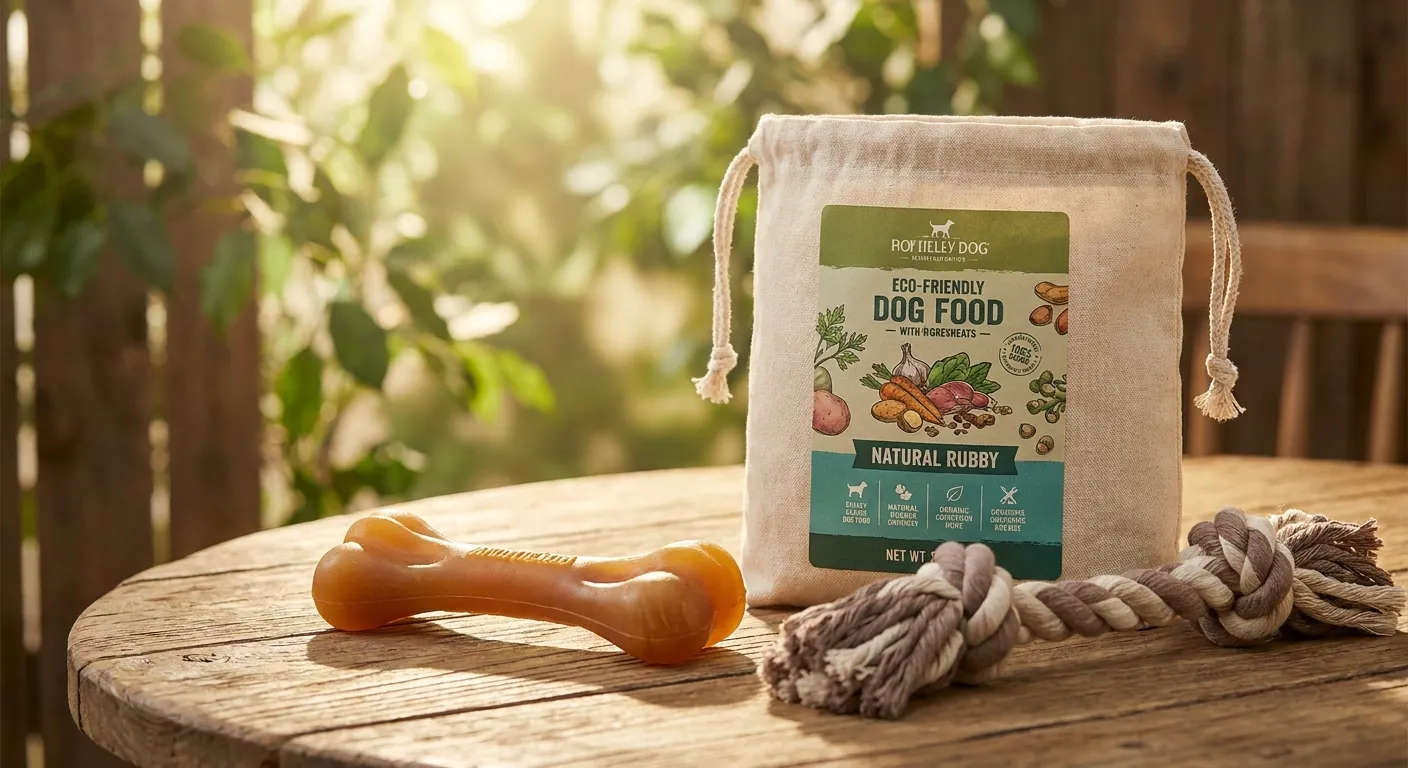

As conscious dog owners, we’re constantly seeking the best for our furry companions. But what if those choices could also benefit the planet? The good news is, making eco-friendly dog food choices is becoming easier and more impactful than ever. With the global eco-friendly pet products market projected to reach a staggering $38.6 billion by 2034, it’s clear that sustainability is no longer a niche, but a core expectation for pet parents like you. In fact, a 2025 survey revealed that 73% of global pet owners prioritize environmental impact in their purchasing decisions, a significant jump from 54% in 2020.
This guide will walk you through the key aspects of sustainable dog food and toys, providing actionable insights to help you navigate this evolving landscape and make informed decisions that support both your dog’s health and planetary well-being.
Understanding Sustainable Dog Food
Sustainable dog food goes beyond just ‘natural’ ingredients; it considers the entire lifecycle of the product, from sourcing to packaging. Here are the leading trends shaping this vital category:
Upcycled Ingredients: Reducing Waste, Boosting Nutrition
One of the most exciting innovations in environmentally friendly dog meals is the use of upcycled ingredients. This involves repurposing food by-products that would otherwise go to waste, transforming them into nutritious components for pet food. For instance, 44% of pet food ingredients in 2024 were derived from co-products of human food manufacturing. Brands like Portland Pet Food Company exemplify this by upcycling salmon, bacon, sweet potatoes, and spent grains, diverting thousands of pounds of brew waste from landfills. Similarly, The Conscious Pet recovers surplus food scraps from local restaurants to create zero-waste pet treats. This not only reduces landfill burden but also often provides high-quality nutrients that might otherwise be overlooked.
Novel and Alternative Proteins: The Future of Responsible Canine Nutrition
Moving away from traditional protein sources, the industry is exploring innovative alternatives to lessen environmental impact. Pet owners are increasingly open to these options, with 36% considering cultivated meat and 43% considering microbially fermented protein for their pets. These proteins offer a reduced carbon footprint compared to conventional livestock farming, presenting a promising path for truly sustainable dog food options without compromising on essential amino acids.
Human-Grade & Transparency: What You See Is What Your Pet Gets
Modern pet parents expect the same quality and transparency for their pets’ food as they do for their own. This means human-grade, minimally processed ingredients and clear sourcing information. Brands are responding by providing detailed insights into where their ingredients come from, often partnering with sustainable farms. This commitment to transparency builds trust and ensures you know exactly what’s fueling your dog.
Functional Nutrition: Health Beyond Basic Sustenance
Beyond sustainability, pet nutrition is increasingly viewed as an investment in long-term health. This drives demand for functional ingredients like prebiotics, probiotics, and omega-3/6 fatty acids. These additions support gut health, joint mobility, and immune function, demonstrating a holistic approach to your dog’s well-being that complements environmentally friendly practices.
Choosing Eco-Friendly Dog Toys
After ensuring your dog’s sustenance is green, consider their playtime. Biodegradable pet toys represented 19.8% of product type revenue in 2025 and are projected to grow significantly, highlighting the demand for sustainable play options.
Materials Matter: Recycled, Organic, and Natural
When it comes to green pet food selections, look for toys made from recycled, organic, and biodegradable materials. Leading brands utilize natural rubber, organic cotton, recycled plastic bottles, and hemp fiber. West Paw is renowned for its durable, recyclable Zogoflex material, while Beco Pets uses natural rubber and rice husk. Planet Dog specializes in Orbee-Tuff® material, a non-toxic, recyclable rubber that stands up to vigorous play.
Durability for Longevity: Less Waste, More Play
A truly sustainable toy is one that lasts. Durable toys reduce the need for frequent replacements, thereby minimizing waste. Investing in high-quality, long-lasting toys made from robust eco-friendly materials is a key part of responsible consumption. This also means fewer resources are consumed in manufacturing and transportation over time.
Interactive and Multi-functional: Engaging Minds Sustainably
Beyond material, the functionality of toys also plays a role in sustainable pet care. Treat-dispensing and puzzle toys are booming, combining physical play with mental stimulation. These multi-functional toys provide extended engagement, making them a valuable and sustainable choice for enriching your dog’s life.
Making Informed Decisions for Your Dog
Navigating the world of sustainable pet products requires a discerning eye. Here are a few tips:
- Read Labels Carefully: Look for certifications like USDA Organic, non-GMO, or specific claims about recycled content and biodegradability.
- Research Brands: Investigate a brand’s commitment to sustainability beyond just one product. Do they have clear ethical sourcing practices? What about their manufacturing processes and packaging?
- Prioritize Durability: For toys, choose items known for their longevity to reduce consumption and waste.
By prioritizing eco-friendly dog food choices and sustainable toys, you’re not just making a purchase; you’re making a statement. You’re supporting a healthier lifestyle for your beloved companion and contributing to a more sustainable future for our planet.