
Our beloved canine companions bring immense joy and unconditional love into our lives. As responsible pet parents, we strive to provide them with the best care possible. However, it’s increasingly important to acknowledge that every pet, much like every human, leaves a paw print on our planet. Understanding your pet’s environmental impact pet ownership is the first step towards making more conscious choices that benefit both your furry friend and the Earth. This guide will delve into the various aspects of pet ownership that affect the environment and offer practical, data-backed solutions to minimize that footprint.
The Overlooked Paw Print: Where Does Your Pet’s Impact Lie?
The environmental footprint of pet ownership is multifaceted, extending beyond just waste. Studies suggest that pets, particularly dogs and cats, contribute significantly to global resource consumption. For instance, the production of pet food alone accounts for a substantial portion of agricultural land use, water consumption, and greenhouse gas emissions. Beyond food, consider the materials in their toys, bedding, grooming products, and even the energy consumed in their care. Moreover, the choices we make as consumers directly influence these broader impacts.
Food: The Biggest Piece of the Pie in Sustainable Pet Care
Pet food production is arguably the largest contributor to your pet’s overall ecological footprint. Traditional meat-based diets require vast resources. Here’s how to make a difference:
- Choose Sustainable Protein Sources: Look for foods containing insect protein, ethically sourced wild-caught fish, or upcycled ingredients. These options dramatically reduce the demand for conventional livestock farming. Consequently, they lessen the strain on natural resources.
- Consider Plant-Based or Blended Diets: Consult with your vet about incorporating plant-based protein or a ‘flexitarian’ approach that reduces meat content while ensuring complete nutrition. Many brands now offer nutritionally complete vegan options.
- Buy Local and Organic: Selecting local and organic options reduces transportation emissions and supports sustainable agricultural practices. Furthermore, researching brands with transparent sourcing can help ensure ethical production.
- Minimize Food Waste: Store food properly, measure portions accurately, and consider composting suitable food scraps (if not eaten). In fact, food waste is a significant global issue, and pets can contribute to it if not managed well.
Waste Management: From Poop to Products
Dog waste is a significant environmental concern, especially when bagged in traditional plastics. Over 500 million plastic poop bags are used annually in the US alone, most ending up in landfills for centuries. This truly adds to the environmental impact pet ownership. Here are better options:
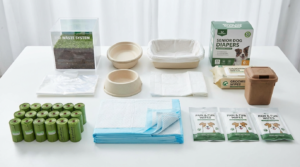
- Switch to Compostable Poop Bags: Made from plant-based materials, these break down much faster and don’t contribute to microplastic pollution. This is a simple yet effective change.
- Compost Dog Waste (Carefully): Dedicated pet waste composters can safely break down waste into non-food garden fertilizer. Never use for edible gardens due to pathogens. Similarly, always follow manufacturer instructions.
- Durable & Recycled Waste Bins: Choose bins made from recycled plastic or metal, and consider a larger, less frequently emptied bin to reduce liner use. In addition, opt for bins that are built to last.
Products & Gear: Prioritizing Longevity and Materials
Every item we purchase for our pets has an origin and an end-of-life impact. From toys to beds, the materials and manufacturing processes contribute to their environmental footprint. Therefore, making mindful choices here is crucial.
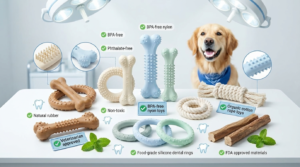
- Durable and Long-Lasting Toys: Opt for toys made from natural rubber, hemp, or recycled materials. Avoid cheap plastic toys that break easily and end up in landfills. Conversely, investing in quality reduces waste.
- Eco-Friendly Bedding: Look for beds filled with recycled content, organic cotton, or natural fibers like hemp. Many brands now offer washable covers to extend the life of the bed.
- Sustainable Grooming Products: Choose shampoos and conditioners made with natural, biodegradable ingredients. Look for concentrated formulas and refillable packaging to reduce plastic waste. Furthermore, consider waterless shampoo options.
- Recycled Accessories: Collars, leashes, and bowls made from recycled plastics, bamboo, or upcycled materials are excellent alternatives. These choices minimize the demand for new raw materials.
Reducing Your Pet’s Carbon Paw Print Through Lifestyle Choices
Beyond tangible products, our daily routines and choices as pet parents significantly influence the overall ecological impact of our furry friends. Making conscious decisions in these areas can further reduce the environmental impact pet ownership.
- Responsible Transportation: When traveling with your pet, consider walking or cycling for shorter distances. For longer trips, combine errands to reduce fuel consumption. If you own an electric vehicle, you’re already reducing your pet’s travel carbon footprint.
- Energy-Efficient Home Care: Use energy-efficient appliances for washing pet bedding. Consider natural ventilation instead of air conditioning when possible. Similarly, ensure your home is well-insulated to reduce heating and cooling needs, which benefits both you and your pet.
- Spay/Neuter and Adoption: Supporting local shelters and adopting pets helps reduce the strain on resources associated with overpopulation. Furthermore, spaying or neutering your pet prevents unintended litters, which also alleviates resource demands.
- Minimizing Water Usage: Be mindful of water when bathing your pet or cleaning their bowls. Use a low-flow nozzle for baths and only run the washing machine when you have a full load of pet-related items.
The Broader Picture: Supporting Sustainable Pet Industries
As conscious pet owners, our purchasing power can drive significant change within the pet industry. By supporting brands committed to sustainability, we encourage more eco-friendly practices across the board. This collective effort is vital for reducing the overall impact of pet ownership.
- Research Brand Ethics: Look for companies that prioritize ethical sourcing, sustainable manufacturing, and transparent supply chains. Many brands now highlight their environmental initiatives on their websites.
- Certifications Matter: Seek out products with recognized eco-certifications. These provide independent verification of a product’s environmental claims. For example, certifications like B Corp or Leaping Bunny indicate a commitment to higher standards.
- Advocate for Change: Share your preferences for sustainable pet products with retailers and manufacturers. Your voice as a consumer holds weight and can influence product offerings.
- Support Local and Small Businesses: Often, local businesses have a smaller supply chain and can be more agile in adopting sustainable practices. They also contribute to the local economy.
Health and Wellness: A Holistic Approach to a Lighter Paw Print
A healthy pet generally has a lighter environmental footprint. Preventing illness reduces the need for resource-intensive treatments and medications. Consequently, focusing on preventative care is a sustainable choice.
- Regular Vet Check-ups: Keeping your pet healthy through regular veterinary visits can prevent more serious, resource-intensive illnesses down the line. Preventative care is often less impactful than emergency treatments.
- Natural Pest Control: Explore natural and non-toxic options for flea and tick prevention when appropriate, consulting your vet. This reduces the introduction of chemicals into the environment.
- Mindful Medication Disposal: Never flush old pet medications down the toilet or throw them in the trash. Ask your vet or local pharmacy about proper disposal methods to prevent environmental contamination.
- Homemade Treats (with caution): Making some treats at home can reduce packaging waste. However, always ensure ingredients are safe and nutritionally appropriate for your pet.
Engaging in Community and Education
Reducing the ecological footprint of pet ownership isn’t just an individual effort; it’s a community endeavor. By sharing knowledge and participating in local initiatives, we can amplify our positive impact. This collective action significantly helps mitigate the environmental impact pet ownership.
- Join Local Clean-Up Drives: Participate in park or beach clean-ups, often organized by local environmental groups. This helps keep shared spaces clean for both humans and pets.
- Educate Others: Share your knowledge about sustainable pet practices with friends, family, and fellow pet owners. Encourage them to consider eco-friendly alternatives.
- Support Pet-Friendly Green Spaces: Advocate for and support the creation and maintenance of dog parks and green spaces. These areas provide vital enrichment for pets and contribute to local biodiversity.
- Volunteer at Shelters: Volunteering at local animal shelters not only helps animals in need but also supports organizations working towards responsible pet care and population control.
The Future of Sustainable Pet Care: Innovation and Progress
The pet industry is continuously evolving, with new innovations emerging to further reduce the ecological impact of companion animals. Staying informed about these advancements allows conscious owners to embrace even more sustainable practices and reduce their overall impact of pet ownership. For instance, new technologies are developing more sustainable materials for toys and accessories, and research into alternative protein sources for pet food is ongoing.
- Emerging Technologies: Keep an eye out for advancements in biodegradable materials for pet products and new methods for sustainable pet food production, such as lab-grown proteins.
- Policy and Advocacy: Support policies that promote environmental responsibility within the pet industry. This includes regulations on packaging, waste management, and sustainable ingredient sourcing.
- Circular Economy Principles: Many companies are adopting circular economy models, designing products for longevity, repairability, and eventual recycling or composting. Supporting these brands helps close the loop on waste.
- Global Collaboration: International efforts are being made to address the broader ecological footprint of companion animals, fostering a global movement towards more sustainable pet care. You can learn more about global sustainability efforts from organizations like the United Nations.
Making a Difference: Every Paw Print Counts
Reducing your pet’s environmental impact is a journey, not a destination. Every small change we make as pet owners contributes to a larger positive impact. From choosing sustainable food options to opting for eco-friendly products, our choices collectively foster a healthier planet for all. By embracing sustainable pet care, we demonstrate our commitment not only to our cherished companions but also to the future of our shared home. Remember, conscious choices today lead to a greener tomorrow. For more information on sustainable living, consider resources like the Environmental Protection Agency (EPA).
Conclusion: A Greener Future for Our Furry Friends
Our pets enrich our lives immeasurably. As their guardians, we have a responsibility to care for them and the world they inhabit. By understanding the environmental impact pet ownership and actively seeking sustainable alternatives, we can significantly reduce our collective paw print. Every decision, no matter how small, contributes to a healthier planet. Let’s make conscious choices for our beloved companions and for the world we share.
FAQ Section
How can I reduce my pet’s carbon footprint?
You can reduce your pet’s carbon footprint by choosing sustainable food sources like insect protein or plant-based diets, using compostable waste bags, opting for durable and eco-friendly products, and making conscious transportation choices.
What are sustainable pet food options?
Sustainable pet food options include those with insect-based proteins, ethically sourced fish, upcycled ingredients, or plant-based formulations. Buying local and organic also reduces transportation emissions.
Are compostable poop bags truly better for the environment?
Yes, compostable poop bags are generally better for the environment than traditional plastic bags. They are designed to break down much faster, reducing landfill waste and microplastic pollution. Always look for certified compostable options.
How can I make my pet’s accessories more eco-friendly?
To make your pet’s accessories more eco-friendly, choose items made from recycled materials, natural fibers like hemp or bamboo, or upcycled components. Prioritize durability to extend product life and reduce frequent replacements.
What role does adoption play in sustainable pet care?
Adoption plays a significant role in sustainable pet care by reducing pet overpopulation. This lessens the strain on resources associated with breeding and caring for unwanted animals, ultimately contributing to a lighter ecological footprint for companion animals.
Explore more: More from Eco Friendly Dog Products