
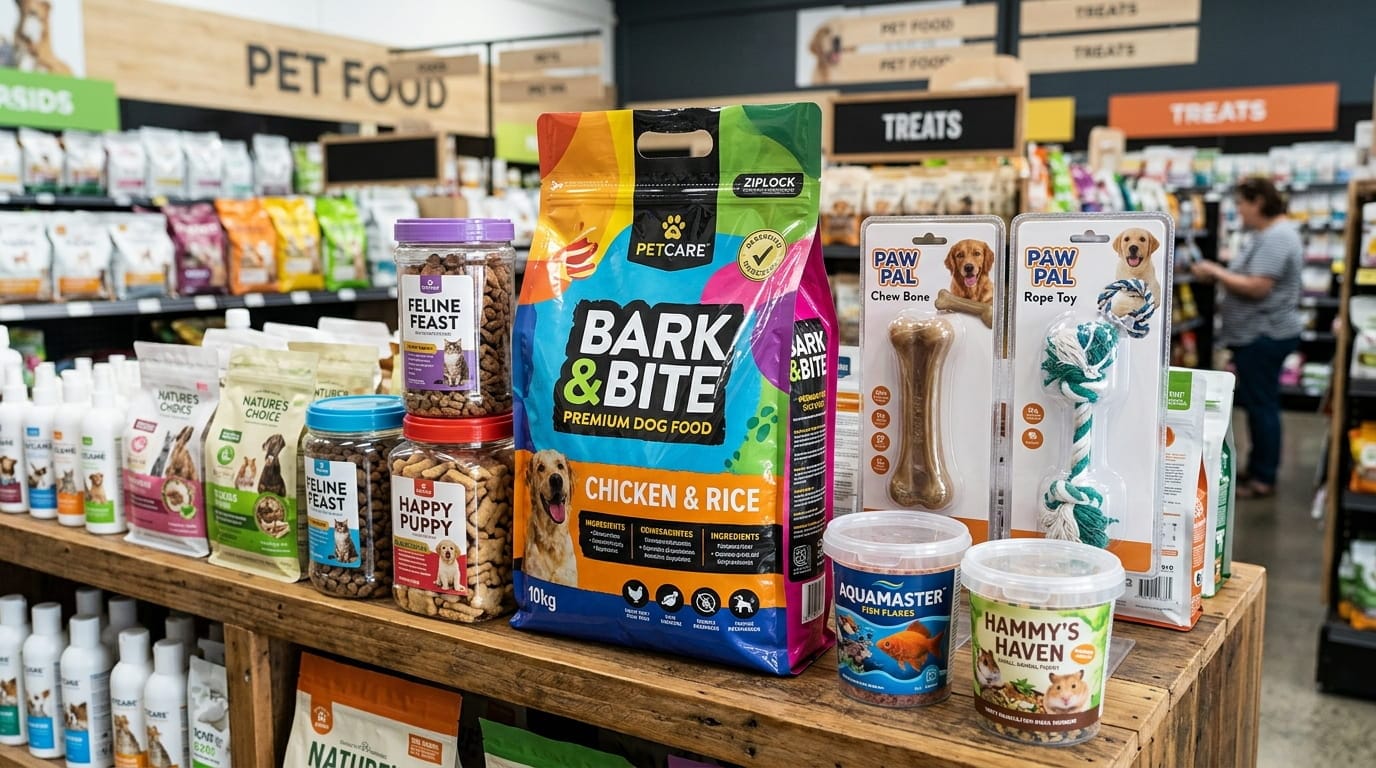

Plastic pet packaging is everywhere, from kibble bags and treat pouches to grooming bottles, toy wrappers, supplement tubs, waste bag rolls, and wet food multipacks. At first, it may seem like brands use plastic only because it is cheap. However, the real reason is more layered. Plastic is light, strong, flexible, moisture-resistant, and easy to shape around many different pet products. Because pet supplies need to stay clean, fresh, safe, and shelf-stable, plastic has become the default choice across much of the industry.
That convenience comes with a cost. Many pet products use materials that are hard to recycle, especially when packages include several layers bonded together. A dog food bag may include plastic films, foil-style barriers, inks, seals, and zippers. A treat pouch may look simple, yet it may combine multiple materials that most recycling programs cannot separate. As a result, packaging that protects the product can create waste after the product is used.
Still, the goal is not to blame pet owners for buying normal supplies. Most people choose what is available, affordable, and safe for their pets. The better question is how the industry can keep the useful parts of packaging while reducing the waste. When owners understand why plastic dominates, they can make smarter choices and encourage brands to offer better options.
Why Brands Rely So Heavily on Plastic
Pet products face real packaging demands. Food must stay fresh, dry, and protected from pests. Treats need aroma control, shelf stability, and resealable closures. Grooming products need leak-resistant bottles. Toys need visible packaging that prevents damage during shipping and display. Because plastic can do many of these jobs at once, it often becomes the easiest choice for manufacturers.
Cost plays a major role too. Plastic is usually cheaper to produce, transport, and store than many alternatives. Since pet owners already compare prices closely, brands worry that more expensive packaging may push shoppers away. This is especially true for large bags of food, bulk treats, litter products, and everyday basics. If packaging raises the final price too much, many customers may choose a cheaper competitor.
Weight is another factor. Plastic is light, which helps reduce shipping costs and handling issues. A lighter package can also lower fuel use during transport, although the end-of-life waste problem remains. Glass, metal, and rigid containers may recycle better in some systems, but they can be heavier, more fragile, and more expensive to move.
Durability matters as well. Pet products often travel through long supply chains. They move from factories to warehouses, trucks, stores, delivery vans, and homes. Packaging must survive drops, stacking, temperature changes, moisture, and rough handling. Plastic helps prevent spills and spoilage, which protects both the product and the brand’s reputation.
Marketing also influences design. Clear windows let shoppers see treats, toys, or chews. Glossy pouches make products look premium. Colorful plastic labels stand out on crowded shelves. In the pet aisle, packaging does more than hold the product. It sells the product. Because of that, plastic pet packaging remains attractive to companies that compete for attention.
Convenience is another reason. Resealable zippers, squeeze bottles, easy-tear pouches, scoopable tubs, and lightweight bags all make daily pet care easier. Owners appreciate packaging that opens quickly, stores neatly, and keeps odors contained. Therefore, any lower-waste alternative must compete not only on sustainability, but also on ease of use.
The Hidden Waste Problem Behind Everyday Pet Supplies
The biggest issue with plastic pet packaging is not always the plastic itself. It is the type of plastic and how it is combined with other materials. Many pet food and treat packages use flexible multilayer films. These packages protect food well, but they are difficult for standard recycling systems to process.
A package may include an outer printed layer, an inner food-safe layer, a barrier layer, adhesives, and a resealable closure. Each part serves a purpose. However, when those parts are fused together, most facilities cannot separate them. This means the package often goes to landfill, even if one layer might be recyclable on its own.
Small packaging creates another challenge. Treat wrappers, sample packs, toy tags, and individual portions may be too small or too lightweight for recycling equipment. They can fall through sorting machinery or contaminate other streams. Because pet owners buy these items regularly, small pieces can add up quickly.
Contamination also matters. Packaging with leftover food, oils, shampoo, supplements, or litter dust may not be accepted by recycling programs. Even recyclable containers need to be empty and clean. In a busy household, that extra step is easy to skip. As a result, plastic pet packaging often ends up in the trash by default.
Pet products also create repeat waste. Food, treats, waste bags, grooming supplies, and litter are purchased again and again. Unlike a carrier or bowl, these items cycle through the home constantly. That makes packaging choices especially important. A single pouch is small, but years of repeated purchases create a much larger footprint.
Another hidden issue is wishful recycling. Owners may place flexible pouches or mixed-material bags into recycling bins because they want to do the right thing. However, if the local program does not accept them, those items may contaminate the system. Better labeling could help, but brands and municipalities do not always provide clear guidance.
Why Alternatives Have Not Replaced Plastic Yet
Many people ask why brands do not simply switch to paper, glass, metal, compostable films, or refill systems. The answer is that every option has trade-offs. Paper may look better, but it may not protect oily treats, moist foods, or kibble from air and humidity unless it has a coating. Once coated, it may become harder to recycle.
Glass is reusable and recyclable in many areas, but it is heavy and breakable. It may work for some supplements or treats, yet it is less practical for large pet food volumes. Metal can protect wet food well, which is why cans remain common. However, metal packaging can be costly and may not suit every product type.
Compostable materials sound promising, but they need the right disposal conditions. Some compostable packages require industrial composting facilities, which many communities do not have. If they go to landfill, they may not break down as intended. Also, compostable packaging must still protect food from moisture, oxygen, pests, and spoilage.
Refill systems are appealing, but they require infrastructure. Stores need bins, sanitation systems, weighing stations, and customer education. Brands need to manage freshness and safety. Owners need containers and convenient access. In some areas, refill pet food may work well. In others, it may not be realistic yet.
Recyclable mono-material packaging may be one of the more practical improvements. Instead of combining many layers, brands can use a single type of plastic that recycling programs may handle more easily. However, the package still must protect the product and meet food safety needs. This transition takes testing, investment, and cooperation across the supply chain.
For these reasons, plastic pet packaging remains dominant. It solves many short-term problems better than most alternatives. Yet that does not mean the current system is good enough. It means change must focus on packaging that protects pets, works for owners, and has a clearer end-of-life path.
How Pet Owners Can Make Better Choices Now
Pet owners do not control the entire packaging system, but they can influence demand. Start by choosing products with simpler packaging when possible. Look for recyclable containers, cardboard boxes, refill packs, metal cans, or brands that explain their packaging choices clearly. Specific claims are more useful than vague words like green or natural.
Check local recycling rules before buying based on a recyclable claim. A package can be technically recyclable but still not accepted in your area. If your local program accepts certain plastics, choose products that match those materials. If it does not accept flexible pouches, avoid assuming they belong in the bin.
Buy the right size. Larger bags may use less packaging per serving, but they only help if your pet eats the food before it goes stale. For one small dog or cat, a huge bag may create food waste. For multi-pet homes, larger packaging may make sense. The best choice balances freshness, storage, and waste.
Choose durable products when packaging waste is not the only issue. A toy with minimal packaging is helpful, but a toy that breaks in one day still creates waste. A longer-lasting product with slightly more packaging may sometimes be the better choice. Think about the full life of the item, not just the wrapper.
Support brands with take-back programs when they are practical. Some companies collect food bags, toy materials, or grooming containers through mail-in or drop-off systems. These programs are not perfect, but they show that a brand is thinking beyond the sale. Always check the details, because some programs accept only specific products.
Reduce unnecessary purchases too. Pet owners often buy extra toys, seasonal accessories, duplicate grooming items, and novelty treats. While these can be fun, they also create packaging waste. Buying with more intention can reduce plastic pet packaging without making your pet’s life less comfortable.
How Brands Can Change the Packaging System
Real progress needs action from pet companies, not just consumers. Brands can begin by designing packaging for recycling from the start. This means using simpler materials, fewer layers, clearer labels, and removable parts when possible. Packaging should not become impossible to process after one use.
Clear labeling is one of the easiest improvements. Owners need to know whether a package is recyclable, compostable, reusable, or trash. They also need to know how to prepare it. Should they rinse it? Remove the cap? Drop it off at a store? Mail it back? Good instructions can prevent confusion.
Brands can also reduce excess packaging. Some toys and accessories use more plastic display material than necessary. Grooming products may have extra wraps, seals, tags, and decorative pieces. Treats may come in small pouches inside larger bags. Cutting unnecessary layers can reduce waste without changing the product.
Refill and concentrate models can help in certain categories. Grooming products, cleaning sprays, odor removers, and supplements may work well with refill packs or concentrated formulas. If one durable bottle can be reused many times, total packaging may drop. However, refills should also use responsible materials.
Pet food is harder, but not impossible. Brands can test recyclable mono-material bags, post-consumer recycled content, and better barrier technologies. They can also offer bag return programs or partner with specialty recyclers. While no solution fits every product, every improvement matters.
Companies should also be honest about trade-offs. Customers are more likely to trust brands that explain why packaging exists and what they are doing to improve it. If a brand says it cannot remove a barrier layer because food safety would suffer, that honesty helps. Then, the brand can still share its plan for reducing waste over time.
Industry-wide standards would make shopping easier. If pet packaging used clearer icons, consistent claims, and verified disposal guidance, owners could compare products more quickly. Until then, plastic pet packaging will remain confusing for many shoppers.
Building a Lower-Waste Pet Care Routine
A lower-waste routine starts with small habits. Keep a recycling guide near your pet supply area so everyone in the household knows what goes where. Rinse grooming bottles, clean treat tubs, flatten cardboard boxes, and remove non-recyclable pieces when required. These steps take little time once they become normal.
Store pet food properly to prevent waste. Use the original bag inside an airtight container, since the bag often holds batch information and feeding details. Keep food away from heat, moisture, and sunlight. Better storage protects nutrition and reduces the chance of throwing away stale food.
Use reusable containers where they make sense. Treat jars, scoop bins, travel food containers, and washable pouches can reduce single-use habits. However, safety matters. Containers should be easy to clean and appropriate for food storage. Old plastic containers that hold odors or scratches may not be the best choice.
Buy from local stores when possible if it reduces shipping materials. Online shopping can add boxes, fillers, wraps, and labels. However, store shopping also has transport impacts. The best option depends on your routine. Combining errands, buying in practical amounts, and avoiding rush shipping can help.
Talk to brands. Ask whether their plastic pet packaging is recyclable, made with recycled content, or part of a take-back program. Customer questions show demand. When enough buyers ask for better packaging, companies have more reason to invest in change.
Do not aim for perfection. Pet care involves health, safety, cost, time, and convenience. Some products may still come in plastic because that is the safest or most available choice. The point is to improve where you can. Over time, better choices can become easier and more affordable.
Conclusion
Plastic became dominant in the pet industry because it works. It protects food, lowers shipping costs, prevents leaks, supports shelf life, and makes products convenient. However, those benefits come with a serious waste problem, especially when packaging uses mixed materials that most recycling systems cannot handle.
Plastic pet packaging will not disappear overnight. Still, it can improve. Brands can use simpler materials, reduce excess layers, offer clearer labels, invest in refill systems, and design packages with recycling in mind. Pet owners can support those changes by choosing better options, avoiding unnecessary purchases, recycling correctly, and asking companies for more responsible packaging.
The future of pet care should not force owners to choose between safe products and less waste. With smarter design and stronger demand, the industry can move toward packaging that protects pets without creating so much long-term trash. Every better bag, bottle, box, and refill system helps shift the market in the right direction.
FAQ
- Why Do So Many Pet Products Still Come in Plastic?
Pet brands use plastic because it is light, strong, moisture-resistant, affordable, and easy to shape. It also helps protect food, prevent leaks, and keep products convenient for owners.
- Is Paper Packaging Always Better for Pet Products?
Not always. Paper may need coatings to protect food from moisture, oils, and air. Once coated, it can become harder to recycle. The best option depends on the product and local recycling rules.
- How Can I Tell if Pet Packaging Is Recyclable?
Check the package for specific material details and disposal instructions. Then, compare those details with your local recycling program. Avoid assuming flexible pouches or mixed-material bags are accepted.
- What Can I Do if My Favorite Brand Uses Too Much Packaging?
You can contact the brand and ask about recyclable materials, refill options, or take-back programs. You can also support similar products with clearer packaging choices when they meet your pet’s needs.
- Are Refill Systems Safe for Pet Food?
They can be safe when managed properly, but freshness, sanitation, and storage matter. Use trusted refill sources, clean containers, and follow storage guidance to protect your pet’s food quality.