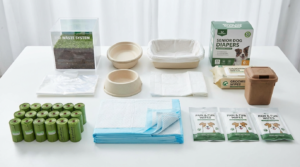


Pet ownership brings joy, companionship, and responsibility, but it also creates a surprising amount of waste over time. From disposable pads and plastic toys to single-use feeding supplies, many common pet products contribute heavily to environmental pollution. Eco friendly pet gear offers a smarter alternative by helping owners reduce waste while still providing comfort, safety, and convenience for their animals.
Many pet owners now recognize how daily choices affect the environment. Sustainable pet products continue growing in popularity because they combine durability, practicality, and environmental awareness. Instead of constantly replacing disposable items, reusable alternatives often last longer and reduce long-term costs as well.
Pets themselves also benefit from healthier materials and better-quality products. Many eco-conscious brands focus on natural fabrics, non-toxic materials, and sustainable manufacturing practices that support both animal wellness and environmental protection. In addition, reducing unnecessary waste helps create cleaner communities and healthier ecosystems for future generations.
Sustainable pet care does not require drastic lifestyle changes. Small adjustments, such as replacing disposable products with reusable alternatives, can create meaningful environmental impact over time. Thoughtful choices allow owners to care for pets responsibly while supporting a greener lifestyle overall.
Why Sustainable Pet Products Matter
The pet industry generates enormous amounts of waste every year. Plastic packaging, synthetic toys, disposable bedding, and single-use accessories often end up in landfills after short periods of use.
Eco friendly pet gear helps reduce this environmental burden by encouraging reusable and biodegradable alternatives. Durable products usually last longer, which decreases the need for constant replacement and lowers overall waste production.
Disposable pet products also consume significant natural resources during manufacturing. Single-use items require repeated production, packaging, and transportation, all of which increase energy use and pollution levels. Sustainable alternatives often reduce these environmental costs considerably.
Health benefits matter as well. Some low-quality pet products contain harsh chemicals, synthetic dyes, or unsafe plastics that may affect animals over time. Eco-conscious materials often avoid these substances while prioritizing safer manufacturing standards.
Financial savings can also become noticeable. Although sustainable products sometimes cost more initially, reusable items usually last longer than disposable alternatives. As a result, owners often spend less money over time while reducing waste simultaneously.
More communities now prioritize environmental responsibility, and pet care has become part of that movement. Conscious purchasing choices allow owners to support businesses focused on sustainability, ethical sourcing, and safer production practices.
Reusable Bedding and Washable Alternatives
Pet bedding creates substantial waste when owners frequently replace worn disposable pads, liners, or low-quality materials. Reusable options offer a more sustainable and cost-effective solution.
Eco friendly pet gear often includes washable beds, blankets, and cage liners made from durable natural fabrics. These products reduce landfill waste while providing pets with comfortable resting spaces.
Washable pee pads have become especially popular among dog owners and small pet caregivers. Unlike disposable training pads, reusable versions can handle repeated washing while maintaining absorbency and comfort.
Fleece cage liners also work well for guinea pigs, rabbits, and other small animals. These liners reduce the need for excessive paper bedding while creating softer and cleaner living spaces.
Natural fiber bedding products provide another eco-conscious option. Materials such as hemp, recycled paper, and untreated straw decompose more easily than synthetic alternatives while remaining safer for many animals.
Durability remains one of the biggest advantages of reusable products. High-quality washable bedding often lasts for years when maintained properly. Consequently, owners reduce both long-term spending and environmental impact significantly.
Sustainable Feeding and Water Solutions
Feeding supplies represent another major source of pet-related waste. Plastic bowls, disposable feeding trays, and heavily packaged food accessories often contribute unnecessary pollution.
Eco friendly pet gear includes feeding products made from bamboo, stainless steel, recycled materials, and ceramic alternatives. These materials generally last longer while avoiding the fragility and chemical concerns associated with some plastics.
Reusable food storage containers also help reduce waste. Airtight containers preserve freshness while minimizing reliance on disposable plastic packaging and bags.
Slow feeders and puzzle feeders support sustainability in another way by encouraging healthier eating habits. These durable tools often prevent overeating while reducing wasted food inside feeding areas.
Collapsible silicone travel bowls provide eco-conscious convenience for owners on the move. Unlike disposable travel containers, reusable options support hydration and feeding without creating additional trash.
Water filtration systems designed for pets may also reduce reliance on bottled water in certain situations. Cleaner water supports pet health while decreasing plastic consumption at the same time.
Purchasing pet food in larger recyclable packaging can further reduce environmental impact. Some companies now offer refill programs or sustainable packaging solutions that align with greener lifestyles.
Eco-Conscious Toys and Enrichment Products
Many pet toys contain synthetic materials that wear out quickly and contribute to landfill waste. Inexpensive plastic products often break apart within weeks, especially for strong chewers or active pets.
Eco friendly pet gear includes toys made from natural rubber, hemp, recycled fabrics, cork, and untreated wood. These alternatives often provide better durability while reducing exposure to harsh chemicals.
Natural chew toys support healthier habits for dogs, rabbits, birds, and rodents alike. Untreated wood, coconut shells, and woven grass products encourage natural behavior while remaining biodegradable.
Recycled fabric toys have also become more common. Some manufacturers create durable plush toys using repurposed textiles and stuffing made from recycled plastic bottles.
Interactive enrichment products often last longer because they focus on mental stimulation rather than disposable novelty. Puzzle feeders, climbing structures, and reusable activity toys support long-term engagement while reducing waste.
Homemade enrichment activities provide another sustainable option. Cardboard tubes, fabric scraps, and reused containers can often become effective toys when prepared safely.
Rotating toys regularly also extends product lifespan. Pets often stay interested in familiar items when owners switch them out periodically instead of purchasing new toys constantly.
Biodegradable Waste Management Options
Pet waste management creates another environmental challenge, especially for dog owners using plastic waste bags daily. Small changes in disposal methods can significantly reduce long-term plastic pollution.
Eco friendly pet gear includes biodegradable waste bags made from plant-based materials or compostable alternatives. These products break down more efficiently than traditional plastic bags under proper conditions.
Natural litter products also support sustainability. Recycled paper litter, wood pellets, wheat-based litter, and corn litter provide biodegradable alternatives to clay-based products.
Many traditional clay litters require environmentally damaging mining processes. Sustainable options often reduce ecological impact while controlling odor effectively.
Composting certain pet waste products may also become possible depending on local regulations and species type. However, owners should research safe composting practices carefully before attempting this approach.
Reusable litter trays and washable accessories further reduce plastic waste over time. Durable materials generally perform better while lasting significantly longer than disposable alternatives.
Even small adjustments in waste management routines can create measurable environmental benefits when practiced consistently throughout a pet’s lifetime.
Choosing Sustainable Collars, Harnesses, and Accessories
Pet accessories often rely heavily on synthetic materials and fast manufacturing methods. Many cheaply produced collars, leashes, and harnesses wear out quickly and require frequent replacement.
Eco friendly pet gear includes accessories made from hemp, recycled polyester, cork, organic cotton, and other sustainable materials. These products often combine durability with lower environmental impact.
Hemp collars have become especially popular because hemp grows efficiently with fewer pesticides and less water than many conventional crops. Additionally, hemp fibers provide strength and comfort for daily pet use.
Recycled materials also help reduce waste by repurposing plastics and textiles into functional products. Some companies create leashes and harnesses from reclaimed ocean plastics or recycled fabric fibers.
Durability matters greatly when choosing sustainable accessories. Longer-lasting products reduce manufacturing demand and minimize waste created by frequent replacements.
Owners should also consider ethical production practices. Supporting companies that prioritize fair labor standards and environmentally responsible sourcing contributes to broader sustainability goals.
Simple choices, such as repairing damaged leashes instead of replacing them immediately, can further reduce unnecessary waste over time.
Reducing Waste Through Smarter Purchasing
Sustainability often begins with buying fewer but better-quality products. Impulse purchases and trendy disposable items frequently create clutter and unnecessary waste.
Eco friendly pet gear encourages thoughtful purchasing habits focused on durability, practicality, and long-term use. Owners who prioritize quality over quantity often reduce environmental impact naturally.
Minimalist pet care approaches also help simplify routines. Instead of constantly replacing toys or accessories, maintaining a smaller collection of durable essentials usually works more effectively.
Repairing products whenever possible provides another sustainable strategy. Sewing pet beds, replacing hardware on collars, or cleaning older toys may extend product lifespan significantly.
Secondhand pet supplies can also reduce waste when obtained safely. Crates, carriers, and certain accessories often remain perfectly functional after gentle use.
Sharing unused items with shelters or other pet owners further supports sustainability. Donation prevents waste while helping animals and families who need additional support.
Small decisions repeated consistently often create the largest long-term environmental impact. Sustainable pet care becomes much more manageable when approached gradually rather than through drastic changes.
The Health Benefits of Natural Materials
Sustainable products often provide health advantages alongside environmental benefits. Natural materials may reduce exposure to harsh chemicals and improve comfort for sensitive animals.
Eco friendly pet gear frequently avoids synthetic dyes, toxic glues, and strong chemical treatments found in some low-quality products. This cleaner approach may help reduce skin irritation and allergic reactions in certain pets.
Natural fabrics also tend to breathe better than heavily processed synthetic materials. Breathable bedding and accessories may improve comfort, especially in warmer environments.
Chew toys made from safer materials reduce the risk of harmful chemical exposure during play. Since many pets chew, lick, and mouth their toys regularly, material quality becomes especially important.
Improved durability also enhances safety. High-quality sustainable products often resist tearing and breakage more effectively than cheap disposable alternatives.
Many eco-conscious brands additionally prioritize transparency regarding sourcing and manufacturing. This openness allows owners to make more informed decisions about the products they bring into their homes.
Supporting healthier materials benefits both pets and people sharing the same environment. Cleaner products often contribute to improved indoor air quality and reduced chemical exposure overall.
Building a More Sustainable Pet Routine
Sustainability works best when integrated into daily habits gradually. Owners do not need to replace every item immediately to make meaningful progress.
Eco friendly pet gear becomes most effective when paired with consistent mindful routines. Washing reusable items regularly, repairing damaged accessories, and reducing unnecessary purchases all contribute to long-term environmental improvement.
Planning purchases carefully also helps prevent waste. Choosing adaptable products that serve multiple purposes often reduces clutter and excess consumption.
Local shopping can further support sustainability by reducing transportation emissions. Small pet businesses and local artisans sometimes offer handmade products using responsibly sourced materials.
Recycling packaging properly remains important as well. Many pet food containers, cardboard boxes, and shipping materials can avoid landfill disposal through correct recycling practices.
Most importantly, sustainable pet care should remain practical and manageable. Small consistent changes usually create more lasting impact than unrealistic lifestyle overhauls.
Conclusion
Pet ownership does not need to create excessive environmental waste. Eco friendly pet gear provides practical alternatives that support healthier routines for both pets and the planet. From reusable bedding and biodegradable waste bags to natural toys and sustainable accessories, thoughtful choices can significantly reduce environmental impact over time.
Sustainable pet products often last longer, reduce waste, and support safer living environments. In addition, many eco-conscious materials improve comfort and durability while lowering reliance on disposable items.
Every small change contributes to larger environmental progress. By choosing reusable products, supporting ethical brands, and reducing unnecessary waste, pet owners can care for their animals responsibly while building a greener future for everyone.
FAQ
1. What materials are commonly used in sustainable pet products?
Hemp, bamboo, recycled fabrics, stainless steel, cork, natural rubber, and organic cotton are commonly used materials.
2. Are reusable pet products more cost-effective long term?
Yes, durable reusable products often last longer and reduce replacement costs over time.
3. Can biodegradable waste bags fully replace plastic versions?
Biodegradable bags provide a more environmentally friendly option and help reduce long-term plastic pollution.
4. Why are natural pet toys considered safer?
Natural toys often avoid harsh chemicals, toxic dyes, and unsafe plastics commonly found in cheaper alternatives.
5. How can pet owners start building greener habits?
Owners can begin by choosing reusable items, reducing disposable products, donating unused supplies, and buying durable essentials.