
The global pet industry continues expanding every year, with millions of households purchasing food, toys, grooming products, and accessories regularly. While pet ownership brings companionship and emotional benefits, it also creates a growing environmental concern that many consumers overlook. The pet industry plastic problem has become increasingly serious as disposable products, excessive packaging, and synthetic materials continue accumulating in landfills and waterways worldwide.
Many pet products rely heavily on plastic because manufacturers value convenience, durability, and low production costs. Food bags, poop bags, chew toys, grooming bottles, treat containers, collars, and shipping materials all contribute to enormous amounts of waste annually. Consequently, the environmental footprint of pet ownership has grown substantially over the past decade.
Although individual purchases may seem small, the collective impact becomes massive when millions of pet owners buy disposable items every month. Unfortunately, much of this waste does not break down naturally. Instead, plastics often remain in the environment for decades while contributing to pollution and ecosystem damage.
The pet industry plastic problem also affects wildlife and marine ecosystems directly. Plastic waste frequently enters rivers, oceans, and forests, where animals may ingest or become trapped in discarded materials. Additionally, microplastics continue spreading throughout ecosystems as larger products slowly degrade into smaller fragments.
Fortunately, growing environmental awareness has encouraged both consumers and companies to reconsider how pet products are designed, packaged, and disposed of. More sustainable alternatives now exist, yet understanding the scale of the issue remains important for encouraging long-term change.
Why Plastic Dominates the Pet Industry
Plastic became deeply integrated into pet care because it offers several practical advantages for manufacturers and consumers alike. It remains lightweight, inexpensive, waterproof, and easy to mass-produce. Consequently, companies rely heavily on plastic packaging and synthetic materials to keep costs low and maximize convenience.
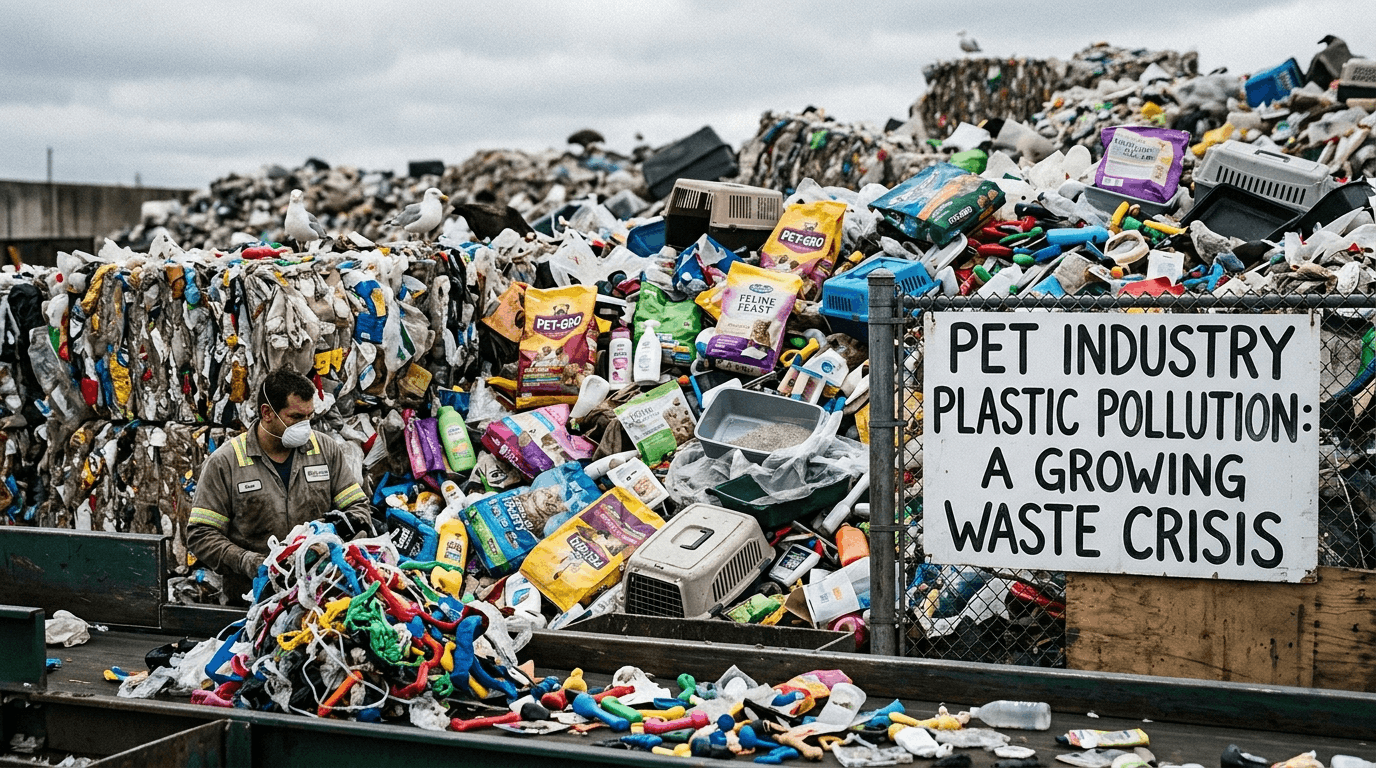
Pet food packaging alone creates enormous waste volumes every year. Most kibble bags contain multiple plastic layers designed to preserve freshness and extend shelf life. However, these mixed materials often cannot be recycled easily through standard municipal systems. As a result, millions of empty pet food bags end up in landfills annually.
Dog toys present another major issue. Many popular chew toys, balls, ropes, and enrichment products contain synthetic rubber, nylon, polyester, or hard plastics that eventually wear out and require replacement. Because dogs frequently damage toys quickly, households may dispose of several products each year.
Disposable poop bags also contribute significantly to waste accumulation. Even responsible cleanup habits often involve single-use plastic products that remain in landfills long after disposal. While biodegradable alternatives exist today, many consumers still purchase traditional plastic options because they cost less and remain widely available.
Additionally, grooming products generate continuous packaging waste through shampoo bottles, wipes, sprays, and disposable accessories. Since these products require regular replacement, their environmental impact grows steadily over time.
The pet industry plastic problem continues expanding partly because convenience-driven consumer habits encourage frequent purchases and disposable product use across nearly every category of pet care.
How Plastic Waste Harms the Environment
Plastic pollution creates serious environmental consequences that extend far beyond overflowing landfills. Once plastic enters ecosystems, it may remain there for hundreds of years while gradually breaking into smaller particles known as microplastics.
Marine environments suffer especially severe damage from plastic waste. Discarded pet packaging, synthetic fibers, and improperly disposed products often travel through storm drains and waterways into oceans. Consequently, marine animals may mistake plastic fragments for food or become entangled in waste materials.
Wildlife on land also faces growing risks. Birds, small mammals, and other animals frequently encounter discarded packaging and plastic debris in parks, forests, and urban areas. Ingestion of plastic can cause internal injuries, malnutrition, and death in many species.
The pet industry plastic problem also contributes to greenhouse gas emissions. Plastic production depends heavily on fossil fuels, and manufacturing processes consume substantial amounts of energy. Additionally, plastic decomposition inside landfills releases harmful gases that contribute to climate change over time.
Microplastics create another alarming concern. As synthetic pet products wear down, tiny plastic particles enter soil, water, and food systems. Research continues investigating how these particles affect ecosystems, wildlife, and potentially human health as well.
Because plastic pollution spreads globally, waste generated in one location may eventually affect ecosystems far away. Therefore, reducing unnecessary plastic use in pet care becomes increasingly important for environmental protection overall.
The Hidden Waste From Pet Food Packaging
Pet food packaging represents one of the largest contributors to the pet industry plastic problem. Dry kibble bags especially create significant challenges because they often combine multiple layers of plastic and foil materials for freshness protection.
These mixed-material bags rarely qualify for standard curbside recycling programs. Consequently, most empty bags end up in landfills despite consumer recycling efforts. Since pet owners purchase food continuously throughout a pet’s life, the long-term waste accumulation becomes enormous.
Wet food packaging creates additional problems. Single-use pouches, plastic trays, and lined cans generate large amounts of disposable waste because they require frequent replacement. Smaller portion packaging also increases overall material use compared to larger bulk options.
Shipping materials further expand the issue. Online pet food orders frequently arrive in oversized boxes filled with plastic air cushions, tape, and protective packaging that consumers quickly discard.
Although some companies now offer recyclable or refillable packaging systems, adoption remains relatively limited. Many sustainable brands still struggle to compete with cheaper mass-market packaging methods that prioritize cost efficiency over environmental responsibility.
Consumers increasingly recognize these concerns, however. As awareness grows, more pet owners now seek brands using recyclable materials, refill systems, compostable packaging, or reduced-plastic alternatives whenever possible.
Why Disposable Pet Products Continue Growing
Modern pet ownership increasingly emphasizes convenience. Busy households often prefer disposable products that simplify cleanup and reduce daily effort. Unfortunately, this convenience-driven culture contributes heavily to the pet industry plastic problem.
Disposable pee pads, wipes, training supplies, feeding accessories, and travel products all create continuous waste streams. Because these items offer quick solutions for common pet care challenges, their popularity continues expanding despite environmental concerns.
Marketing also influences purchasing behavior significantly. Many companies encourage frequent replacement through seasonal product releases, trendy accessories, and low-cost disposable toys designed for short-term use. Consequently, consumers may replace products long before necessary.
Social media trends further contribute to excessive consumption. Pet owners often feel pressure to buy new toys, outfits, beds, and accessories regularly to match changing trends or online aesthetics. While these purchases may appear harmless individually, they collectively increase waste substantially.
The pet industry plastic problem grows even larger because many disposable products combine multiple materials that are difficult or impossible to recycle effectively. Mixed plastics, synthetic fabrics, and chemically treated materials often remain environmentally harmful long after disposal.
Changing these habits requires both consumer awareness and industry accountability. Fortunately, sustainable alternatives continue becoming more available as demand for eco-friendly pet care rises.
How Sustainable Brands Are Responding
Environmental concerns have encouraged many companies to rethink product design, packaging, and manufacturing methods. As a result, several sustainable pet brands now focus on reducing plastic waste through innovative alternatives.
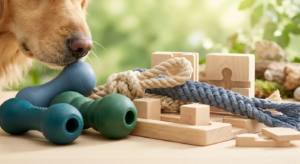
Some companies now produce dog toys using natural rubber, hemp, recycled fabrics, or biodegradable materials instead of conventional plastics. These products often last longer while reducing environmental impact after disposal.
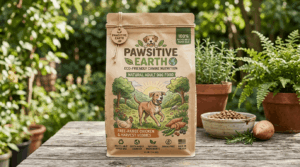
Packaging improvements also continue expanding. Certain pet food brands now offer recyclable bags, refill stations, compostable packaging, or reusable containers designed to reduce landfill waste. Although these systems remain less common than traditional packaging, consumer demand continues driving innovation forward.
Biodegradable poop bags have become especially popular among environmentally conscious dog owners. Many newer products use plant-based materials or certified compostable ingredients instead of petroleum-based plastics. Consequently, they break down more safely under proper disposal conditions.
Grooming companies increasingly use recyclable bottles, refill systems, and naturally derived ingredients as well. Bamboo brushes, reusable grooming cloths, and low-waste packaging further support sustainability efforts across pet care categories.
Importantly, smaller direct-to-consumer brands often lead these changes because they can adopt sustainable practices more quickly than large corporations. Online shopping has helped many eco-conscious companies reach consumers seeking greener alternatives beyond local retail stores.
What Pet Owners Can Do to Reduce Plastic Waste
Consumers play an important role in addressing the pet industry plastic problem through everyday purchasing decisions. Even small habit changes can reduce waste significantly over time.
Choosing durable products instead of disposable items provides one of the simplest solutions. High-quality toys, washable pads, reusable containers, and long-lasting accessories often reduce replacement frequency while lowering long-term waste.
Buying pet food in larger quantities may also reduce packaging waste compared to frequent purchases of smaller bags or individual portions. Additionally, some specialty stores now offer refill programs for treats and dry food products.
Switching to biodegradable poop bags provides another practical improvement. Although no disposal method remains completely waste-free, compostable options generally create less long-term pollution than traditional plastic bags.
Pet owners can also support companies that prioritize recyclable packaging, sustainable sourcing, and transparent environmental practices. Consumer demand strongly influences how businesses design future products and packaging systems.
Repairing accessories instead of replacing them immediately helps reduce waste too. Sewing damaged beds, cleaning reusable grooming tools, and donating usable supplies all support more sustainable habits.
Importantly, awareness matters just as much as perfection. Consistent small improvements across millions of households can create substantial environmental benefits over time.
The Future of Sustainable Pet Care
As environmental concerns continue growing worldwide, the future of pet care will likely involve major changes in manufacturing, packaging, and consumer expectations. More companies now recognize that sustainability is no longer a niche concern limited to a small group of environmentally conscious buyers.
Regulations surrounding plastic use may also become stricter in the coming years. Some governments already encourage recyclable packaging requirements and reduced single-use plastics across various industries. Consequently, pet companies may face increasing pressure to adopt greener alternatives.
Consumer behavior continues evolving as well. Younger pet owners especially prioritize sustainability when purchasing products for their animals. Many people now actively research ingredient sourcing, packaging materials, and environmental policies before supporting specific brands.
Technological innovation may further improve sustainable options. Bioplastics, compostable materials, refill systems, and recyclable packaging technologies continue advancing rapidly. These improvements could eventually reduce the environmental impact of pet ownership substantially.
Education remains equally important. Many consumers simply do not realize how much waste routine pet care generates annually. Increased awareness helps encourage smarter decisions and stronger support for environmentally responsible businesses.
Although the pet industry plastic problem remains significant, growing awareness and innovation provide hope for meaningful long-term improvement.
Conclusion
The pet industry plastic problem affects ecosystems, wildlife, landfills, and long-term environmental health in ways many consumers rarely consider. From food packaging and disposable poop bags to synthetic toys and grooming supplies, pet care products generate enormous amounts of waste every year.
Because much of this plastic remains in the environment for decades, its impact extends far beyond individual households. Pollution, microplastics, greenhouse gas emissions, and wildlife harm all connect directly to the growing use of disposable pet products worldwide.
Fortunately, sustainable alternatives continue becoming more available as consumer awareness increases. Eco-friendly toys, biodegradable bags, recyclable packaging, and reusable accessories now provide practical ways for pet owners to reduce waste without sacrificing convenience or quality.
While no single change solves the problem entirely, consistent improvements in purchasing habits can make a meaningful difference over time. By supporting responsible companies and reducing unnecessary plastic use, pet owners help encourage a cleaner and more sustainable future for the entire pet care industry.
FAQ
1. Why does pet care create so much plastic waste?
Pet products often use disposable packaging, synthetic materials, and single-use accessories that require frequent replacement.
2. Are biodegradable poop bags better for the environment?
Yes, many compostable and biodegradable bags break down more safely than traditional petroleum-based plastic bags.
3. Can pet food bags usually be recycled at home?
Most traditional pet food bags contain mixed materials that standard curbside recycling programs cannot process easily.
4. How do microplastics from pet products affect nature?
Microplastics can enter waterways, soil, and ecosystems where wildlife may ingest them or suffer environmental harm.
5. What are the easiest ways to reduce pet-related plastic waste?
Choose reusable products, buy durable toys, support sustainable brands, and avoid unnecessary disposable pet accessories.