
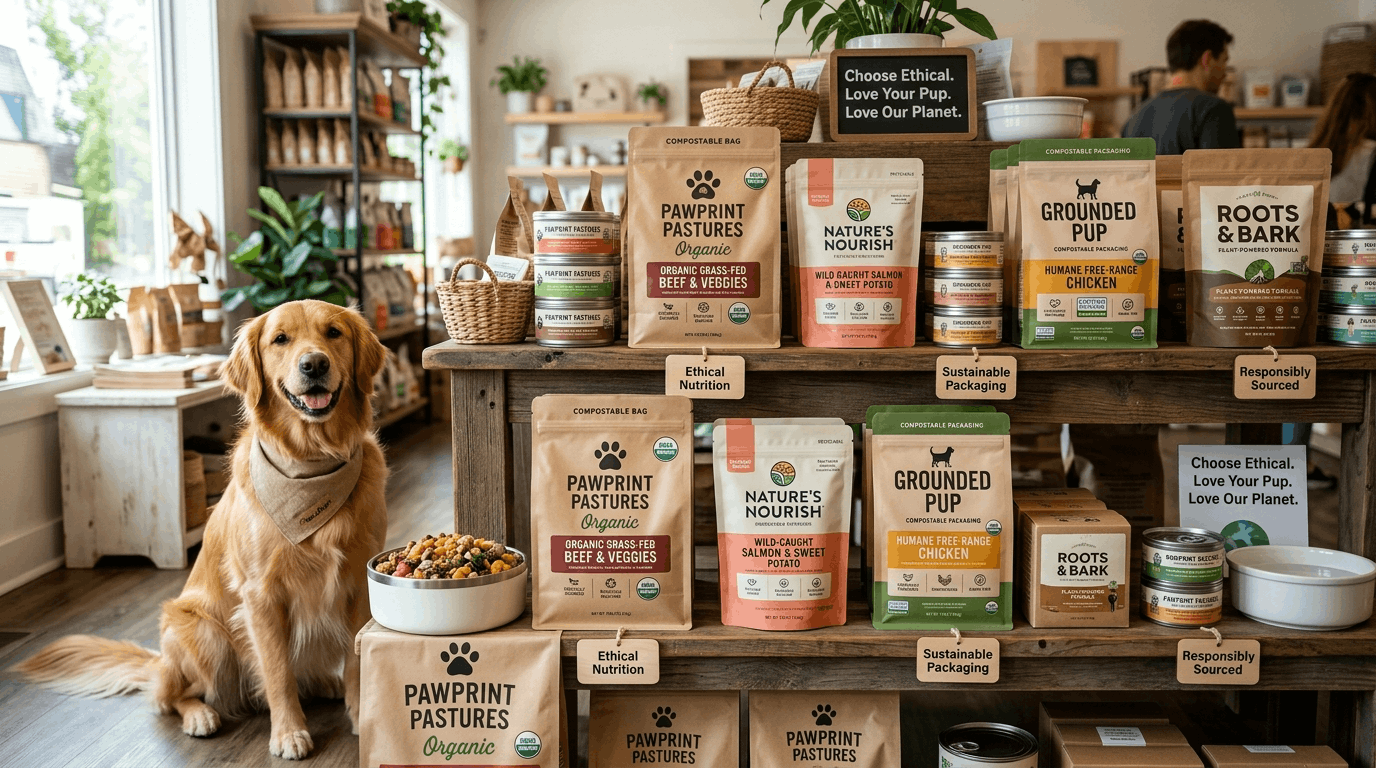

Choosing better food for your dog no longer focuses only on nutrition. Today, many pet owners also care about where ingredients come from, how companies treat animals, and whether production methods harm the environment. As a result, ethical dog food brands continue gaining attention among families who want healthier and more responsible options for their pets.
The pet food industry has changed dramatically over the last decade. Consumers now ask tougher questions about ingredient sourcing, factory farming, environmental impact, and packaging waste. Consequently, brands that once focused only on marketing now face greater pressure to prove their sustainability and ethical standards. This shift benefits both pets and the planet because responsible companies increasingly prioritize transparency and long-term environmental care.
Many dog owners feel overwhelmed by product labels claiming to be natural, sustainable, or eco-friendly. However, not every company follows through on those promises. Some brands use vague language without meaningful action behind it. Therefore, understanding what truly makes a company ethical becomes essential before purchasing dog food regularly.
Ethical dog food brands generally focus on several important areas. They prioritize responsibly sourced ingredients, humane farming practices, reduced environmental impact, transparent manufacturing, recyclable packaging, and fair labor standards. Additionally, many of these companies avoid unnecessary fillers, artificial additives, and low-quality by-products that may compromise nutritional value.
Because dogs consume the same food daily, ingredient quality matters significantly. Sustainable feeding choices not only support better health for pets, but they also encourage positive industry changes over time. Even small purchasing decisions can influence how manufacturers approach sourcing and production in the future.
What Makes a Dog Food Brand Truly Ethical
Not every premium product automatically qualifies as ethical. In many cases, expensive dog food still relies on unsustainable meat production, excessive packaging waste, or unclear sourcing practices. Therefore, responsible pet owners should evaluate companies carefully rather than relying solely on branding.
One of the biggest indicators involves ingredient sourcing transparency. Ethical companies openly explain where ingredients originate and how suppliers raise animals or grow crops. Brands that provide traceable sourcing information usually demonstrate stronger accountability and quality standards.
Humane animal welfare practices also matter greatly. Many ethical dog food brands work with farms that prioritize humane treatment, reduced confinement, and responsible livestock management. While no large-scale meat production remains perfect environmentally, better farming standards can significantly reduce unnecessary suffering.
Sustainability efforts provide another important factor. Responsible companies often reduce carbon emissions, minimize water waste, and use renewable energy during production. Additionally, some manufacturers incorporate alternative proteins such as insects, sustainably harvested fish, or plant-based ingredients to lower environmental impact.
Packaging choices reveal a great deal about company priorities as well. Brands using recyclable bags, compostable materials, or reduced plastic packaging generally demonstrate stronger environmental awareness. Although packaging alone does not define ethical practices, it reflects a company’s broader sustainability mindset.
Finally, ethical businesses usually maintain stronger transparency overall. They publish ingredient standards, nutritional testing details, sourcing policies, and manufacturing practices openly instead of hiding behind vague marketing terms.
Why Sustainable Feeding Matters for Dogs and the Planet
Pet ownership carries a surprisingly large environmental footprint. Dogs consume significant amounts of meat-based products each year, which contributes to agricultural emissions, land use, and water consumption. Consequently, sustainable feeding choices can help reduce environmental strain without compromising pet nutrition.
Traditional meat production often requires enormous natural resources. Beef production, in particular, generates high greenhouse gas emissions while consuming large amounts of water and land. Therefore, some ethical dog food brands explore more sustainable protein sources that maintain nutritional quality with less environmental damage.
Fish-based formulas sourced from certified sustainable fisheries represent one growing trend. Additionally, insect protein has emerged as an environmentally friendly option because it requires fewer resources while delivering excellent amino acid profiles for dogs.
Plant-forward recipes also continue gaining popularity. Although dogs still require balanced protein intake, many veterinarians acknowledge that properly formulated plant-inclusive diets may reduce environmental impact while supporting canine health.
Sustainable feeding extends beyond ingredients alone. Companies that minimize waste, improve transportation efficiency, and reduce packaging pollution contribute meaningfully to environmental protection. Therefore, choosing responsible brands allows pet owners to support wider sustainability efforts through everyday purchases.
At the same time, healthier sourcing standards often improve ingredient quality overall. Cleaner ingredients frequently mean fewer artificial preservatives, lower contamination risks, and more digestible nutrition for pets.
Popular Ethical Dog Food Brands Worth Considering
Several companies consistently stand out for their commitment to sustainability, ingredient transparency, and responsible production. While every dog has unique nutritional needs, these brands often receive recognition for balancing ethics with quality nutrition.
Open Farm remains one of the most recognized ethical dog food brands today. The company emphasizes traceable sourcing, humane farming partnerships, and certified animal welfare standards. Additionally, Open Farm offers recyclable packaging options and transparent ingredient tracking that allows customers to trace ingredient origins directly.
The Honest Kitchen also receives praise for ethical sourcing and human-grade ingredients. Their dehydrated and minimally processed foods focus on ingredient quality while reducing unnecessary additives. Furthermore, the company prioritizes responsible supplier relationships and transparent production standards.
Jiminy’s has gained attention for using insect protein as a sustainable alternative to traditional meat sources. Because insect farming requires significantly fewer natural resources, the company appeals strongly to environmentally conscious pet owners. Moreover, their formulas provide balanced nutrition while lowering carbon emissions substantially.
Tender & True focuses heavily on certified humane proteins and responsibly sourced ingredients. Their commitment to animal welfare standards helps distinguish them within the crowded pet food market. Additionally, the company works toward sustainable ingredient sourcing across its product lines.
Earthborn Holistic deserves mention for its sustainability initiatives and environmental programs. The brand supports recycling efforts while incorporating eco-conscious packaging practices into its operations. Although ingredient sourcing varies by formula, the company continues expanding its environmental commitments.
While these companies differ in approach, they share common values involving transparency, sustainability, and improved sourcing accountability.
How to Read Dog Food Labels More Carefully
Marketing language often confuses consumers. Terms like natural, holistic, premium, and eco-friendly sound impressive, yet they may lack strict regulatory definitions. Therefore, learning how to evaluate labels critically helps pet owners make more informed decisions.
Ingredient lists provide one of the clearest indicators of quality. Ethical dog food brands usually identify protein sources clearly instead of relying on vague terms like meat meal or animal by-product. Specific ingredients suggest greater transparency and accountability.
Certification labels also offer useful guidance. Certifications related to humane farming, sustainable fisheries, organic sourcing, or environmental responsibility often indicate stronger standards. However, consumers should still research what those certifications actually require because standards vary widely between organizations.
Company websites can reveal valuable information as well. Responsible brands frequently publish sourcing details, sustainability reports, ingredient testing protocols, and manufacturing practices openly. In contrast, companies hiding critical details may deserve closer scrutiny.
Packaging claims should always receive careful evaluation. Some businesses use green marketing strategies without implementing meaningful sustainability improvements. Therefore, look for measurable actions rather than vague promises alone.
Additionally, veterinary nutrition expertise matters significantly. Ethical practices should never replace proper nutritional balance. Dogs require complete and carefully formulated diets that support long-term health and development.
Balancing Budget and Sustainability
Many pet owners worry that sustainable feeding costs too much. While some premium products carry higher prices, ethical feeding does not always require the most expensive options available.
One practical strategy involves prioritizing ingredient quality over marketing hype. Some moderately priced brands maintain stronger ethical standards than heavily advertised luxury products. Comparing ingredient transparency and sourcing practices often provides better value insights than price alone.
Buying larger bags may reduce costs over time. Additionally, subscription programs from ethical dog food brands sometimes offer discounts that make sustainable feeding more affordable. Many companies also provide loyalty programs or automatic delivery savings.
Mix-feeding approaches can help balance costs too. Some owners combine ethically sourced dry food with homemade toppers or fresh vegetables approved by veterinarians. This approach may improve nutritional variety without dramatically increasing expenses.
Reducing food waste matters as well. Proper storage prevents spoilage and helps maximize every purchase. Measuring portions carefully also prevents unnecessary overfeeding, which benefits both health and household budgets.
Ultimately, sustainable choices do not require perfection. Even gradual improvements in purchasing habits contribute positively over time.
The Growing Demand for Responsible Pet Food
Consumer expectations continue reshaping the pet food industry rapidly. Younger pet owners especially prioritize sustainability, transparency, and ethical business practices when selecting products. Consequently, more companies now compete to improve environmental responsibility and ingredient sourcing.
This growing demand encourages innovation throughout the industry. Alternative proteins, recyclable packaging, cleaner manufacturing, and traceable sourcing systems continue evolving because consumers actively support those changes financially.
Veterinary professionals also increasingly discuss sustainability alongside nutrition. Although health remains the top priority, many experts recognize that environmentally responsible feeding can coexist with balanced canine nutrition when formulas meet proper dietary standards.
Retailers have noticed these trends as well. More stores now dedicate shelf space to ethical dog food brands because customer demand continues expanding steadily. Online shopping has further increased accessibility to smaller sustainable companies that previously lacked national distribution.
Still, consumers should remain cautious. As ethical feeding grows more popular, some brands may exaggerate sustainability claims to attract attention. Therefore, researching companies carefully remains important before committing to long-term purchases.
How Ethical Feeding Supports Better Long-Term Habits
Choosing sustainable dog food often influences other areas of pet ownership positively. Many owners who prioritize ethical feeding also become more mindful about waste reduction, toy durability, grooming products, and responsible purchasing overall.
For example, environmentally conscious pet owners frequently choose longer-lasting accessories, biodegradable waste bags, and reusable feeding supplies. These small changes collectively reduce household waste considerably over time.
Additionally, ethical feeding encourages stronger awareness of ingredient quality and nutrition. Owners who research sourcing practices often become more informed about canine health needs generally. As a result, dogs may benefit from more thoughtful feeding routines and healthier lifestyle habits overall.
Supporting ethical companies also helps shape future industry standards. Businesses respond to consumer behavior directly. Therefore, continued demand for responsible practices encourages more manufacturers to improve sourcing transparency, environmental initiatives, and humane treatment standards.
Although no product remains perfectly sustainable, consistent progress still matters greatly. Small improvements across millions of households create substantial long-term environmental benefits.
Conclusion
Ethical dog food brands offer pet owners an opportunity to support healthier nutrition, humane sourcing, and environmental responsibility through everyday purchasing choices. While navigating marketing claims can feel challenging initially, focusing on transparency, ingredient quality, sustainability efforts, and humane standards helps identify truly responsible companies.
As awareness around environmental impact continues growing, more brands now prioritize cleaner sourcing, alternative proteins, recyclable packaging, and ethical production practices. Consequently, responsible pet owners have better options available today than ever before.
Sustainable feeding does not require perfection or dramatic lifestyle changes. Instead, thoughtful decisions made consistently over time can support both canine health and environmental progress. Whether you choose brands emphasizing humane farming, eco-friendly packaging, or sustainable proteins, every responsible purchase contributes to positive industry change.
Ultimately, dogs depend entirely on the choices their owners make. By supporting ethical dog food brands, pet owners can nourish their pets while helping encourage a more sustainable and compassionate future for the pet food industry.
FAQ
1. How can I tell if a dog food company is truly responsible?
Look for transparent sourcing, humane certifications, sustainable practices, ingredient traceability, and detailed manufacturing information.
2. Are sustainable pet foods healthy for dogs?
Yes, many responsibly sourced formulas provide complete nutrition when properly formulated and approved for canine dietary needs.
3. Why do some environmentally friendly foods cost more?
Higher-quality ingredients, ethical sourcing, smaller-scale production, and sustainable packaging often increase manufacturing costs.
4. Is insect protein safe for canine diets?
Insect protein can provide excellent nutrition for dogs while requiring fewer environmental resources than traditional livestock farming.
5. What should I avoid when choosing pet food products?
Avoid vague ingredient labels, unclear sourcing information, excessive fillers, and brands making unsupported sustainability claims.