
Choosing to donate old pet items is one of the simplest ways to reduce waste while helping animals in need. Many pet owners accumulate toys, beds, and accessories over time, and these items often remain unused once pets outgrow them or lose interest. Instead of throwing them away, finding the right place to donate allows these items to serve a new purpose. Therefore, taking a thoughtful approach to rehoming your pet’s belongings can benefit both your community and the environment.
When you donate old pet items, you extend their lifespan and reduce landfill waste. At the same time, shelters and rescue organizations gain valuable resources that improve the comfort and wellbeing of animals in their care. This small action can create a meaningful impact, especially when done consistently.
Why Donating Pet Items Matters More Than You Think
Many pet products are still usable even after your pet no longer needs them. Toys, beds, and blankets often remain in good condition, yet they are frequently discarded. However, when you donate old pet items, you help reduce unnecessary waste and support organizations that rely on donations.
Animal shelters often operate on limited budgets. Therefore, donated items help them provide better care without increasing costs. Comfortable bedding and engaging toys improve the quality of life for animals waiting for adoption.
Additionally, donating supports sustainability. Instead of producing new items, existing products are reused. This reduces resource consumption and lowers environmental impact. Over time, these small actions contribute to a more responsible system.
Animal Shelters And Rescue Organizations
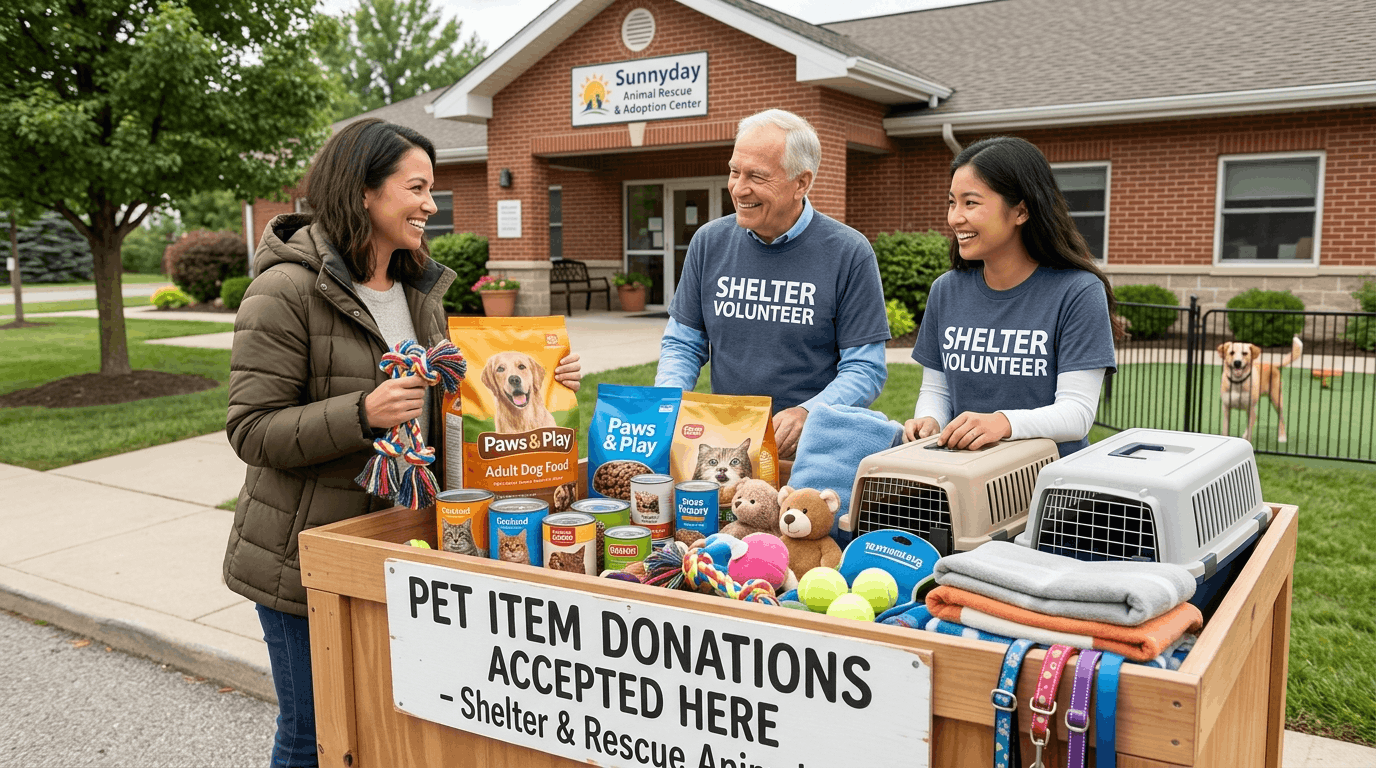
Animal shelters are among the best places to donate old pet items. These organizations care for animals that often arrive with nothing, so donations make a direct difference. Beds provide comfort, while toys help reduce stress and boredom.
Before donating, check the shelter’s guidelines. Some may have specific requirements for cleanliness or item type. Washing beds and sanitizing toys ensures they are safe for use. This step also increases the likelihood that your donation will be accepted.
Rescue groups are another excellent option. Unlike shelters, they often rely entirely on community support. When you donate old pet items to these groups, you help them continue their work in saving and rehoming animals.
Veterinary Clinics And Animal Hospitals
Veterinary clinics often accept donations for use during recovery or temporary care. Items like blankets, towels, and beds are especially useful for animals undergoing treatment. These materials provide comfort and warmth during stressful situations.
Although not all clinics accept toys, many welcome soft items that can be easily cleaned. Therefore, calling ahead is always a good idea. When you donate old pet items to veterinary facilities, you contribute to the care of animals in need of medical attention.
Additionally, some clinics partner with rescue groups and can pass along items to organizations that need them. This makes them a convenient option if you are unsure where to donate.
Local Pet Charities And Community Groups
Community-based organizations often collect pet supplies for distribution to those in need. These groups may support low-income pet owners, foster networks, or local shelters. As a result, they provide a direct way to help both pets and people.
Social media groups and community boards are useful for finding these organizations. Many actively request donations and provide clear instructions for drop-off or pickup. When you donate old pet items through these channels, you ensure they reach those who need them most.
Additionally, local events or drives may focus on collecting pet supplies. Participating in these initiatives helps strengthen community connections while supporting a good cause.
Friends, Family, And Neighbors With Pets
Sometimes the best place to donate old pet items is closer than you think. Friends, family members, or neighbors with pets may appreciate extra supplies. This option is especially useful for items that may not meet donation standards but are still functional.
For example, a slightly worn bed may still be comfortable for another pet. Similarly, toys that your pet no longer uses can provide entertainment for others. By sharing within your network, you reduce waste while helping people you know.
This approach also saves time and effort. Instead of searching for organizations, you can quickly pass items to someone who will use them. Therefore, it is a practical and effective way to donate old pet items.
Online Platforms And Donation Networks
Online platforms offer another convenient way to rehome pet items. Websites and apps allow users to give away items locally, often for free. These platforms connect you directly with people who need pet supplies.
When listing items, provide clear descriptions and photos. This helps ensure that recipients understand what they are receiving. Additionally, arranging safe and convenient pickup locations makes the process smoother.
By using online tools to donate old pet items, you expand your reach and increase the chances of finding someone who can use them. This modern approach makes donating easier than ever.
Preparing Items Before Donation
Proper preparation is essential before donating any pet items. Cleaning and sanitizing ensure that items are safe and hygienic. Wash bedding thoroughly and remove any visible dirt or hair.
Inspect items for damage. Broken toys or heavily worn beds may not be suitable for donation. Instead, consider recycling or repurposing them. When you donate old pet items in good condition, you help organizations maintain high standards.
Packaging items neatly also makes a positive impression. Organized donations are easier to process and distribute. Taking these steps ensures your contribution is both helpful and appreciated.
What Items Are Most Needed
Not all items are equally useful, so focusing on high-demand supplies increases the impact of your donation. Beds, blankets, and towels are always in demand because they provide comfort and warmth.
Durable toys are also valuable, especially for active or stressed animals. Additionally, collars, leashes, and feeding bowls can be helpful for newly arrived pets. When you donate old pet items that meet these needs, you provide practical support.
Avoid donating items that are unsafe or unsuitable, such as heavily damaged toys or expired products. By choosing carefully, you ensure your donation makes a meaningful difference.
Reducing Waste Through Thoughtful Habits
Donating is just one part of a broader approach to reducing waste. Buying high-quality items that last longer reduces the need for frequent replacements. Additionally, maintaining and repairing items extends their usability.
Rotating toys instead of constantly buying new ones can also help. This keeps pets engaged while reducing consumption. When combined with efforts to donate old pet items, these habits create a more sustainable lifestyle.
Being mindful of purchases and disposal choices ensures that fewer items end up in landfills. Over time, these small changes lead to significant environmental benefits.
Encouraging Others To Donate
Sharing your experience can inspire others to take similar actions. Talking about the benefits of donating helps raise awareness and encourages more people to participate. Community involvement strengthens the impact of individual efforts.
Organizing donation drives or collaborating with local groups can also make a difference. These initiatives bring people together and increase the volume of items collected. When more individuals choose to donate old pet items, the overall effect becomes much greater.
Education and example are powerful tools. By leading through action, you help create a culture of generosity and sustainability.
Conclusion
Choosing to donate old pet items is a simple yet powerful way to support animals, reduce waste, and promote sustainability. Whether you give to shelters, clinics, or individuals, your contribution helps improve the lives of pets in need.
Although it may seem like a small action, the impact grows when done consistently. By making thoughtful decisions about what to keep, reuse, or donate, you create a more responsible approach to pet ownership.
In the end, donating is not just about clearing space. It is about giving value to items that can still make a difference. With a little effort, you can turn unused belongings into meaningful support for animals and communities.
FAQ
1. What types of pet items can I donate?
You can donate beds, toys, blankets, collars, and other usable accessories in good condition.
2. Do shelters accept all donated items?
Not always, so it is best to check their guidelines before dropping off anything.
3. Should I clean items before donating them?
Yes, cleaning and sanitizing ensure they are safe and ready for use.
4. Can damaged items still be donated?
Only if they are safe; otherwise, consider recycling or repurposing them.
5. Where can I find local donation options?
Check community groups, shelters, or online platforms that connect donors with recipients.