

Playtime isn’t just fun for dogs—it’s vital for their physical health and mental well-being. But not all dog toys are created equal. Some are made from low-quality materials that can cause injuries or digestive issues if chewed apart. That’s why it’s important to choose vet-recommended dog toys that are designed with safety, durability, and enrichment in mind.
Veterinarians know what makes a toy safe. They consider everything from materials and size to how the toy supports a dog’s instincts. Whether your pet loves chewing, chasing, or problem-solving, there’s a vet-approved toy that keeps playtime both fun and safe. Let’s explore how to find the right ones for your furry companion.
Why Choosing Vet-Recommended Dog Toys Matters
Dogs explore the world with their mouths. They chew, bite, and test everything, which makes safety a serious concern. Many pet owners don’t realize how quickly an unsafe toy can turn into a choking hazard or a costly vet visit.
The Dangers of Unsafe or Cheap Dog Toys
Cheap, unregulated toys may contain toxic chemicals like BPA, phthalates, or lead. These substances can leach into your dog’s system, leading to long-term health issues.
Poorly made toys often have small parts that can break off and cause choking or intestinal blockages. Even soft toys can hide dangers—some are stuffed with low-grade polyester or foam that can cause stomach irritation if swallowed.
How Vets Evaluate Safe Dog Toys
Veterinarians look for specific safety standards before recommending toys. They assess:
- Material safety (non-toxic, BPA-free, latex-free)
- Size and chew strength for breed type
- Durability and resistance to tearing
- Design that prevents swallowing hazards
- Enrichment value to keep the dog mentally active
When a toy passes a vet’s test, it means it can be enjoyed with confidence—whether it’s a rubber chew toy, an interactive puzzle, or a soft plush companion.
Key Features of Vet-Approved Dog Toys
A vet-recommended dog toy does more than entertain. It helps satisfy instincts, relieve anxiety, and encourage healthy habits. The right toy keeps playtime engaging without putting your pet at risk.
Non-Toxic and Durable Materials
Safety starts with materials. Look for toys made from natural rubber, high-grade nylon, or organic cotton. These are sturdy enough to handle chewing while staying safe if your dog bites hard.
Avoid toys that smell strongly of chemicals or feel too soft—these can indicate harmful compounds. Brands that use FDA-approved or food-grade materials offer peace of mind for pet owners.
Size and Texture Suitability
Size matters more than most realize. A toy that’s too small can get lodged in your dog’s throat, while one that’s too large might discourage play.
Vets recommend toys that are just large enough that your dog can carry them comfortably without the risk of swallowing. For texture, gentle rubber or fabric toys are better for puppies and seniors, while firm rubber or nylon suits strong chewers.
Mental Stimulation and Enrichment
Dogs need mental workouts as much as physical ones. Toys that challenge them—like treat-dispensing puzzles or interactive games—help prevent boredom and destructive behavior.
Vets emphasize toys that engage the senses: toys that squeak, bounce unpredictably, or hide treats inside mimic the hunt-and-reward instinct, giving your dog purpose during playtime.
Top Vet-Recommended Dog Toys by Category
Not all dogs play the same way. Some prefer a good chew session, while others love a puzzle challenge or a comforting plush. Here are the top vet-recommended dog toys across different play styles and needs.
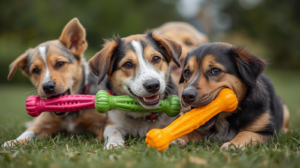
Best for Chewers: Indestructible Options
Strong chewers need toys that can take a beating. Vets often recommend:
- KONG Extreme Rubber Toys: Made from ultra-durable natural rubber, ideal for large breeds and aggressive chewers.
- Goughnuts Rings: These heavy-duty toys have a safety indicator layer—if your dog chews through to the red core, it’s time to replace.
- Benebone Chews: Made from nylon infused with real bacon or chicken flavor, satisfying both taste and toughness.
These toys not only survive rough play but also promote dental health by massaging gums and cleaning teeth.
Best for Mental Exercise: Puzzle and Treat Toys
Dogs love to work for their rewards, and puzzle toys keep their minds sharp. Some great vet-approved options include:
- Outward Hound Hide N’ Slide: Encourages problem-solving and slow feeding.
- Nina Ottosson Puzzle Games: Designed by dog behavior experts, these toys challenge cognitive skills.
- KONG Classic with Treats: Fill it with peanut butter or treats for hours of engagement.
Mental stimulation toys help reduce separation anxiety and prevent boredom-based mischief.
Best for Puppies: Gentle and Teething-Safe Toys
Puppies have delicate teeth and gums, so their toys must be soft yet durable. Vets recommend:
- Nylabone Puppy Teething Rings: Gentle on gums, promotes chewing instincts.
- KONG Puppy Rubber Toy: Softer rubber formula for sensitive mouths.
- Petstages Cool Teething Stick: Can be frozen to soothe sore gums during teething.
These toys not only soothe pain but also teach proper chewing habits from an early age.
Best for Seniors: Soft and Low-Impact Toys
Older dogs need toys that are easy on joints and teeth. Vets suggest:
- ZippyPaws Plush Squeakers: Gentle, comforting, and fun for light play.
- Planet Dog Orbee-Tuff Balls: Softer texture, yet still durable and non-toxic.
- Snuggle Pup Comfort Toys: Mimic companionship, helping senior dogs relax and feel secure.
For senior pets, the focus is on comfort and gentle engagement rather than high-intensity activity.
How to Maintain and Clean Dog Toys Safely
Even the strongest toys wear out over time, and cleaning them regularly prevents bacteria buildup.
Regular Inspection and Replacement
Before every play session, inspect toys for cracks, tears, or loose parts. Damaged toys can break apart and pose choking risks. Replace them immediately if you notice signs of wear.
Most dogs have favorite toys they won’t let go of—but safety should always come first.
Washing Techniques for Long-Lasting Safety
- Rubber and Nylon Toys: Clean with warm water and mild dish soap. Rinse thoroughly.
- Fabric or Plush Toys: Machine wash in a gentle cycle with fragrance-free detergent.
- Rope Toys: Soak in water and microwave for one minute to kill bacteria.
Clean toys at least once a week to ensure your dog’s playtime remains safe and hygienic.
How to Choose the Right Toy for Your Dog
Your dog’s age, breed, and energy level play a big role in choosing toys that fit.
Match Toys to Energy Level and Breed
High-energy breeds like Border Collies or Labradors thrive on interactive toys that challenge their minds. Strong breeds like Pit Bulls need heavy-duty chew toys, while smaller breeds do best with lightweight options.
Calmer dogs may prefer comfort toys or slow-feed puzzles that reward patience.
Observe Your Dog’s Play Style
Every dog has a unique play personality. Some shake toys violently, others nibble gently, and some just carry them around. By observing their habits, you can select toys that match their preferences and reduce the risk of damage or frustration.
Eco-Friendly and Sustainable Vet-Recommended Dog Toys
Pet owners are becoming more eco-conscious, and the good news is that sustainability and safety can go hand in hand.
Natural Rubber, Hemp, and Recycled Materials
Natural rubber toys are biodegradable and strong, making them great alternatives to synthetic plastics. Hemp ropes and recycled fabric toys are gentle on the planet while still tough enough for playtime.
Safe and Planet-Friendly Brands to Try
Brands like West Paw, Beco Pets, and Earth Rated create eco-friendly toys that are non-toxic, durable, and veterinarian-approved. Choosing sustainable toys helps reduce waste and ensures your dog’s safety with every play session.
Conclusion
Your dog’s happiness depends on more than just fun—it depends on safety. By choosing vet-recommended dog toys, you’re investing in their long-term health, confidence, and joy.
From tough chews and interactive puzzles to soothing plush toys for seniors, each recommendation serves a unique purpose in your pet’s life. Safe playtime isn’t just about entertainment—it’s about trust, bonding, and keeping your best friend healthy for years to come.
So next time you shop for your furry friend, skip the bargain bin and go for the toys that vets—and your dog—approve wholeheartedly.
FAQ
1. Why should I buy vet-recommended dog toys?
They’re tested for safety, durability, and non-toxic materials, reducing risks like choking or poisoning.
2. How often should I replace my dog’s toys?
Inspect toys weekly. Replace them if they’re cracked, torn, or losing small parts to prevent hazards.
3. What toy material is safest for dogs?
Natural rubber, high-grade nylon, and organic cotton are non-toxic and vet-approved for safe chewing.
4. Are puzzle toys good for mental health?
Yes. Puzzle toys improve focus, reduce anxiety, and keep your dog’s brain active and sharp.
5. How can I tell if a toy is vet-approved?
Look for reputable brands endorsed by veterinarians or labeled as non-toxic, durable, and BPA-free.