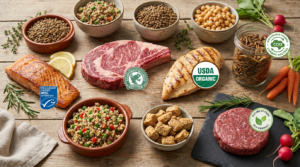


Pet nutrition is changing. Quietly at first, then all at once. What we feed our dogs and cats is no longer just about filling a bowl. It is about health, longevity, and responsibility. Sustainable pet proteins sit at the center of this shift, offering a smarter way to nourish pets without sacrificing quality.
For years, traditional pet food relied heavily on the same animal proteins humans consume. Beef, chicken, lamb, and fish became staples. Yet cracks have started to show. Allergies are rising. Digestive issues are common. Meanwhile, environmental pressure continues to grow.
So pet owners are asking better questions. Is there a healthier option? Can nutrition support both pets and the planet? The answer, increasingly, is yes.
What Are Sustainable Pet Proteins?
Sustainable pet proteins are protein sources produced with lower environmental impact and high nutritional value. These proteins often require less land, water, and energy than conventional meat production.
Examples include:
- Insect-based proteins such as black soldier fly larvae
- Plant-based proteins formulated for pets
- Novel animal proteins like duck or rabbit
- Upcycled proteins from food production byproducts
- Algae and yeast-based proteins
Although the sources differ, the goal remains the same. Provide complete, digestible protein that supports pet health while reducing strain on natural resources.
Importantly, sustainability does not mean compromise. Nutritional quality is prioritized, not reduced.
Why Protein Quality Matters More Than Ever
Protein is the foundation of pet health. Muscles, organs, skin, and immune systems rely on it. However, not all proteins are created equal.
High-quality proteins contain essential amino acids in balanced ratios. They are also easier to digest and absorb. When protein quality is poor, the body works harder. Over time, this stress can contribute to inflammation and illness.
Sustainable pet proteins are often processed more carefully. In many cases, they are less exposed to antibiotics, hormones, and contaminants. As a result, the protein reaching your pet’s bowl is cleaner and more bioavailable.
Digestive Health Benefits of Sustainable Pet Proteins
Digestion is where health begins. When the gut struggles, everything else follows.
Many pets experience digestive upset from common proteins they have eaten for years. Repeated exposure can trigger sensitivities. This is especially true for dogs with chronic diarrhea, gas, or vomiting.
Sustainable pet proteins offer relief in several ways.
First, novel protein sources reduce immune overreaction. The body does not recognize the protein as a threat. Therefore, inflammation often decreases.
Second, these proteins are typically easier to break down. Insect protein, for example, has a high digestibility rate. Less waste is produced, which means firmer stools and less discomfort.
Finally, improved digestion leads to better nutrient absorption. Vitamins and minerals are utilized instead of lost.
Supporting Pets with Food Sensitivities and Allergies
Food allergies are no longer rare. Many dogs scratch, lick, or chew their paws endlessly. Cats may vomit frequently or develop skin issues.
In most cases, protein is the culprit. Chicken and beef are common triggers simply because of overexposure.
Switching to sustainable pet proteins often brings noticeable improvement. Symptoms ease. Energy returns. The coat becomes shinier.
Insect-based proteins, in particular, are considered hypoallergenic. Since pets have not evolved eating them regularly, the immune system remains calm.
For pets who have struggled for years, this change can feel like relief after a long storm.
Immune System Support Through Better Nutrition
A strong immune system depends on consistent, high-quality nutrition. Protein plays a critical role in producing antibodies and repairing tissues.
When pets consume sustainable pet proteins, their immune systems receive balanced amino acids without added stress. Cleaner proteins reduce toxin load. Consequently, the body can focus on defense instead of detoxification.
Additionally, some sustainable proteins contain beneficial fats and micronutrients. These compounds support cellular health and reduce oxidative stress.
Over time, fewer infections and faster recovery may be observed. While results vary, the trend is encouraging.
Weight Management and Lean Muscle Maintenance
Obesity affects millions of pets worldwide. Excess weight strains joints, stresses the heart, and shortens lifespan.
Sustainable pet proteins can support healthier weight management. Many sources are naturally lean. They provide satiety without excessive calories.
Because protein helps maintain lean muscle, pets burn energy more efficiently. This balance supports gradual, sustainable weight control.
Moreover, pets feel fuller longer. Begging decreases. Energy stabilizes. Daily activity becomes easier.
Weight loss, when needed, becomes less of a battle.
Skin, Coat, and Joint Health Improvements
Healthy skin and a glossy coat are visible signs of internal wellness. Protein quality directly influences these outcomes.
Sustainable pet proteins often contain beneficial fatty acids and amino acids. These nutrients support skin elasticity and hair growth.
Pets prone to dry skin or excessive shedding may show improvement after dietary changes. Less itching is reported. Coat texture becomes smoother.
Joint health also benefits indirectly. Reduced inflammation supports mobility. For aging pets, this can mean more comfortable movement and improved quality of life.
The Role of Sustainable Pet Proteins in Longevity
Longevity is not about adding years alone. It is about improving the years pets already have.
Chronic inflammation, poor digestion, and obesity quietly shorten lifespans. Sustainable pet proteins address these issues at the root.
By reducing immune stress and improving nutrient absorption, the body ages more gracefully. Organs are supported rather than overworked.
While no food guarantees longevity, nutrition remains one of the most powerful tools available. Sustainable choices stack the odds in your pet’s favor.
Mental Well-Being and Energy Levels
Nutrition affects behavior more than many realize. Blood sugar swings, digestive discomfort, and inflammation can influence mood.
Pets fed balanced, digestible proteins often show steadier energy. Hyperactivity followed by crashes becomes less common. Anxiety-related behaviors may soften.
For working dogs or highly active breeds, sustained energy matters. Sustainable pet proteins provide fuel without overload.
Mental clarity improves when the body feels good. That connection is often underestimated.
Environmental Health and Its Indirect Impact on Pets
Environmental health and pet health are connected. Pollution, resource depletion, and climate stress affect food quality over time.
By choosing sustainable pet proteins, owners contribute to a healthier ecosystem. Cleaner water, healthier soil, and reduced emissions matter.
Indirectly, this supports future food security. Pets benefit from more stable supply chains and safer ingredients.
The bowl becomes a small but meaningful act of stewardship.
Ethical Considerations and Emotional Peace
Many pet owners feel conflicted about feeding practices. Loving animals while contributing to environmental harm creates tension.
Sustainable pet proteins offer a middle ground. Pets receive excellent nutrition. Ethical concerns are addressed.
That peace of mind matters. Feeding time becomes an act of care rather than compromise.
Emotional well-being, for both owner and pet, improves when values align.
Transitioning to Sustainable Pet Proteins Safely
Change should always be gradual. Sudden dietary shifts can upset digestion, even with high-quality food.
A slow transition over 7 to 10 days is recommended. Mix increasing amounts of the new protein with the old.
Monitor stools, energy, and appetite. Temporary adjustments may occur. However, persistent symptoms should be discussed with a veterinarian.
Patience ensures success.
Choosing the Right Sustainable Protein for Your Pet
Not every protein suits every pet. Age, size, activity level, and health history matter.
Puppies and kittens need higher protein density. Seniors benefit from digestibility. Active pets require balanced energy.
Reading labels helps. Look for complete amino acid profiles and transparent sourcing.
Consulting a veterinarian adds confidence, especially for pets with medical conditions.
Debunking Myths About Sustainable Pet Proteins
Some believe sustainable proteins are inferior. Others worry pets will reject them.
In reality, many pets enjoy novel proteins. Palatability has improved significantly. Formulations are science-backed.
Another myth suggests plant-based proteins alone can replace animal protein. While possible in some cases, careful formulation is essential.
Balance, not extremes, defines success.
The Future of Pet Nutrition
Pet nutrition is entering a thoughtful era. Science, sustainability, and compassion are converging.
Sustainable pet proteins represent progress rather than trend. As research expands, options will continue to improve.
What once felt experimental is becoming mainstream. And pets are thriving because of it.
Conclusion
Sustainable pet proteins are more than an environmental choice. They are a health-forward decision that supports digestion, immunity, weight balance, and longevity. By feeding cleaner, more digestible proteins, pet owners reduce inflammation and improve daily comfort for their companions.
At the same time, these choices protect the ecosystems pets depend on indirectly. Health becomes holistic, extending from the bowl to the planet. When nutrition aligns with wellness and responsibility, everyone benefits, especially the pets we love most.
FAQ
1. Are sustainable pet proteins safe for dogs and cats?
Yes, when properly formulated, they provide complete nutrition and are safe for long-term feeding.
2. Can sustainable pet proteins help with allergies?
Many pets experience fewer allergy symptoms due to reduced immune reactions to novel proteins.
3. Will my pet like the taste of sustainable proteins?
Most pets adapt well, and many find novel proteins appealing after a short transition.
4. Are insect-based proteins nutritionally complete?
Yes, they contain essential amino acids and are highly digestible when formulated correctly.
5. Do sustainable pet proteins cost more?
Some options may cost slightly more upfront, but improved health can reduce veterinary expenses over time.